
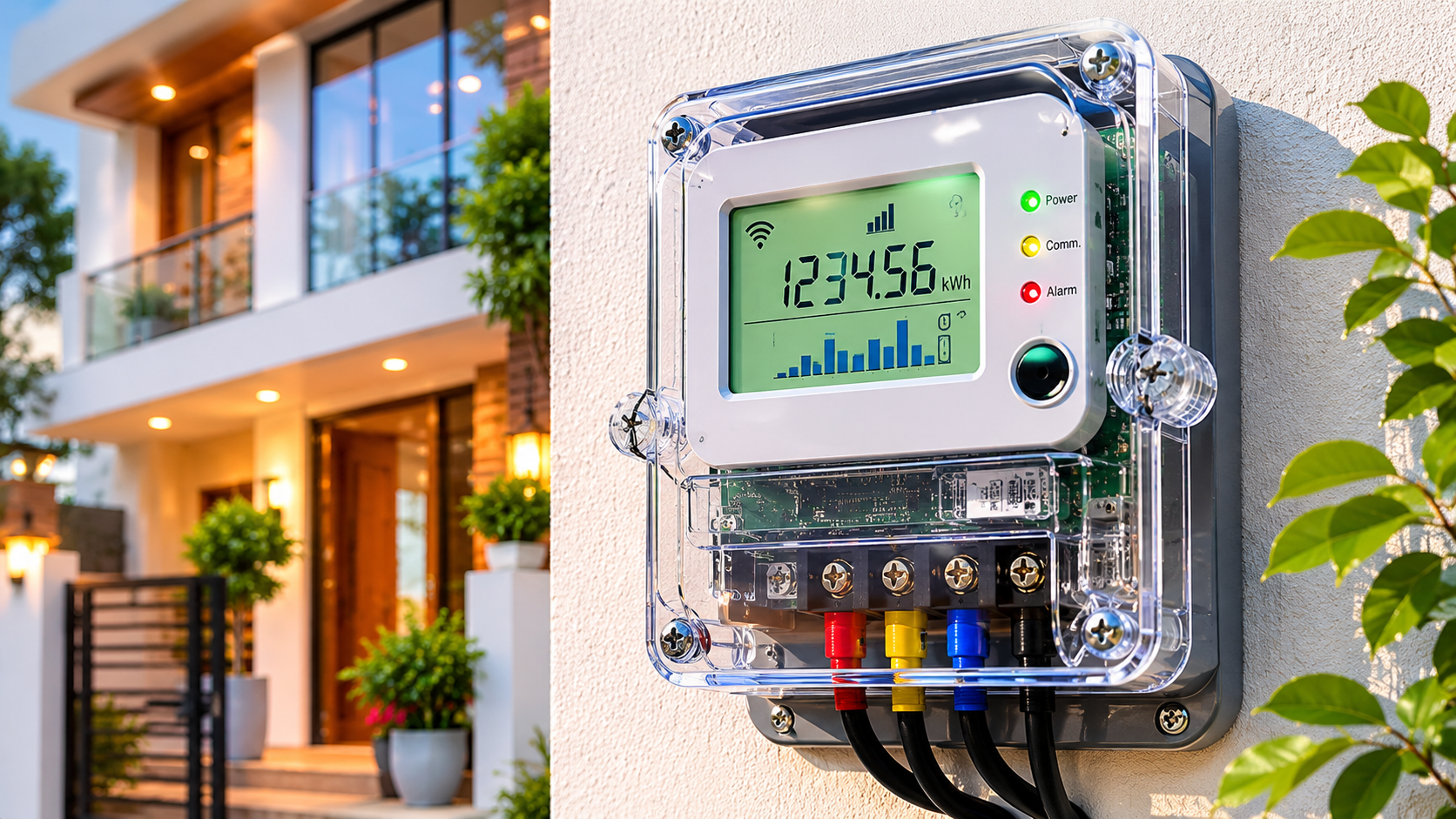
Smart meter technology is transforming the way consumers monitor and manage their electricity usage. Unlike traditional electricity meters, these advanced digital devices provide real-time information about power consumption, helping households and businesses make informed energy decisions.
As energy costs continue to rise, consumers are looking for smarter ways to control their electricity bills. A meter offers detailed insights into energy usage patterns, making it easier to identify waste, improve efficiency, and reduce expenses. In addition, utility providers can collect readings remotely, eliminating the need for manual meter checks.
Whether you are a homeowner, tenant, or business owner, understanding the advantages of smart metering can help you make better energy choices. This guide explores the key benefits, features, and practical applications of meters in modern energy management.
What Is a Smart Meter?
A smarter meter is a digital electricity meter that automatically records energy consumption and securely sends the information to utility providers. Unlike conventional meters that require manual readings, meters communicate data electronically at regular intervals.
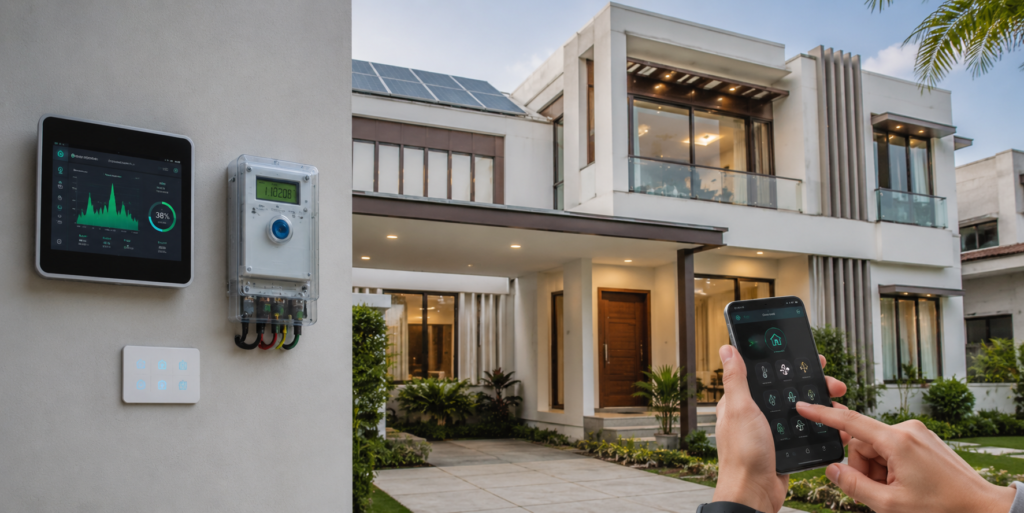
These devices help consumers access accurate energy usage information, often through mobile applications or online portals. As a result, users can monitor consumption patterns and make adjustments to reduce unnecessary energy use.
Key Features of Smart Meters
- Real-time energy tracking
- Automated meter readings
- Accurate billing
- Usage history reports
- Remote monitoring capabilities
- Improved outage detection
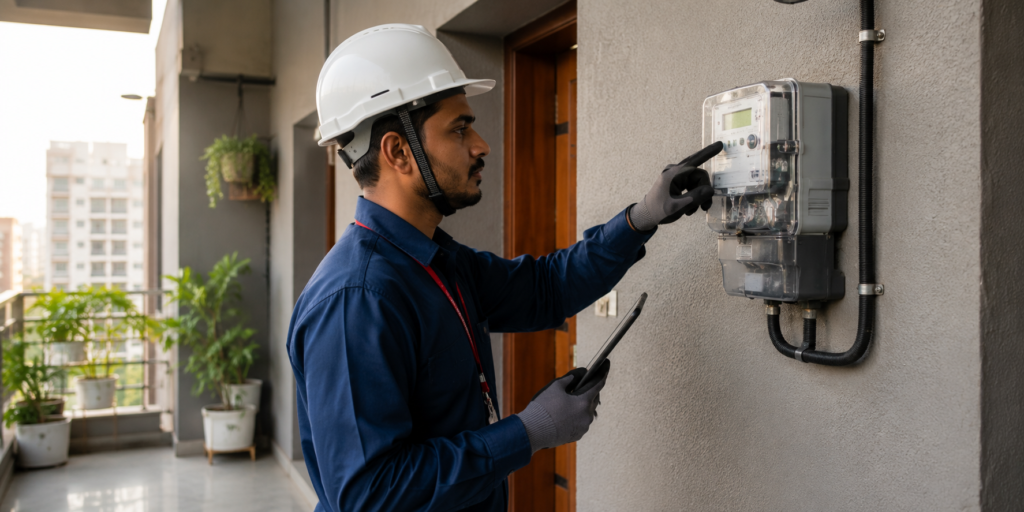
How Smart Meters Work
Smart meters continuously measure electricity consumption and transmit data through secure communication networks. The information is sent to utility providers, allowing them to generate accurate bills based on actual usage rather than estimates.
Consumers can often view this data through dedicated dashboards that show daily, weekly, or monthly consumption trends. Therefore, users gain greater visibility into their energy habits.
Smart Meter Data Flow
| Feature | Traditional Meter | Smart Meter |
|---|---|---|
| Reading Collection | Manual | Automatic |
| Billing Accuracy | Estimated Possible | Highly Accurate |
| Real-Time Monitoring | No | Yes |
| Remote Access | No | Yes |
| Usage Insights | Limited | Detailed |
| Outage Detection | Delayed | Faster |
8 Benefits for Electricity Consumers
1. Real-Time Energy Monitoring
One of the biggest advantages is the ability to view electricity consumption in real time. Consumers can immediately identify which appliances consume the most energy.
2. Improved Billing Accuracy
Meters provide actual usage data, reducing the possibility of estimated bills. This ensures customers only pay for the electricity they use.
3. Better Energy Awareness
When consumers understand their energy patterns, they become more conscious of their electricity usage and are more likely to adopt efficient habits.
4. Reduced Energy Waste
By identifying periods of excessive consumption, households can take corrective action and reduce unnecessary energy use.
5. Faster Problem Detection
Utility companies can quickly identify outages and service disruptions, resulting in faster response times.
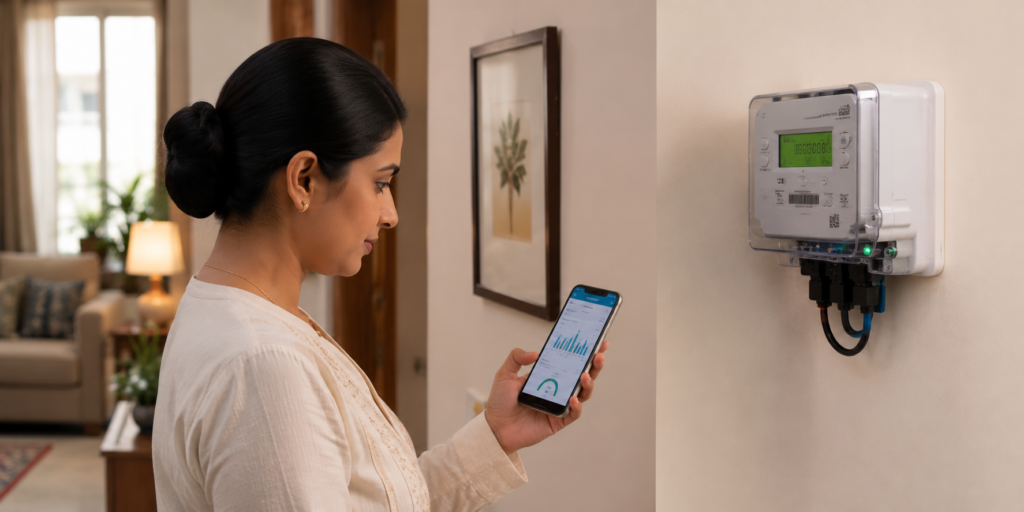
6. Convenient Meter Reading
Manual meter inspections become unnecessary because readings are automatically transmitted to the utility provider.
7. Support for Sustainable Energy Use
Meters encourage responsible energy consumption by providing detailed usage information that helps users reduce their environmental impact.
8. Enhanced Energy Planning
Consumers can analyze long-term trends and make informed decisions regarding appliance usage, upgrades, and energy-saving investments.
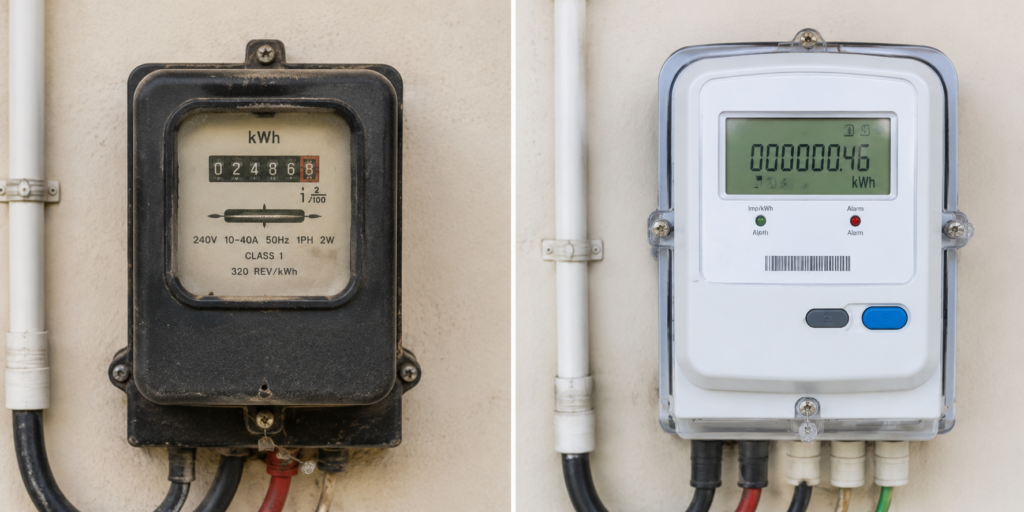
Smart Meter vs Traditional Meter
Traditional electricity meters have served consumers for decades. However, they offer limited functionality compared to modern smart metering systems.
Smart meters provide a more interactive and informative experience. Instead of waiting for monthly bills, users can track their consumption regularly and take immediate action when usage increases unexpectedly.
Why Smart Meters Are Gaining Popularity
- Greater transparency
- Improved customer experience
- Better energy management
- Accurate consumption reporting
- Enhanced grid efficiency
Role in Energy Efficiency
Energy efficiency is becoming increasingly important for both consumers and governments. Meters play a significant role by providing actionable insights into electricity usage.
For example, many households discover that certain appliances consume more power than expected. Once identified, consumers can replace inefficient devices or adjust their usage habits.
Businesses also benefit from meters by monitoring operational energy consumption. This information can help organizations reduce costs and improve sustainability initiatives.
Practical Energy-Saving Tips
Monitor Peak Usage Hours
Review consumption data regularly and identify periods of high electricity demand.
Upgrade Inefficient Appliances
Older appliances often consume more power than newer energy-efficient models.
Turn Off Unused Devices
Reducing standby power usage can contribute to noticeable savings over time.
Common Concerns and Challenges
Although meters offer numerous benefits, some consumers have concerns about data privacy and installation procedures.
Utility providers typically use secure communication systems to protect consumer information. In addition, regulatory frameworks often require strict data protection measures.
Another concern is the initial transition from traditional meters. However, installation is generally straightforward and performed by qualified technicians.
Common Questions Consumers Ask
Is My Data Secure?
Most modern smart meter systems use encryption and security protocols to protect transmitted data.
Will Installation Disrupt Power Supply?
Temporary interruptions may occur during installation, but they are usually brief.
Are Smart Meters Mandatory?
Requirements vary depending on region, utility provider, and government policies.
Future of Smart Meter Technology
The future of smart metering is closely connected to smart grids, renewable energy systems, and advanced energy analytics.
As technology evolves, smart meters are expected to provide even more detailed insights, enabling consumers to optimize energy consumption more effectively. Integration with solar panels, battery storage systems, and smart home devices will further enhance their value.
Artificial intelligence and machine learning may also improve energy forecasting, helping consumers make smarter decisions based on usage trends and predictive analytics.
A smart meter automatically records electricity consumption and provides real-time usage information. This helps consumers monitor energy use and improve efficiency.
Yes. By showing detailed energy consumption patterns, a smart meter helps users identify wasteful habits and make cost-saving adjustments.
Generally, yes. Smart meters automatically transmit actual usage data, reducing the chances of estimated billing and improving overall accuracy.
