
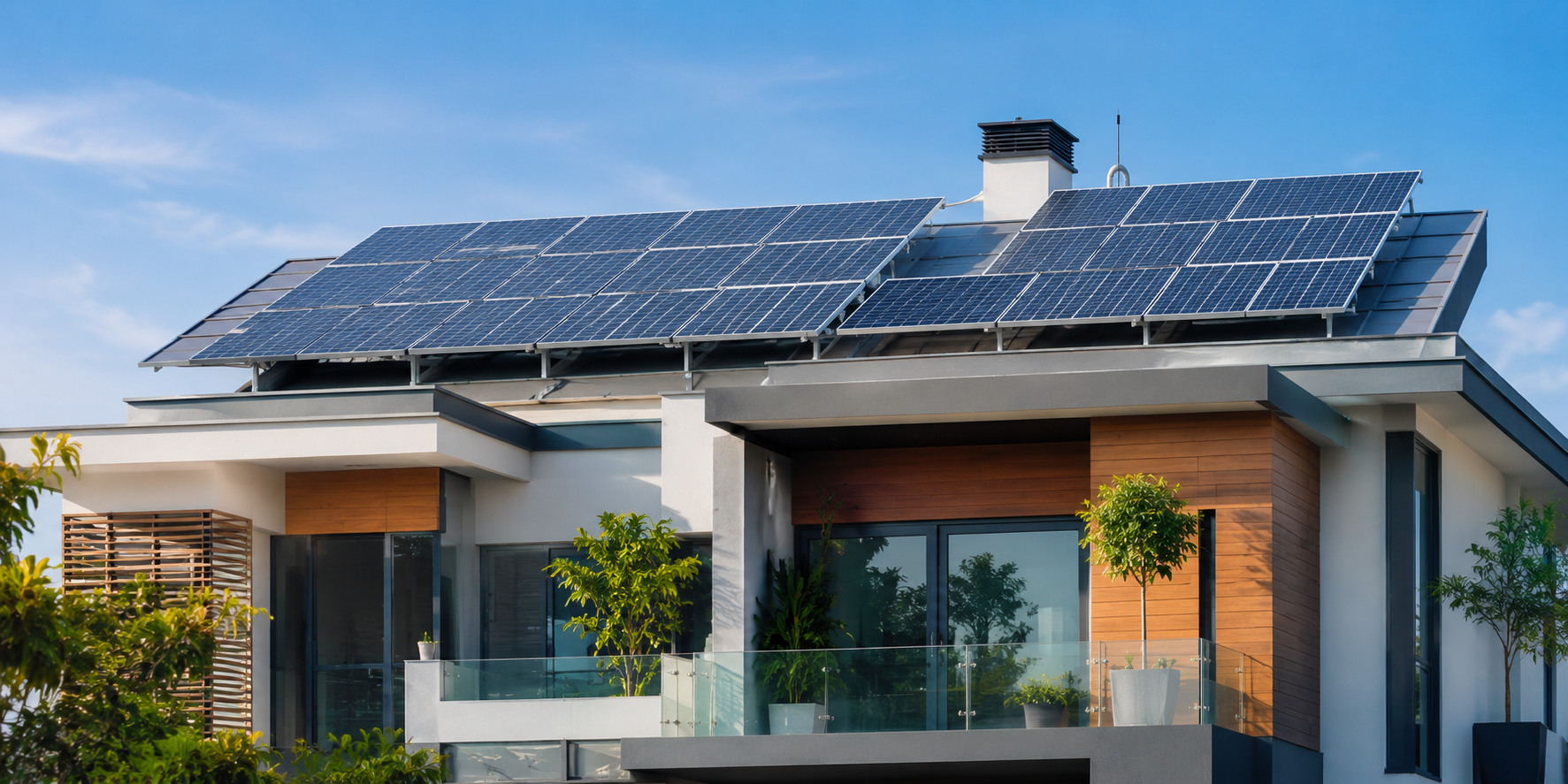
Solar Panel technology is changing the way modern homes use electricity. From reducing monthly power bills to supporting a cleaner environment, solar energy has become one of the smartest investments for homeowners in 2026.
Today, many Indian families and businesses are choosing rooftop solar systems because they offer long-term savings and energy independence. Moreover, improved technology and government support have made solar power more affordable than ever before.
A well-designed solar setup not only lowers electricity costs but also increases property value. In addition, modern solar systems require less maintenance and can work efficiently for decades.
Why Solar Panel Systems Are Growing Fast
The demand for renewable energy is increasing rapidly across the world. Rising electricity prices and environmental concerns are encouraging people to switch toward sustainable energy solutions.
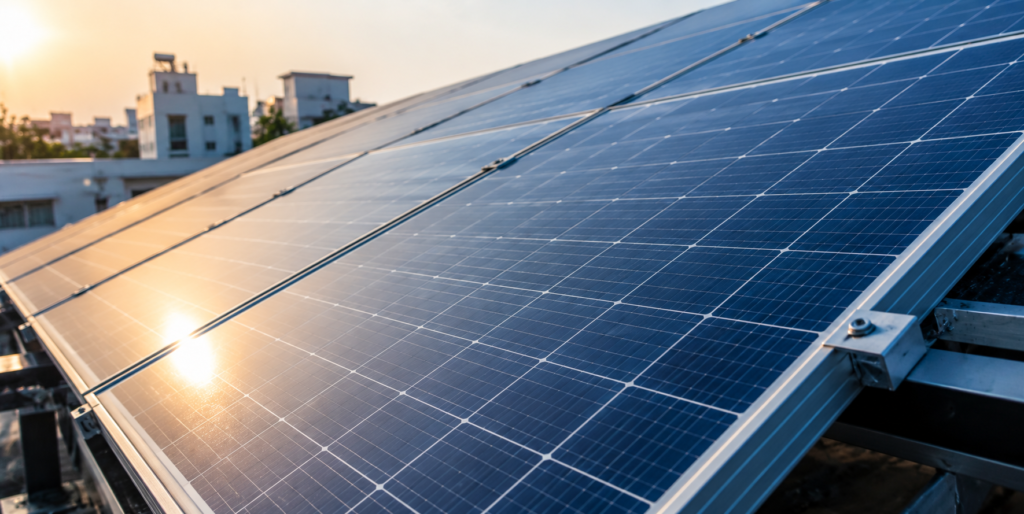
A Solar Panel converts sunlight into usable electricity through photovoltaic cells. As a result, homeowners can generate their own power during daytime hours. This reduces dependency on traditional electricity sources.
In India, solar adoption is especially growing in urban homes, commercial buildings, and industrial projects. Government incentives and net metering policies are also helping users recover installation costs faster.
Growing Awareness About Clean Energy
People are becoming more aware of climate change and pollution. Therefore, many families now prefer energy-efficient solutions that reduce carbon emissions.
Solar power is clean, renewable, and environmentally friendly. Unlike fossil fuels, it does not produce harmful gases during electricity generation.
How a Solar Panel Works
Understanding how solar energy works is easier than most people think. Solar panels absorb sunlight using photovoltaic cells made from semiconductor materials.
When sunlight hits these cells, electrons start moving and create direct current electricity. After that, an inverter converts it into alternating current that powers household appliances.
Main Components of a Solar System
| Component | Function |
|---|---|
| Solar Panels | Capture sunlight and generate electricity |
| Inverter | Converts DC power into usable AC power |
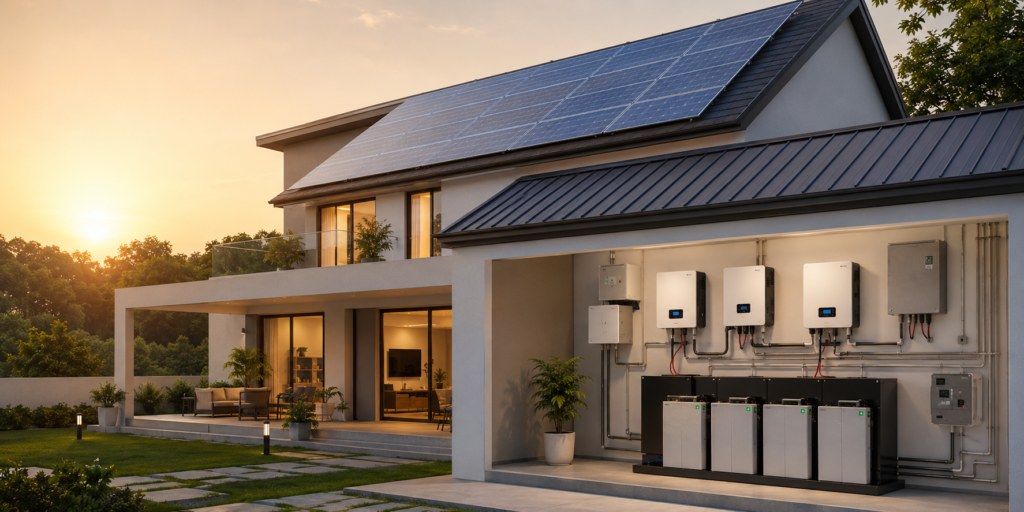
| Battery Storage | Stores extra electricity for later use |
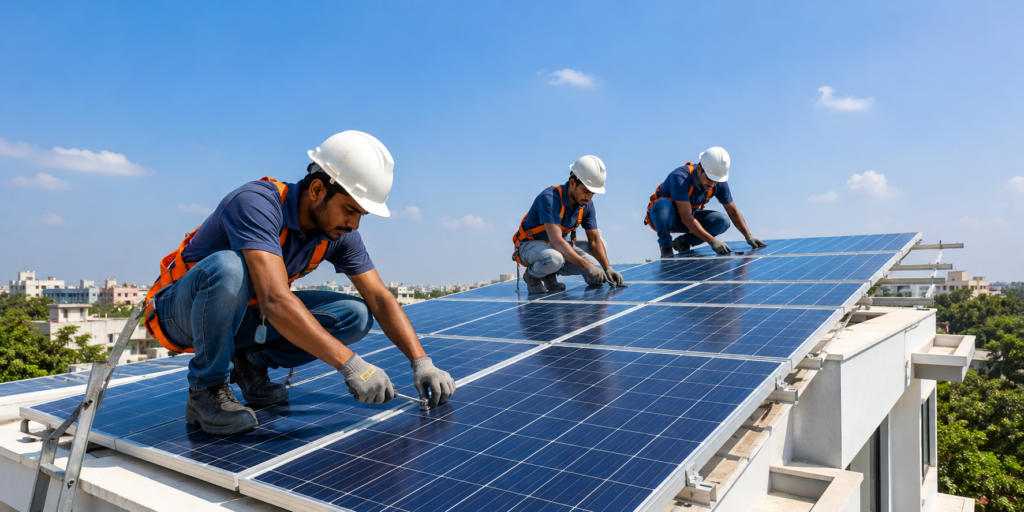
| Mounting Structure | Holds panels securely on rooftops |
| Net Meter | Tracks energy usage and export |
Modern systems are designed for high efficiency and long-term durability. Most quality panels can last between 20 and 25 years with proper maintenance.
Top Benefits of Solar Energy
Solar technology offers several practical advantages for homeowners and businesses. These benefits go beyond just reducing electricity bills.
Lower Electricity Bills
One of the biggest reasons people install a Solar Panel system is cost savings. Generating your own electricity reduces dependence on grid power.
Over time, monthly savings can become significant, especially in areas with high electricity rates.
Eco-Friendly Energy Source
Solar energy is one of the cleanest forms of electricity production. It helps reduce greenhouse gas emissions and supports environmental sustainability.
As more homes adopt renewable energy, overall pollution levels can decrease significantly.
Increased Property Value
Homes equipped with solar systems often attract higher market value. Buyers appreciate properties with lower electricity costs and energy-efficient infrastructure.
Low Maintenance Requirements
Most solar systems require minimal maintenance. Regular cleaning and occasional inspections are usually enough to maintain good performance.
Moreover, many manufacturers provide long-term warranties for reliability and peace of mind.

Types of Solar Panel Systems
Choosing the right system depends on budget, electricity usage, and location. Different solar setups are available for residential and commercial use.
On-Grid Solar System
This type is connected directly to the electricity grid. It is one of the most popular options because it allows users to export extra electricity through net metering.
Off-Grid Solar System
Off-grid systems work independently without relying on utility power. These setups usually include battery storage for backup energy.
They are useful in remote areas where grid electricity is unavailable.
Hybrid Solar System
Hybrid systems combine battery storage with grid connectivity. As a result, users get both energy backup and electricity savings.
This option is becoming increasingly popular in modern smart homes.
Cost and Savings Comparison
The initial installation cost of solar systems may appear high. However, long-term savings often outweigh the investment.
Factors affecting pricing include panel quality, system capacity, inverter type, and installation complexity.
Many homeowners recover their investment within a few years through reduced electricity bills. After that, generated electricity becomes nearly free for the remaining lifespan of the system.
Additionally, government subsidies and financing options make solar systems more affordable for middle-class families.
Is Solar Worth It in 2026?
In most cases, yes. Rising energy prices and improved solar efficiency are making renewable energy a financially smart decision.
Furthermore, advancements in battery technology are improving backup performance and energy storage capabilities.
Important Factors Before Installation
Before installing a Solar Panel system, homeowners should evaluate several important factors.
Roof Condition and Space
The rooftop should receive sufficient sunlight throughout the day. Shade from trees or nearby buildings can reduce efficiency.
Strong roof structure and proper orientation also improve power generation.
Energy Consumption Needs
Understanding monthly electricity usage helps determine the right system size. Installing a properly sized setup ensures better efficiency and savings.
Quality of Equipment
High-quality solar panels and inverters provide better performance and durability. Therefore, choosing trusted manufacturers is essential.
Professional installation also plays a major role in long-term system reliability.

Future of Solar Technology
Solar innovation is improving rapidly every year. Researchers are developing more efficient panels with higher electricity output and better weather resistance.
Smart energy management systems are also making solar setups more intelligent and user-friendly.
In the future, solar roofs, transparent panels, and AI-powered energy optimization may become common in modern homes.
As renewable energy adoption grows globally, solar power is expected to become one of the leading electricity sources worldwide.
Conclusion
Solar Panel systems are becoming an essential part of modern energy solutions. They help homeowners save money, reduce environmental impact, and achieve greater energy independence.
With improving technology, lower installation costs, and growing awareness about renewable energy, solar power is now more practical than ever. Whether for residential or commercial use, investing in solar energy can provide long-term financial and environmental benefits.
Most high-quality solar panels last between 20 and 25 years. Regular cleaning and maintenance help maintain their efficiency over time.
Yes, solar panels still generate electricity during cloudy conditions. However, power production may be lower compared to bright sunny days.
The initial cost can vary depending on system size and quality. However, long-term electricity savings often make it a cost-effective investment.
