
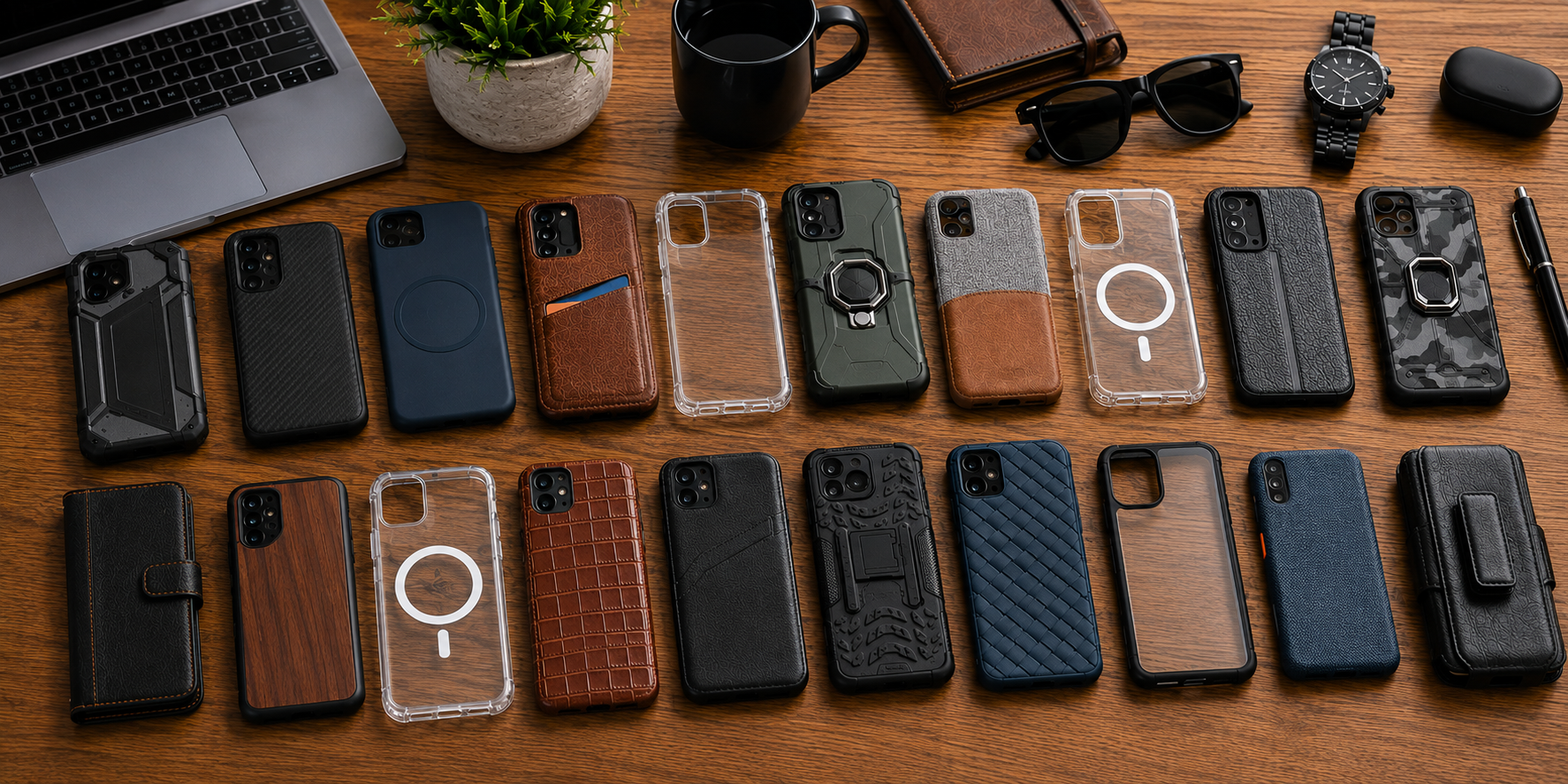
A phone cover is more than a simple accessory. It protects your smartphone from everyday scratches, improves grip, and can also change the way your device looks and feels in your hand. With so many materials, designs, and protection levels available, choosing the right one can sometimes be confusing.
The best option depends on how you use your phone. Someone working in an office may prefer a slim and elegant case, while a frequent traveler may need stronger protection. Therefore, it is important to compare style, durability, comfort, and value before buying.
Why Choosing the Right Phone Cover Matters
Your smartphone goes almost everywhere with you. It sits on desks, travels in bags, stays in pockets, and is frequently handled throughout the day. A good case creates a protective layer against everyday scratches, minor impacts, and accidental slips.
However, maximum protection is not always the best choice. A very thick case can add unnecessary bulk, while an extremely thin one may provide limited protection. The ideal balance is a design that matches your routine without making your phone uncomfortable to carry.

Best Phone Cover Types to Consider
Clear Covers
Clear cases are a practical choice for people who want to show the original color and design of their smartphone. They are simple, versatile, and suitable for office, college, and everyday use.
When buying one, check for reinforced corners, raised edges, and a secure fit. A slightly textured frame can also improve grip. For buyers who like minimal accessories, this style offers a clean appearance without unnecessary bulk.
Slim Covers
Slim covers are designed for users who want lightweight protection and easy handling. They usually add less thickness, making the phone easier to slide into a pocket or small bag.
This type works particularly well for office professionals and casual users. Matte finishes and subtle colors can also create a polished appearance without making the device look oversized.

Rugged Covers
Rugged cases are better suited to people who are outdoors frequently, travel often, or have a higher chance of dropping their phone. Reinforced corners, stronger frames, raised lips, and multi-layer construction can provide greater protection.
The main downside is size. A heavy-duty case may feel bulky, so check its weight and grip before choosing one. Good protection should still allow comfortable access to buttons, charging ports, and the camera.
Premium and Leather-Style Covers
Premium cases focus on appearance, material quality, and a more refined feel. Leather-style finishes, textured materials, clean stitching, and minimalist designs can make a smartphone look more sophisticated.
These covers are especially useful for business settings, formal events, or users who want their accessories to match their personal style. Still, appearance should not replace practical protection.
How to Choose Based on Your Lifestyle
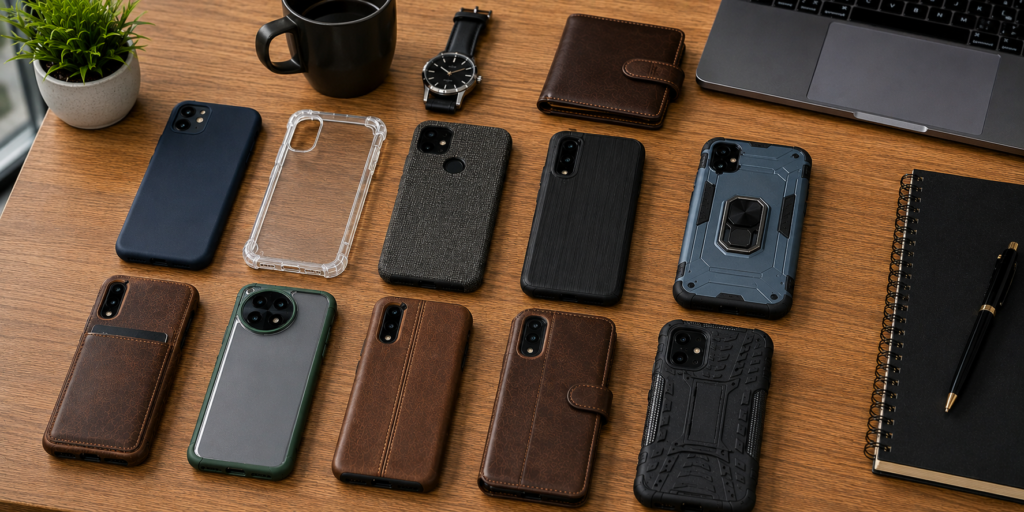
Your daily routine should guide your purchase. For normal home and office use, a slim or clear option may provide enough protection. Frequent travelers and outdoor users can benefit from rugged construction. Meanwhile, buyers who care strongly about appearance may prefer premium finishes.
Phone size also matters. A case should fit tightly without blocking the camera, speakers, microphone, or charging port. Always confirm the exact smartphone model because similar-looking devices can have different dimensions.
Features That Improve Everyday Value
Look for features that solve real problems instead of simply adding decoration. Raised camera and screen edges can offer extra protection when the phone is placed on a flat surface. Reliable button covers can preserve the original button feel, while textured sides can make the device easier to hold.
Magnetic compatibility, card slots, kickstands, and wrist straps can also be useful for specific users. However, every extra feature can increase size and weight. Therefore, choose only the features that you are likely to use regularly.
Phone Cover Comparison Table
| Type | Protection | Style | Thickness | Best For |
|---|---|---|---|---|
| Clear | Basic–Medium | Minimal | Slim | Everyday use |
| Slim | Basic–Medium | Clean | Very Slim | Office and casual use |
| Rugged | High | Practical | Thick | Travel and outdoor use |
| Leather-style | Medium | Premium | Medium | Business and formal use |
| Magnetic | Medium–High | Modern | Medium | Accessory users |
How to Maintain Your Phone Cover
Even a durable phone cover needs regular cleaning. Dust can collect around the corners, camera opening, and inner surface, potentially causing marks over time. Remove the case occasionally and clean both the phone and cover with a soft cloth.
Also inspect the case for cracks, stretched corners, loose edges, or damaged buttons. If the material has deteriorated, replacing it is safer than continuing to rely on worn protection.

Conclusion
Choosing a phone cover becomes easier when you focus on how you actually use your smartphone. Slim and clear designs suit everyday users, rugged cases offer stronger protection, and premium styles can provide a more refined appearance. Compare protection, comfort, materials, features, and price before making your final decision. The right phone cover should protect your device while also fitting naturally into your lifestyle.
A slim or clear cover is usually suitable for regular home, office, and casual use. Choose a more rugged design when your phone faces frequent drops, travel, or outdoor activity.
They can be worthwhile when material quality, appearance, comfort, and finish matter to you. However, always compare their protection and durability rather than choosing based on appearance alone.
Consider your phone model, daily routine, protection needs, preferred style, and budget. A good case should fit securely, maintain easy access to ports and buttons, and feel comfortable to use.
