

Korean sunscreen has become a popular choice for people who want reliable daily UV protection without a heavy or greasy feeling. Modern formulas often combine sun protection with hydrating and skin-comforting ingredients, making them easy to fit into a regular skincare routine.
However, the best formula is not the same for everyone. Oily skin may prefer a lightweight finish, while dry skin often benefits from added moisture. Sensitive skin usually needs a simpler, comfortable formula that does not cause irritation.
Why Korean Sunscreen Is Popular
One reason Korean formulas stand out is their cosmetic elegance. Many products are designed to spread easily and sit comfortably on the skin, which can make consistent daily use easier.
For people living in warm or humid conditions, texture becomes especially important. A sunscreen that feels comfortable during a commute, office day, shopping trip, or outdoor lunch is more likely to become a lasting part of the routine.
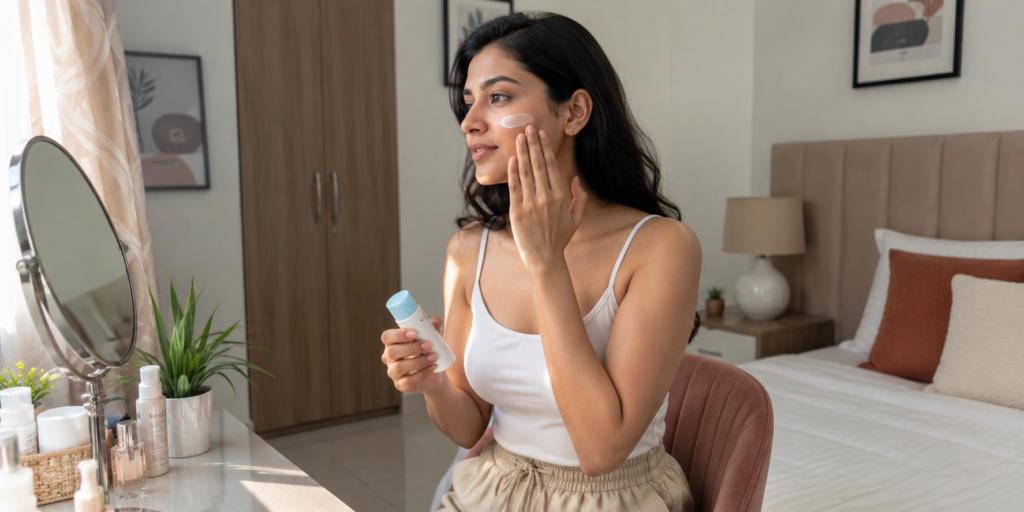
Best Korean Sunscreen for Oily, Dry & Sensitive Skin
Choosing the right Korean sunscreen starts with understanding your skin rather than following trends.
For Oily Skin
Look for lightweight gel, fluid, serum, or lotion textures. A natural or soft-matte finish can feel more comfortable when your forehead and nose become shiny during the day.
Avoid choosing a product only because it says “light.” Check how it behaves after moisturizer and whether it pills when layered with makeup.
For Dry Skin
Dry skin often feels better with a moisturizing sunscreen. Ingredients such as hyaluronic acid, glycerin, panthenol, and ceramide-focused formulas can support a comfortable finish.
A creamier or dewy sunscreen can also work well when the skin tends to feel tight after cleansing.
For Sensitive Skin
Sensitive skin needs more careful selection. A short, gentle routine is often easier to manage than layering many active products under sunscreen.
Patch testing a new product can help you identify potential problems before applying it to the entire face.

How to Choose the Right SPF
For everyday face protection, SPF 30 or higher is a practical starting point, while SPF 50+ is widely preferred for stronger routine protection. SPF primarily relates to UVB protection, while PA ratings indicate UVA protection in the Korean labeling system.
For commuting, outdoor errands, travel, or extended daytime exposure, look beyond the number on the front. Application amount and reapplication are just as important as the labeled SPF.
Ingredients Worth Checking
Ingredients can help you decide which formula matches your routine. Hydrating ingredients may suit dry skin, while lightweight textures are often preferred by oily or combination skin.
You may also see soothing ingredients such as centella asiatica or panthenol in Korean formulas. However, a long ingredient list does not automatically mean a better sunscreen. The overall formula, skin compatibility, and comfort should guide your decision.
| Skin Type | Texture to Consider | Useful Features | Finish |
|---|---|---|---|
| Oily | Gel, fluid, serum | Lightweight, quick-setting | Natural or soft matte |
| Dry | Cream, moisturizing lotion | Hydrating ingredients | Dewy or natural |
| Sensitive | Gentle lotion or cream | Soothing, simple formula | Natural |
| Combination | Lightweight lotion | Balanced hydration | Natural |
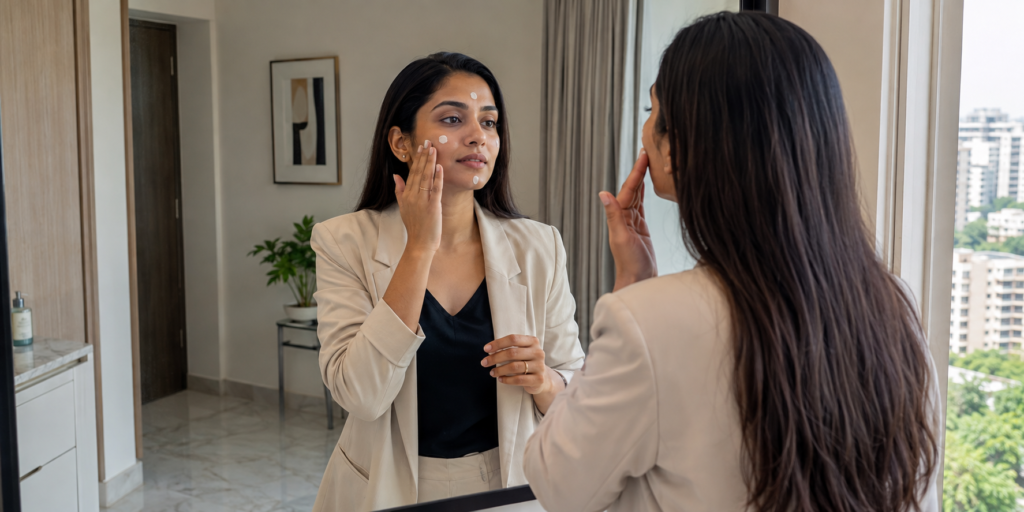
How to Apply Sunscreen Correctly
Even a high-quality Korean sunscreen cannot provide its labeled protection when too little is used. Apply a generous, even layer over the face, neck, and other exposed areas.
Apply sunscreen as the final step of your morning skincare routine. Give it a little time to settle before makeup or heading outdoors. When you spend several hours outside, reapplication becomes important, especially after sweating, wiping the face, or other activities that remove the product.

Common Buying Mistakes
A common mistake is choosing sunscreen only from social media popularity. A viral product may be excellent, but your skin type and daily environment still matter more.
Another mistake is buying based on SPF alone. Texture, finish, ingredient preferences, product authenticity, and how well the sunscreen fits your routine all affect whether you will use it consistently.
Finally, always check the current packaging and source when buying imported skincare. Different markets can have different versions, labels, or availability.
Final Verdict
The best Korean sunscreen is the one that gives dependable daily protection while feeling comfortable enough to use consistently. Oily skin may prefer a lighter finish, dry skin often benefits from more hydration, and sensitive skin should focus on comfort and formula simplicity.
Before buying, compare the SPF and PA rating, texture, ingredients, finish, and your own daily routine. With the right match, Korean sunscreen can become one of the easiest and most useful steps in your morning skincare routine.
Yes. Many Korean formulas are available in lightweight gel, serum, and lotion textures. Choose a formula that feels comfortable and does not leave your skin excessively greasy.
SPF 30 or higher is a practical daily choice, while SPF 50+ can provide a higher level of protection. Reapplication and using enough product remain important.
Yes. Lightweight formulas often work well under makeup. Let the sunscreen settle first, then apply your makeup gently to reduce pilling.
