

Foundation for oily skin can make the difference between makeup that lasts all day and makeup that starts melting within a few hours. If your face becomes shiny soon after applying makeup, choosing the wrong foundation could be the main reason. Oily skin naturally produces excess sebum, which often causes foundation to separate, fade, or settle into pores. However, selecting the right formula and using proper application techniques can help you achieve a smooth, fresh, and long-lasting finish.
Today’s beauty market offers countless foundation options, making it difficult to know which one is truly suitable for oily skin. Some products promise a matte finish but feel heavy, while others provide lightweight coverage yet fail to control oil. Understanding your skin’s needs before making a purchase will save both time and money. This guide explains everything you need to know, from choosing the right formula to avoiding common buying mistakes.
Why Choosing the Right Foundation Matters
People with oily skin often believe that applying more powder is the solution to controlling shine. In reality, the right foundation plays a much bigger role. A foundation specially designed for oily skin controls excess oil, minimizes visible pores, and keeps makeup looking fresh for longer.
Oil-free and non-comedogenic formulas are usually the safest choices because they provide coverage without clogging pores. Many modern foundations also contain oil-absorbing ingredients that help reduce shine throughout the day while maintaining a natural appearance.

What Makes the Best Foundation for Oily Skin?
Selecting the right foundation is not only about choosing a trusted brand. The ingredients and formula determine how well the product performs on oily skin.
Ingredients That Work Best
When shopping for a foundation, look for products containing ingredients that help control oil without making the skin feel dry.
Some of the most effective ingredients include:
- Silica to absorb excess oil.
- Kaolin clay for a smooth matte finish.
- Niacinamide to balance oil production.
- Water-based formulas that feel lightweight.
- Non-comedogenic ingredients that reduce clogged pores.
These ingredients help keep makeup fresh while allowing the skin to breathe comfortably.
Ingredients You Should Avoid
Not every foundation is suitable for oily skin. Heavy creams and oil-rich formulas often make makeup slide off much faster.
Avoid products containing excessive mineral oils or thick moisturizing ingredients if your skin becomes greasy quickly. Highly fragranced formulas may also irritate sensitive skin. Before buying a new foundation, testing it on your jawline in natural daylight is always a smart decision.
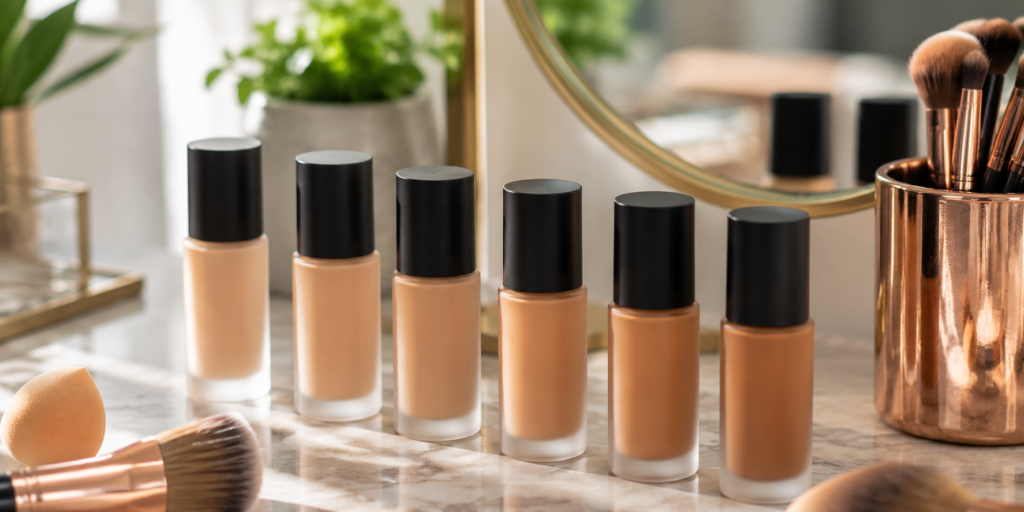
Types of Foundation for Oily Skin
Different foundation formulas offer different levels of coverage and finish. Choosing the right one depends on your daily routine and makeup preferences.
| Foundation Type | Finish | Coverage | Best For |
|---|---|---|---|
| Liquid Matte | Matte | Medium to Full | Daily wear |
| Powder Foundation | Matte | Light to Medium | Quick touch-ups |
| Stick Foundation | Semi-Matte | Full | Spot coverage |
| Serum Foundation | Natural Matte | Light | Everyday natural makeup |

Tips for Long-Lasting Makeup
Getting the most from your foundation for oily skin starts with proper preparation. Wash your face with a gentle cleanser to remove excess oil, then apply a lightweight, oil-free moisturizer to keep your skin balanced. Before foundation, use a mattifying primer on the T-zone to reduce shine and blur pores.
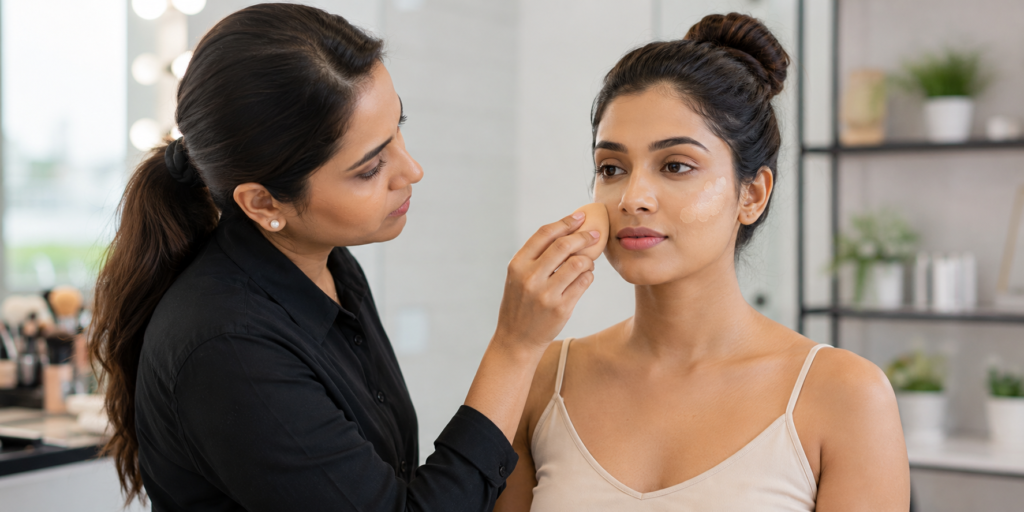
Apply foundation in thin layers using a damp makeup sponge or foundation brush instead of using too much product at once. Build coverage only where needed for a natural finish. Finally, set your makeup with translucent powder and finish with a setting spray for extra staying power. Throughout the day, use blotting papers to absorb excess oil without disturbing your makeup.
Common Mistakes to Avoid
Many people buy an expensive foundation for oily skin but still don’t get good results because of small application mistakes. Avoid these common errors for a smoother, longer-lasting makeup look.
Choosing the Wrong Formula
A dewy or cream-based foundation may increase shine on oily skin. Always choose an oil-free, matte, or soft-matte formula for better oil control.
Applying Too Much Foundation
Using a thick layer makes makeup look cakey and causes it to break down faster. Apply a thin layer first and build coverage only where needed.
Skipping Primer
Primer helps blur pores and creates a smooth base. Without it, foundation is more likely to fade or become patchy during the day.
Using the Wrong Shade
Never test foundation on your wrist. Instead, apply it along your jawline and check the shade in natural daylight for the most accurate match.
Not Cleaning Makeup Tools
Dirty brushes and sponges collect oil, bacteria, and old makeup residue. Clean them at least once a week to achieve smoother application and healthier skin.
Final Thoughts
Choosing the right foundation for oily skin doesn’t have to be difficult. Focus on an oil-free, non-comedogenic formula with a matte finish that matches your skin type and tone. Pair it with a simple skincare routine, a good primer, and the right application technique for the best results.
With the right product and a few smart makeup habits, you can enjoy a fresh, shine-free look that lasts for hours. Invest in a quality foundation for oily skin, avoid common mistakes, and your makeup will stay smooth, comfortable, and natural-looking throughout the day.
Yes. Liquid foundations specifically formulated for oily skin provide lightweight coverage, control excess oil, and deliver a natural matte finish without feeling heavy.
Cleanse your skin, apply an oil-free moisturizer, use a mattifying primer, set your foundation with translucent powder, and use blotting papers during the day instead of adding more powder.
A matte or soft-matte finish is generally the best option because it reduces shine, minimizes the appearance of pores, and helps makeup stay fresh for longer.
