

Oily skin is one of the most common skin concerns, especially in humid weather and polluted environments. Many people struggle with excess shine, clogged pores, acne breakouts, and makeup that fades quickly throughout the day. However, managing oily skin becomes much easier when you follow the right skincare routine and understand what your skin actually needs.
Contrary to popular belief, oily skin does not need harsh treatments or excessive washing. In fact, over-cleansing can make your skin produce even more oil. A balanced approach with gentle products, hydration, and consistency helps maintain healthy and fresh-looking skin.
This guide explains practical skincare habits, product tips, and daily routines that can help control oil production naturally while keeping your skin smooth and glowing.
Understanding Oily Skin
Oily skin happens when sebaceous glands produce excess sebum. Sebum is a natural oil that protects and moisturizes the skin. However, too much oil can clog pores and lead to acne, blackheads, and greasy skin texture.
People with oily skin usually notice shine around the forehead, nose, and chin area. This is commonly called the T-zone. During summer, humidity and sweat can increase oil production even further.
Although oily skin can feel frustrating, it also has one benefit. Skin with natural oils often ages slower compared to dry skin because moisture helps maintain elasticity.

Common Causes of Excess Oil
Several factors contribute to oily skin. Genetics is one of the biggest reasons. If your parents have oily skin, you may naturally experience similar skin behavior.
Hormonal changes also affect oil production. Teenagers and young adults often experience oily skin due to hormonal fluctuations. Stress, lack of sleep, and unhealthy eating habits can make the condition worse.
In addition, using the wrong skincare products may strip natural moisture from the skin. As a result, your skin reacts by producing more oil to compensate for dryness.
Climate also plays an important role. Hot and humid weather increases sweating and sebum production, especially in Indian summers.
Daily Morning Routine for Oily Skin
A proper morning routine helps control shine and prepares the skin for the entire day.
Use a Gentle Cleanser
Start your day with a mild face wash designed for oily skin. Avoid harsh soaps because they can damage the skin barrier. A gentle cleanser removes overnight oil buildup without causing irritation.
Apply a Lightweight Toner
Alcohol-free toners help refresh the skin and minimize the appearance of pores. Ingredients like niacinamide and green tea work well for balancing oily skin.
Choose an Oil-Free Moisturizer
Many people skip moisturizer because they think oily skin does not need hydration. However, dehydrated skin can produce even more oil. Therefore, use a lightweight gel-based moisturizer that absorbs quickly.
Never Skip Sunscreen
Sunscreen protects your skin from tanning, pigmentation, and premature aging. Choose a matte-finish sunscreen with non-comedogenic ingredients to avoid clogged pores.
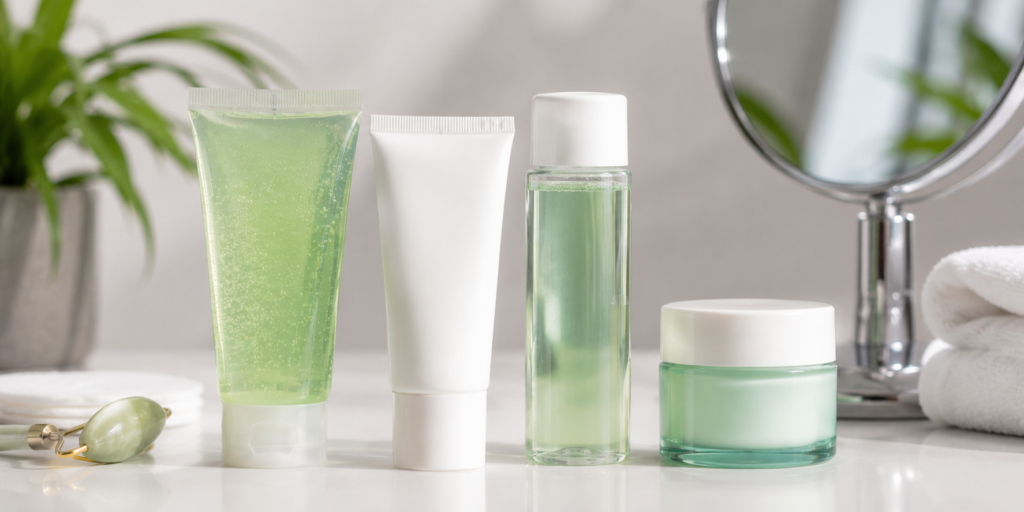
| Skincare Step | Recommended Product Type | Main Benefit |
|---|---|---|
| Cleansing | Gel-based face wash | Removes excess oil |
| Toning | Alcohol-free toner | Refreshes skin |
| Moisturizing | Lightweight gel moisturizer | Maintains hydration |
| Sun Protection | Matte sunscreen SPF 30+ | Prevents sun damage |
Night Skincare Routine
Nighttime skincare is equally important because your skin repairs itself while you sleep.
Remove Dirt and Pollution
If you wear makeup or sunscreen, double cleansing can help remove impurities effectively. Start with micellar water and follow with a gentle cleanser.
Use Treatment Serums
Serums containing salicylic acid or niacinamide can help reduce acne and control oil production. Apply only a small amount to avoid irritation.
Hydrate Before Sleeping
Hydration helps maintain healthy skin balance overnight. A lightweight moisturizer with hyaluronic acid can keep the skin soft without making it greasy.
Change Pillow Covers Regularly
Dirty pillowcases collect oil and bacteria, which can trigger breakouts. Therefore, changing pillow covers every few days helps maintain cleaner skin.

Best Ingredients for Oily Skin
Choosing the right ingredients can improve oily skin significantly. Some skincare ingredients help control sebum while calming irritation.
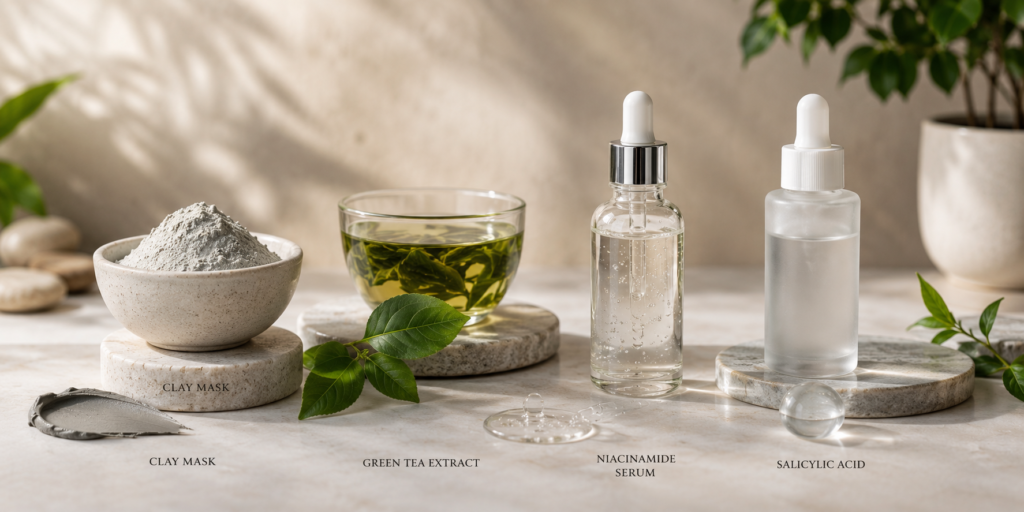
Niacinamide
Niacinamide helps regulate oil production and improves skin texture. It also reduces redness and minimizes visible pores.
Salicylic Acid
Salicylic acid penetrates deep into pores and removes excess oil buildup. It is highly effective for acne-prone skin.
Clay
Clay masks absorb excess oil and detoxify pores. Using a clay mask once or twice a week can refresh oily skin naturally.
Hyaluronic Acid
Even oily skin needs hydration. Hyaluronic acid provides moisture without leaving a heavy or greasy feeling.
Green Tea Extract
Green tea contains antioxidants that soothe inflammation and reduce excess shine.
Foods and Habits That Affect Skin Health
Healthy skin starts from within. Your lifestyle and eating habits directly affect oil production and skin appearance.
Drinking enough water keeps the skin hydrated and supports natural detoxification. Fresh fruits, vegetables, and antioxidant-rich foods improve skin health over time.
On the other hand, excessive sugary foods and oily fast food may trigger acne and inflammation in some people. Maintaining a balanced diet helps support clearer skin.
Sleep is another important factor. Poor sleep increases stress hormones, which may lead to more oil production and breakouts. Therefore, maintaining a healthy sleep schedule can improve your skin naturally.
Exercise also improves blood circulation and supports healthier-looking skin. However, cleansing your face after sweating is essential to prevent clogged pores.
Mistakes to Avoid With Oily Skin
Many people unknowingly damage their skin by following incorrect skincare practices.
Overwashing the Face
Washing your face too frequently strips natural oils and increases sebum production. Cleansing twice daily is usually enough.
Using Heavy Creams
Thick creams and oily makeup products can clog pores. Always choose lightweight and non-comedogenic formulas.
Skipping Moisturizer
Hydration is necessary for every skin type. Skipping moisturizer can actually worsen oily skin.
Touching the Face Frequently
Hands carry bacteria and dirt that can transfer onto the skin and trigger acne.
Trying Too Many Products
Using multiple active ingredients together may irritate the skin barrier. Introduce new products slowly and carefully.
Conclusion
Oily skin requires balance, consistency, and the right skincare choices rather than harsh treatments. A gentle cleansing routine, lightweight hydration, and oil-controlling ingredients can help maintain fresh and healthy skin throughout the day.
Understanding your skin type and avoiding common skincare mistakes are equally important. With proper care, oily skin can look naturally radiant, smooth, and youthful without excessive shine or breakouts.
Building healthy habits, choosing suitable products, and staying patient with your routine will help you achieve long-term skin improvement naturally.
Most dermatologists recommend washing oily skin twice daily. Overwashing may increase oil production and irritate the skin barrier.
Yes, oily skin still needs hydration. Lightweight gel-based moisturizers help maintain moisture balance without making the skin greasy.
Salicylic acid and niacinamide are highly effective for controlling oil, minimizing pores, and reducing acne breakouts.
