

Sensitive Skin requires extra attention because even small environmental changes or harsh products can trigger redness, dryness, or irritation. Many people unknowingly damage their skin barrier by following complicated beauty trends that do not suit delicate skin types. However, with the right routine and smart skincare choices, sensitive skin can look healthy, calm, and naturally radiant.
A gentle skincare approach is not about using fewer products only. Instead, it focuses on choosing the right ingredients, maintaining hydration, and protecting the skin from unnecessary stress. In this guide, you will discover practical ways to care for sensitive skin without making your routine complicated.
1. Understand What Triggers Sensitive Skin
Sensitive skin reacts differently for every person. Some experience irritation because of fragrances, while others notice redness due to pollution, weather changes, or strong skincare acids. Therefore, identifying personal triggers is one of the most important steps in managing skin sensitivity.
Many beauty products contain alcohol, synthetic fragrances, or harsh preservatives that weaken the skin barrier over time. In addition, stress, lack of sleep, and dehydration can also make sensitive skin more reactive.
The safest way to test a new product is by doing a patch test before applying it to the entire face. This simple habit can prevent irritation and help you understand what works best for your skin type.
2. Choose Gentle Cleansers Carefully
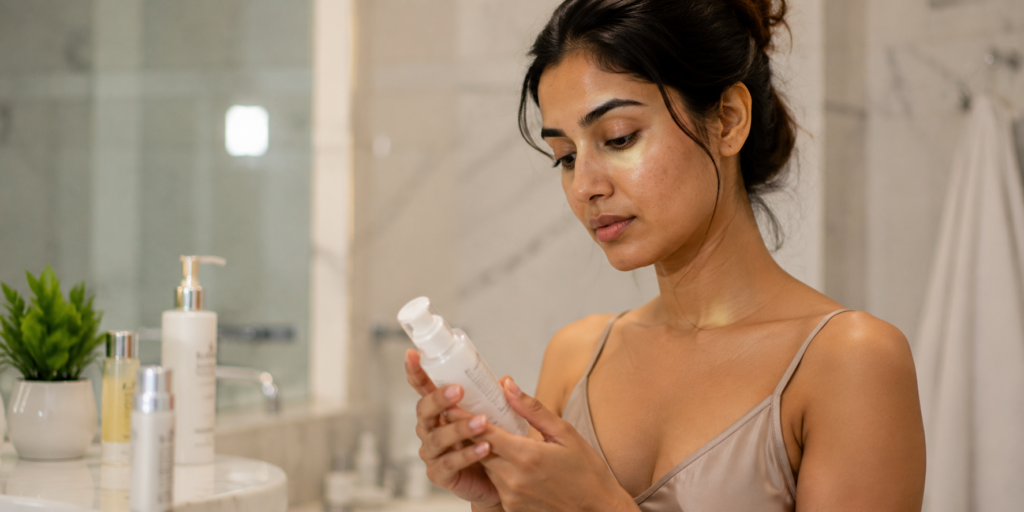
Cleansing is an essential part of every skincare routine, but harsh face washes can strip away natural oils and damage sensitive skin. A gentle cleanser removes dirt and excess oil without leaving the skin tight or dry.
Look for sulfate-free cleansers with calming ingredients such as aloe vera, chamomile, oat extract, or ceramides. These ingredients help maintain hydration while soothing irritation naturally.
People with sensitive skin should also avoid washing the face with extremely hot water. Lukewarm water is much safer because it protects the skin barrier and reduces redness.
Best Cleanser Features for Sensitive Skin
| Skin Concern | Recommended Ingredient | What to Avoid |
|---|---|---|
| Redness | Aloe Vera | Alcohol-based cleansers |
| Dryness | Ceramides | Sulfates |
| Irritation | Oat Extract | Artificial fragrance |
| Weak Skin Barrier | Hyaluronic Acid | Harsh scrubs |
3. Keep the Skin Barrier Hydrated
One of the biggest reasons sensitive skin becomes irritated is a damaged skin barrier. When the barrier loses moisture, the skin becomes dry, itchy, and more reactive to external factors.
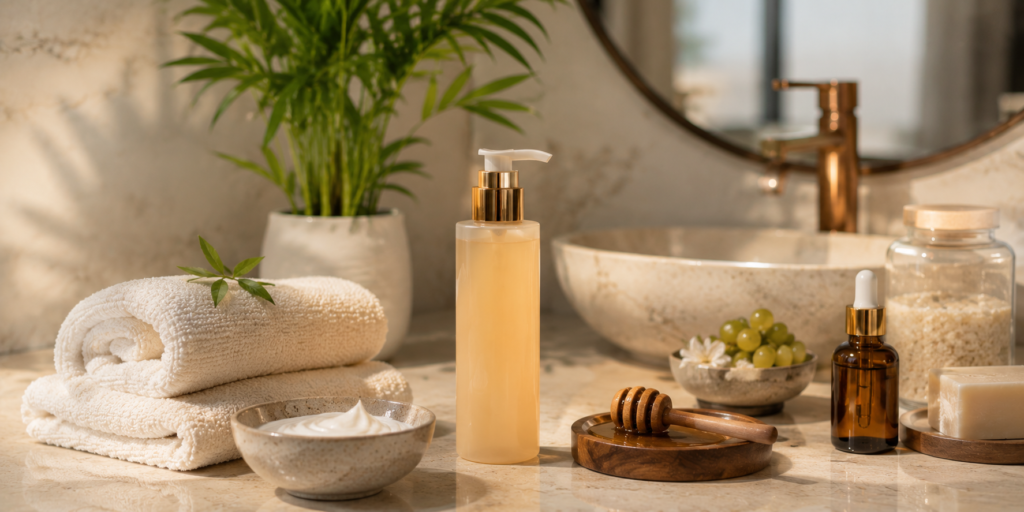
Hydration helps strengthen the barrier and improves overall skin comfort. Therefore, using a lightweight moisturizer with barrier-repair ingredients is extremely important.
Ingredients like ceramides, glycerin, squalane, and hyaluronic acid are excellent choices for maintaining hydration without feeling heavy. Moreover, applying moisturizer immediately after cleansing helps lock in moisture more effectively.
Drinking enough water and maintaining a healthy diet also support skin hydration from within. Foods rich in omega-3 fatty acids, fruits, and vegetables can improve skin health naturally.

4. Avoid Over-Exfoliation and Harsh Ingredients
Exfoliation can improve skin texture, but overdoing it often causes more harm than good for sensitive skin. Strong exfoliating acids or physical scrubs may weaken the skin barrier and increase inflammation.
Instead of daily exfoliation, sensitive skin usually benefits from gentle exfoliation once a week. Mild ingredients like lactic acid or polyhydroxy acids are generally safer options because they work more gently on the skin surface.
In addition, avoid using multiple active ingredients together. Combining retinol, vitamin C, and exfoliating acids in the same routine may overwhelm delicate skin.
A simple skincare routine often produces better long-term results than an aggressive routine filled with too many products.
5. Protect Sensitive Skin from Sun Damage
Sun exposure is one of the most common causes of redness and irritation in sensitive skin. UV rays weaken the skin barrier and may worsen dryness, inflammation, and uneven texture over time.
Therefore, sunscreen should be part of your daily skincare routine, even on cloudy days. Mineral sunscreens containing zinc oxide or titanium dioxide are usually better for sensitive skin because they are less likely to cause irritation.
Choose a lightweight sunscreen with SPF 30 or higher. Moreover, wearing sunglasses, hats, and protective clothing can further reduce skin sensitivity caused by sun exposure.
People often skip sunscreen because they fear breakouts or heaviness. However, modern formulations are much lighter and more comfortable for everyday use.

6. Build a Minimal and Consistent Routine
Sensitive skin usually responds best to consistency rather than constant experimentation. Frequently changing products can confuse the skin and trigger irritation.
A simple routine containing cleanser, moisturizer, and sunscreen is often enough for maintaining healthy skin. Once the skin barrier becomes stronger, you can slowly introduce additional treatments if needed.
Night routines should focus on repair and hydration instead of heavy active ingredients. In addition, getting proper sleep and reducing stress can significantly improve skin condition.
Consistency is what creates visible long-term results. Instead of chasing fast beauty trends, focus on habits that keep your skin balanced and comfortable every day.
Sensitive skin can improve significantly when the skin barrier becomes healthier. Proper hydration, gentle products, and avoiding triggers often reduce irritation over time.
Ceramides, aloe vera, hyaluronic acid, oat extract, and glycerin are considered safe and soothing for most sensitive skin types.
Most people with sensitive skin should exfoliate only once a week using mild exfoliating ingredients to avoid damaging the skin barrier.
