
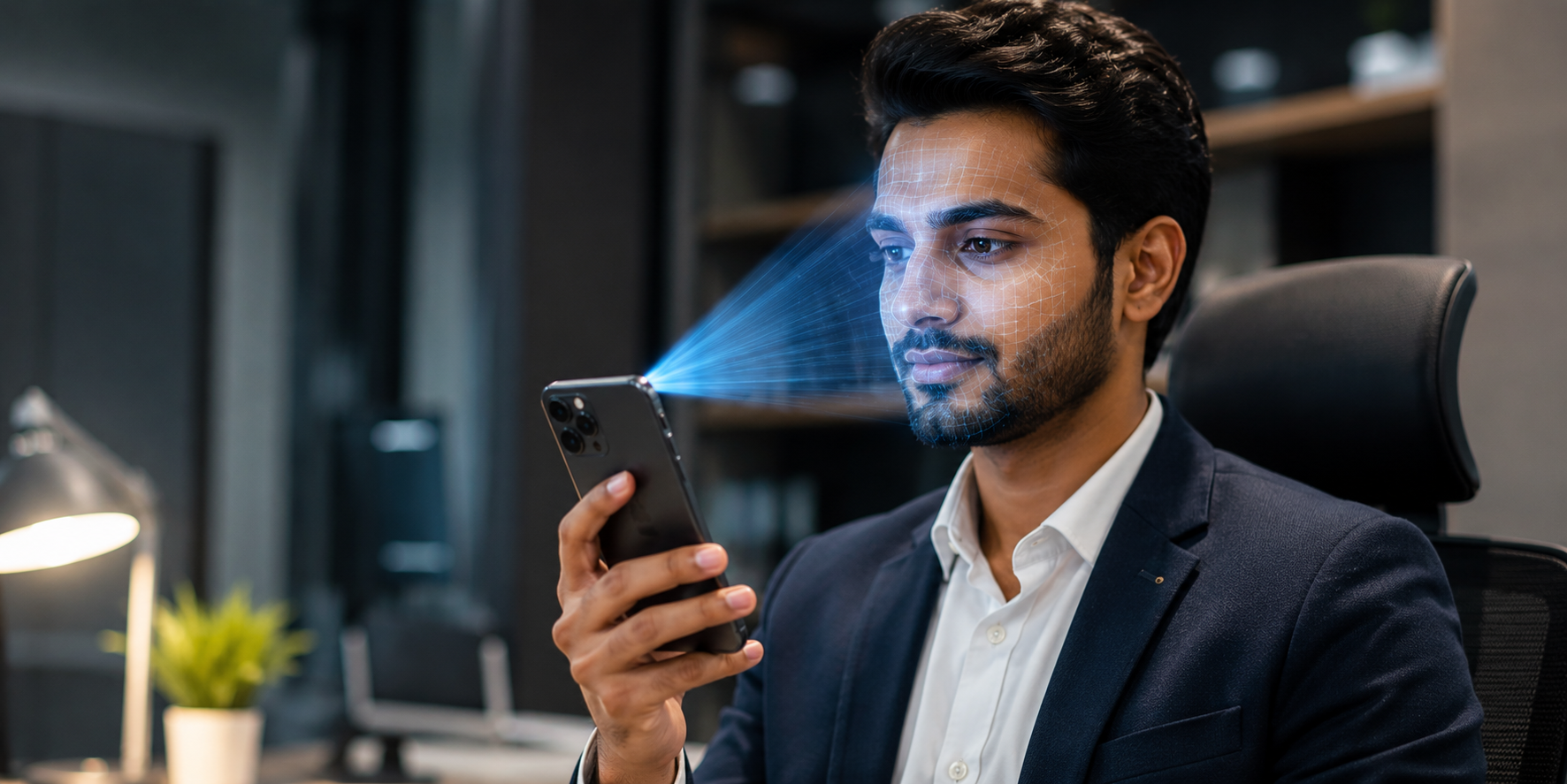
Face ID is one of the most advanced biometric technologies used in modern smartphones and digital devices today. Instead of entering passwords repeatedly, users can unlock devices instantly using facial recognition. This technology has transformed digital security, online payments, and identity verification in everyday life.
As smartphones become smarter, Face ID technology is also evolving rapidly. From banking apps to airport verification systems, facial recognition is now widely used across multiple industries. However, many people still want to understand how it works, whether it is secure, and how it protects personal privacy.
This guide explains the most important facts about Face ID technology in a simple and practical way.
What Is Face ID?
Face ID is a biometric authentication system that identifies users through facial recognition. It scans facial features such as eye position, nose shape, jawline structure, and facial depth to verify identity.
Unlike traditional passwords, biometric systems provide faster and more convenient access to digital devices. Modern smartphones use artificial intelligence and advanced sensors to recognize faces accurately, even in low-light conditions.
Today, Face ID is commonly used in smartphones, mobile banking applications, office security systems, and smart home devices.

How Face ID Technology Works
Face ID systems combine artificial intelligence, infrared technology, and machine learning to authenticate users securely.
Facial Mapping Process
When users set up Face ID, the device captures multiple facial angles and creates a mathematical facial map. This map contains unique biometric patterns that are difficult to duplicate.
The device stores encrypted biometric information securely and compares future scans with the original facial profile during authentication.
Modern AI systems can also adapt to appearance changes like:
- Growing a beard
- Wearing glasses
- Different hairstyles
- Makeup changes
This makes Face ID more flexible and user-friendly.
Infrared and Depth Sensors
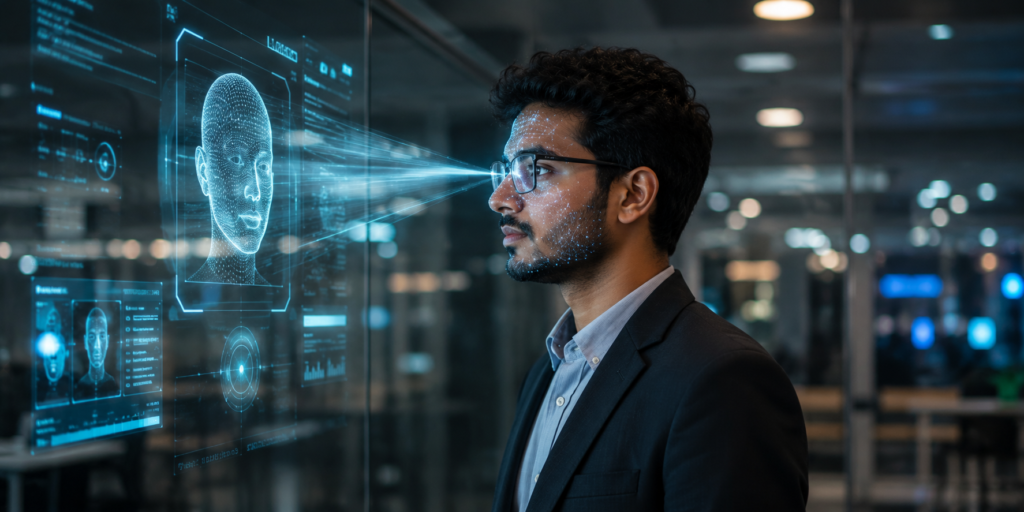
Most premium smartphones use infrared cameras and depth sensors for accurate recognition. These sensors create a 3D map of the user’s face instead of relying on a simple photograph.
Infrared technology helps Face ID work effectively in dark environments. In addition, depth sensors reduce the risk of spoofing attacks using printed images or videos.
The combination of hardware and AI software improves both security and speed.
Why Face ID Is More Secure Than Passwords
Traditional passwords are often weak because users create simple combinations that are easy to guess. Many people also reuse the same passwords across multiple platforms.
Face ID improves security because facial features are unique to every individual. Biometric authentication makes unauthorized access significantly more difficult.
Here are some major security benefits of Face ID:
| Security Feature | Advantage |
|---|---|
| Biometric Verification | Uses unique facial patterns |
| Faster Authentication | Unlocks devices within seconds |
| Encrypted Storage | Keeps biometric data secure |
| Anti-Spoofing Technology | Detects fake photos or masks |
| Touch-Free Access | Improves convenience and hygiene |
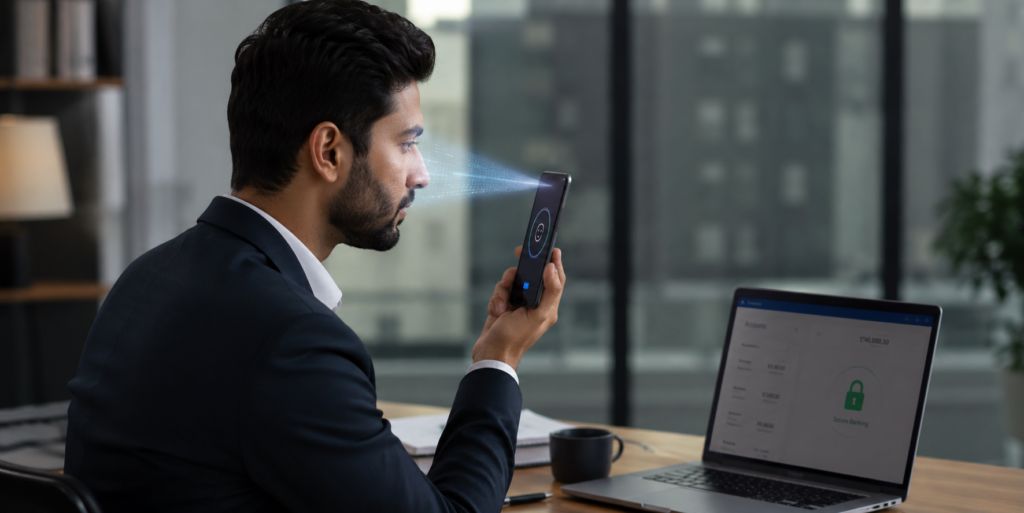
Another advantage is secure digital payments. Many banking apps now allow payment authorization using face authentication instead of passwords or PIN codes.
Businesses also use facial recognition systems to control office access and improve workplace security.
Face ID vs Fingerprint Authentication
Both face authentication and fingerprint authentication are widely used biometric security methods. However, each technology has strengths and weaknesses.
Fingerprint scanners are reliable and fast. They require smaller hardware components and are commonly available in budget smartphones. However, fingerprints may fail when fingers are wet, dirty, or damaged.
Face authentication offers a completely contactless experience. Users can unlock devices while carrying bags, wearing gloves, or multitasking.
Another important advantage is convenience in modern digital lifestyles. Users no longer need to physically touch sensors repeatedly throughout the day.
However, some users still prefer fingerprint authentication because it feels more familiar and gives direct physical confirmation during login.
Ultimately, the best option depends on personal preference and device quality.
Common Privacy Concerns About Face ID
Although face authentication offers strong security, privacy concerns continue to exist around facial recognition systems.
One major concern is biometric data protection. Users often worry about whether facial data is stored securely or shared with third parties. Most leading smartphone companies now store encrypted facial data locally on devices to improve privacy.
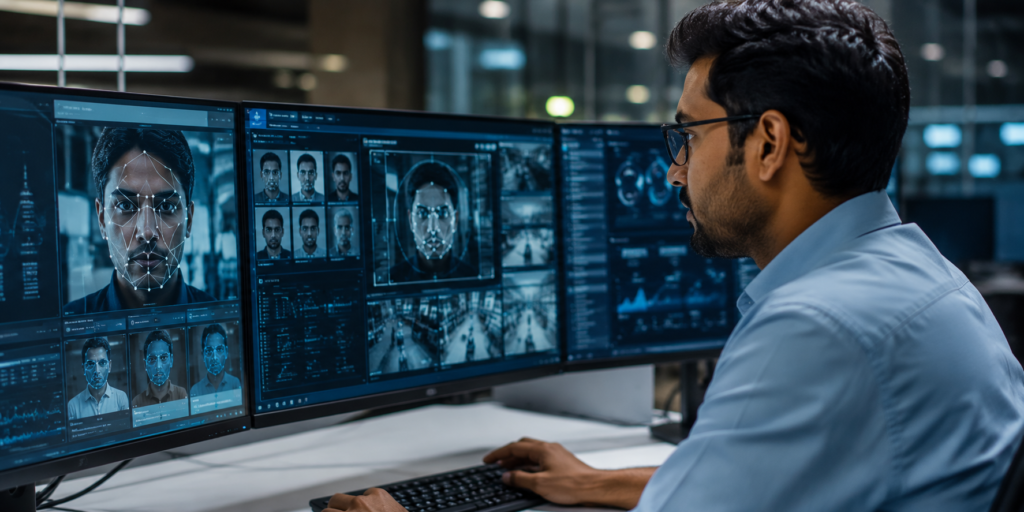
Another issue is public surveillance. Some governments and organizations use facial recognition systems in public places for monitoring purposes. This has created debates regarding ethics and user consent.
Modern face authentication systems also include anti-spoofing protection to reduce risks from fake photos, masks, or video attacks. However, cybersecurity experts still recommend using additional security layers.
To improve safety, users should:
- Use strong backup passwords
- Enable two-factor authentication
- Keep software updated regularly
- Avoid sharing unlocked devices
Industries Using Face Recognition Technology
Face ID technology is expanding rapidly beyond smartphones and consumer electronics.
Banking and Finance
Banks use biometric verification for secure transactions, customer authentication, and fraud prevention.
Airports and Travel
Many airports now use facial recognition systems for passenger verification and automated check-in processes.
Healthcare Sector
Hospitals use biometric systems to secure patient records and restrict unauthorized access to medical information.
Smart Homes and Offices
Modern smart homes integrate Face Identity-enabled security locks, while offices use facial recognition for employee attendance and access management.
The adoption of biometric technology is expected to increase significantly in the coming years.
Limitations of Face ID Systems
Despite its advantages, face authentication technology still has some limitations.
Certain factors can affect recognition accuracy, including:
- Poor sensor quality
- Extreme lighting conditions
- Heavy face coverings
- Rapid appearance changes
Additionally, older face unlock systems without depth sensors may be easier to bypass using photos.
Privacy regulations also vary between countries, which may impact how facial recognition technology is used globally.
Manufacturers continue improving AI algorithms and sensor technology to reduce these limitations.
The Future of Face ID Technology
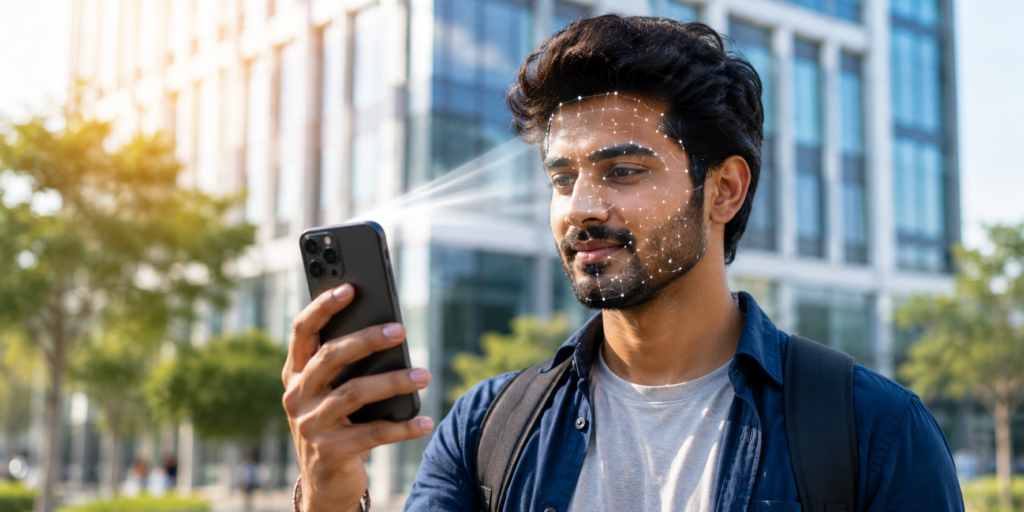
The future of face authentication technology looks highly advanced and AI-driven. Experts believe biometric authentication will soon replace many traditional passwords entirely.
Future innovations may include:
- Multi-device biometric ecosystems
- Advanced emotion recognition
- AI-powered fraud detection
- Smart city security integration
- Enhanced 3D facial mapping
Wearable devices and augmented reality systems may also integrate facial authentication in the future.
However, companies must balance innovation with ethical privacy practices. Users increasingly expect transparency regarding how biometric data is collected and protected.
As artificial intelligence improves, face authentication technology will likely become even faster, safer, and more accurate.
Conclusion
Face ID has become a major part of modern digital security systems. From smartphones and banking apps to airports and smart homes, facial recognition technology is transforming how users authenticate their identities.
The biggest strengths of Face ID include convenience, touch-free access, and improved biometric security. At the same time, privacy protection and ethical usage remain important concerns that companies must address responsibly.
As artificial intelligence and sensor technology continue evolving, Face ID will likely play an even bigger role in the future of secure digital experiences.
Yes, Face ID is generally more secure than weak passwords because it uses unique biometric facial patterns that are difficult to duplicate or steal.
Most modern Face ID systems use infrared technology, allowing facial recognition to work effectively even in low-light or dark environments.
Advanced Face ID systems use depth sensors and liveness detection to prevent unlocking with printed photos or videos.
