

Diet Plan for Weight Loss is one of the most effective ways to improve fitness, energy, and overall health when followed correctly. Many people try extreme diets that promise fast results, but sustainable weight loss comes from balanced nutrition, portion control, and healthy daily habits.
A smart eating routine does not mean avoiding all your favorite foods. Instead, it focuses on choosing nutritious meals that support fat loss while keeping your body active and energized. Moreover, combining healthy eating with regular exercise creates long-term results that are easier to maintain.
1. Understanding a Healthy Weight Loss Diet
A successful Diet Plan for Weight Loss starts with understanding calorie balance. Weight loss occurs when your body burns more calories than it consumes. However, eating too little can slow metabolism and reduce energy levels.
Therefore, the goal should be eating nutrient-rich foods in proper portions. A healthy meal should contain proteins, fiber, healthy fats, and complex carbohydrates.
Why Balanced Nutrition Matters
Balanced nutrition supports digestion, muscle recovery, and energy production. Protein helps reduce hunger, while fiber-rich foods keep you full for longer periods.
In addition, healthy fats from nuts and seeds support hormone function and overall wellness.
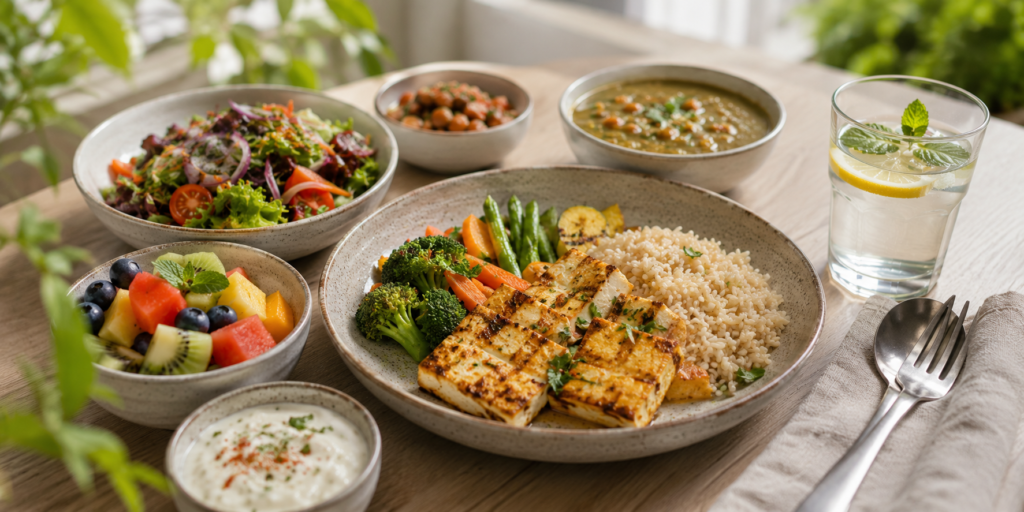
2. Best Foods to Include in Your Meal Plan
Choosing the right foods makes fat loss easier and healthier. Whole foods provide better nutrition compared to processed snacks and sugary meals.
High-Protein Foods
Protein-rich foods are important because they improve satiety and help maintain muscle mass during fat loss.
Good options include:
- Eggs
- Paneer
- Greek yogurt
- Lentils
- Chicken breast
- Fish
- Tofu
Fiber-Rich Foods
Fiber slows digestion and controls cravings. Therefore, vegetables and whole grains should be included daily.
Healthy fiber sources include:
- Oats
- Apples
- Broccoli
- Carrots
- Brown rice
- Chia seeds
Hydration and Weight Loss
Water plays a major role in digestion and metabolism. Drinking enough water may also reduce unnecessary snacking throughout the day.
| Food Category | Benefits | Healthy Options |
|---|---|---|
| Protein | Keeps you full longer | Eggs, paneer, lentils |
| Fiber | Improves digestion | Fruits, oats, vegetables |
| Healthy Fats | Supports metabolism | Nuts, seeds, olive oil |
| Complex Carbs | Provides steady energy | Brown rice, quinoa |
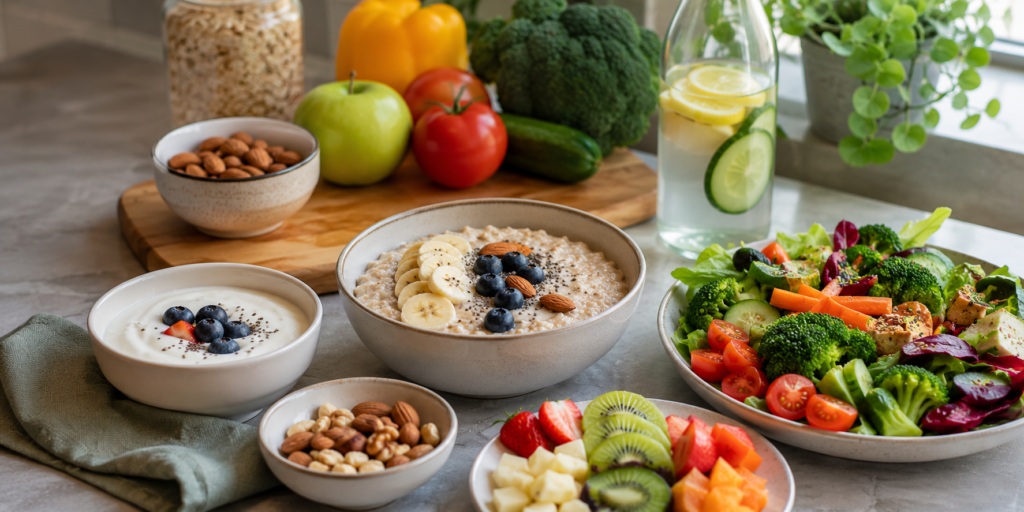
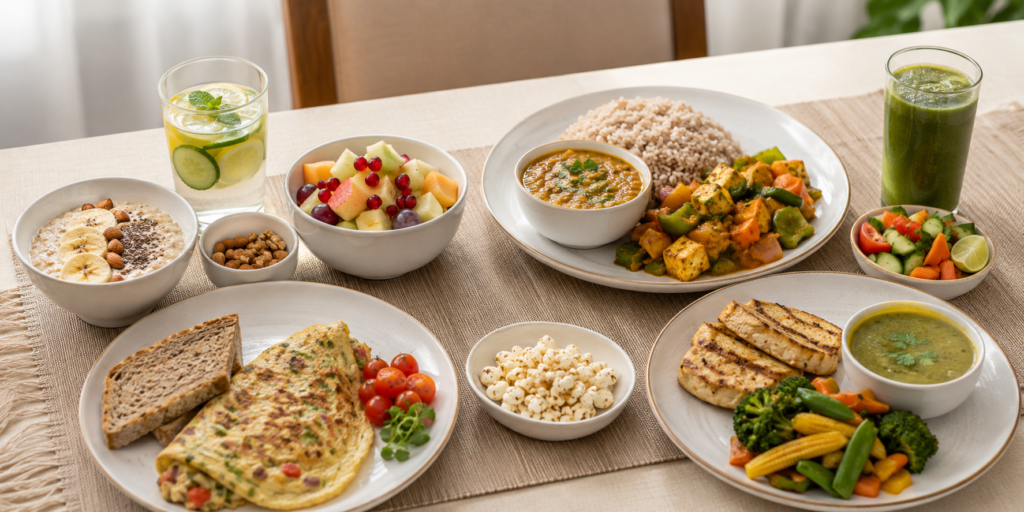
3. Sample Daily Diet Plan for Weight Loss
Following a structured routine helps maintain consistency and prevents unhealthy eating habits.
Morning Routine
Start the day with warm water or lemon water to improve hydration.
Breakfast
A healthy breakfast should contain protein and fiber. Good options include:
- Oats with fruits
- Vegetable poha
- Boiled eggs
- Smoothies with nuts and seeds
Lunch
Lunch should be balanced and filling. A combination of dal, brown rice, vegetables, and salad works well.
Evening Snack
Healthy snacks prevent overeating later in the day. Roasted chana, green tea, fruits, or yogurt are better alternatives to fried snacks.
Dinner
Dinner should be lighter than lunch. Soup, grilled vegetables, chapati with sabzi, or paneer salad are healthy choices.
4. Healthy Lifestyle Habits for Better Results
A Diet Plan for Weight Loss becomes more effective when combined with healthy lifestyle practices.
Regular Physical Activity
Exercise helps burn calories and improves overall fitness. Walking, cycling, yoga, and strength training are excellent options for maintaining fat loss.
Quality Sleep
Lack of sleep may increase cravings and emotional eating. Therefore, getting at least 7–8 hours of sleep is important for healthy weight management.
Stress Management
Stress often leads to unhealthy eating habits. Meditation, outdoor walks, and hobbies can help maintain mental wellness.
Consistency Is the Key
Many people expect instant results. However, healthy fat loss takes time. Small and consistent improvements create sustainable success.

5. Common Mistakes to Avoid
Some habits can slow down progress even when following a healthy meal plan.
Skipping Meals
Skipping meals may lead to overeating later in the day. Balanced eating patterns are more effective than starving yourself.
Following Extreme Diets
Very restrictive diets are difficult to maintain and may reduce energy levels.
Eating Too Many Processed Foods
Packaged foods often contain excess sugar, unhealthy fats, and sodium. Replacing them with whole foods is a smarter choice.

6. Conclusion
Diet Plan for Weight Loss works best when it focuses on balanced nutrition, healthy habits, and long-term consistency. Instead of following quick-fix diets, choose a realistic routine that supports both physical and mental health.
Simple habits like portion control, proper hydration, nutritious meals, and regular activity can create lasting results. Over time, these healthy changes become part of your lifestyle and help maintain sustainable fitness.
The best plan includes balanced meals with protein, fiber, healthy fats, and controlled calorie intake. Consistency is more important than extreme dieting.
Most adults should drink around 2–3 liters of water daily, depending on activity levels and climate conditions.
Yes, healthy eating can support weight loss. However, exercise improves metabolism, muscle strength, and long-term fitness results.
