
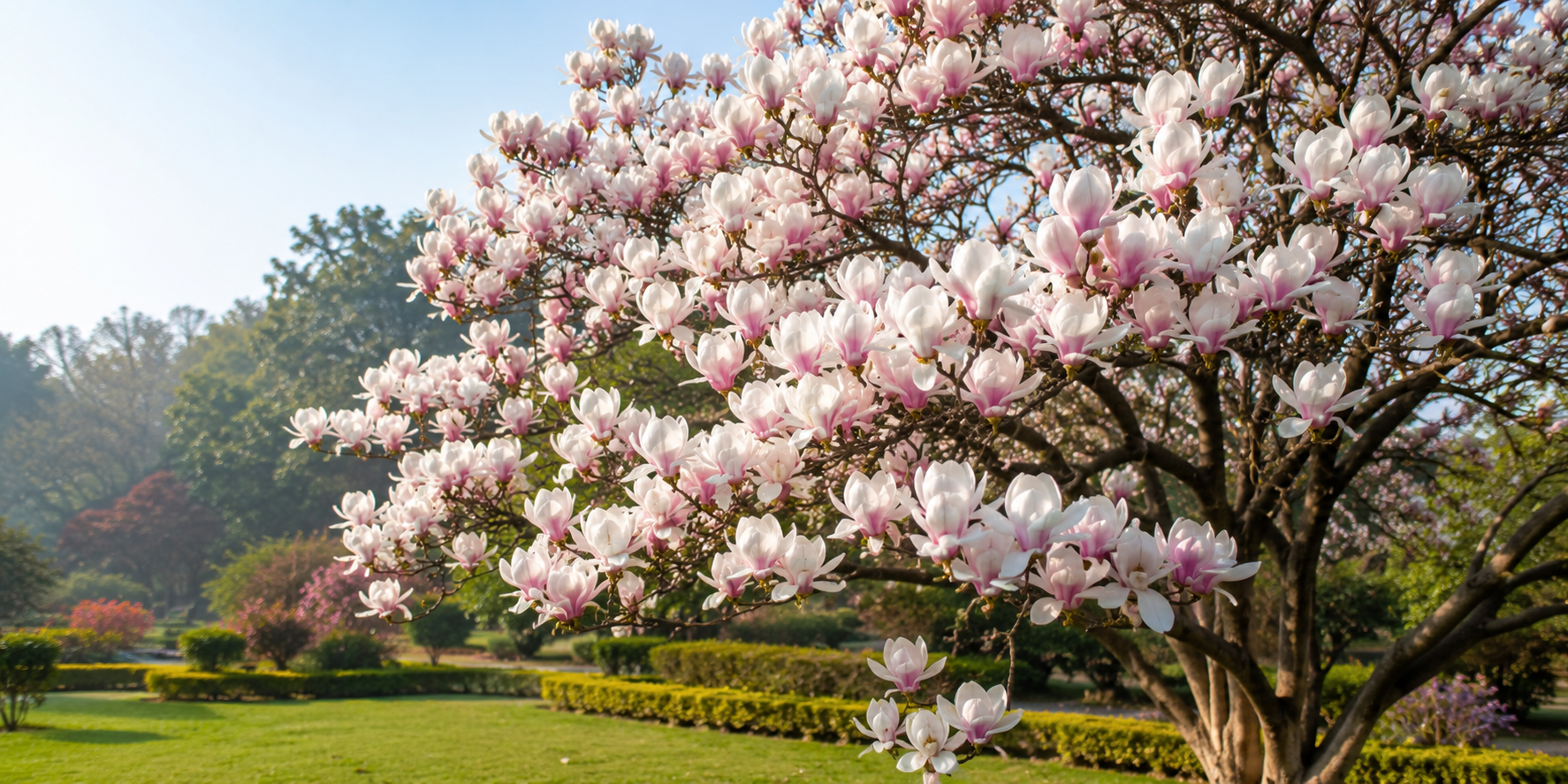
Magnolia flower is one of the world’s most admired ornamental blooms, valued for its elegant appearance, pleasant fragrance, and timeless symbolism. Whether you enjoy gardening, landscaping, or simply appreciate beautiful flowers, magnolias offer a unique combination of beauty and resilience. Their impressive blossoms have decorated gardens for centuries and continue to be a favorite choice for homeowners and landscape designers.
Unlike many flowering plants, magnolias often bloom before their leaves fully appear, creating an unforgettable display during spring. Their large flowers and glossy foliage make them attractive throughout much of the year.
What Is a Magnolia Flower?
The magnolia flower comes from the Magnolia genus, which includes more than 200 species of flowering trees and shrubs. These plants are native to parts of Asia and the Americas and have existed for millions of years, making them among the oldest flowering plants on Earth.
Magnolia blooms are known for their large petals, pleasant fragrance, and striking colors. Depending on the variety, flowers may appear in white, pink, purple, yellow, or cream shades. Some species are evergreen, while others lose their leaves during winter.
The blooming season usually begins in early spring, although certain varieties bloom during summer.
Key Characteristics
| Feature | Details |
|---|---|
| Botanical Name | Magnolia spp. |
| Plant Type | Tree or shrub |
| Bloom Season | Spring to early summer |
| Common Colors | White, pink, purple, yellow, cream |
| Sunlight | Full sun to partial shade |
| Soil | Well-drained, slightly acidic |
Magnolia Flower Meaning and Symbolism
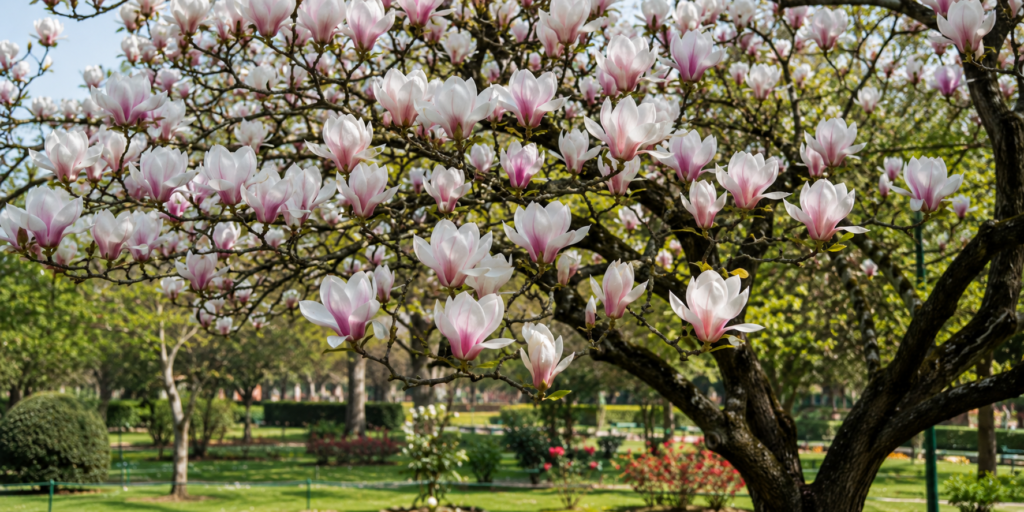
Across many cultures, the magnolia flower represents dignity, purity, beauty, and endurance. Because magnolia trees can live for decades, they also symbolize longevity and lasting strength.
In weddings, white magnolias often represent pure love and new beginnings. Pink varieties are associated with joy, femininity, and affection, while purple blooms reflect elegance and luxury.
Many homeowners choose magnolia trees because they add emotional value alongside visual beauty. Their graceful flowers create a calm and welcoming atmosphere in gardens and outdoor spaces.
Cultural Importance
Magnolias have been admired in traditional Asian gardens for centuries. In modern landscaping, they remain a popular choice for creating elegant outdoor environments due to their timeless appearance.
Popular Types of Magnolia Flowers
Different species offer unique colors, sizes, and blooming habits. Choosing the right variety depends on your climate and available garden space.
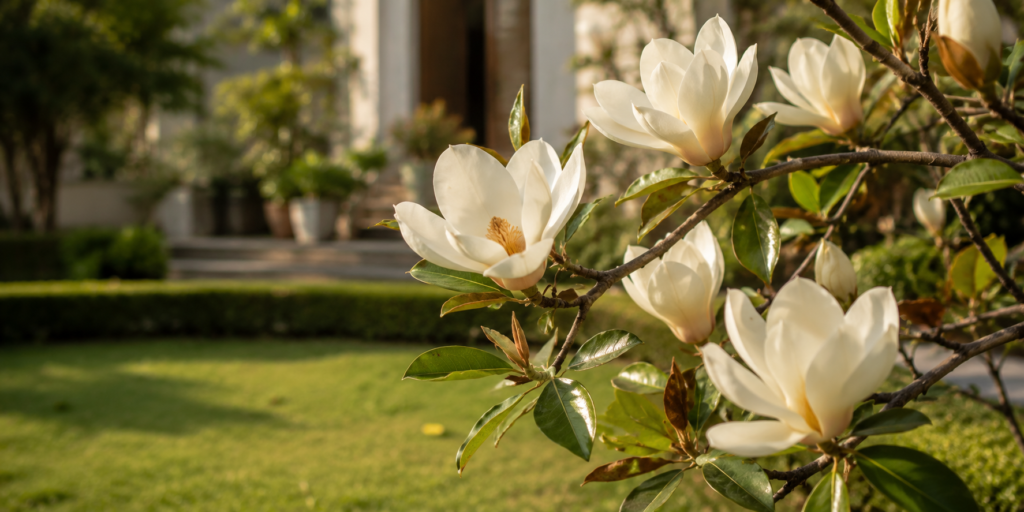
Southern Magnolia
An evergreen tree famous for its glossy green leaves and large white fragrant flowers. It is ideal for spacious landscapes.
Saucer Magnolia
Known for spectacular pink and white blooms, this variety is commonly planted in residential gardens.
Star Magnolia
A compact tree producing star-shaped white flowers early in spring. It is suitable for smaller gardens.
Cucumber Magnolia
This variety produces greenish-yellow flowers and grows into a large shade tree over time.
Each species has slightly different care needs, but all reward gardeners with beautiful seasonal blooms.

How to Grow and Care for Magnolia Flower
Growing magnolias successfully starts with selecting the right location. Most varieties prefer several hours of sunlight while remaining protected from harsh afternoon heat.
Choose fertile, well-drained soil rich in organic matter. Avoid waterlogged conditions because excess moisture can damage the roots.
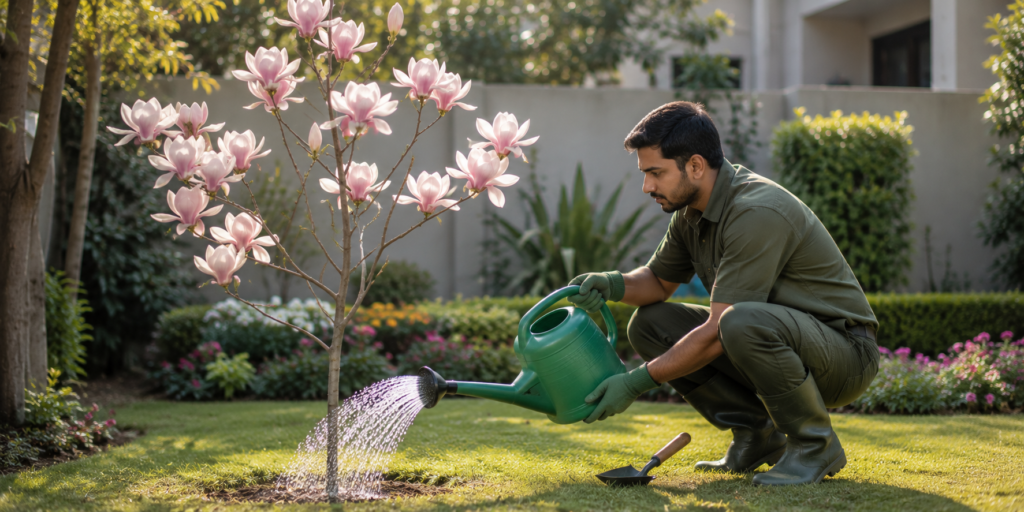
Water young trees regularly during the first few growing seasons. Once established, magnolias become more drought tolerant.
Mulching around the base helps conserve moisture, suppress weeds, and regulate soil temperature. Annual pruning should focus only on removing damaged or dead branches.
Essential Care Tips
- Plant during spring or autumn.
- Water deeply rather than frequently.
- Apply balanced fertilizer once or twice yearly.
- Avoid disturbing the shallow root system.
- Remove fallen leaves and diseased branches promptly.
Benefits of Growing Magnolia Flowers
Magnolias provide more than decorative value. Their dense foliage offers shade during warmer months, while their fragrant blossoms attract pollinators like bees and butterflies.
These trees can also increase the visual appeal of residential landscapes, making gardens feel more inviting. Because many species require relatively low maintenance once mature, they are a practical choice for homeowners.
Additionally, magnolias contribute to biodiversity by supporting insects and birds that depend on flowering plants.
Common Problems and Solutions
Although magnolias are generally hardy, they may occasionally face issues.
Yellow leaves often indicate poor drainage or nutrient deficiencies. Improving soil quality usually solves the problem.
Leaf spots can occur during humid weather. Removing affected leaves and ensuring good airflow reduces fungal growth.
Scale insects sometimes appear on branches. Early treatment with horticultural oil helps protect the tree.
Monitoring your tree regularly allows small problems to be addressed before they become serious.

Best Uses in Landscaping
Magnolia trees work beautifully as focal points in front yards, public parks, and botanical gardens. Their dramatic flowers naturally attract attention during blooming season.
Smaller varieties fit well beside patios, walkways, or entrances, while larger trees create impressive shade in spacious landscapes.
Garden designers often pair magnolias with evergreen shrubs, ornamental grasses, and seasonal flowering plants to maintain visual interest throughout the year.
Whether planted alone or combined with other ornamental species, magnolias add elegance and lasting value to outdoor spaces.
Final Thoughts
The magnolia flower remains one of the most admired flowering trees because it combines timeless beauty, rich symbolism, and relatively easy care. From selecting the right variety to providing proper sunlight, watering, and soil conditions, growing a healthy magnolia is achievable for both beginners and experienced gardeners.
If you want a landscape that offers impressive seasonal blooms and long-term beauty, planting a magnolia flower is an excellent investment for your home or garden.
Most magnolia varieties bloom during early spring, although some species continue flowering into early summer depending on climate and variety.
Yes. Many compact magnolia varieties are perfect for residential gardens if they receive well-drained soil, sunlight, and regular watering during their early years.
With proper care, many magnolia trees can live for several decades, and some species may survive well over 100 years while producing beautiful seasonal flowers.
