

Green tea is one of the most widely consumed healthy beverages in the world. It has been enjoyed for centuries and continues to be a favorite among people who want to maintain a balanced lifestyle. With its refreshing taste, low-calorie profile, and rich antioxidant content, green tea offers a simple way to support daily wellness.
Many health-conscious individuals choose green tea as an alternative to sugary drinks and heavily processed beverages. While it is not a magic solution for health concerns, it can be a valuable addition to a healthy diet and active lifestyle. Understanding its benefits and proper usage can help you make the most of this popular drink.
What Makes Green Tea Special?
Green tea comes from the leaves of the tea plant, but unlike black tea, it undergoes minimal processing. This helps preserve natural compounds such as catechins and polyphenols. These compounds are known for their antioxidant properties and are one of the main reasons green tea is highly valued.
Another unique characteristic of green tea is its combination of caffeine and L-theanine. This combination may help promote alertness while maintaining a calm and focused state of mind. As a result, many people prefer green tea as a gentle alternative to coffee.
In addition, green tea is available in various forms, including tea bags, loose leaves, and powdered varieties. This flexibility makes it easy to include in different lifestyles and preferences.
Nutritional Value of Green Tea
Green tea contains very few calories and provides several beneficial plant compounds that support overall wellness.
| Nutrient/Compound | Potential Benefit |
|---|---|
| Catechins | Antioxidant support |
| Polyphenols | Cellular protection |
| L-Theanine | Calm focus |
| Caffeine | Improved alertness |
| Trace Minerals | Daily nutritional support |
Although tea is not a major source of vitamins or minerals, its antioxidant content makes it a valuable addition to a balanced diet.
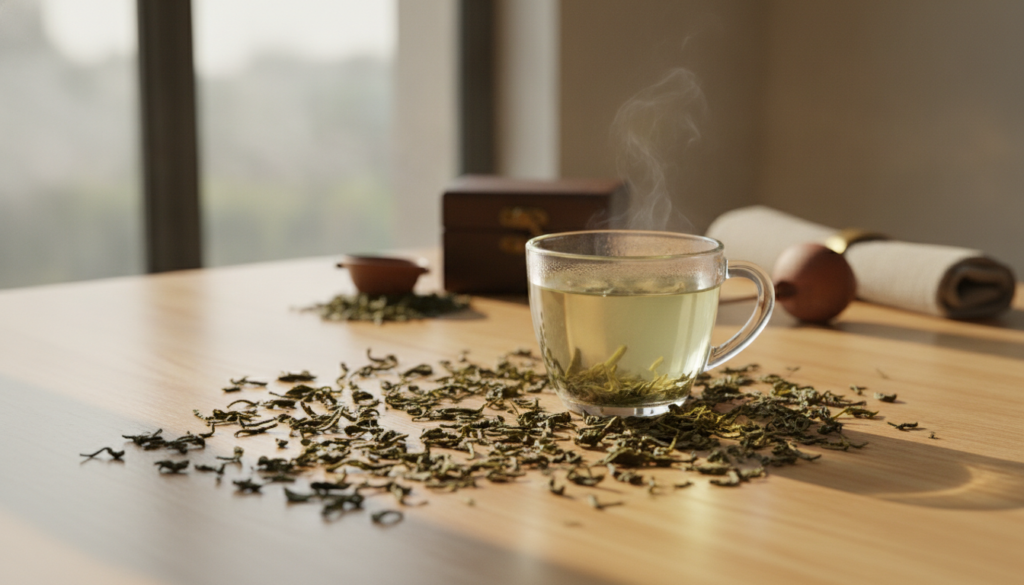
5 Proven Benefits of Green Tea
Supports Overall Wellness
One of the primary reasons people drink green tea is its association with healthy living. When combined with nutritious food choices and regular physical activity, tea can become part of a sustainable wellness routine.
Many individuals replace high-calorie soft drinks with tea, helping them make healthier beverage choices throughout the day.
Rich in Antioxidants
Tea is widely recognized for its high concentration of antioxidants. These compounds help protect the body’s cells from oxidative stress caused by free radicals.
Oxidative stress is a natural process that occurs over time due to environmental factors and daily activities. Including antioxidant-rich foods and beverages such as tea may support long-term wellness.
Helps with Weight Management
Tea is often included in weight management plans. While it should not be viewed as a quick-fix solution, it can complement healthy eating habits and regular exercise.
Because tea contains almost no calories when consumed without sugar, it can be a practical replacement for sweetened beverages. This simple change may help individuals manage their daily calorie intake more effectively.
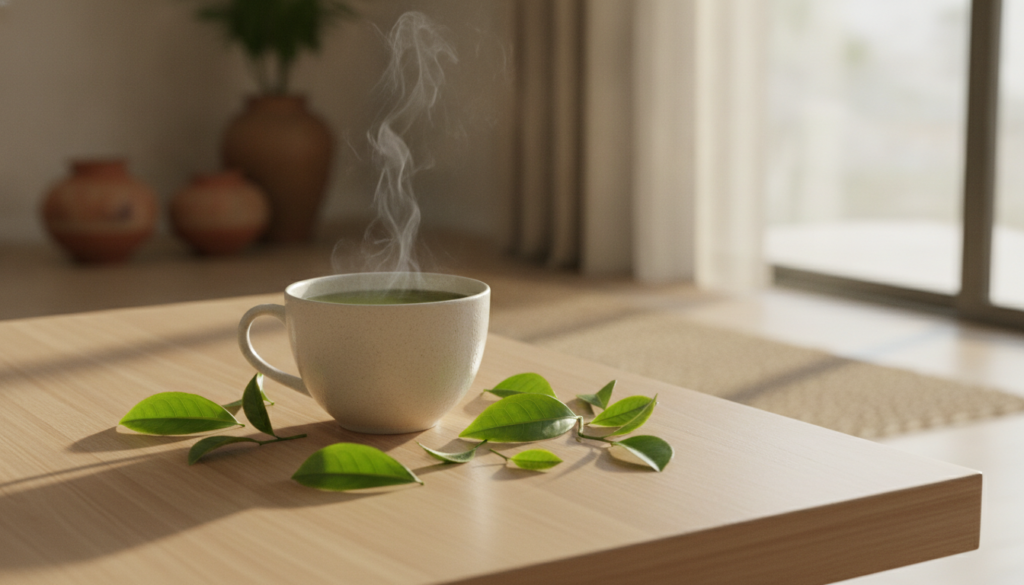
Supports Heart Health
Maintaining heart health is an important part of overall wellness. Tea is frequently included in heart-friendly dietary patterns because of its antioxidant profile.
A balanced lifestyle that includes regular exercise, healthy food choices, stress management, and beverages like green tea may contribute positively to long-term cardiovascular wellness.
May Improve Mental Focus
Green tea contains both caffeine and L-theanine. Together, these compounds create a unique combination that may support concentration and mental clarity.
Unlike highly caffeinated beverages that sometimes cause jitters, tea is often described as providing smoother and more balanced energy. This makes it a popular choice for students, professionals, and individuals who need sustained focus during the day.

How to Drink Green Tea Correctly
Preparing tea properly can significantly improve its taste and quality.
Use the Right Water Temperature
Boiling water can make tea taste bitter. Instead, allow hot water to cool slightly before pouring it over the tea leaves.
Avoid Excessive Brewing
Steeping tea for too long may result in a strong and bitter flavor. Most varieties taste best when brewed for two to three minutes.
Limit Added Sugar
Adding large amounts of sugar can reduce the health advantages associated with tea. If needed, consider using natural flavor enhancers such as lemon.

Best Time to Drink Green Tea
The best time to drink tea depends on individual preferences and daily routines.
Morning
Many people enjoy tea in the morning as a lighter alternative to coffee. The moderate caffeine content can help promote alertness without feeling overly stimulating.
Before Exercise
Some fitness enthusiasts drink tea before workouts because it may help them feel more energized and focused.
Midday
A cup of tea during the afternoon can be a refreshing way to stay hydrated and maintain productivity.
However, drinking tea late at night may not be suitable for everyone because of its caffeine content.
Common Mistakes to Avoid
Drinking Too Much
Moderation is important. Consuming excessive amounts of tea may not provide additional benefits and could lead to unwanted effects from caffeine.
Using Boiling Water
Very hot water can damage delicate flavors and create bitterness. Proper brewing improves both taste and enjoyment.
Expecting Instant Results
Tea supports healthy habits, but it is not a miracle drink. Consistent healthy choices over time are what produce meaningful results.
Replacing Water Completely
Green tea can contribute to hydration, but it should not completely replace regular water intake.

Conclusion
Green tea remains one of the most popular healthy beverages because it is simple, refreshing, and packed with beneficial plant compounds. From supporting overall wellness and providing antioxidants to helping with focus and healthy lifestyle habits, green tea offers several advantages when consumed as part of a balanced routine.
The key is consistency and moderation. By preparing it correctly and incorporating it into a healthy lifestyle, you can enjoy the benefits of tea while making a positive addition to your daily wellness habits.
Most healthy adults can enjoy two to four cups of green tea per day. Individual tolerance to caffeine may vary.
Green tea may support weight management when combined with a healthy diet and regular exercise. It should not be considered a standalone weight-loss solution.
Some people can drink green tea on an empty stomach without issues, while others may experience mild discomfort. It is often best consumed after a light meal.
