
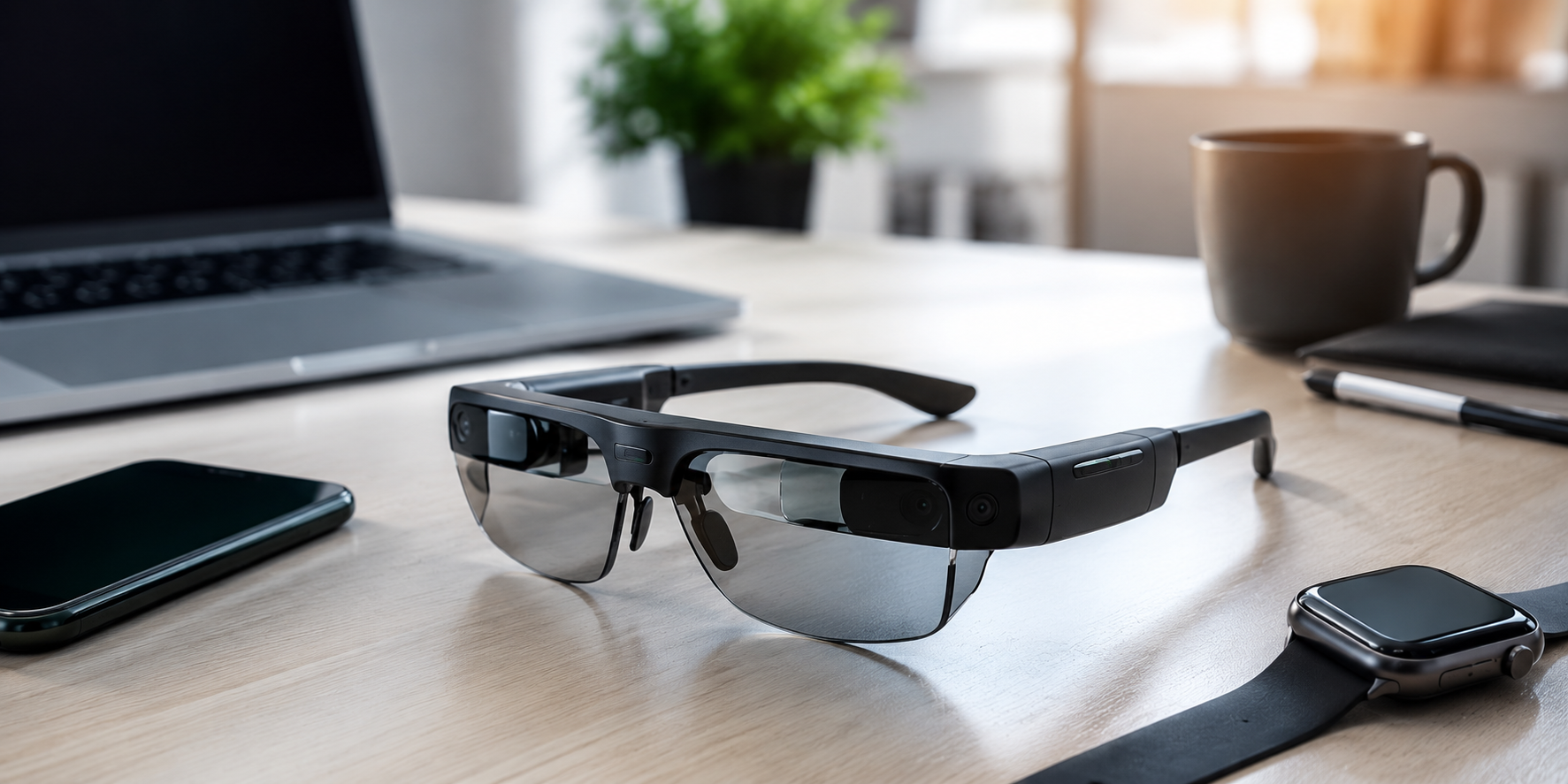
Google glasses represent one of the most interesting developments in wearable technology. These smart glasses combine digital information with the real world, allowing users to access data, communicate, and interact with technology without constantly looking at a smartphone.
Over the years, smart eyewear has evolved significantly. While early versions focused on basic functions, modern innovations are making these devices more practical, efficient, and useful in professional and everyday environments.
1. Understanding Google Glasses
Google Glasses are wearable smart devices designed to display digital information directly within a user’s field of vision. Unlike traditional glasses, these devices incorporate advanced technologies such as cameras, displays, microphones, sensors, and wireless connectivity.
The primary goal is to provide information without requiring users to hold or constantly check another device. This creates a more natural and efficient interaction between people and technology.
2. The Evolution of Smart Eyewear
When smart glasses first entered the market, they attracted attention for their futuristic design and capabilities. However, technological limitations and privacy concerns prevented widespread adoption.
Today, improvements in battery efficiency, display quality, artificial intelligence, and connectivity have significantly enhanced the potential of smart eyewear.
Modern wearable devices are lighter, more comfortable, and better suited for professional environments such as healthcare, manufacturing, logistics, and education.

3. Innovation #1: Augmented Reality Integration
One of the most important innovations behind google glasses is augmented reality (AR).
How Augmented Reality Works
Augmented reality overlays digital information onto the real world. Instead of replacing reality, it enhances what users already see.
For example, a technician repairing machinery can view instructions directly through smart glasses while working. Similarly, a traveler can receive navigation guidance without looking at a smartphone screen.
Why AR Matters
AR technology improves efficiency and productivity by reducing distractions. Users can access relevant information instantly while remaining focused on their tasks.
Some common AR functions include:
- Navigation assistance
- Real-time translation
- Visual instructions
- Object recognition
- Interactive learning experiences
Impact Across Industries
Organizations are increasingly exploring AR solutions because they help reduce errors, improve training, and increase operational efficiency.
Industries benefiting from AR-enabled smart glasses include:
| Industry | Primary Use Case |
|---|---|
| Healthcare | Patient information and surgical assistance |
| Manufacturing | Equipment maintenance and quality control |
| Logistics | Inventory management and picking guidance |
| Education | Interactive learning experiences |
| Field Services | Remote expert assistance |
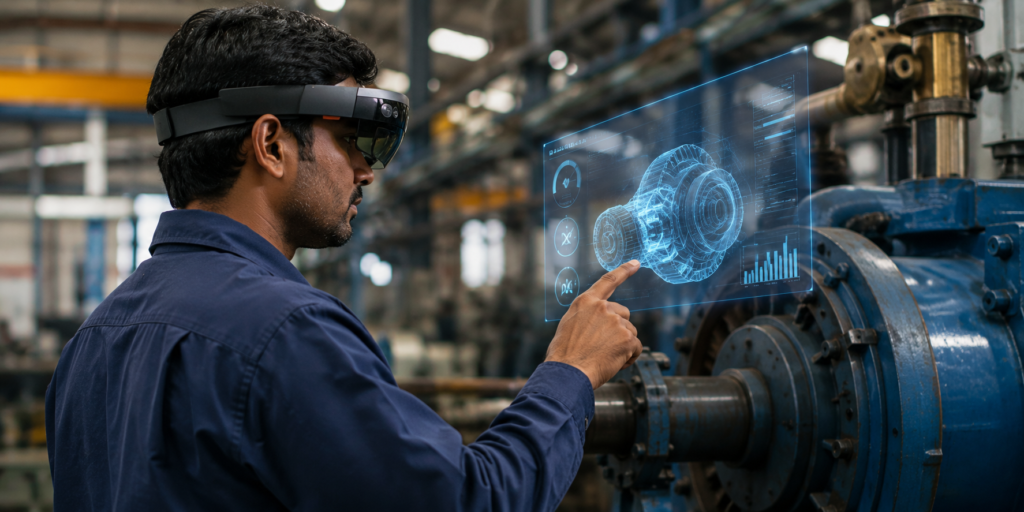
4. Innovation #2: Hands-Free Computing
The second major innovation is hands-free computing.
Traditional devices require users to stop their current activity to interact with technology. Smart glasses change this experience by allowing voice commands, gestures, and visual interactions.
Voice-Based Interaction
Users can access information, make calls, send messages, or receive updates using simple voice commands.
This capability is particularly valuable in environments where hands must remain free, such as:
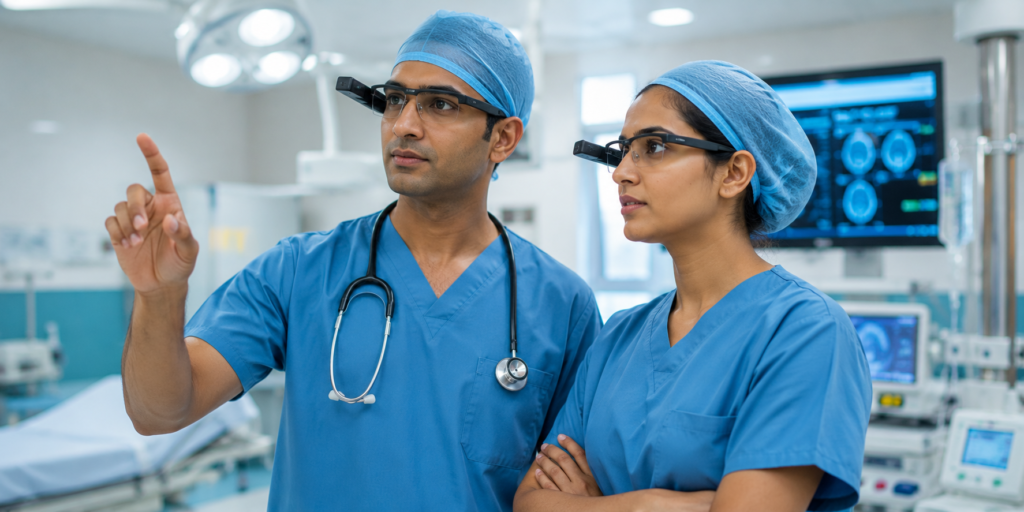
- Medical facilities
- Construction sites
- Warehouses
- Manufacturing plants
Improved Productivity
Hands-free computing minimizes interruptions and streamlines workflows.
Instead of switching between tools and devices, professionals can continue working while accessing critical information instantly.
Enhanced Safety
In many workplaces, constantly checking mobile devices can create safety risks. Smart glasses help reduce these distractions by delivering information directly within the user’s line of sight.
5. Key Features of Modern Google Glasses
Today’s smart glasses include several advanced features that enhance usability.
Lightweight Design
Modern devices are designed for extended wear and improved comfort.
Wireless Connectivity
Smart glasses can connect with smartphones, computers, and cloud services through Wi-Fi and Bluetooth.
Artificial Intelligence Support
AI-powered capabilities enable smarter interactions, faster searches, and context-aware assistance.
Real-Time Communication
Users can share video feeds, communicate remotely, and collaborate with experts regardless of location.
Visual Notifications
Important updates can be displayed discreetly without disrupting ongoing tasks.

6. Real-World Applications
Google glasses are finding practical applications across various sectors.
Healthcare
Doctors and medical staff can access patient information without leaving examination areas.
Manufacturing
Workers receive step-by-step instructions while performing technical tasks.
Logistics
Warehouse teams can locate products faster and improve inventory accuracy.
Education
Students can engage with interactive content that combines physical and digital learning experiences.
Remote Assistance
Experts can guide field workers remotely by viewing live video streams and providing instructions in real time.
7. Benefits and Challenges
Benefits
- Increased productivity
- Faster access to information
- Improved collaboration
- Enhanced workplace safety
- Better training experiences
Challenges
Despite their advantages, some challenges remain.
Privacy Concerns
Built-in cameras can raise questions about data security and personal privacy.
Battery Limitations
Continuous operation requires efficient battery management.
Cost Factors
Advanced smart glasses can be expensive compared to traditional wearable devices.
User Adoption
Organizations often require training programs to help employees adapt to new technologies.
8. The Future of Google Glasses
The future of google glasses looks promising as technology continues to advance.
Artificial intelligence, improved displays, longer battery life, and faster connectivity are expected to make smart glasses even more capable. Future devices may offer seamless integration with digital assistants, real-time language translation, and immersive AR experiences.
As businesses continue investing in wearable technology, smart glasses are likely to become more common across industries. Their ability to combine augmented reality with hands-free computing positions them as an important part of the next generation of digital innovation.
Conclusion
Google glasses demonstrate how wearable technology is evolving beyond traditional devices. The two most important innovations—augmented reality integration and hands-free computing—are transforming the way people interact with information. As hardware and software continue to improve, google glasses are expected to play an increasingly important role in workplaces and daily life.
Google Glasses are used for displaying information, navigation, communication, augmented reality experiences, and hands-free access to digital tools in professional and personal settings.
Yes. Modern smart glasses often use augmented reality to overlay digital information onto real-world environments, helping users access information more efficiently.
As technology improves, smart glasses are becoming more practical for everyday activities, including navigation, communication, productivity, and learning applications.
