
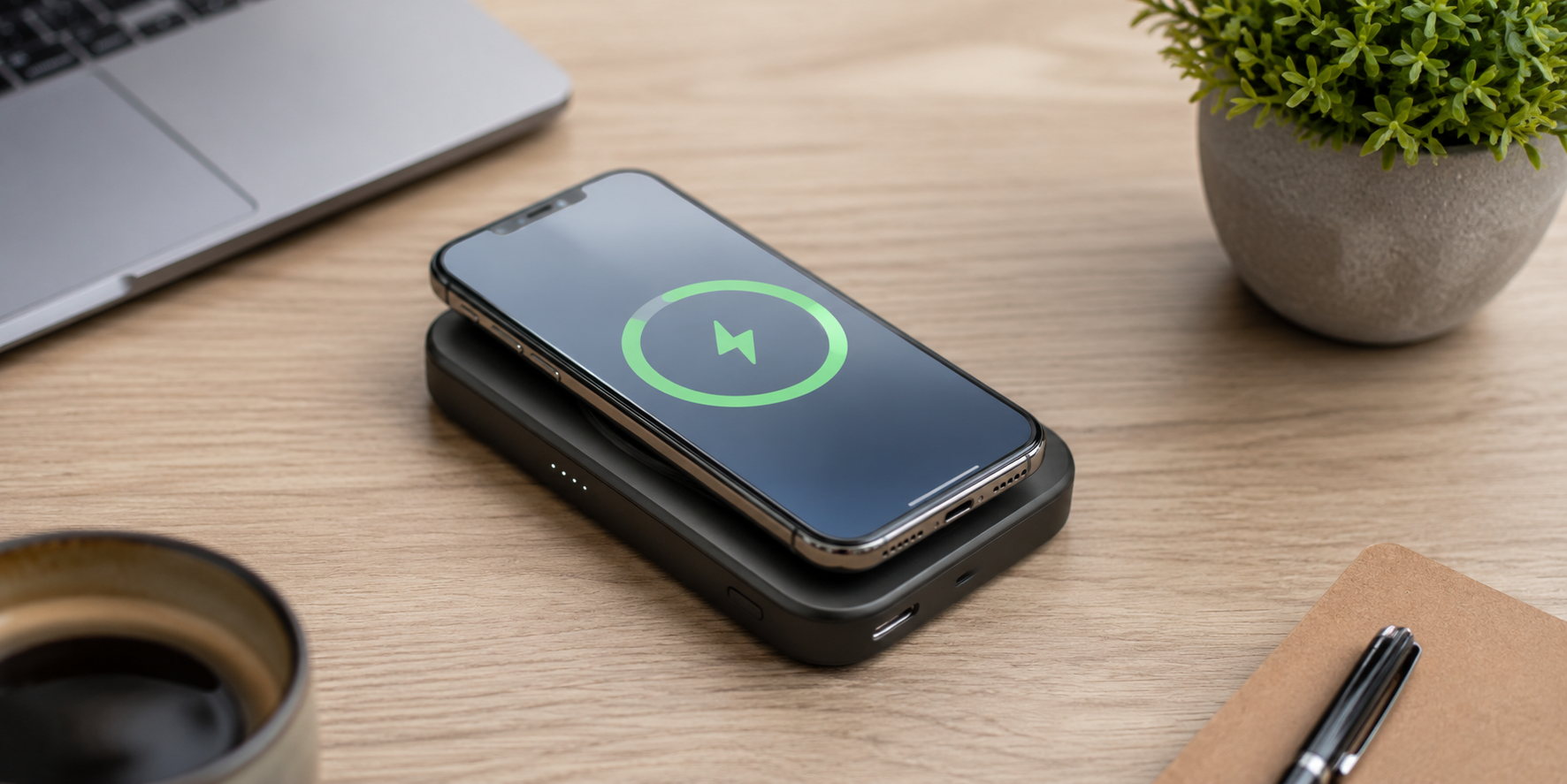
Wireless power bank devices have become one of the most useful mobile accessories for modern users. Whether someone travels daily, attends online meetings, watches content for hours, or plays mobile games, battery life matters more than ever.
Today’s smartphones support advanced features, but heavy usage also drains battery quickly. Therefore, customers now prefer portable charging solutions that are convenient, lightweight, and fast. A good wireless charger eliminates cable clutter while keeping devices powered throughout the day.
However, not every model offers the same performance. Some focus on speed, while others prioritize portability or battery capacity. This guide explains the most important features buyers should consider before purchasing a wireless charging power bank.
Why Wireless Charging Is Becoming Popular
Wireless charging has improved significantly during the last few years. Earlier models were slow and inefficient. However, modern technology now supports faster charging speeds with improved heat management.
Many users also prefer wireless charging because it feels more convenient during travel or work. Instead of searching for cables repeatedly, users can simply place the phone on the charging surface.
In addition, several premium smartphones now support magnetic alignment systems. These systems help maintain charging stability even while walking or commuting.

Battery Capacity Matters More Than You Think
Battery capacity directly affects how many times a power bank can recharge a device. Customers often ignore this feature and focus only on design.
A smaller 5000mAh model may work for casual users. However, people who travel frequently usually prefer 10000mAh or 20000mAh capacity options.
The table below explains common battery capacities and their ideal usage.
| Battery Capacity | Ideal For | Approximate Phone Charges |
|---|---|---|
| 5000mAh | Light daily usage | 1 charge |
| 10000mAh | Office and travel users | 2 charges |
| 20000mAh | Heavy users and long trips | 4–5 charges |
Choosing the correct capacity helps users avoid battery anxiety during important work or travel situations.
Fast Charging Support Improves Daily Convenience
Charging speed has become a major buying factor in 2026. Customers no longer want to wait several hours for their phone to recharge.
Modern wireless power bank models now support technologies like PD charging and Quick Charge support. These features reduce charging time significantly.
Moreover, premium models can intelligently adjust power delivery based on the connected device. This improves charging efficiency while protecting battery health.
Users who stream videos, attend virtual meetings, or play games regularly should always prioritize fast charging support.
Magnetic Attachment Creates Better Stability
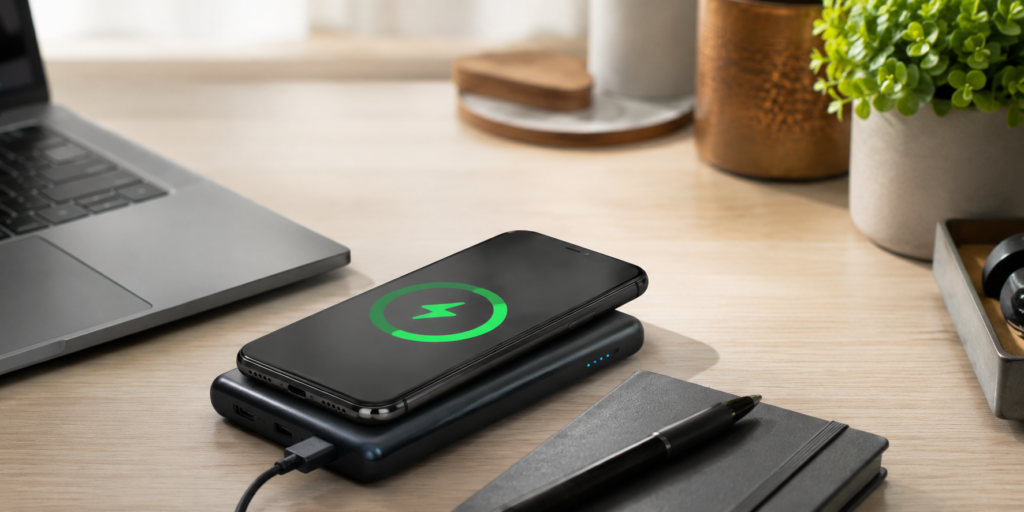
Magnetic charging technology has changed portable charging completely. Earlier wireless chargers often disconnected accidentally because phones shifted during movement.
Now, magnetic wireless charging systems hold smartphones securely in place. This creates a more stable connection and improves charging consistency.
Customers especially appreciate this feature during travel. A secure magnetic attachment prevents interruptions while walking, driving, or commuting.
In addition, magnetic alignment improves charging efficiency because the charging coils stay perfectly connected.
Benefits of Magnetic Wireless Charging
Better Charging Stability
Phones remain properly aligned throughout the charging process.
Improved Portability
Users can comfortably hold and use the phone while charging.
Reduced Cable Dependency
Fewer cables create a cleaner and more organized setup.
Compact Design Makes Travel Easier
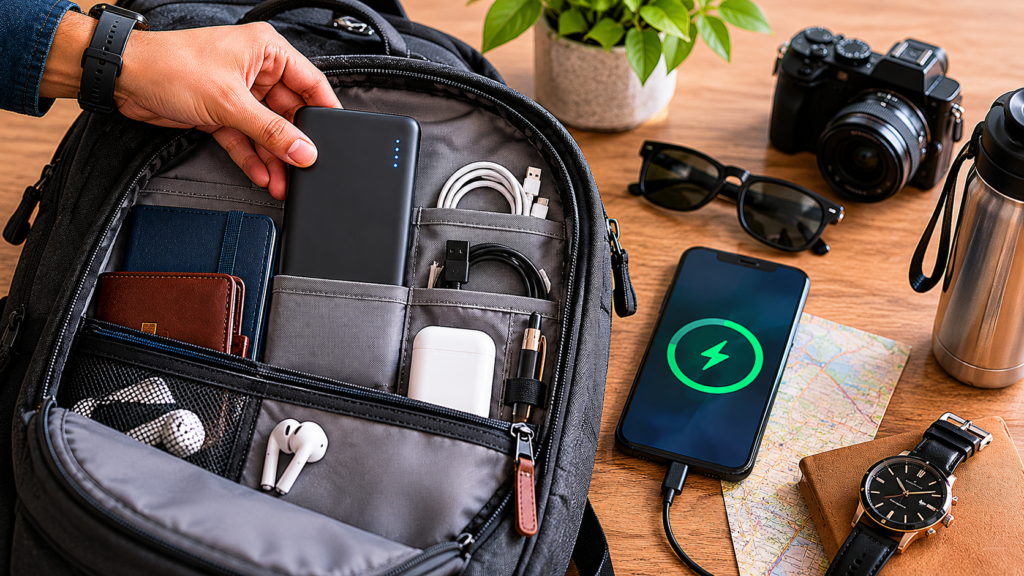
Portability remains one of the biggest reasons customers buy a wireless power bank. A bulky charger may offer higher battery capacity, but it becomes inconvenient during travel.
Modern slim power banks balance portability and performance effectively. Lightweight models easily fit inside pockets, handbags, or laptop bags.
Furthermore, manufacturers now use premium lightweight materials that improve durability without increasing overall weight.
Students, office workers, and travelers generally prefer compact designs because they are easier to carry daily.
Safety Features Protect Your Smartphone
Safety is one of the most overlooked features in portable chargers. Low-quality products can overheat, damage batteries, or reduce smartphone lifespan.
Reliable brands now include multiple safety protections, including:
- Overcharge protection
- Temperature control
- Short circuit prevention
- Voltage regulation
- Foreign object detection
These features protect both the charger and the connected device.
Additionally, advanced thermal management systems reduce overheating during fast charging sessions. This becomes especially important during summer travel or extended usage.
Customers should always buy certified products from trusted manufacturers instead of extremely cheap alternatives.
Wired and Wireless Combination Charging
Many users now prefer hybrid charging systems. These models support both wireless charging and wired USB-C charging simultaneously.
This flexibility becomes extremely useful when charging multiple devices together. For example, users can wirelessly charge a smartphone while simultaneously charging earbuds or a smartwatch through a cable.
Moreover, wired charging still delivers faster performance in emergency situations. Therefore, dual-mode charging gives customers better convenience.
Why Hybrid Charging Is Practical
Supports Multiple Devices
Users can charge phones, earbuds, and smartwatches together.
Faster Emergency Charging
USB-C wired charging works faster when battery levels are critically low.
Better Long-Term Value
Customers receive more charging options in a single product.
Compatibility With Multiple Devices
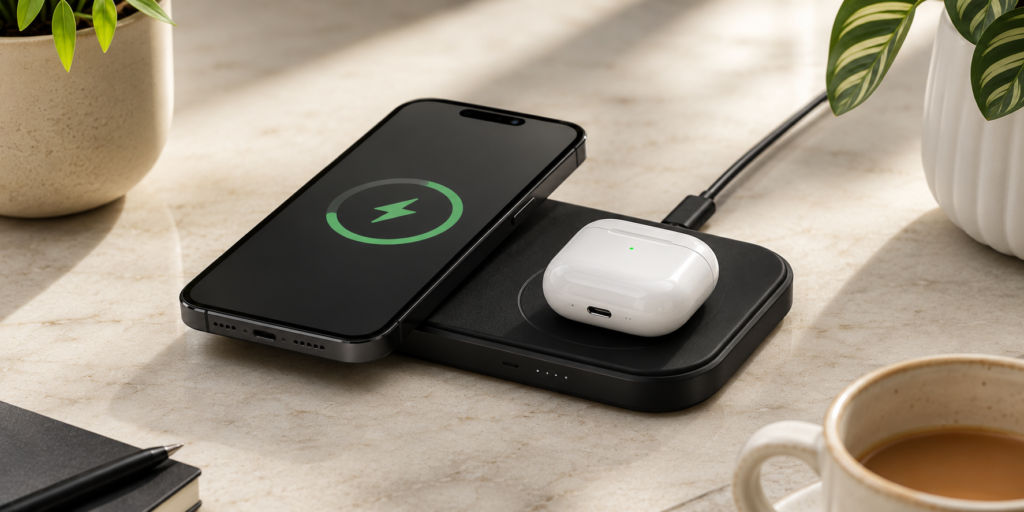
A good wireless power bank should work with different brands and operating systems. Customers often own multiple devices, including smartphones, earbuds, smartwatches, and tablets.
Therefore, universal compatibility matters greatly.
Most premium chargers now support:
- Android smartphones
- iPhones
- Wireless earbuds
- Smartwatches
- USB-C tablets
Before buying, customers should check charging standards and wattage support carefully.
In addition, some models automatically detect compatible devices and adjust charging speed accordingly.
How to Choose the Right Wireless Power Bank
Choosing the right product depends entirely on personal usage habits. Casual users may prioritize compact design, while travelers often need higher battery capacity.
Customers should compare the following factors before purchasing:
Battery Capacity
Choose based on daily usage and travel needs.
Charging Speed
Look for fast wireless and USB-C charging support.
Build Quality
Premium materials usually improve durability and heat management.
Device Compatibility
Ensure the charger supports your smartphone and accessories.
Safety Certifications
Trusted safety standards improve reliability and long-term performance.
A high-quality wireless power bank provides convenience, mobility, and reliable backup power for modern digital lifestyles.

Conclusion
A wireless power bank is no longer just a travel accessory. It has become an essential daily gadget for students, professionals, travelers, and content creators.
Modern buyers expect fast charging, portability, strong battery capacity, and advanced safety features in a single device. Therefore, understanding these features helps customers make smarter purchasing decisions.
Whether someone needs a compact charger for office use or a high-capacity model for long journeys, selecting the right wireless power bank can significantly improve daily convenience and device reliability.
A 10000mAh model works well for most users because it balances portability and charging performance. Heavy users may prefer 20000mAh options for extended travel.
No, certified wireless charging systems are designed with safety protections that manage temperature and power delivery effectively.
Yes, many modern models support simultaneous wired and wireless charging for smartphones, earbuds, and smartwatches.
