

Facewash is one of the most important products in any skincare routine because it helps remove dirt, oil, sweat, and pollution from the skin. Whether you wear makeup daily or spend long hours outdoors, cleansing your face properly can make a noticeable difference in your skin texture and appearance.
Many people invest in expensive serums and creams but ignore the basics of cleansing. However, healthy skin always starts with a clean foundation. A good cleanser helps prevent clogged pores, breakouts, dullness, and excessive oil buildup. Moreover, it prepares your skin to absorb other skincare products more effectively.
Choosing the right product can feel confusing because there are hundreds of options available. Some are designed for oily skin, while others focus on hydration or acne control. Therefore, understanding your skin type is the key to finding the right match.
Why Facewash Matters in Daily Skincare
Daily cleansing is essential because the skin collects dirt, bacteria, oil, and environmental pollutants throughout the day. If these impurities stay on the skin for too long, they may lead to acne, irritation, and uneven texture.
A quality cleanser not only removes impurities but also refreshes the skin. In addition, it helps maintain the skin barrier without stripping away natural moisture. This balance is especially important for people living in busy cities where pollution levels are higher.
People with oily skin often notice excess shine by the afternoon. On the other hand, dry skin may feel tight and flaky after washing. Therefore, selecting a product according to your skin needs is more important than choosing the most expensive option.

How to Choose the Right Facewash for Your Skin Type
Every skin type requires a different cleansing approach. Using the wrong product can lead to irritation, dryness, or excessive oil production.
| Skin Type | Recommended Facewash Type | Key Ingredients |
|---|---|---|
| Oily Skin | Gel-based cleanser | Salicylic acid, tea tree |
| Dry Skin | Cream-based cleanser | Hyaluronic acid, glycerin |
| Sensitive Skin | Fragrance-free cleanser | Aloe vera, chamomile |
| Combination Skin | Mild foaming cleanser | Niacinamide |
| Acne-Prone Skin | Anti-acne cleanser | Benzoyl peroxide |
Facewash for Oily Skin
People with oily skin should look for lightweight gel cleansers that control excess sebum without making the skin overly dry. Products with salicylic acid can help unclog pores and reduce acne breakouts.
Facewash for Dry Skin
Dry skin needs hydration and nourishment. Cream-based cleansers are often better because they clean gently while maintaining moisture levels. Ingredients like ceramides and glycerin work particularly well.
Facewash for Sensitive Skin
Sensitive skin reacts quickly to harsh chemicals and artificial fragrances. Therefore, mild and fragrance-free cleansers are usually safer and more comfortable for daily use.
Common Ingredients That Benefit the Skin
Understanding ingredients can help you make smarter skincare decisions. Some ingredients target acne, while others focus on hydration or soothing irritation.
Salicylic Acid
This ingredient is widely used for oily and acne-prone skin because it helps clear pores and reduce blackheads. It also controls excess oil production effectively.
Hyaluronic Acid
Hyaluronic acid is excellent for hydration. It attracts moisture and helps the skin appear soft and plump. People with dry skin often benefit from cleansers containing this ingredient.
Aloe Vera
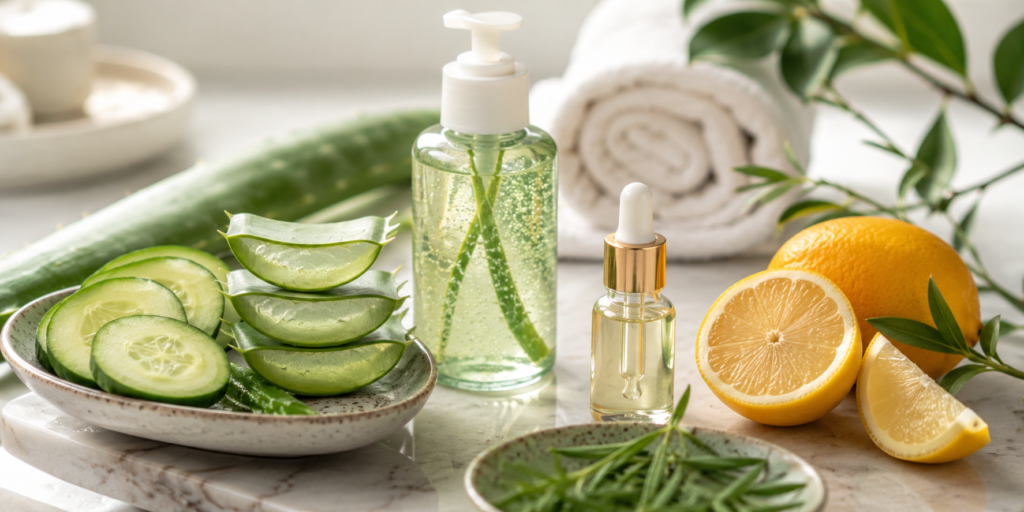
Aloe vera is known for its calming and soothing properties. It works well for sensitive or irritated skin and provides a refreshing feel after cleansing.
Niacinamide
Niacinamide supports skin barrier health and helps improve uneven skin tone. In addition, it can reduce redness and excessive oiliness.
Many modern skincare products combine several beneficial ingredients to target multiple concerns at once. However, introducing too many active ingredients together can sometimes irritate the skin. Therefore, it is better to keep your cleansing routine simple and consistent.
Facewash Mistakes That Damage Your Skin
Even a high-quality cleanser may not work properly if it is used incorrectly. Many people unknowingly damage their skin by following poor cleansing habits.
Washing Too Frequently
Cleansing more than twice a day can strip natural oils from the skin. As a result, the skin may become dry, irritated, or overly oily due to increased oil production.
Using Hot Water
Hot water can weaken the skin barrier and cause redness. Lukewarm water is usually the safest option for most skin types.
Scrubbing Aggressively
Harsh rubbing can create irritation and small tears in the skin. Instead, massage the cleanser gently using circular motions.
Ignoring Moisturizer After Cleansing
After using a Facewash, the skin needs hydration. Applying moisturizer helps lock in moisture and maintain balance.
These small changes may seem simple, but they can significantly improve skin texture over time.
Morning vs Night Cleansing Routine
Your skin faces different conditions during the day and night. Therefore, your cleansing routine should support these changes.
Morning Cleansing
Morning cleansing helps remove sweat and oil that build up overnight. A mild cleanser is often enough to refresh the skin without over-drying it.
Night Cleansing
Night cleansing is more important because the skin collects pollution, sunscreen, dirt, and makeup during the day. Double cleansing may help people who wear heavy makeup or sunscreen regularly.
Consistency matters more than complicated routines. A simple routine followed daily often gives better results than using too many products occasionally.

Natural and Herbal Cleansing Options
Many people now prefer herbal skincare because it feels gentler and more traditional. Natural ingredients can support the skin when used correctly.
Neem is commonly used for acne-prone skin because of its antibacterial properties. Similarly, turmeric is popular for improving skin brightness and reducing dullness.
Rose water-based cleansers can provide a refreshing effect, especially during summer. Honey-based cleansers are also beneficial for dry skin because they help maintain softness.
However, natural products are not automatically safe for everyone. Some herbal ingredients may still trigger allergies or irritation. Therefore, patch testing remains important before trying any new product.
Tips to Get Better Results From Your Facewash
A cleanser works best when combined with healthy skincare habits. Small improvements in your routine can create long-term benefits.
Follow a Consistent Routine
Using the same skincare routine regularly helps the skin adapt better. Frequently changing products may confuse or irritate the skin.
Remove Makeup Before Cleansing
Heavy makeup can block the cleanser from working properly. Therefore, using micellar water or cleansing oil first may improve cleansing results.
Use Clean Towels
Dirty towels can transfer bacteria back onto the skin. Always use a soft and clean towel after washing your face.
Stay Hydrated
Healthy skin is influenced by internal hydration as well. Drinking enough water supports skin elasticity and overall appearance.
Conclusion
Facewash is more than just a basic skincare product because it plays a major role in keeping the skin clean, balanced, and healthy. Choosing the right cleanser according to your skin type can help prevent dryness, acne, irritation, and dullness.
In addition, using proper cleansing techniques and maintaining a consistent skincare routine can improve long-term skin health. Whether you prefer gel cleansers, cream formulas, or herbal options, the goal should always be gentle and effective cleansing.
Investing time in understanding your skin needs will help you choose a Facewash that supports naturally glowing and healthier skin every day.
Most dermatologists recommend washing your face twice a day. Over-cleansing may remove natural oils and irritate the skin.
A cleanser alone cannot completely cure acne, but it helps reduce oil, dirt, and clogged pores that contribute to breakouts.
Fragrance-free and gentle cleansers with soothing ingredients like aloe vera or chamomile are usually better for sensitive skin.
