

Facewash for oily skin is one of the most important skincare essentials for maintaining a clean, balanced, and fresh-looking face. Excess oil can make the skin appear greasy, clog pores, and increase breakouts. However, using the right cleanser and following a proper routine can help control shine without making the skin dry.
Many people with oily skin make the mistake of washing their face too often or choosing harsh cleansers. This usually damages the skin barrier and increases oil production. Therefore, selecting the right ingredients and washing techniques matters more than most people realize.
In this guide, you will learn practical skincare tips, the best ingredients for oily skin, and how to choose a facewash that actually works for your daily routine.
Why Oily Skin Needs the Right Facewash
Oily skin produces excess sebum, which can trap dirt, sweat, and bacteria inside pores. As a result, many people experience acne, blackheads, and dull-looking skin. A proper cleanser removes buildup while maintaining skin hydration.
The biggest benefit of using a good facewash for oily skin is balance. Your skin should feel fresh after cleansing, not tight or irritated. Modern skincare products are designed to clean deeply while protecting the skin barrier.
People living in humid weather conditions especially need lightweight and oil-controlling cleansers. In addition, pollution and sweat can worsen skin congestion during summer months.

Best Ingredients in a Facewash for Oily Skin
Choosing the right ingredients can completely change how your skin behaves. Certain ingredients help reduce excess oil while calming acne-prone skin.
Salicylic Acid
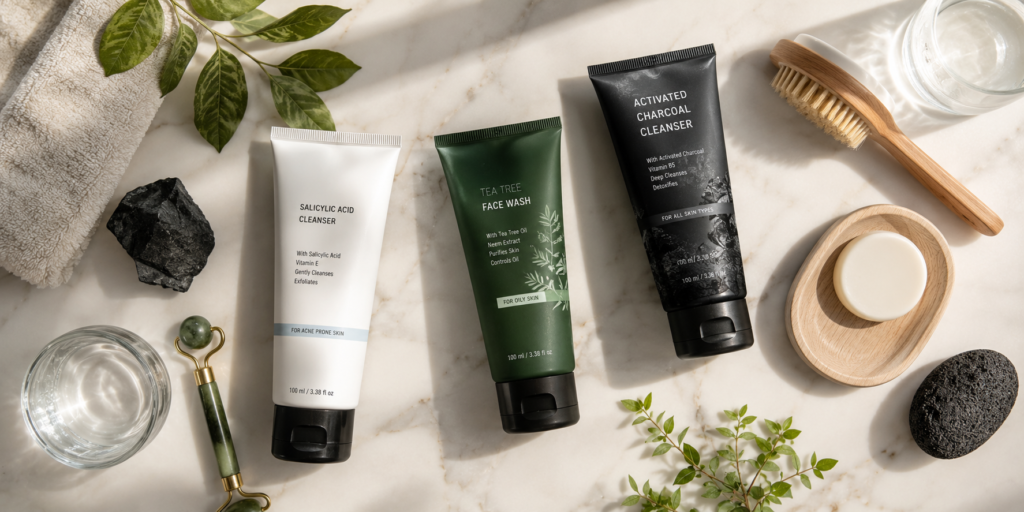
Salicylic acid is one of the most effective ingredients for oily skin. It goes deep into pores and removes excess oil, dirt, and dead skin cells. Therefore, it is highly recommended for people with acne or blackheads.
Tea Tree Oil
Tea tree oil is known for its antibacterial properties. It helps reduce pimples and keeps the skin feeling fresh throughout the day. However, it should always be used in balanced formulas to avoid irritation.
Niacinamide
Niacinamide helps regulate oil production and improves overall skin texture. Moreover, it supports the skin barrier and reduces redness caused by breakouts.
Charcoal
Activated charcoal absorbs excess oil and impurities from the skin surface. Many modern oily skin cleansers use charcoal for deep cleansing benefits.
Common Mistakes People Make
Many people unknowingly worsen oily skin by following incorrect habits. Understanding these mistakes can help improve your skincare results quickly.
Washing the Face Too Frequently
Overwashing strips natural moisture from the skin. Consequently, the skin produces even more oil to compensate for dryness. Washing twice daily is usually enough.
Using Harsh Scrubs Daily
Physical scrubs can damage sensitive skin and increase irritation. Instead, choose a gentle chemical exfoliant once or twice a week.
Skipping Moisturizer
A common myth is that oily skin does not need moisturizer. In reality, lightweight gel moisturizers help maintain balance and prevent excess oil production.
Choosing Alcohol-Based Products
Products with excessive alcohol may create temporary freshness but eventually lead to dehydration and irritation.

Daily Skincare Routine for Oily Skin
A simple and consistent skincare routine works better than complicated routines with too many products.
Morning Routine
Start with a gentle facewash for oily skin to remove overnight oil buildup. After cleansing, apply a lightweight toner followed by a gel-based moisturizer and sunscreen.
Evening Routine
At night, cleanse your skin properly to remove dirt, sweat, sunscreen, and pollution. Double cleansing may help if you wear makeup or spend long hours outdoors.
Weekly Care
Use a clay mask once a week to deeply clean pores and reduce shine. In addition, exfoliate gently to remove dead skin buildup.
Consistency is the key to seeing long-term results. Most people notice improvements within a few weeks when using suitable products regularly.
How to Choose the Perfect Cleanser
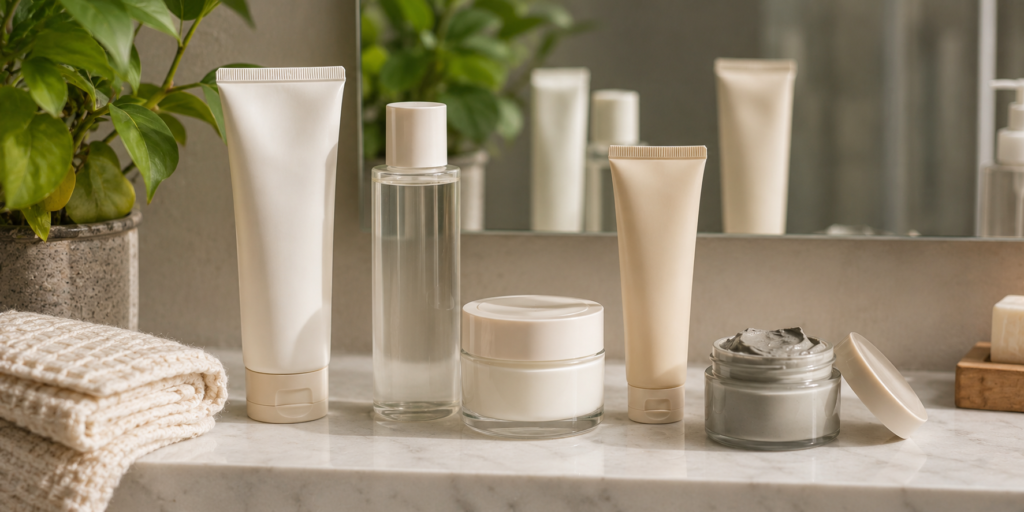
Selecting the ideal cleanser depends on your skin concerns, lifestyle, and weather conditions. Gel-based cleansers are usually the best choice because they feel lightweight and clean deeply without heaviness.
People with acne-prone skin should look for ingredients like salicylic acid or niacinamide. On the other hand, sensitive oily skin benefits more from fragrance-free and sulfate-free formulas.
Always avoid extremely harsh products that promise instant oil removal. Healthy skin requires balance rather than aggressive cleansing.
Facewash Comparison Table
| Skin Concern | Recommended Ingredient | Ideal Facewash Type |
|---|---|---|
| Excess Oil | Niacinamide | Gel Cleanser |
| Acne & Pimples | Salicylic Acid | Foaming Facewash |
| Sensitive Oily Skin | Aloe Vera | Gentle Cleanser |
| Blackheads | Charcoal | Deep Cleansing Wash |
| Humid Weather Oiliness | Tea Tree Oil | Refreshing Gel Wash |
Final Thoughts on Healthy Oily Skin
Using the right facewash for oily skin can completely improve your skincare routine and overall confidence. The key is choosing gentle yet effective ingredients that clean deeply without damaging your skin barrier.
Moreover, maintaining a balanced routine with proper cleansing, hydration, and sun protection helps oily skin stay healthy and fresh throughout the year. Instead of chasing harsh products, focus on consistency and smart skincare habits.
When you understand your skin type and choose products carefully, managing oily skin becomes much easier and more effective.
Salicylic acid is considered one of the best ingredients because it deeply cleans pores and helps control excess oil and acne.
Most dermatologists recommend washing oily skin twice daily. Overwashing can increase oil production and irritate the skin barrier.
No, oily skin still needs hydration. Lightweight gel moisturizers help maintain skin balance and prevent excessive oiliness.
