
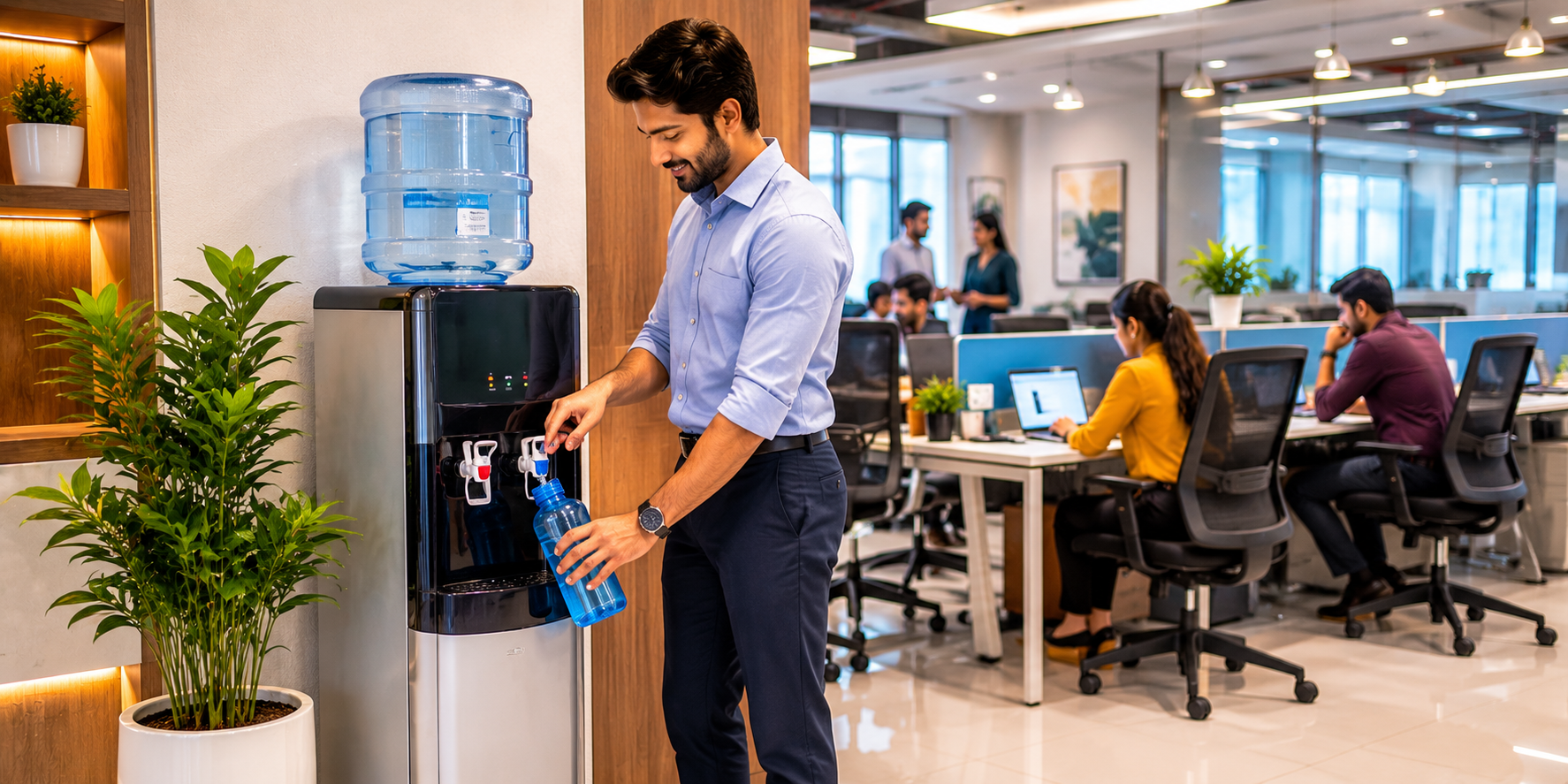
A water cooler has become an essential part of modern offices, homes, and commercial spaces. Earlier, it was considered a simple appliance for providing cold water. However, today’s advanced water coolers offer smart features, energy efficiency, and better hygiene standards.
In modern workplaces, employees need quick access to clean drinking water throughout the day. A good cooling system improves comfort and supports a healthy working environment. Moreover, smart water dispensers help businesses create a professional office setup that looks organized and modern.
Whether it is a startup office, corporate building, clinic, school, or co-working space, installing a modern water cooler can improve convenience and productivity significantly.
1. Why Water Coolers Are Important Today
Modern workplaces focus heavily on employee wellness and comfort. Clean drinking water is one of the most basic yet important requirements in any environment. A water cooler provides easy access to chilled or hot water instantly.
In addition, proper hydration helps employees stay focused and active throughout the day. Studies often show that dehydration can reduce concentration and productivity. Therefore, companies are investing in better hydration solutions.
Another important reason is hygiene. Advanced systems now include filtration technology, touchless dispensing, and stainless-steel storage that help maintain water purity.
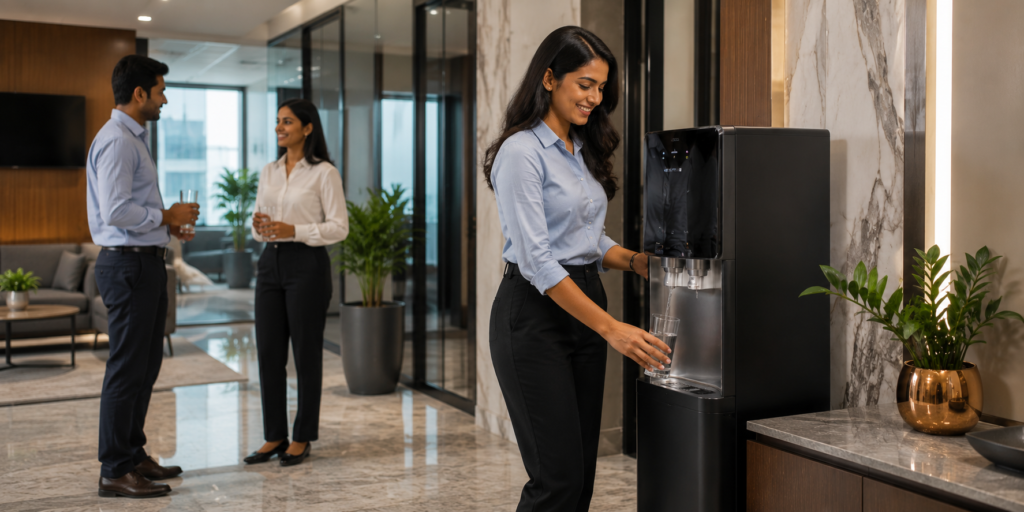
2. Types of Water Cooler Systems
Different workplaces require different types of cooling systems. Choosing the right model depends on office size, usage, and budget.
Bottled Water Coolers
These systems use replaceable water jars placed on top or bottom of the unit. They are suitable for small offices and temporary setups.
Bottleless Water Coolers
Bottleless models connect directly to the building’s water supply. They include built-in purification systems and are commonly used in large offices.
Hot and Cold Water Coolers
These systems provide both chilled and hot water. Employees can prepare tea, coffee, or instant meals conveniently.
Tabletop Water Coolers
Compact tabletop models work well in clinics, cabins, and small workstations where space is limited.
3. Key Features to Look For
Before buying a water cooler, it is important to evaluate the features carefully. A modern system should provide convenience, durability, and energy savings.
| Feature | Benefit |
|---|---|
| Energy Saving Mode | Reduces electricity consumption |
| Stainless Steel Tank | Improves hygiene and durability |
| Child Safety Lock | Prevents accidental hot water use |
| Touchless Dispensing | Better hygiene and cleanliness |
| Fast Cooling System | Provides instant chilled water |
| Multi-Temperature Control | Supports both hot and cold water |
Modern businesses often prefer models with advanced filtration and digital controls because they improve usability and reduce maintenance issues.
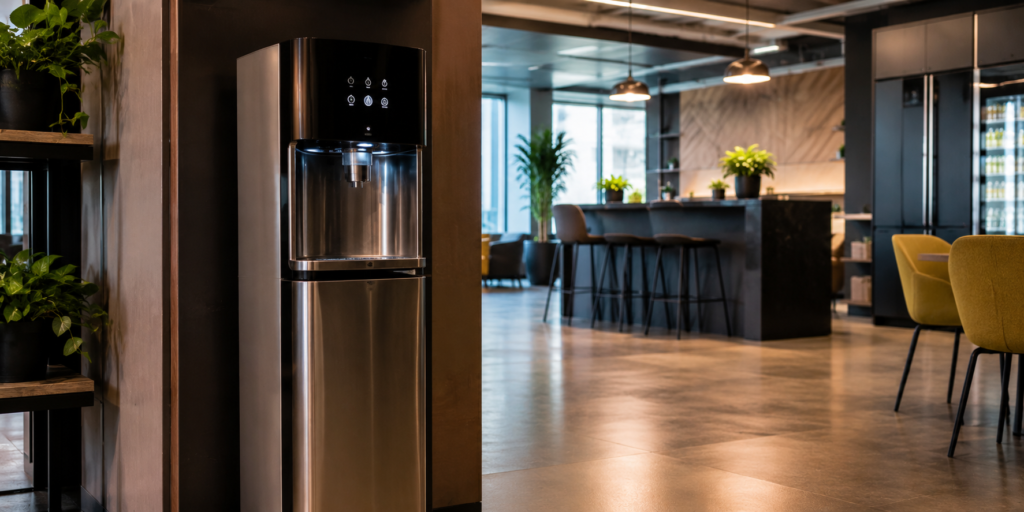
4. Water Cooler Benefits for Offices
Installing a cooler offers multiple benefits beyond basic hydration. It improves employee experience and creates a healthier workspace.
Better Employee Productivity
When employees remain hydrated, they usually feel more energetic and focused. Access to chilled water during long working hours helps maintain concentration.
Professional Office Appearance
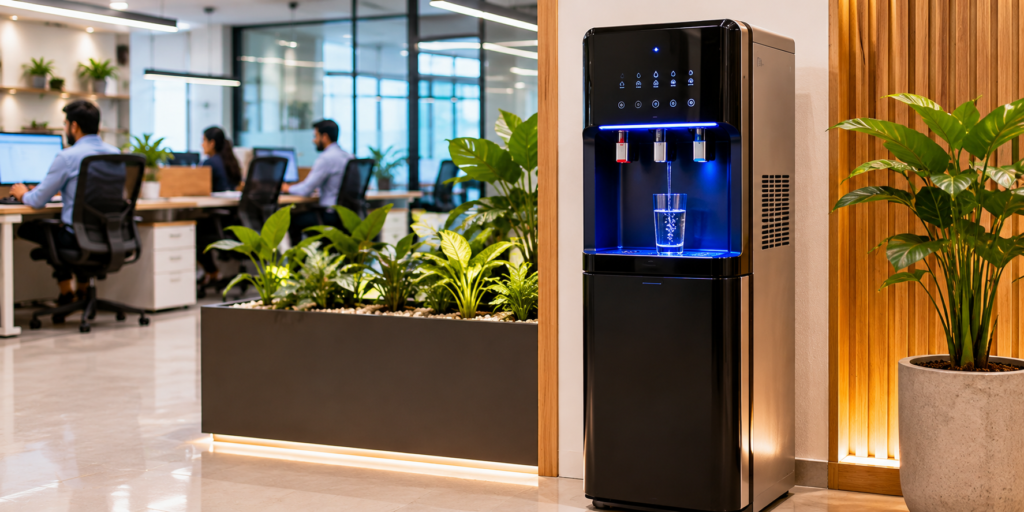
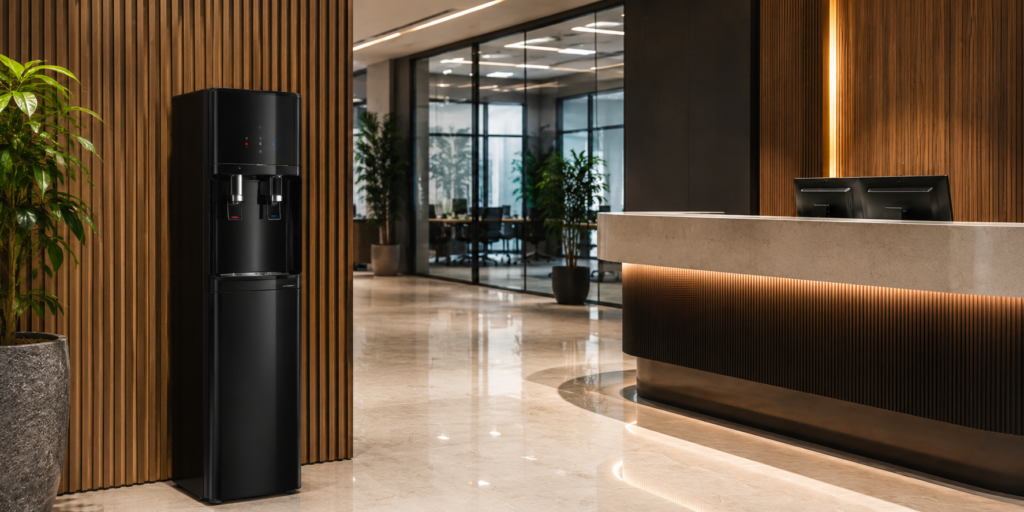
Modern office interiors often include premium appliances that enhance aesthetics. A stylish cooler complements contemporary workspace designs.
Encourages Healthy Habits
Employees tend to drink more water when it is easily accessible. This promotes healthier daily routines inside the workplace.
Convenient for Visitors
Clients and guests appreciate clean and easily available drinking water. It creates a positive impression of the company.
Reduced Plastic Waste
Bottleless systems help reduce the use of plastic bottles. Therefore, businesses can support environmentally friendly practices.
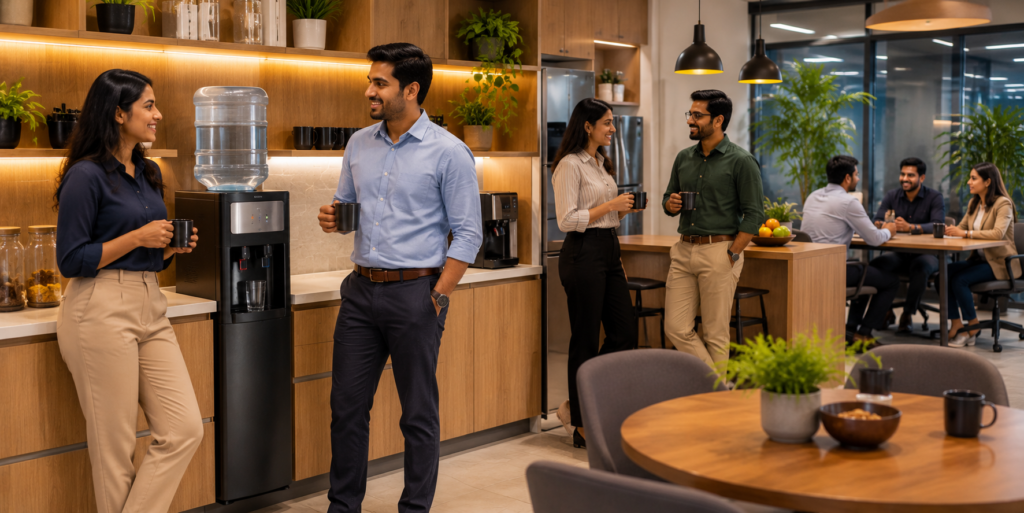
5. Energy Efficiency and Maintenance
Energy-efficient appliances are becoming increasingly important in commercial environments. Modern water cooler systems are designed to reduce electricity consumption while maintaining consistent cooling performance.
Many advanced models now include automatic temperature control and standby modes. These features help lower operational costs over time.
Maintenance is also simple in most modern systems. Regular cleaning, filter replacement, and sanitation checks can ensure safe water quality for long periods.
Additionally, stainless-steel tanks and antibacterial coatings reduce the chances of contamination.
6. Smart Technology in Modern Water Coolers
Technology has transformed traditional cooling systems into smart appliances. Today’s water coolers include several advanced features that improve convenience and user experience.
Touchless Operation
Sensor-based dispensing reduces physical contact and improves hygiene in shared environments.
Smart Temperature Control
Users can adjust water temperature according to personal preferences.
Digital Monitoring
Some premium systems provide filter replacement alerts and maintenance reminders.
Compact Modern Design
Modern units are designed to fit seamlessly into premium office interiors without occupying too much space.
7. Choosing the Right Cooler
Selecting the right cooler depends on several important factors.
Office Size
Large offices may require high-capacity systems with multiple dispensing points, while smaller businesses can choose compact units.
Water Consumption
Estimate daily water usage before purchasing a model. High-traffic workplaces need faster cooling and larger storage capacity.
Maintenance Support
Always choose brands that offer reliable customer support and easy maintenance services.
Energy Ratings
Energy-efficient models may cost slightly more initially, but they reduce electricity expenses over time.
Design and Appearance
A modern office should choose a water cooler that matches the overall workspace aesthetics.
Conclusion
A water cooler is no longer just a simple office appliance. It has become an important part of modern workplace infrastructure. From improving employee hydration to supporting office hygiene and energy efficiency, these systems offer several long-term benefits.
Modern businesses are now choosing smart water cooler solutions that combine technology, convenience, and stylish design. Whether for a small office or a large corporate environment, investing in the right cooling system can improve comfort, productivity, and workplace experience significantly.
Bottleless water coolers are often preferred for offices because they provide continuous water supply, better filtration, and lower long-term operating costs.
A water cooler should generally be cleaned every 4–6 weeks. Regular maintenance helps maintain hygiene and improves water quality.
Yes, many modern water cooler systems include energy-saving technology, automatic temperature control, and eco-friendly operating modes.
