
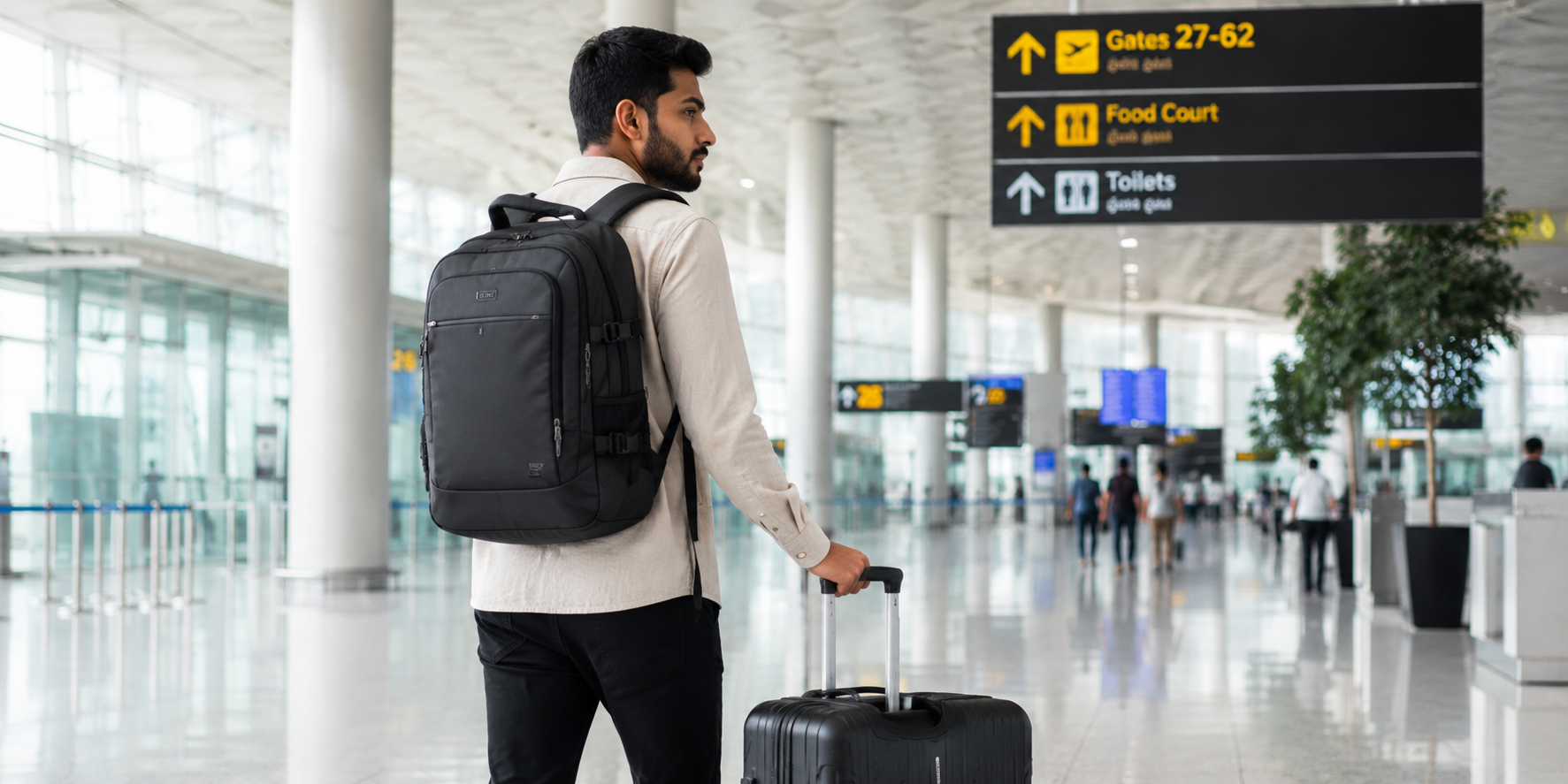
A travel backpack is one of the most important items for any traveler. Whether you are planning a weekend getaway, a business trip, or a long international vacation, the right backpack can make your journey easier and more comfortable.
Many people choose a bag based only on appearance. However, experienced travelers know that comfort, storage, durability, and organization matter much more. A well-designed backpack helps you carry essentials efficiently while reducing stress during travel.
In this guide, you’ll learn the most important features to look for when choosing a backpack and how the right choice can improve your travel experience.
Why a Quality Travel Backpack Matters
Travel often involves moving through airports, train stations, city streets, and hotels. Carrying an uncomfortable bag can quickly turn an enjoyable trip into a tiring experience.
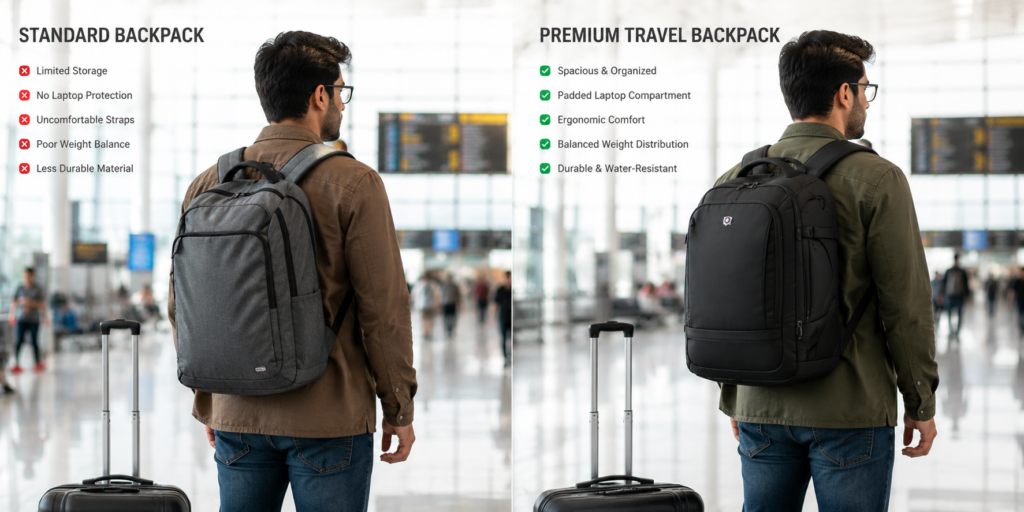
A quality backpack distributes weight evenly across your shoulders and back. It also keeps your belongings organized, making it easier to find what you need without unpacking everything.
Modern travel backpacks are designed specifically for travelers, offering practical compartments, security features, and ergonomic designs that traditional backpacks may not provide.
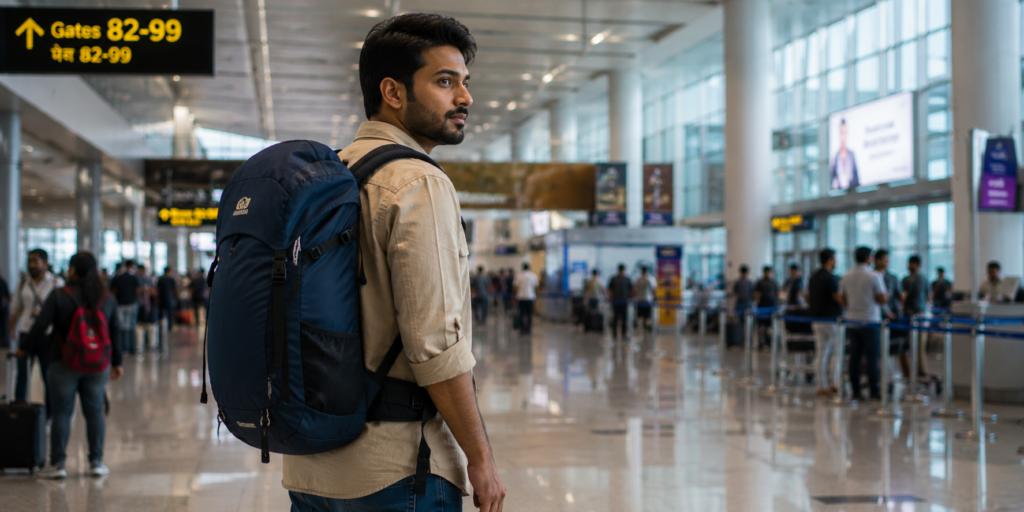
Essential Features of a Travel Backpack
Comfortable Carrying System
Comfort should be your top priority when selecting a backpack. Even a lightweight load can feel heavy if the backpack lacks proper support.
Look for features such as:
- Padded shoulder straps
- Adjustable chest straps
- Breathable back panels
- Waist support belts
- Ergonomic weight distribution
These features help reduce strain during long periods of walking and make carrying heavy items much easier.
Smart Storage and Organization
Good organization saves time and reduces frustration while traveling.
A well-designed travel backpack should include:
- Multiple compartments
- Laptop sleeve
- Quick-access pockets
- Hidden storage areas
- Water bottle holders
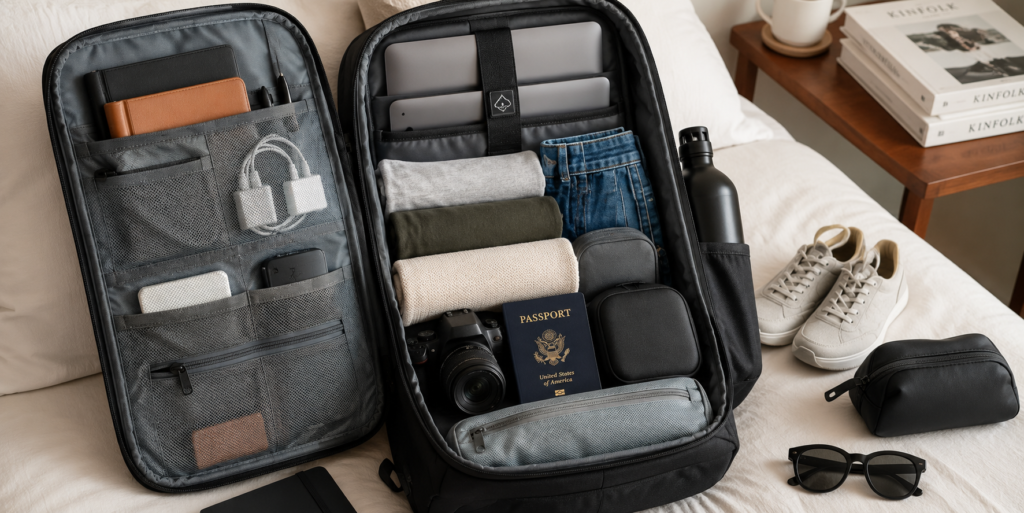
Separate compartments help keep clothing, electronics, travel documents, and personal items organized throughout your journey.
Choosing the Right Size
Backpack size depends on the type and length of your trip.
For short weekend trips, a compact carry-on backpack is often sufficient. Longer journeys may require additional storage space. However, choosing the largest bag available is not always the best solution.
Many experienced travelers prefer medium-sized backpacks because they encourage efficient packing and remain comfortable during extended use.
Before purchasing, check airline carry-on requirements if you plan to travel frequently by air. A backpack that meets cabin baggage rules can save both time and money.
Materials and Durability
The quality of materials directly affects the lifespan of your backpack.
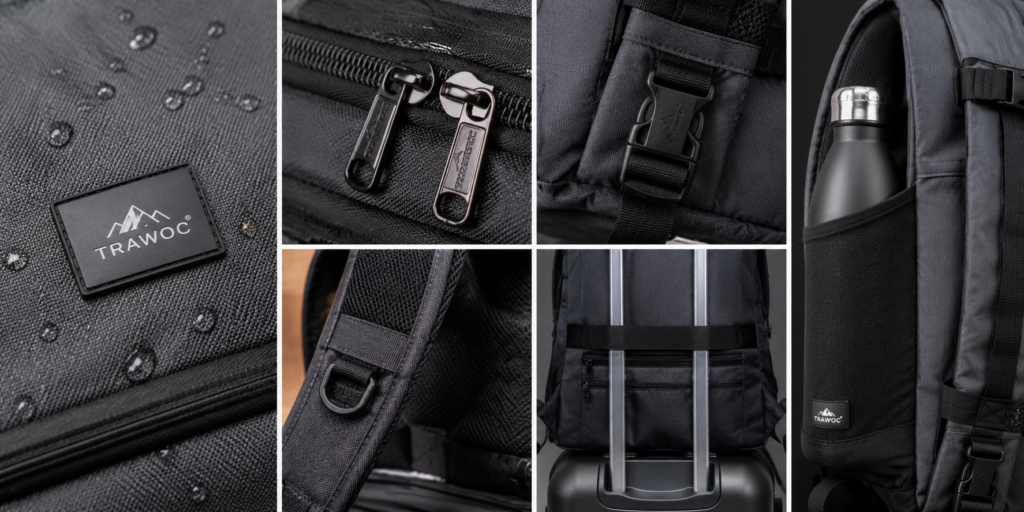
Durable fabrics such as high-density polyester and nylon are commonly used in premium travel backpacks. These materials offer excellent resistance to wear and tear while remaining relatively lightweight.
Water-resistant coatings provide additional protection during unexpected weather conditions. Strong zippers, reinforced stitching, and durable handles are also important indicators of quality construction.
Investing in a durable backpack often proves more economical than replacing a cheaper option every few years.
Security Features for Travelers
Security is a major concern, especially when visiting unfamiliar destinations.
Modern travel backpacks often include several protective features that help safeguard valuable belongings.
Common security features include:
- Lockable zippers
- Hidden pockets
- RFID-blocking compartments
- Anti-theft designs
- Concealed passport storage
These features provide additional peace of mind while traveling through crowded airports, train stations, and tourist attractions.
Keeping important documents and valuables secure reduces the risk of theft and makes travel more enjoyable.
Travel Backpack Comparison Table
| Feature | Basic Backpack | Quality Travel Backpack |
|---|---|---|
| Comfort | Limited padding | Ergonomic support system |
| Organization | Few compartments | Multiple organized sections |
| Security | Basic zippers | Lockable security features |
| Durability | Standard materials | Premium reinforced materials |
| Travel Convenience | Average | Travel-focused design |
| Laptop Protection | Sometimes available | Dedicated padded compartment |
Tips for Packing Efficiently
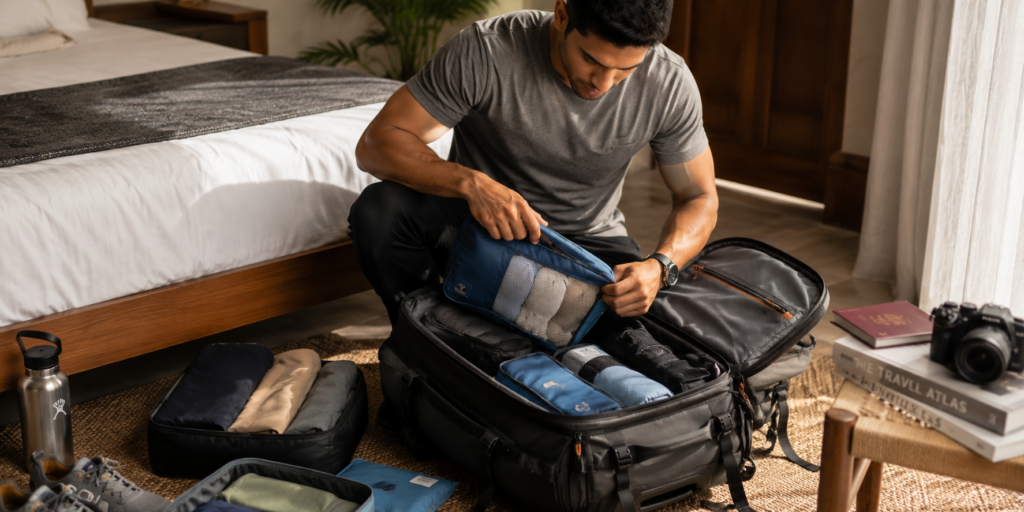
Even the best backpack performs poorly when packed incorrectly.
Follow these practical packing tips:
Pack Heavy Items Near Your Back
Position heavier objects close to your spine to improve balance and reduce strain.
Use Packing Cubes
Packing cubes help organize clothing and maximize available space.
Keep Essentials Accessible
Store passports, boarding passes, chargers, and travel documents in easy-to-reach compartments.
Avoid Overpacking
Carry only what you truly need. A lighter backpack improves mobility and comfort.
Distribute Weight Evenly
Balanced weight distribution prevents discomfort and helps maintain proper posture during long walks.
Conclusion
Choosing the right travel backpack can significantly improve your travel experience. A backpack that offers comfort, durability, security, and smart organization helps you travel with confidence and convenience.
Before making a purchase, consider your travel style, trip duration, and packing requirements. Investing in a quality travel backpack ensures better comfort, improved organization, and fewer travel-related hassles. With the right backpack by your side, every journey becomes more enjoyable and stress-free.
A backpack between 30 and 45 liters is suitable for most travelers. It provides enough space for essentials while remaining comfortable and airline-friendly.
A travel backpack offers greater mobility, especially when navigating crowded areas, public transportation, and uneven terrain. The best choice depends on your travel style.
A well-made backpack constructed from durable materials can last several years with proper care. Premium models often remain reliable through hundreds of trips.
