
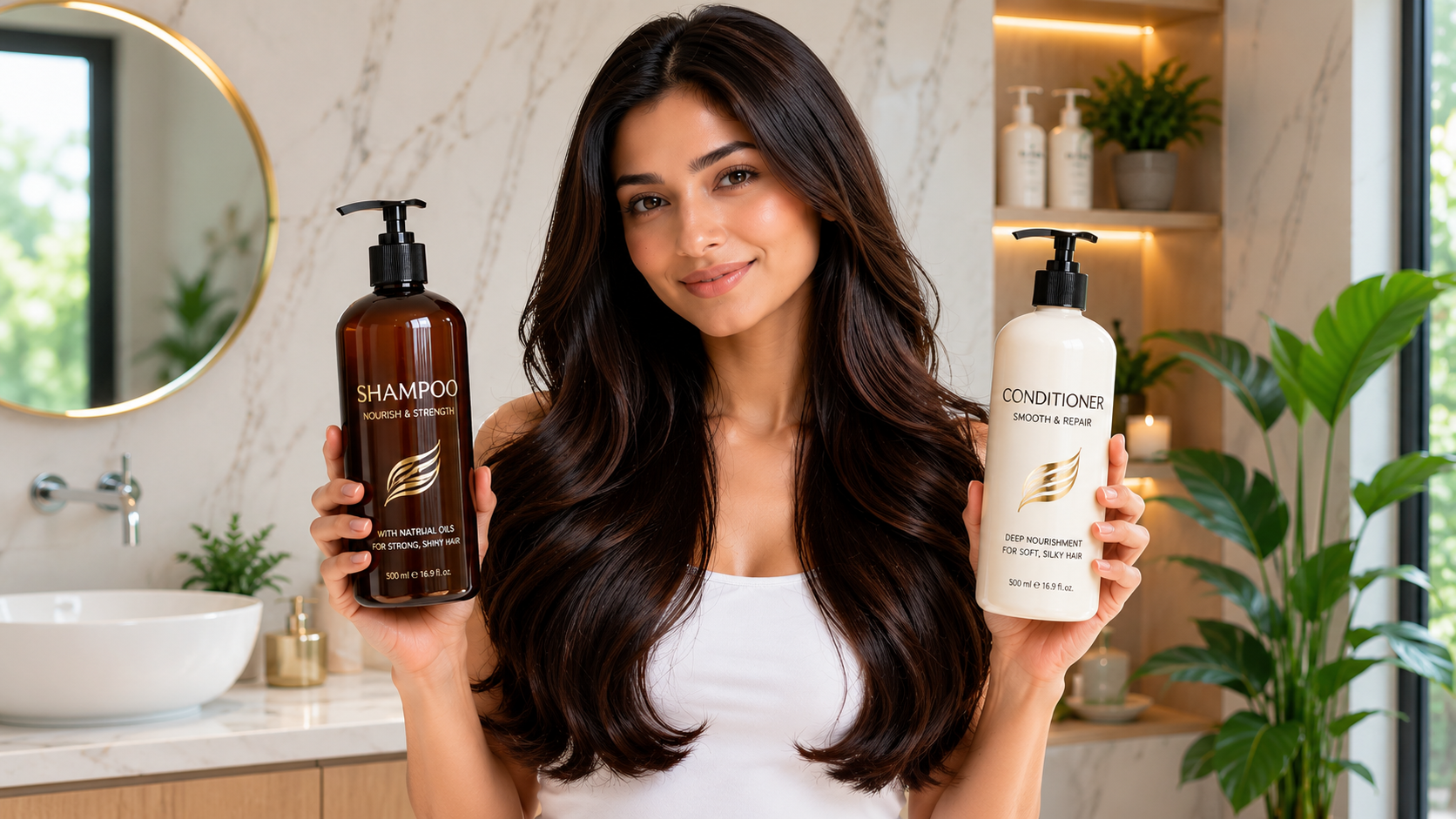
Shampoo and conditioner are two of the most important products in any hair care routine. While many people use them every day, few understand how much their choice and usage can impact hair health. Strong, shiny, and manageable hair is not only about genetics. It is also about following the right hair care habits consistently.
Whether your hair is dry, oily, curly, straight, or damaged, understanding how shampoo and conditioner work together can help you achieve better results. In this guide, you’ll learn six practical secrets that can help improve hair strength, reduce breakage, and keep your hair looking healthy every day.
Why Shampoo and Conditioner Matter
Hair faces daily exposure to dust, pollution, sweat, UV rays, and styling products. Over time, these factors can weaken hair strands and affect overall hair health.
Shampoo helps cleanse the scalp by removing excess oil, dirt, and buildup. Conditioner restores moisture, smooths the hair cuticle, and protects strands from damage. Together, they create a balanced foundation for healthier and stronger hair.
People often focus only on cleansing. However, conditioning is equally important because it helps maintain softness, hydration, and manageability.
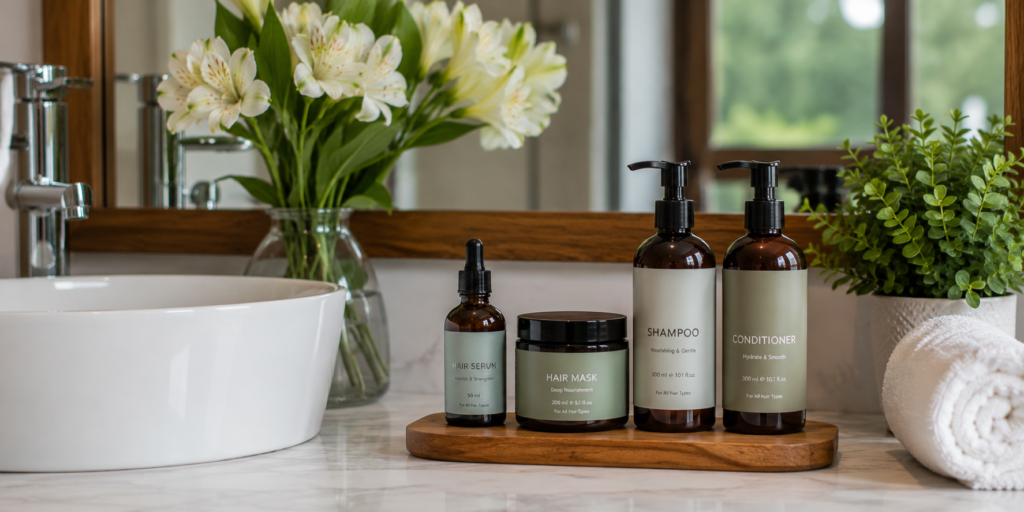
Secret #1: Choose Products According to Your Hair Type
The first step toward stronger hair is selecting the right products.
For Dry Hair
Choose moisturizing formulas that contain nourishing ingredients such as argan oil, coconut oil, shea butter, or aloe vera. These ingredients help replenish moisture and reduce dryness.
For Oily Hair
Lightweight formulas work best. Look for products designed to control excess oil without stripping the scalp of its natural balance.
For Damaged Hair
Repair-focused products containing keratin, proteins, and vitamins can help strengthen weakened strands and improve hair texture.
Using products that match your hair type can significantly improve long-term hair health.
Secret #2: Wash Your Hair Correctly
Many people unknowingly damage their hair during washing.
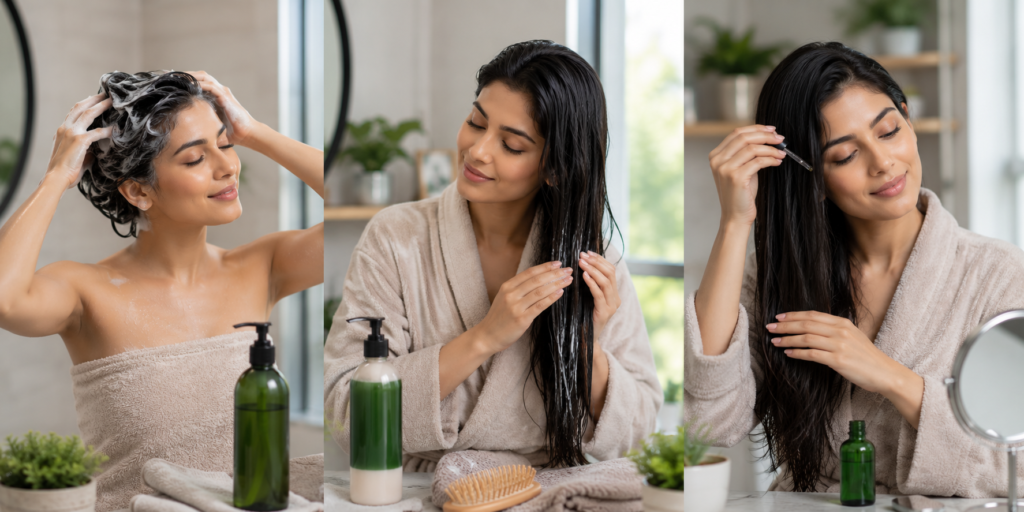
Start by thoroughly wetting your hair with lukewarm water. Apply shampoo mainly to the scalp and gently massage with your fingertips. Avoid using your nails because they can irritate the scalp.
After cleansing, rinse completely before applying conditioner. Conditioner should primarily be applied to the mid-lengths and ends rather than directly on the scalp.
Proper washing techniques help maintain natural oils while ensuring effective cleansing.
Secret #3: Never Skip Conditioning
One of the biggest hair care mistakes is skipping conditioner.
Conditioner helps seal moisture into the hair shaft. It reduces friction between strands, making hair easier to comb and style. In addition, it helps prevent split ends and minimizes breakage.
Even individuals with oily hair benefit from conditioning. The key is selecting a lightweight conditioner that provides hydration without creating excessive buildup.
Consistent conditioning leads to smoother, shinier, and healthier-looking hair.
Secret #4: Focus on Scalp Health
Strong hair begins with a healthy scalp.
A scalp covered with excess oil, product residue, or dead skin cells may affect hair growth and overall hair quality. Maintaining scalp cleanliness helps create a better environment for healthy hair development.
Simple practices such as gentle scalp massage, regular cleansing, and avoiding excessive product buildup can support scalp health over time.
Healthy roots often lead to stronger and more resilient hair strands.
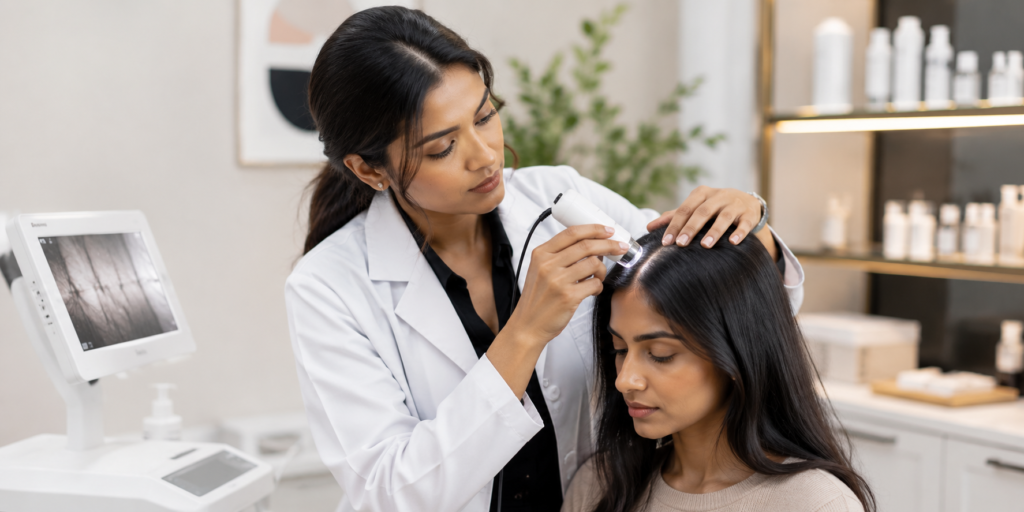
Secret #5: Protect Hair from Daily Damage
Hair damage often occurs gradually through everyday habits.
Common causes include:
- Excessive heat styling
- Frequent chemical treatments
- Tight hairstyles
- Harsh brushing
- Sun exposure
- Environmental pollution
To reduce damage, limit the use of heat tools and avoid aggressive brushing when hair is wet. Furthermore, using protective products can help minimize environmental stress.
Small protective habits can make a noticeable difference over time.
Secret #6: Follow a Consistent Hair Care Routine
Consistency is one of the most overlooked factors in hair care.
Many people frequently switch products after only a few uses. However, hair often requires several weeks to respond to a new routine.
A simple routine may include:
- Cleansing with a suitable shampoo
- Conditioning after every wash
- Weekly deep conditioning treatment
- Regular trimming
- Protecting hair from heat and sun
Following these steps consistently can help improve overall hair strength and appearance.
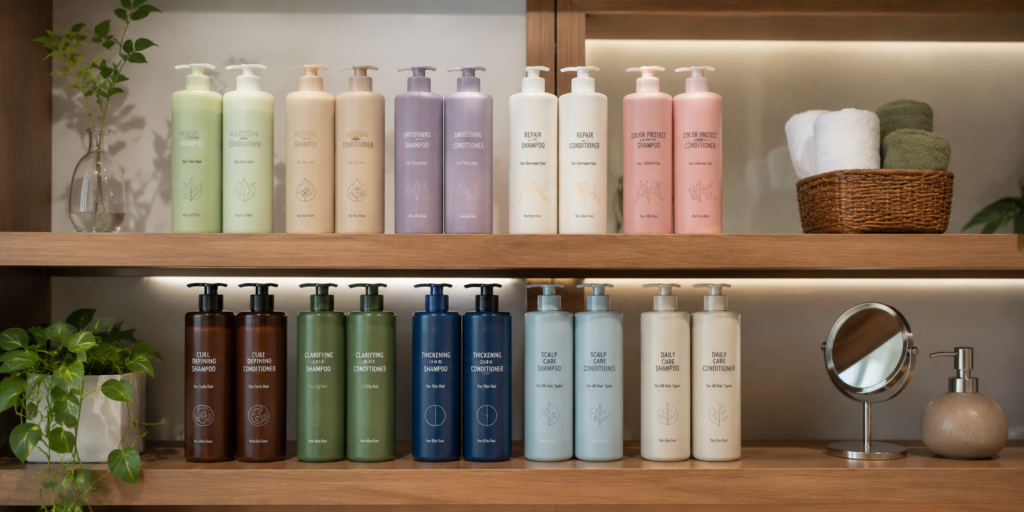
Shampoo and Conditioner Comparison Table
| Hair Type | Recommended Shampoo | Recommended Conditioner | Primary Benefit |
|---|---|---|---|
| Dry Hair | Moisturizing Formula | Deep Hydration Conditioner | Moisture Retention |
| Oily Hair | Clarifying Formula | Lightweight Conditioner | Oil Control |
| Damaged Hair | Protein-Based Shampoo | Repair Conditioner | Strengthening |
| Curly Hair | Sulfate-Free Shampoo | Curl Enhancing Conditioner | Frizz Control |
| Fine Hair | Volumizing Shampoo | Lightweight Conditioner | Added Volume |
| Color-Treated Hair | Color Protection Shampoo | Color Safe Conditioner | Color Preservation |
Conclusion
Using the right shampoo and conditioner is one of the simplest yet most effective ways to support stronger and healthier hair. By choosing products based on your hair type, following proper washing techniques, maintaining scalp health, and staying consistent with your routine, you can significantly improve hair quality over time.
Strong hair is not achieved overnight. However, small daily improvements in your hair care habits can lead to noticeable long-term results. Start applying these six secrets today and enjoy healthier, shinier, and more resilient hair.
Most people benefit from washing their hair two to three times per week. However, frequency depends on hair type, scalp condition, and lifestyle.
Yes, occasionally. However, shampoo is important for removing dirt and oil buildup. Using both products together usually provides the best results.
Sulfate-free shampoos are often gentler and may help reduce dryness, especially for people with color-treated, curly, or sensitive hair.
