
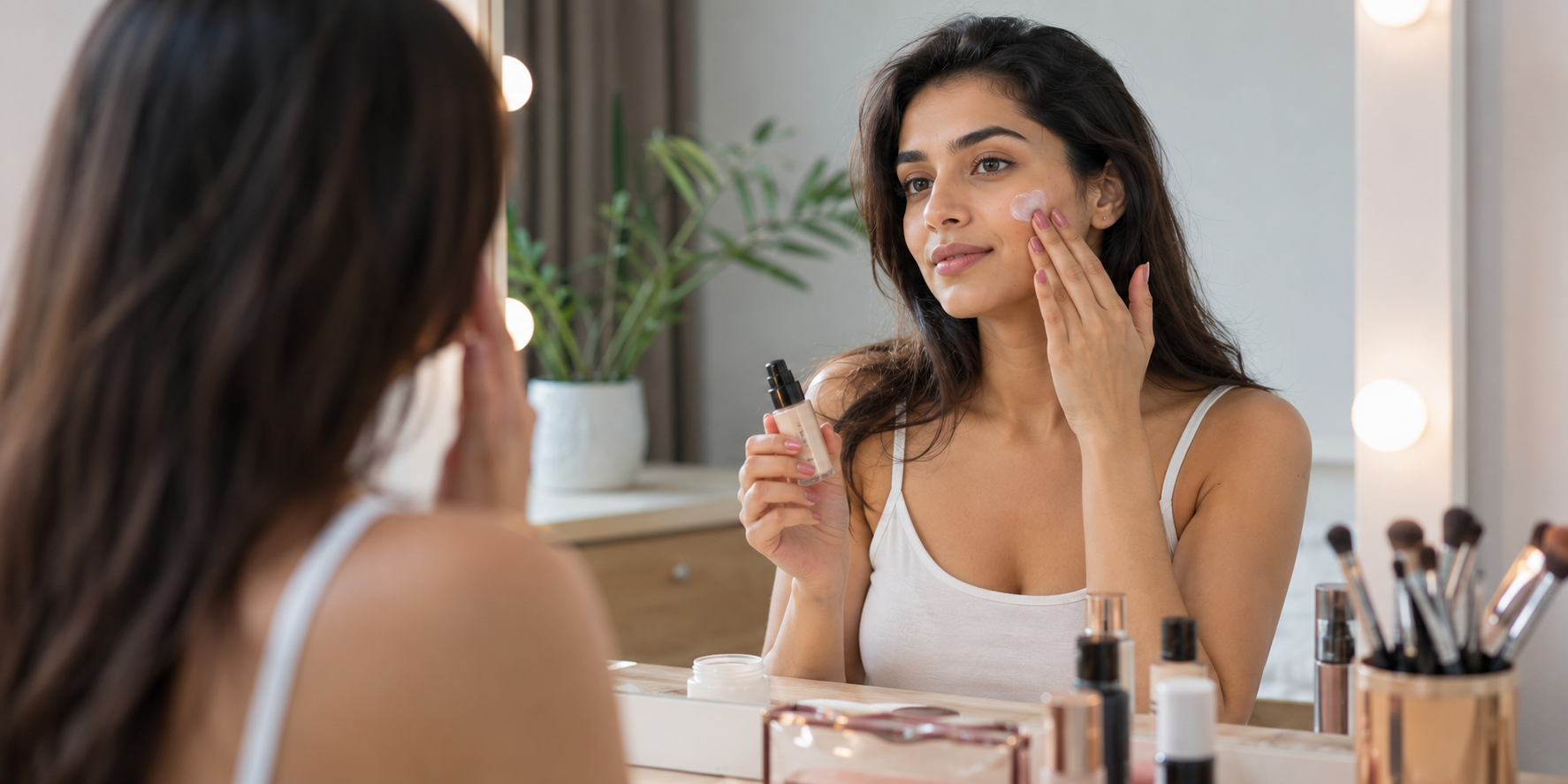
Primer make up is one of the most important yet often overlooked products in a makeup routine. While many people spend time choosing the perfect foundation or concealer, the quality of the final look often depends on how well the skin is prepared beforehand. A good primer creates a smooth canvas, improves makeup longevity, minimizes the appearance of pores, and helps foundation blend effortlessly.
Whether you’re creating a natural everyday look or glamorous party makeup, the right primer can make a noticeable difference. Today’s beauty market offers primers designed for oily skin, dry skin, combination skin, and even mature skin. Understanding how they work helps you choose the best product for your individual needs.
This guide explains everything you need to know about primer make up, including its benefits, different types, and expert application tips for achieving a flawless finish.
What Is Primer Make Up?
Primer make up is a cosmetic product applied after skincare and before foundation. It creates a thin protective layer over the skin, allowing makeup products to glide on smoothly while improving their staying power. Think of it as preparing a wall before painting—when the surface is even, the final result looks cleaner and lasts longer.
Unlike moisturizer, primer is specifically formulated to improve makeup performance. Some formulas contain ingredients that blur pores, while others provide hydration or reduce excess oil. Modern primers are also available with skincare benefits such as hyaluronic acid, niacinamide, antioxidants, and vitamins.
Because different skin types have different concerns, manufacturers now produce specialized primers instead of one universal formula. This allows users to target specific issues without compromising makeup quality.
How Primer Works
Primer fills tiny imperfections on the skin’s surface. Instead of foundation settling into pores or fine lines, it spreads evenly across the face.
At the same time, primer creates better adhesion between the skin and makeup. As a result, foundation stays fresh for longer and is less likely to separate or fade during the day.
Many professional makeup artists consider primer an essential step because it improves both the appearance and durability of makeup without requiring additional effort.
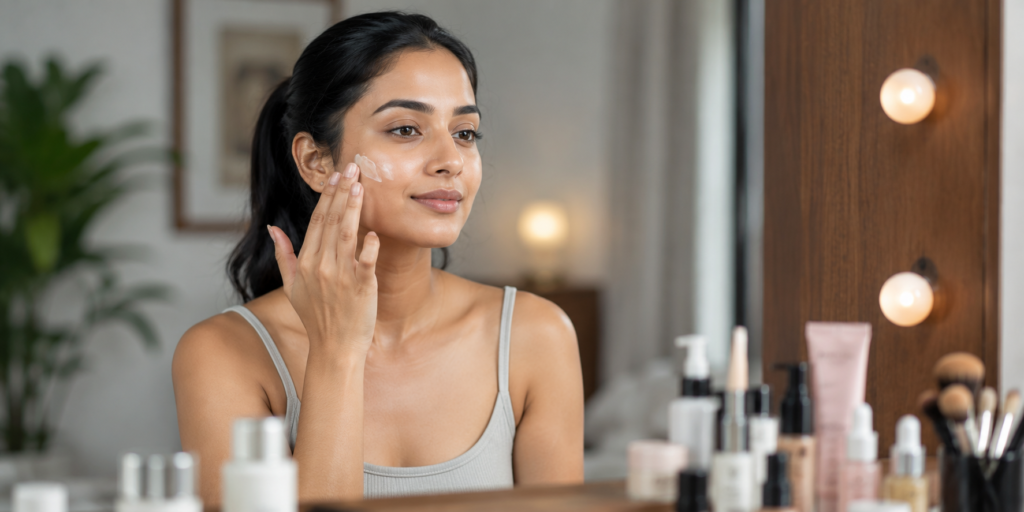
Why Primer Is Important Before Makeup
Skipping primer doesn’t always ruin makeup, but using one often produces noticeably better results. Even expensive foundation performs better when applied over properly prepared skin.
A quality primer helps reduce common makeup problems such as patchiness, uneven texture, fading, and excessive shine. It also improves blending, making foundation appear more natural.
People who wear makeup for long office hours, weddings, outdoor events, or photo shoots especially benefit from primer because it extends wear time significantly.
Major Benefits of Primer Make Up
Creates a Smooth Canvas
Primer fills small pores and softens uneven texture. Foundation glides across the skin instead of collecting in rough areas.
Helps Makeup Last Longer
One of the biggest advantages of primer is improved longevity. Your foundation, blush, and concealer remain fresh for many more hours without frequent touch-ups.
Controls Excess Oil
Mattifying primers reduce shine by absorbing excess oil throughout the day. This is especially helpful for oily and combination skin.
Prevents Dry Patches
Hydrating primers add moisture before foundation application. Consequently, makeup looks fresh instead of flaky or cakey.
Improves Foundation Finish
Whether you prefer matte, satin, or dewy makeup, primer helps enhance the final appearance while creating a more even complexion.
Different Types of Primer Make Up
Not every primer performs the same function. Manufacturers formulate primers for specific skin concerns and makeup finishes. Choosing the correct type improves both comfort and performance.
Mattifying Primer
Mattifying primers are ideal for oily skin because they absorb excess sebum throughout the day. They create a soft matte finish while helping makeup remain intact in humid weather.
People with oily T-zones often notice significantly less shine after switching to a mattifying formula.
Hydrating Primer
Dry skin requires moisture before foundation application. Hydrating primers contain ingredients such as glycerin, hyaluronic acid, and plant extracts that improve skin hydration.
These formulas prevent foundation from settling into dry patches while creating a fresh, healthy-looking complexion.
Illuminating Primer
Illuminating primers contain light-reflecting particles that brighten dull skin without looking glittery. They create a radiant finish that’s popular for bridal and festive makeup.
Instead of making the face shiny, they provide a soft glow that looks natural in daylight and photographs.
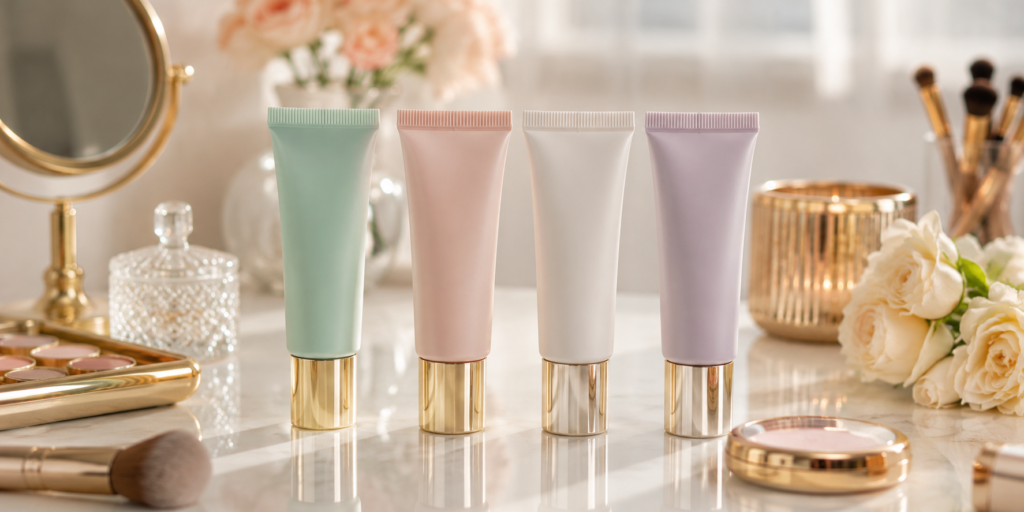
Color-Correcting Primer
Color-correcting primers help neutralize uneven skin tones before foundation.
Common shades include:
- Green for redness
- Purple for dull skin
- Peach for pigmentation
- Yellow for discoloration
Using the correct shade allows foundation to appear more even with less product.
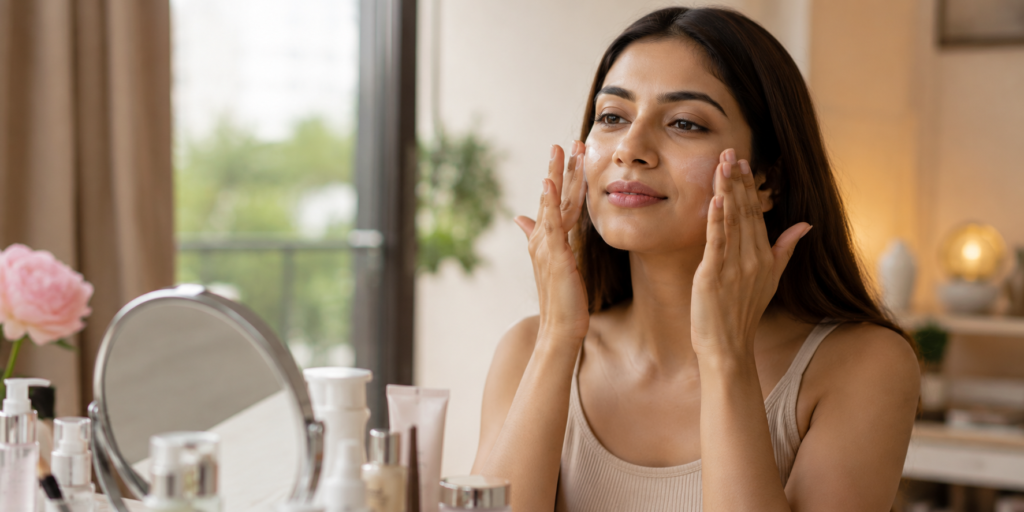
How to Apply Primer Correctly
Applying primer may seem simple, but using the correct technique can make a significant difference in how your makeup looks and lasts. A few extra minutes during preparation can help create a smoother finish and prevent common makeup problems like patchiness or fading.
Step 1: Start with Clean Skin
Wash your face with a gentle cleanser to remove excess oil, dirt, and leftover skincare products. Clean skin allows primer to adhere properly and prevents buildup beneath foundation.
Step 2: Apply Moisturizer
Even if your primer contains hydrating ingredients, moisturizer remains an essential step. Choose a moisturizer suitable for your skin type and allow it to absorb for two to three minutes before moving on.
Step 3: Use a Small Amount of Primer
A pea-sized amount is enough for most faces. Applying too much primer can cause foundation to pill or slide throughout the day. Start with less and add a little more only if necessary.
Step 4: Blend Evenly
Use clean fingertips, a makeup sponge, or a brush to spread the primer gently over your forehead, cheeks, nose, and chin. Focus on areas where makeup usually fades first or where pores are more visible.
Step 5: Let It Set
Wait one to two minutes before applying foundation. This gives the primer time to settle and form an even base, helping your makeup stay fresh for longer.
Conclusion
Primer make up is more than just an extra step in your beauty routine. It creates the ideal foundation for smooth, even, and long-lasting makeup while helping address common skin concerns such as excess oil, dryness, enlarged pores, and uneven texture. Choosing the right primer according to your skin type can significantly improve both the appearance and durability of your makeup.
Whether you wear makeup every day or only for special occasions, investing in a quality primer can make a noticeable difference. From creating a flawless base to helping foundation stay fresh throughout the day, primer supports every other makeup product you apply.
Primer is not mandatory, but it helps foundation apply more evenly, improves makeup longevity, minimizes pores, and creates a smoother finish. If you want makeup to last longer, using a primer is highly recommended.
Mattifying primers are the best choice for oily skin because they absorb excess oil, reduce unwanted shine, and help foundation stay fresh throughout the day without looking greasy.
Yes. Many people wear primer alone to smooth skin texture, reduce the appearance of pores, and control shine while maintaining a natural, lightweight look. Some illuminating primers also give the skin a healthy glow without additional makeup.
