
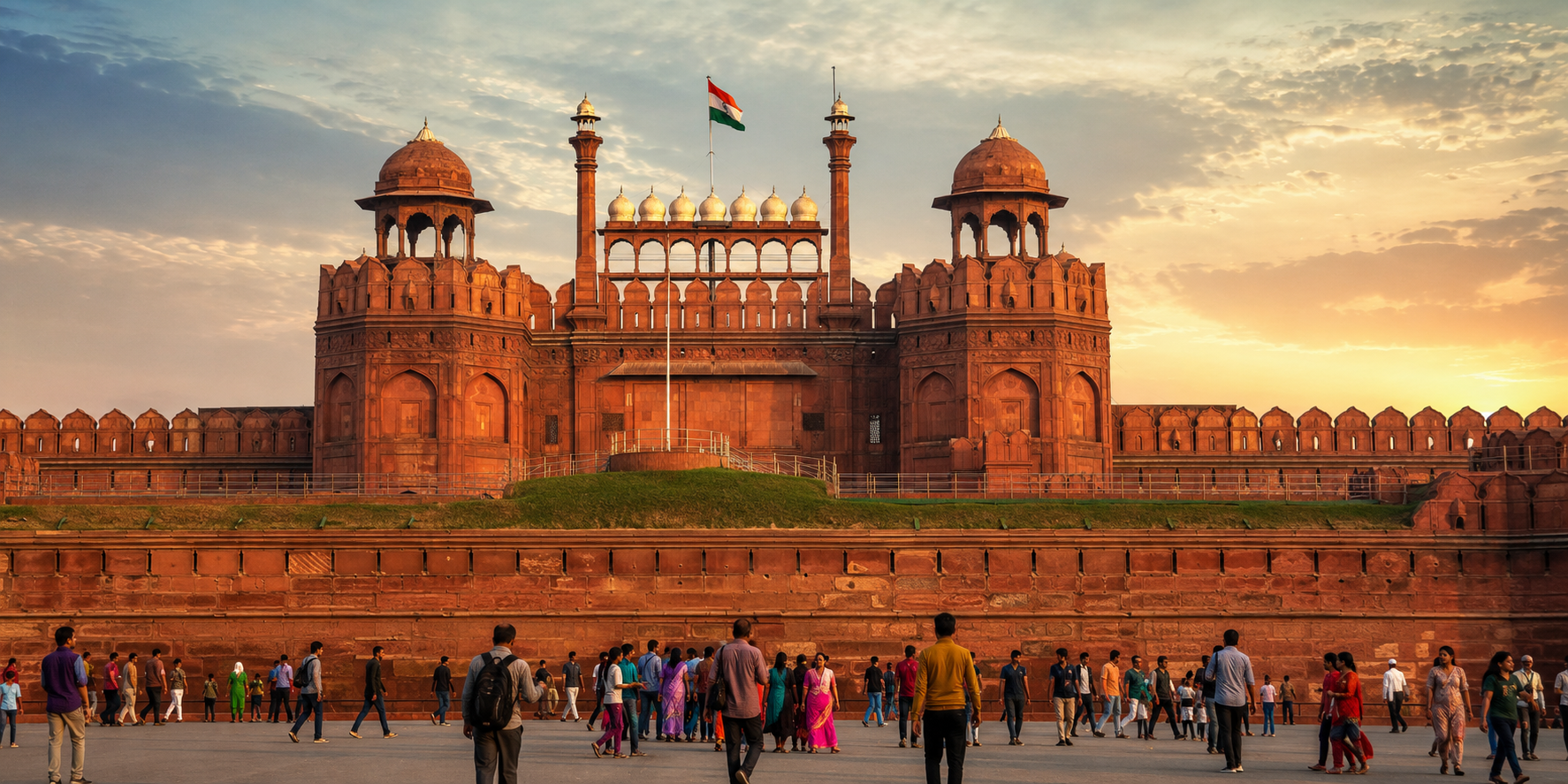
Red Fort is one of the most iconic historical landmarks in India and a must-visit destination for anyone exploring Delhi. Known for its magnificent Mughal architecture, rich cultural history, and patriotic significance, the fort attracts millions of visitors every year. Whether you love history, photography, architecture, or cultural travel, this monument offers an unforgettable experience in the heart of Old Delhi.
Built by Mughal Emperor Shah Jahan in the 17th century, the Red Fort stands as a symbol of India’s glorious past. Today, it is recognized as a UNESCO World Heritage Site and remains one of the most visited tourist attractions in the country.
History of Red Fort
The Red Fort was constructed in 1638 when Shah Jahan shifted the Mughal capital from Agra to Delhi. The fort took nearly ten years to complete and became the main residence of Mughal emperors for over 200 years.
The structure gets its name from the massive red sandstone walls that surround the complex. Over the centuries, the fort witnessed several important historical events, including the decline of the Mughal Empire and India’s struggle for independence.
Today, the Prime Minister of India hoists the national flag from the Red Fort every Independence Day, making it an important national symbol.
Why Red Fort Is Famous
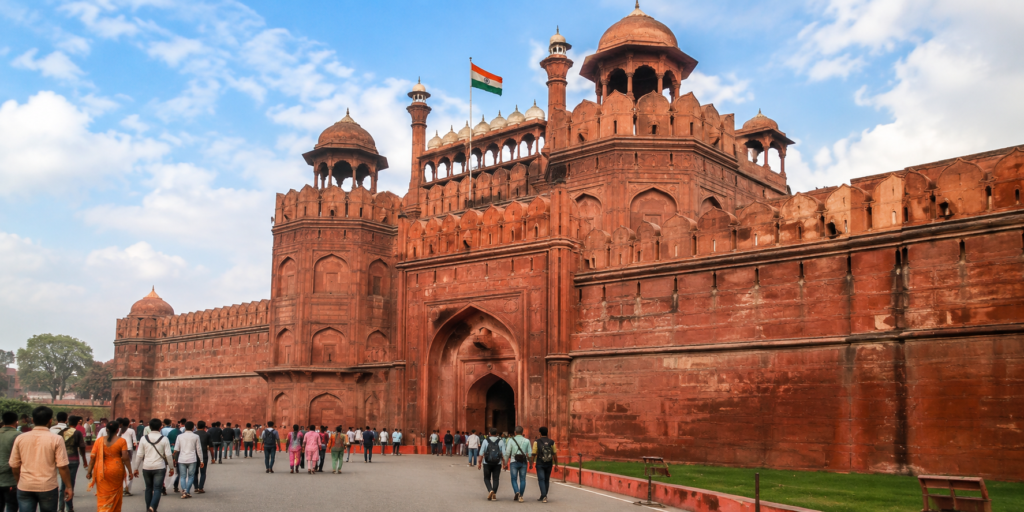
The Red Fort is famous not only for its architecture but also for its historical importance. The combination of Persian, Timurid, and Indian architectural styles makes the monument visually stunning.
Its large gateways, beautiful gardens, royal halls, and decorative marble structures attract architecture enthusiasts from around the world. Moreover, the fort represents India’s freedom and national pride.
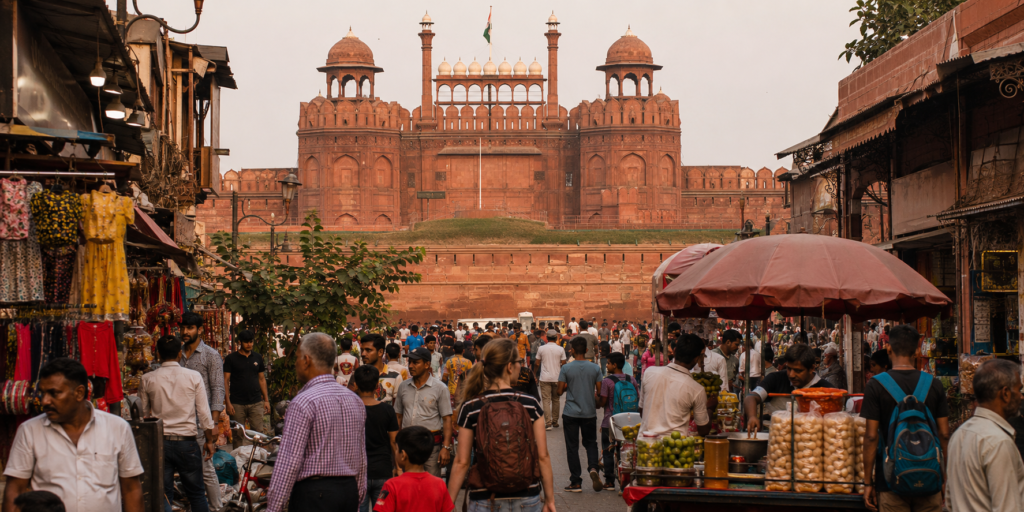
Tourists also love the lively atmosphere around the fort. Nearby markets like Chandni Chowk add a traditional Delhi experience filled with food, shopping, and local culture.
Best Time to Visit Red Fort
The best time to visit the Red Fort is during the winter months from October to March. During this period, Delhi’s weather remains pleasant, making sightseeing more comfortable.
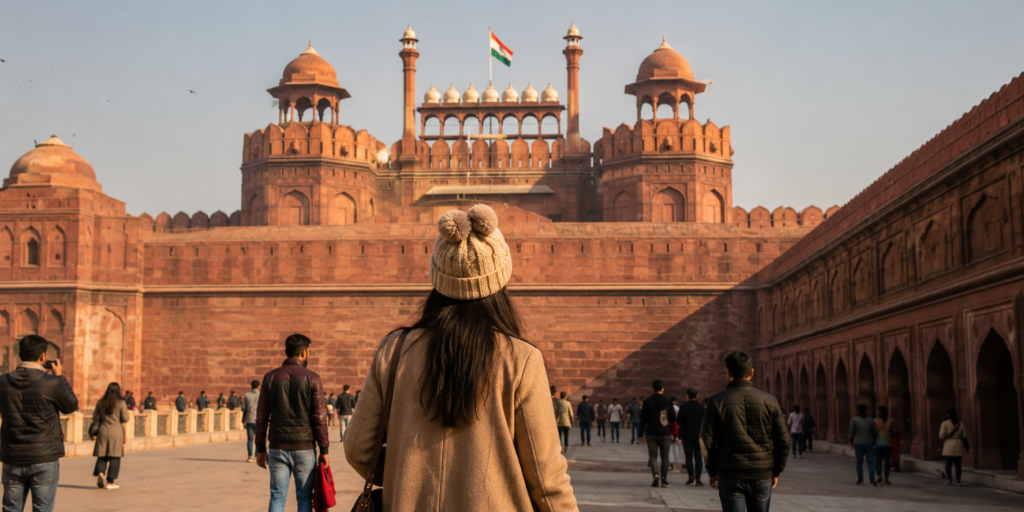
Early mornings and late afternoons are ideal for photography because the sunlight enhances the red sandstone walls beautifully. Avoid visiting during peak summer afternoons as temperatures in Delhi can become extremely high.
If possible, plan your visit during weekdays to avoid heavy crowds.
Red Fort Timings and Ticket Information
Before planning your visit, it is important to know the entry timings and ticket details.
| Information | Details |
|---|---|
| Opening Days | Tuesday to Sunday |
| Closed On | Monday |
| Timings | 9:30 AM to 4:30 PM |
| Indian Ticket Price | Affordable standard entry |
| Foreign Tourist Ticket | Higher international fee |
| Light & Sound Show | Evening timings available |
Online ticket booking is usually recommended because it helps visitors avoid long queues. Carrying a valid ID can also make the entry process smoother.
Major Attractions Inside Red Fort
Lahori Gate
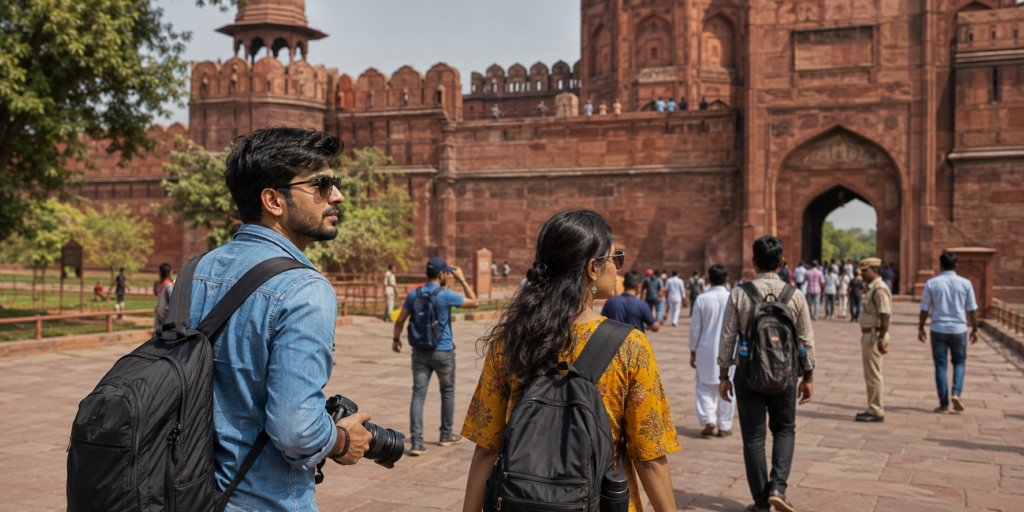
Lahori Gate is the main entrance of the Red Fort and one of its most photographed areas. The gateway showcases impressive Mughal craftsmanship and serves as the starting point for visitors.
Diwan-i-Aam
This hall was used by the emperor to address the public and listen to their concerns. The structure reflects royal elegance with its grand arches and decorative interiors.
Diwan-i-Khas
Diwan-i-Khas was the private audience hall where important guests and royal officials met the emperor. The hall once featured the famous Peacock Throne.
Rang Mahal
Rang Mahal was designed for the royal women and is known for its beautiful decorations and luxurious interiors.
Museums Inside the Fort
The Red Fort complex also contains museums displaying historical weapons, freedom movement artifacts, and Mughal-era items.
Travel Tips for Visitors
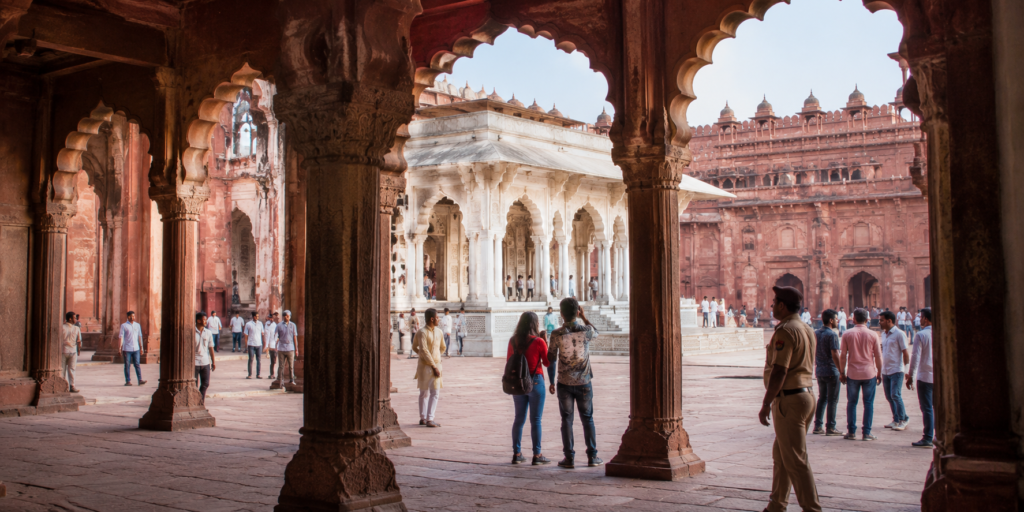
Visiting the Red Fort becomes much more enjoyable with proper planning. Here are some useful travel tips for first-time visitors:
Wear Comfortable Footwear
The fort complex is large, and visitors often walk long distances. Comfortable shoes make exploration easier.
Carry Water and Essentials
Delhi weather can become warm, especially during summer. Therefore, carrying water, sunglasses, and sunscreen is recommended.
Reach Early
Morning visits usually offer smaller crowds and better opportunities for photography.
Explore Nearby Food Streets
After visiting the fort, you can explore Chandni Chowk for authentic Delhi street food like parathas, chaat, and jalebi.
Use Metro for Convenience
The nearest metro station provides an affordable and hassle-free travel option in Delhi.
Places to Visit Near Red Fort
Chandni Chowk
One of the oldest markets in Delhi, Chandni Chowk is famous for street food, traditional clothing, spices, and jewelry.
Jama Masjid
Located close to the Red Fort, Jama Masjid is one of the largest mosques in India and an architectural masterpiece.
Raj Ghat
Raj Ghat is a peaceful memorial dedicated to Mahatma Gandhi and is located a short distance away.
Spice Market
Khari Baoli, Asia’s largest spice market, offers a colorful and energetic shopping experience.
Conclusion
The Red Fort is much more than a historical monument. It is a powerful symbol of India’s heritage, culture, and independence. From stunning Mughal architecture to vibrant nearby markets, every corner of the fort tells a story from the past.
Whether you are a history lover, photographer, or travel enthusiast, visiting the Red Fort offers an unforgettable experience in Delhi. With proper planning and the right timing, you can enjoy one of India’s most remarkable travel destinations comfortably and meaningfully.
The best time to visit the Red Fort is between October and March when Delhi experiences pleasant weather suitable for sightseeing and photography.
Most visitors spend around 2 to 3 hours exploring the fort, museums, gardens, and nearby attractions comfortably.
Yes, photography is generally allowed in most outdoor areas of the Red Fort, making it a great destination for travel and architectural photography.
