
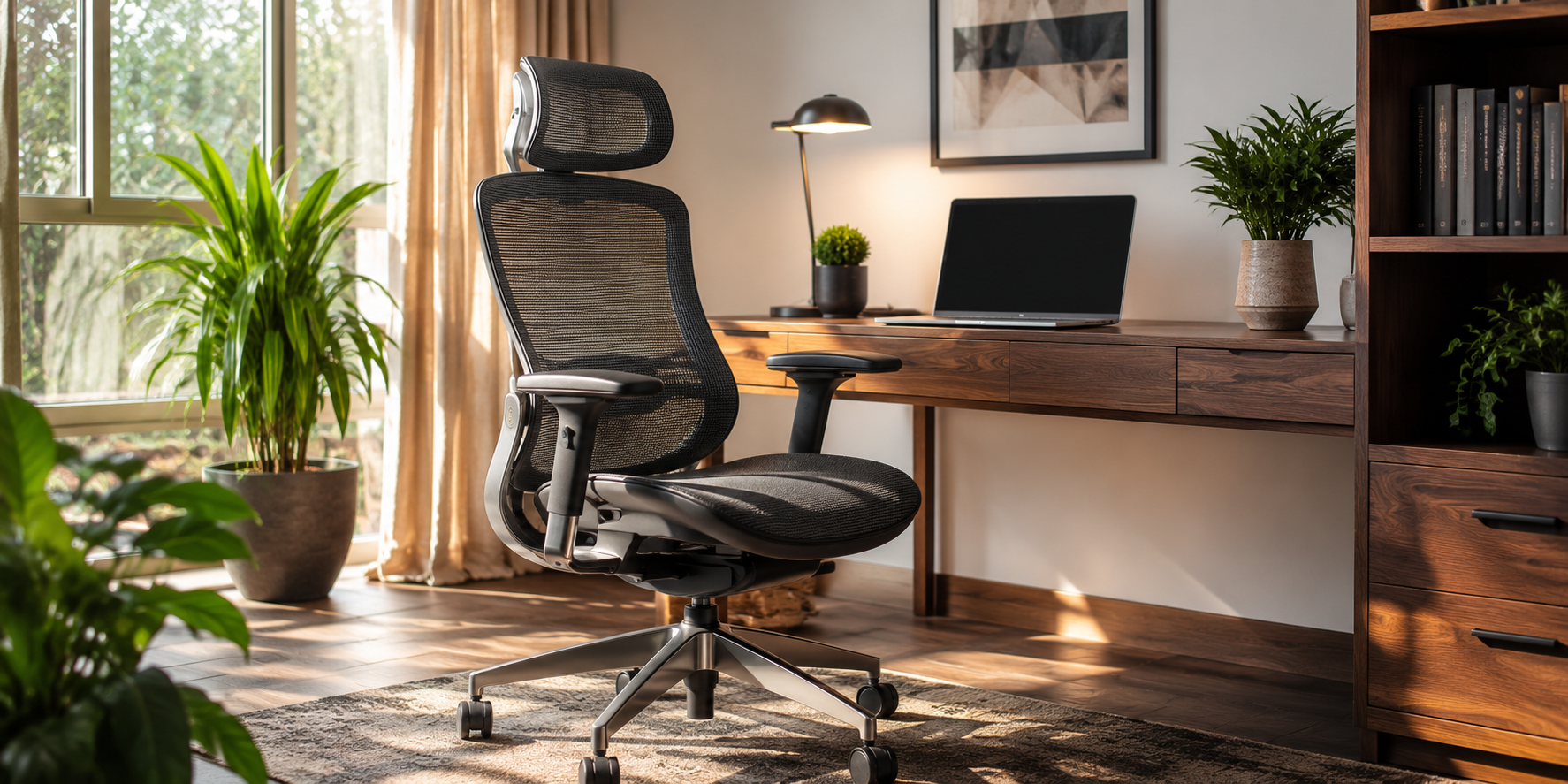
Office chair comfort has become more important than ever in modern work culture. People now spend long hours sitting in front of laptops, attending meetings, gaming, or managing remote work tasks. A poorly designed chair can lead to back pain, neck strain, fatigue, and reduced productivity. On the other hand, the right seating setup improves posture, supports your body, and creates a more professional workspace experience.
Many people buy a chair based only on appearance. However, comfort, support, adjustability, and durability matter much more in the long run. A quality office chair is not just furniture; it is an investment in health and daily performance.
Why an Office Chair Matters for Daily Comfort
An office setup affects both physical health and mental focus. Sitting for several hours on a hard or poorly designed chair puts pressure on the spine and shoulders. Over time, this creates discomfort and poor posture habits.
An ergonomic office chair supports the natural curve of the spine. It keeps the body aligned and reduces unnecessary stress on muscles. In addition, adjustable seating improves circulation and helps users stay comfortable during long work sessions.
Professionals working from home especially benefit from investing in a supportive chair. Since home offices are now a permanent part of many lifestyles, comfort should never be ignored.
Better Posture Improves Productivity
When posture improves, concentration also increases. A comfortable sitting position reduces fatigue and allows users to work longer without discomfort. Therefore, choosing the right office chair can directly impact efficiency and mood throughout the day.
Long-Term Health Benefits
A supportive chair reduces the risk of chronic neck pain, lower back strain, and shoulder stiffness. Moreover, proper lumbar support helps maintain spinal alignment even during extended sitting hours.

Important Features to Look for in an Office Chair
Not all chairs offer the same level of support. Some are designed mainly for appearance, while others focus on comfort and posture correction. Before purchasing, understanding key features can help make a smarter decision.
Adjustable Lumbar Support
Lumbar support is essential because it protects the lower back area. Adjustable support allows users to customize the chair according to body shape and sitting style.
Seat Height Adjustment
A proper chair height keeps feet flat on the floor and knees at a comfortable angle. This improves circulation and prevents pressure on the legs.
Breathable Material
Mesh-backed chairs are popular because they allow airflow and prevent sweating during long work sessions. In addition, breathable fabric feels lighter and more comfortable in warm climates.
Armrest Flexibility
Adjustable armrests reduce shoulder tension and support natural arm positioning while typing or using a mouse.
Smooth Mobility
Good wheels and swivel movement improve convenience and flexibility. This is especially useful in modern workspaces where multitasking is common.
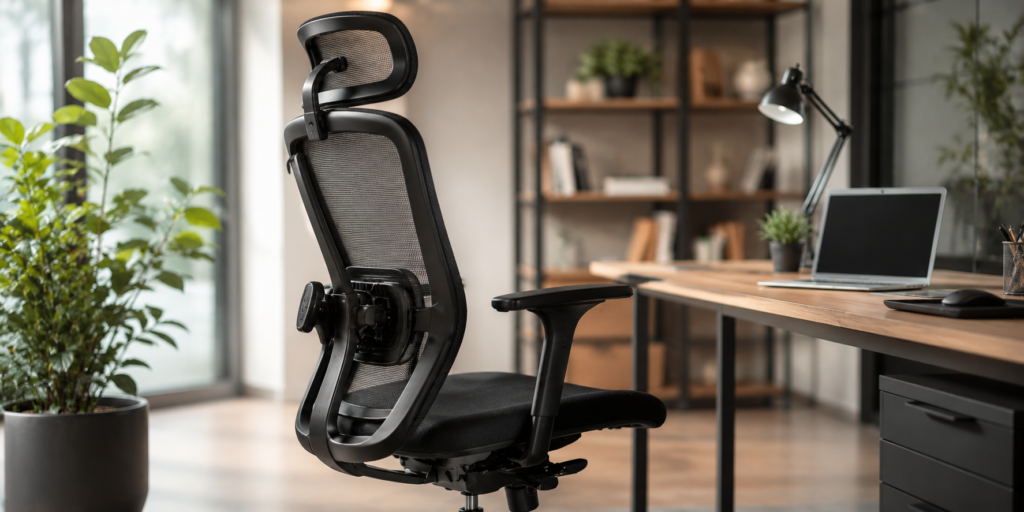
How to Choose the Right Office Chair for Your Workspace
Choosing the right chair depends on work style, room size, and personal comfort preferences. Some people need extra back support, while others prioritize mobility or aesthetics.
Consider Your Working Hours
If you work for more than six hours daily, investing in a high-quality ergonomic office chair becomes essential. A basic chair may feel acceptable initially but can create discomfort over time.
Match the Chair With Your Desk Setup
The height and size of the chair should complement the desk. A balanced workspace improves posture and creates a clean professional look.
Prioritize Comfort Over Style
Modern chairs look attractive, but comfort should always come first. A stylish chair without support may eventually cause health problems.
Test Cushion Quality
Seat cushioning should feel firm yet supportive. Extremely soft cushions may lose shape quickly and reduce comfort over time.
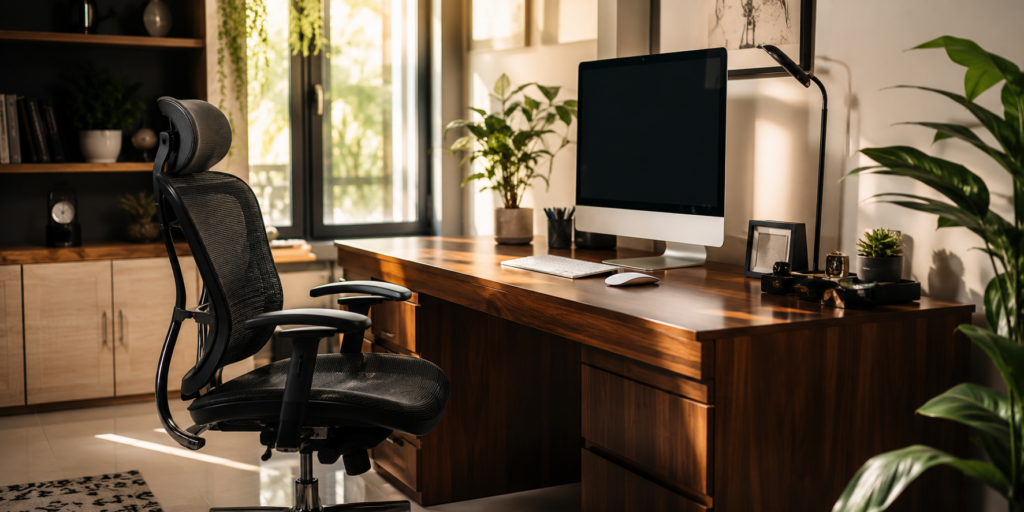
Common Office Chair Mistakes to Avoid
Many users unknowingly make mistakes that reduce the effectiveness of even a high-quality chair. Understanding these errors helps maximize comfort and chair lifespan.
Ignoring Sitting Posture
Even the best office chair cannot help if posture remains poor. Sitting too far forward or slouching places unnecessary strain on the body.
Choosing Cheap Quality
Budget chairs often use low-quality materials and weak support systems. Although they may save money initially, they usually wear out quickly.
Not Adjusting the Chair Properly
People often forget to adjust seat height, armrests, or recline settings. Proper adjustments are important for personalized comfort.
Using One Position All Day
Remaining in the same sitting position for hours reduces circulation. Therefore, users should stretch or stand briefly every hour.

Smart Tips to Improve Comfort While Working
A comfortable workspace is created through both the right furniture and healthy habits. Small changes can significantly improve daily comfort.
Keep the Screen at Eye Level
The monitor should align with eye height to reduce neck strain. This creates a more natural sitting posture.
Maintain Proper Leg Position
Feet should remain flat on the floor instead of hanging. This helps improve blood circulation and stability.
Use Chair Recline Features
A slight recline angle reduces pressure on the lower back. Moreover, it creates a more relaxed seating experience during long work sessions.
Take Short Breaks
Standing, stretching, or walking for a few minutes improves circulation and reduces stiffness.
Keep the Workspace Organized
A clean desk setup supports better focus and prevents unnecessary body movement or strain.
Office Chair Comparison Table
| Feature | Basic Chair | Ergonomic Office Chair |
|---|---|---|
| Lumbar Support | Limited | Adjustable |
| Comfort Level | Moderate | High |
| Long Hour Usage | Not Ideal | Excellent |
| Armrest Adjustment | Fixed | Flexible |
| Breathable Design | Rare | Common |
| Productivity Support | Average | Strong |
Final Thoughts on Choosing the Best Office Chair
An office chair is one of the most important parts of a productive workspace. The right chair supports posture, improves focus, and reduces physical discomfort during long working hours. Instead of choosing a chair only for appearance, users should prioritize ergonomics, adjustability, and durability.
A smart investment in seating comfort benefits both health and work performance. Whether for remote work, study sessions, gaming, or professional office use, selecting the right office chair creates a healthier and more comfortable daily routine.
A high-quality office chair can typically last between five to ten years depending on usage, material quality, and maintenance habits.
Mesh chairs offer better airflow and are ideal for warm environments. However, cushioned chairs may provide softer seating comfort for some users.
Adjustable lumbar support is one of the most important features because it helps maintain proper spinal alignment and reduces lower back pressure.
