
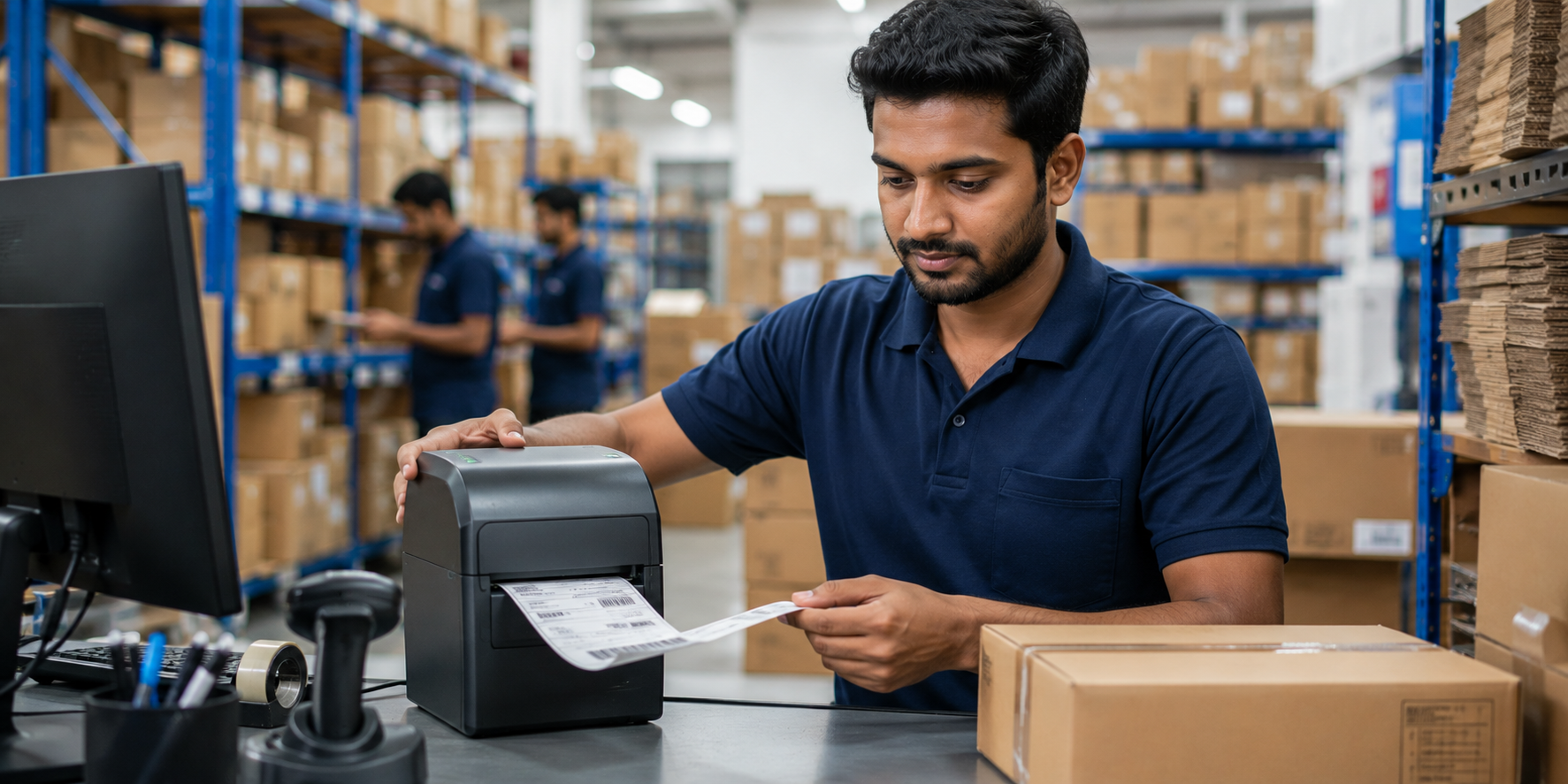
Label printer technology has transformed the way businesses manage shipping operations. Whether you run an eCommerce store, warehouse, retail outlet, or manufacturing unit, efficient labeling is critical for accurate order fulfillment and smooth logistics.
Manual labeling methods often lead to delays, errors, and increased operational costs. A modern label printer helps businesses generate professional shipping labels quickly, ensuring packages are processed accurately and delivered on time.
As online shopping continues to grow, businesses need smarter solutions to handle increasing order volumes. Investing in the right labeling system can significantly improve shipping speed, organization, and customer satisfaction.
What Is Label Printer Technology?
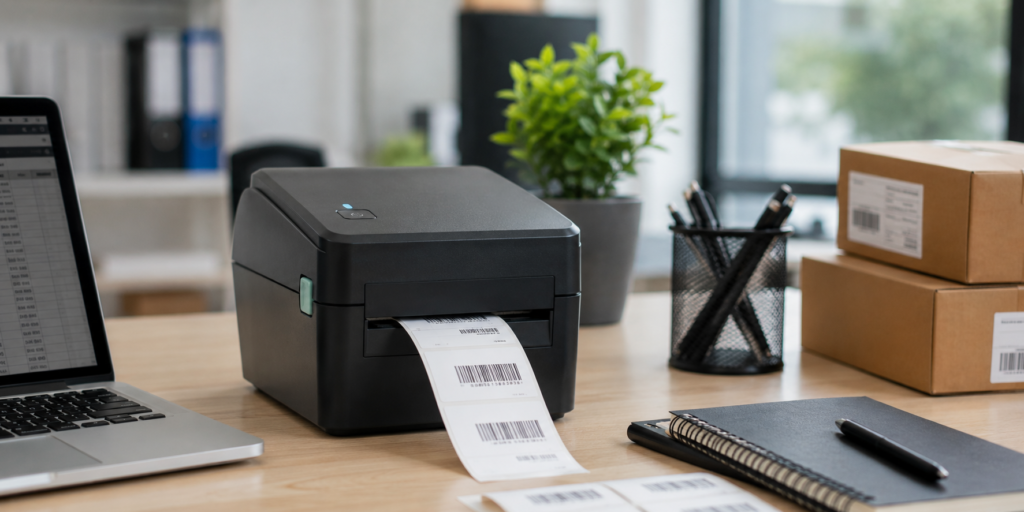
A label printer is a specialized printing device designed to create labels, barcodes, shipping tags, inventory stickers, and product identification labels. Unlike traditional printers, these devices are optimized for speed, durability, and precision.
Most businesses use thermal printing technology because it produces clear labels without requiring ink cartridges. This makes the printing process faster and more cost-effective.
Label printers are commonly used in warehouses, courier services, retail stores, healthcare facilities, and manufacturing environments where accurate labeling is essential.
Why Shipping Management Needs Efficient Labeling
Shipping management involves multiple processes, including order picking, packaging, tracking, and delivery. A small labeling mistake can create significant delays and customer complaints.
Accurate labels help businesses:
- Identify packages quickly
- Improve inventory tracking
- Reduce shipping errors
- Enhance warehouse efficiency
- Improve customer experience
As order volumes increase, manually writing or printing labels through standard office printers becomes inefficient. Therefore, dedicated labeling systems become necessary for smooth operations.
Key Benefits of Using a Label Printer
Faster Order Processing
One of the biggest advantages of a label printer is speed. Businesses can generate hundreds of shipping labels in a short period, helping teams process orders faster.
Improved Accuracy
Printed labels are easier to read and scan compared to handwritten labels. This reduces mistakes during package sorting and shipment tracking.
Lower Operating Costs
Thermal label printers eliminate the need for ink or toner in many cases. Over time, this helps businesses reduce printing expenses.
Better Inventory Management
Barcode labels make inventory tracking more efficient. Employees can scan products quickly, improving stock visibility and reducing counting errors.
Professional Appearance
Well-designed labels create a professional impression and improve brand credibility. Customers appreciate packages that arrive with clear and accurate shipping information.
Types of Label Printers for Shipping Operations
Different businesses have different shipping requirements. Choosing the right printer depends on workload, label volume, and operational needs.
| Label Printer Type | Best Use Case | Key Advantage |
|---|---|---|
| Direct Thermal Printer | Shipping labels | No ink required |
| Thermal Transfer Printer | Long-lasting labels | High durability |
| Desktop Label Printer | Small businesses | Compact design |
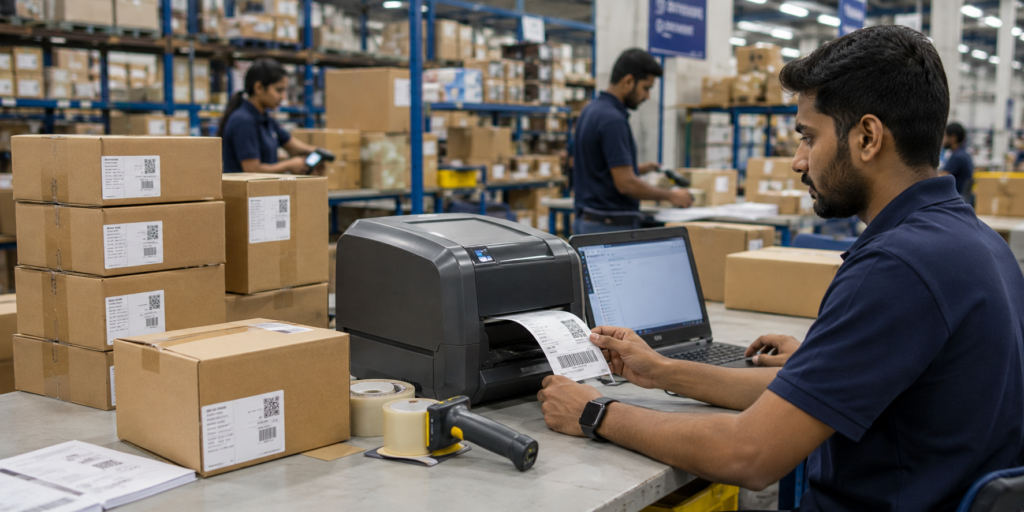
| Industrial Label Printer | Warehouses | High-volume printing |
| Portable Label Printer | Mobile operations | Easy portability |
Choosing the Right Label Printer
Selecting the best labeling solution requires evaluating your business needs carefully.
Print Volume
Businesses handling large numbers of shipments should consider industrial-grade models capable of continuous operation.
Connectivity Options
Modern printers offer USB, Wi-Fi, Bluetooth, and network connectivity. Wireless connectivity can improve workflow flexibility.
Label Size Compatibility
Different shipping carriers and industries require specific label sizes. Ensure your printer supports the labels you use regularly.
Software Integration
Look for compatibility with inventory management systems, warehouse software, and eCommerce platforms. Integration can automate many labeling tasks.
Maintenance Requirements
Reliable equipment with minimal maintenance helps reduce downtime and keeps shipping operations running smoothly.

Best Practices for Label Printing
Businesses can maximize efficiency by following proven label printing practices.
Use High-Quality Labels
Poor-quality labels may fade, tear, or fail to scan properly during transit. Durable materials improve readability and reliability.
Standardize Label Formats
Consistent label designs help warehouse teams process shipments faster and reduce confusion.
Perform Regular Maintenance
Cleaning print heads and inspecting components regularly helps maintain print quality and prevents unexpected breakdowns.
Test Barcode Scannability
Always verify that barcodes scan correctly before shipping products. This prevents tracking issues later.
Train Employees
Proper training ensures staff members understand printer operation, label placement, and maintenance procedures.
Future of Label Printer Technology
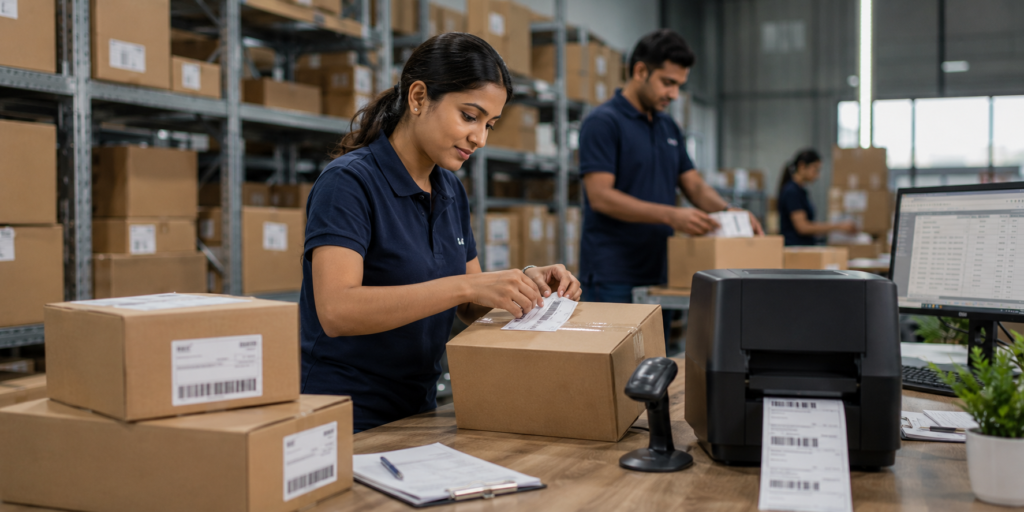
Label printer technology continues to evolve with automation and smart connectivity. Many modern systems now integrate with cloud platforms, inventory software, and warehouse management systems.
Artificial intelligence and advanced analytics are also helping businesses optimize shipping operations. Automated label generation reduces manual intervention and improves overall efficiency.
As supply chains become more digital, businesses that adopt advanced labeling solutions will be better positioned to handle growing shipping demands.
Conclusion
Label printer technology plays a vital role in modern shipping management. It helps businesses improve accuracy, reduce operational costs, increase productivity, and deliver better customer experiences.
Whether you operate a small online store or a large distribution center, investing in the right labeling solution can streamline your workflow and support long-term business growth. As shipping volumes continue to rise, reliable label printing systems will remain an essential part of efficient logistics operations.
A label printer is used to create shipping labels, barcodes, inventory tags, and identification labels. It improves accuracy and speeds up business operations.
For shipping and barcode applications, thermal printers are generally more efficient because they print faster and often do not require ink cartridges.
eCommerce stores, warehouses, retailers, manufacturers, healthcare facilities, and logistics companies benefit significantly from professional labeling systems.
