
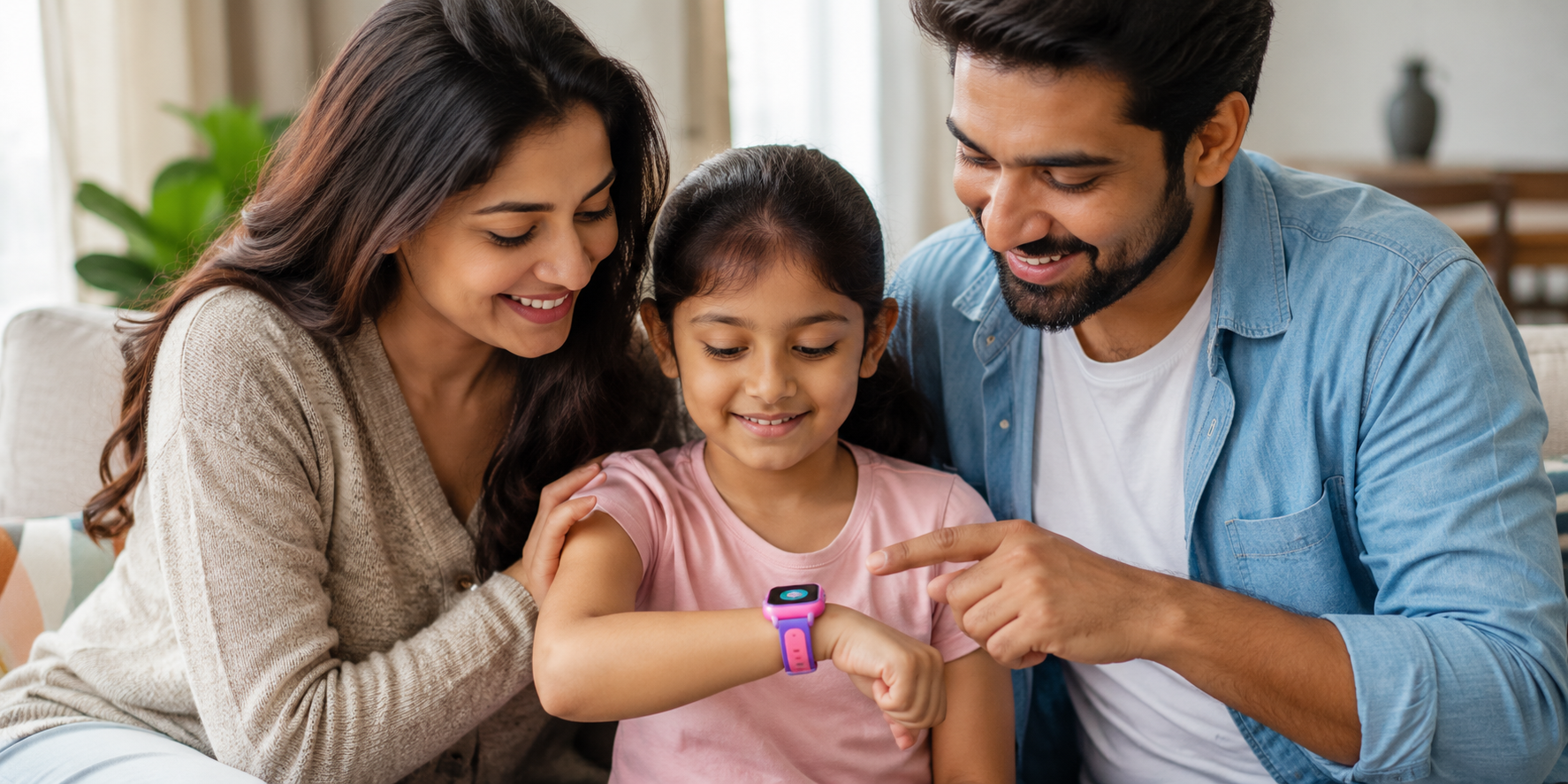
Kids smart watch technology is becoming an important part of modern parenting. Many parents now prefer smartwatches over smartphones for younger children because they offer communication, safety, and learning features in a controlled way.
A smartwatch can help parents stay connected with their children while also encouraging healthy habits and independent routines. However, choosing the right device requires more than simply looking at design or price. Parents should understand which features actually improve daily life and which ones are unnecessary distractions.
This guide explains everything families should know before buying a smartwatch for their child, including safety tools, educational benefits, durability, and practical buying tips.
Why Families Are Choosing a Kids Smart Watch
Parents today want technology that feels useful instead of distracting. A kids smart watch offers a balanced solution because it allows communication without giving children unrestricted internet access.
Many smartwatches now include GPS tracking, SOS emergency calling, voice messaging, and activity tracking. These features help parents monitor safety while children enjoy a sense of independence.
In addition, smartwatches are becoming popular among school-going children because they are lightweight and easy to carry. Unlike smartphones, they reduce the chances of excessive gaming or social media usage.
Benefits Parents Commonly Appreciate
- Easy communication during school trips or outdoor activities
- GPS location tracking for added safety
- Fitness tracking to encourage active habits
- Controlled screen time compared to smartphones
- Simple parental control settings
Important Safety Features Every Parent Should Check
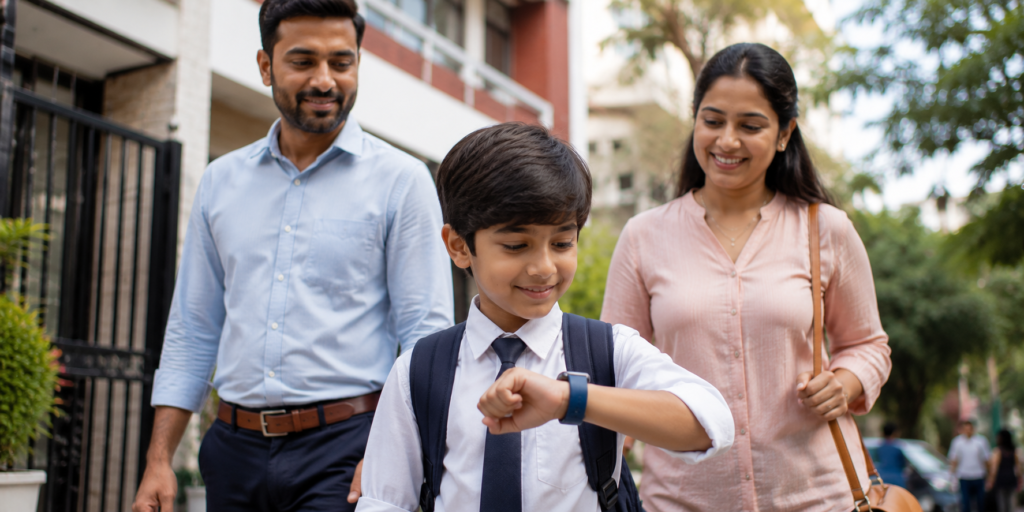
Safety is usually the first reason parents purchase a smartwatch for children. However, not every device provides reliable security features.
The best models include real-time GPS tracking, emergency SOS buttons, and geofencing technology. Geofencing allows parents to create safe zones like home or school. If the child leaves that area, the parent receives an instant alert.
Another valuable feature is contact restriction. Some watches allow communication only with approved family members. This reduces the risk of unknown callers or unwanted communication.
Essential Safety Features
| Feature | Why It Matters |
|---|---|
| GPS Tracking | Helps parents monitor live location |
| SOS Button | Allows quick emergency alerts |
| Geofencing | Sends notifications when kids leave safe zones |
| Contact Controls | Limits communication to trusted people |
| Water Resistance | Protects the device during outdoor activities |
Parents should also check whether the smartwatch stores data securely. Choosing a trusted brand with strong privacy policies is important for protecting children’s information.
Communication Features That Make Daily Life Easier
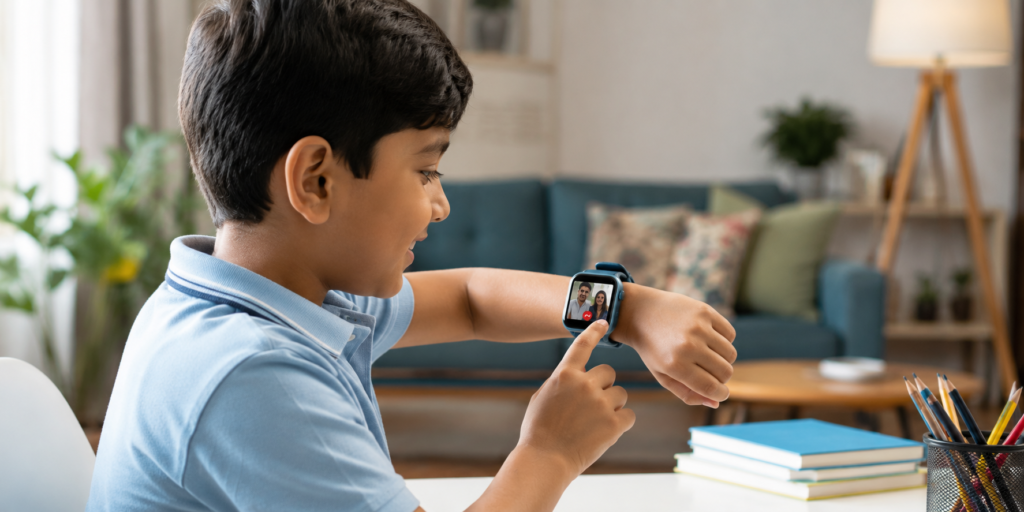
One of the biggest advantages of a kids smart watch is simple communication. Many devices now support voice calling, video calling, and text messaging.
For working parents, this feature becomes especially useful during busy schedules. Instead of giving a child a smartphone, parents can stay connected through a wearable device that focuses only on essential communication.
Some advanced smartwatches even support 4G SIM connectivity. This allows children to call family members independently during emergencies or travel situations.
Features That Improve Communication
Voice Calling
Children can quickly contact parents without navigating complicated apps or menus.
Voice Messages
Voice notes are easier for younger kids who may not be comfortable typing long messages.
Video Calling
Premium smartwatches now include front cameras for quick video communication.
Educational and Fitness Benefits for Children
Modern wearable devices are not only about communication. Many smartwatches also encourage healthier lifestyles and learning habits.
Fitness tracking motivates children to stay active throughout the day. Features like step counters, activity reminders, and sleep monitoring can help families build better routines.
Some devices include educational games, math challenges, or habit-building tools designed for younger users. These features make technology feel productive instead of distracting.
How Smartwatches Encourage Healthy Habits
Activity Tracking
Children become more interested in movement when they can track steps and fitness goals.
Routine Reminders
Smartwatches can remind kids about homework, water intake, or bedtime routines.
Learning Features
Educational apps and simple quizzes support cognitive development in an engaging way.
Parents should still balance screen exposure carefully. Smartwatches should support healthy routines rather than replace physical play or family interaction.

Comparing Battery Life and Durability
Battery life is often ignored during the buying process, but it directly affects daily usability. A smartwatch with poor battery performance may become frustrating for both parents and children.
Most quality devices offer one to three days of battery backup depending on usage. Watches with continuous GPS tracking usually consume more power.
Durability is equally important because children use devices actively throughout the day. A smartwatch should have scratch resistance, water resistance, and a comfortable strap.
What Parents Should Look For
- Strong build quality
- Waterproof or splash-resistant design
- Comfortable lightweight strap
- Fast charging support
- Long-lasting battery performance
Parents should also check customer reviews for real-world durability instead of depending only on brand advertisements.
How to Choose the Right Watch by Age
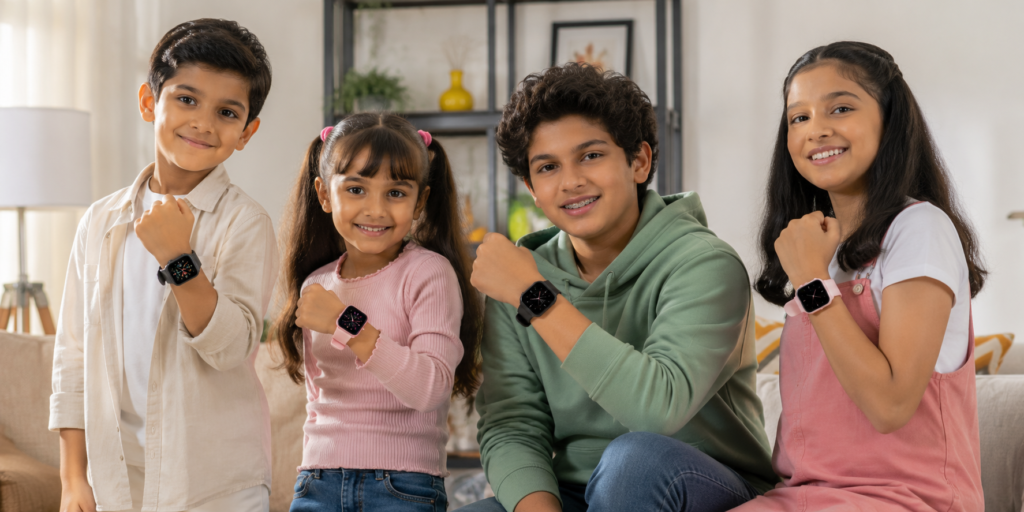
Different age groups require different smartwatch features. Buying an advanced device for a very young child may only increase confusion and unnecessary costs.
Smartwatches for Ages 5–8
Younger children benefit most from basic safety features, GPS tracking, and simple communication tools.
Smartwatches for Ages 9–12
Older children may prefer fitness tracking, educational apps, and improved customization options.
Smartwatches for Teenagers
Teen-focused devices usually include advanced communication tools, music controls, and stronger performance features.
Parents should choose a smartwatch that matches both the child’s maturity level and daily routine.
Common Buying Mistakes Parents Should Avoid
Many parents focus only on appearance or low prices when purchasing wearable technology for children. However, long-term usability matters far more than trendy designs.
Ignoring Battery Performance
A smartwatch that requires constant charging becomes inconvenient very quickly.
Buying Complicated Devices
Young children usually prefer simple interfaces with large icons and easy navigation.
Overlooking Privacy Policies
Parents should always check how user data is stored and protected.
Choosing Style Over Comfort
An uncomfortable watch often ends up unused after a few weeks.
Taking time to compare features carefully can help families make a smarter investment.
Conclusion
A kids smart watch can become a practical tool for both children and parents when chosen carefully. The best smartwatches combine safety, communication, fitness tracking, and educational support without overwhelming young users.
Parents should focus on reliability, battery life, privacy protection, and age-appropriate features instead of only trendy designs. With the right balance, wearable technology can improve communication, encourage healthy habits, and provide peace of mind during daily routines.
As technology continues to evolve, smartwatches for children are likely to become even more useful for modern families looking for safer and smarter digital experiences.
Yes, for younger children, a smartwatch offers controlled communication and safety features without unrestricted internet access or excessive screen distractions.
Most children between 5 and 12 years can comfortably use a smartwatch depending on the features and parental supervision involved.
No, some budget devices may not include real-time GPS tracking. Parents should always check feature details before purchasing.
