
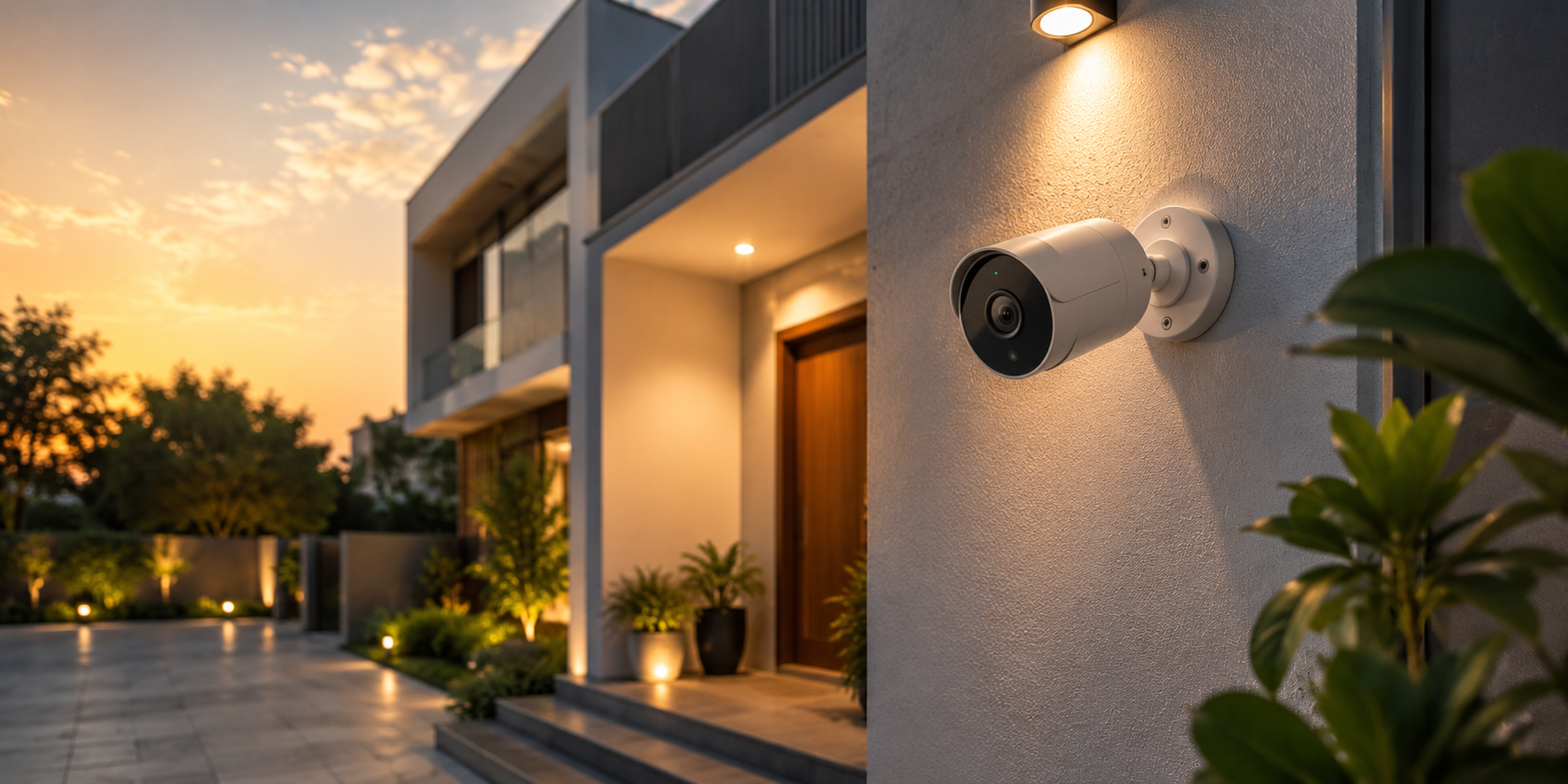
Home Security Cameras have become one of the most practical ways to protect modern homes. Whether you live in an apartment, villa, or independent house, smart surveillance systems now offer real-time monitoring, motion alerts, cloud storage, and AI-powered detection features that make home protection easier than ever.
Today’s homeowners want security systems that are simple to install, easy to access from mobile devices, and reliable during emergencies. As technology continues to improve, modern surveillance cameras are becoming smarter, more affordable, and more user-friendly.
Why Home Security Cameras Matter
A reliable home surveillance system does much more than record video footage. Modern cameras help prevent theft, monitor deliveries, keep an eye on children or pets, and even detect suspicious movement instantly.
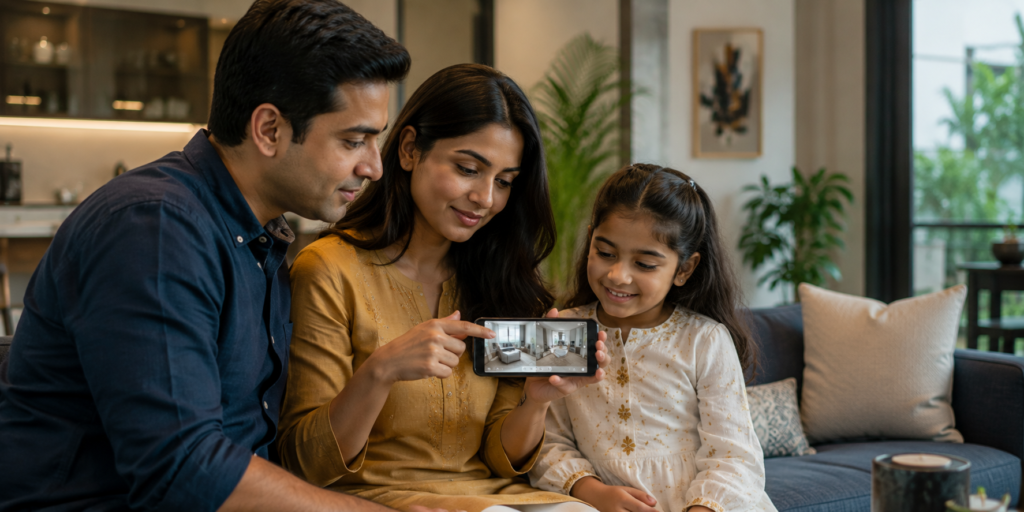
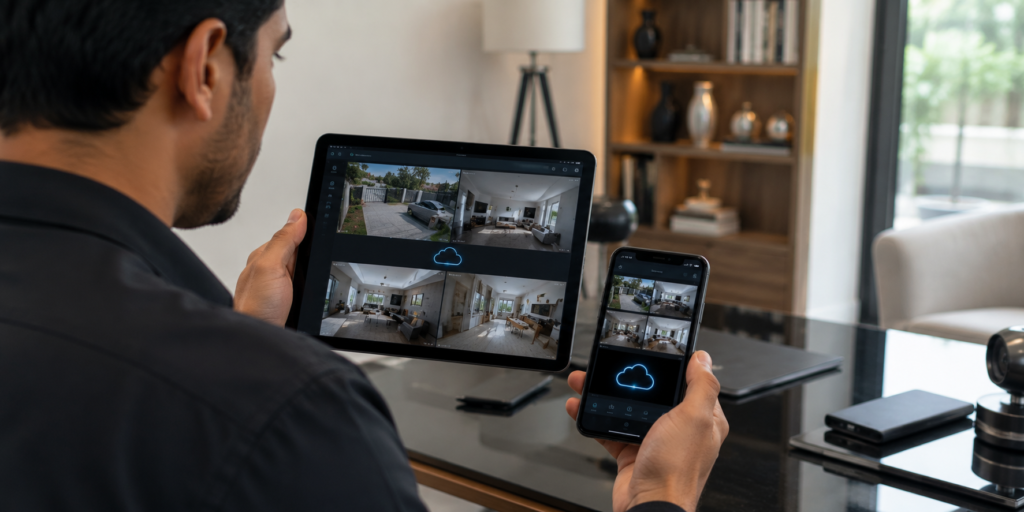
Many homeowners now prefer smart security devices because they provide remote access through mobile apps. This means you can check live footage while traveling, working, or even shopping outside.
In addition, visible cameras often discourage intruders before any crime occurs. That alone makes them a valuable investment for both safety and peace of mind.
Key Features to Look for in Smart Cameras
Choosing the right device depends on understanding which features actually improve home security. Some cameras focus on video quality, while others prioritize smart AI alerts or cloud integration.
Video Resolution and Night Vision
High-definition video is essential for identifying faces, vehicles, and movement clearly. Most modern systems now offer 1080p or 2K resolution for sharper footage.
Night vision is equally important. Infrared and color night vision technology allow cameras to capture details even in low-light conditions.
Motion Detection and Smart Alerts
AI-powered motion detection can distinguish between humans, pets, and vehicles. This reduces unnecessary notifications and improves monitoring accuracy.
Smart alerts also allow homeowners to respond quickly during unusual activity. Some systems even support emergency sirens or two-way communication.
Mobile App Connectivity
A well-designed mobile app makes surveillance much more convenient. Users can watch live feeds, review recordings, and control camera settings remotely.
The best smart home monitoring cameras also integrate with voice assistants like Alexa or Google Assistant for easier operation.
| Feature | Why It Matters |
|---|---|
| HD Resolution | Clear identification of people and objects |
| Night Vision | Better security during nighttime |
| Motion Detection | Instant activity alerts |
| Cloud Storage | Secure online backup |
| Two-Way Audio | Real-time communication |
| Mobile Access | Remote monitoring anywhere |
Indoor vs Outdoor Security Cameras
Different environments require different types of cameras. Understanding the difference between indoor and outdoor systems helps homeowners make smarter decisions.
Indoor Cameras
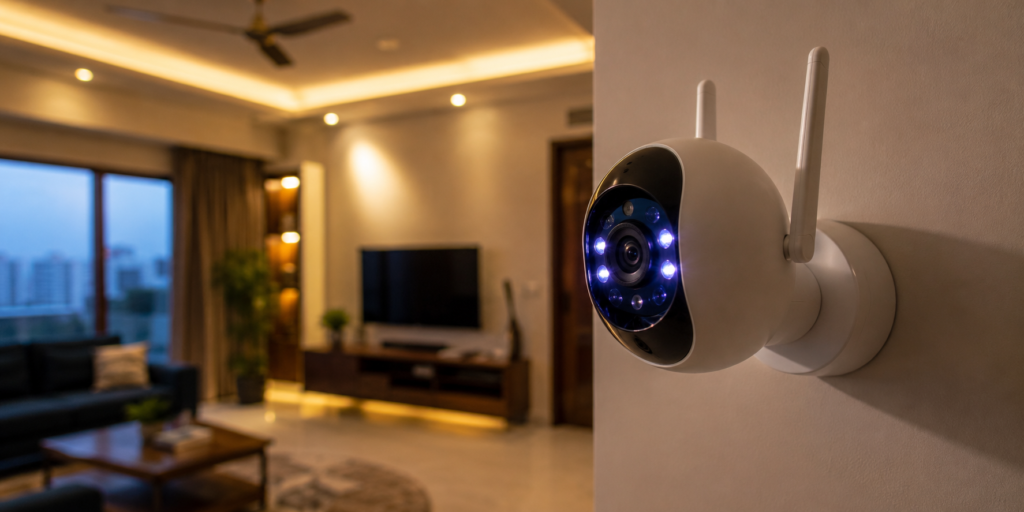
Indoor devices are typically compact and lightweight. They are ideal for monitoring living rooms, hallways, nurseries, or home offices.
Some indoor cameras also include privacy modes that disable recording when family members are home.
Outdoor Cameras
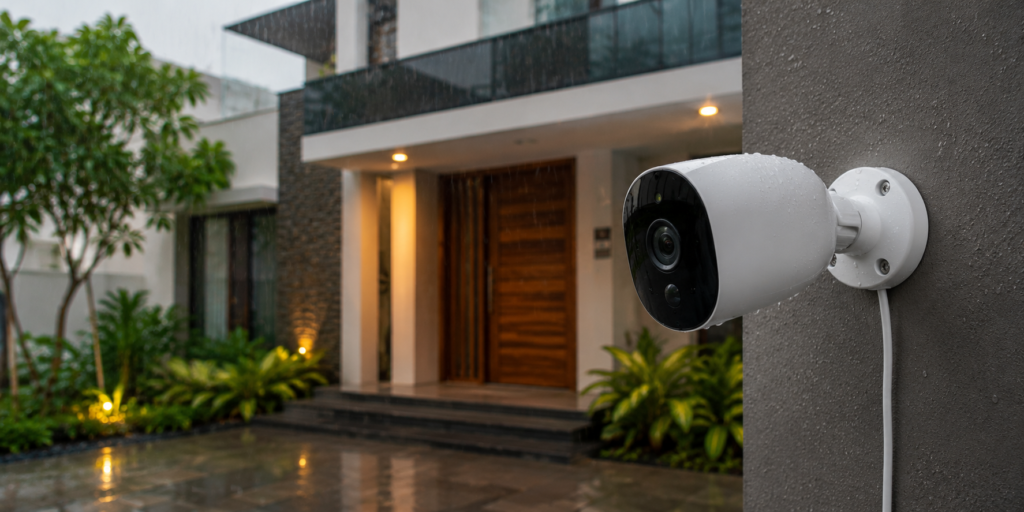
Outdoor security cameras are designed to handle rain, dust, and changing temperatures. These systems usually offer stronger night vision and wider viewing angles.
Weather-resistant housing is extremely important for long-term outdoor performance.
Wireless and AI-Powered Surveillance Systems
Wireless technology has changed how homeowners install and manage surveillance devices. Unlike traditional CCTV setups, wireless systems reduce complicated wiring and support flexible placement.
Battery-powered cameras are especially useful for renters or people who want faster installation.
AI-powered security cameras add another layer of convenience. These systems can recognize familiar faces, identify unusual activity, and send intelligent notifications based on behavior patterns.
Some advanced models even support package detection for doorstep deliveries. Therefore, homeowners can monitor online orders more effectively.
Another growing trend is smart home integration. Many modern systems connect with smart locks, lighting systems, and alarm devices to create a complete security ecosystem.
Best Camera Placement for Maximum Security
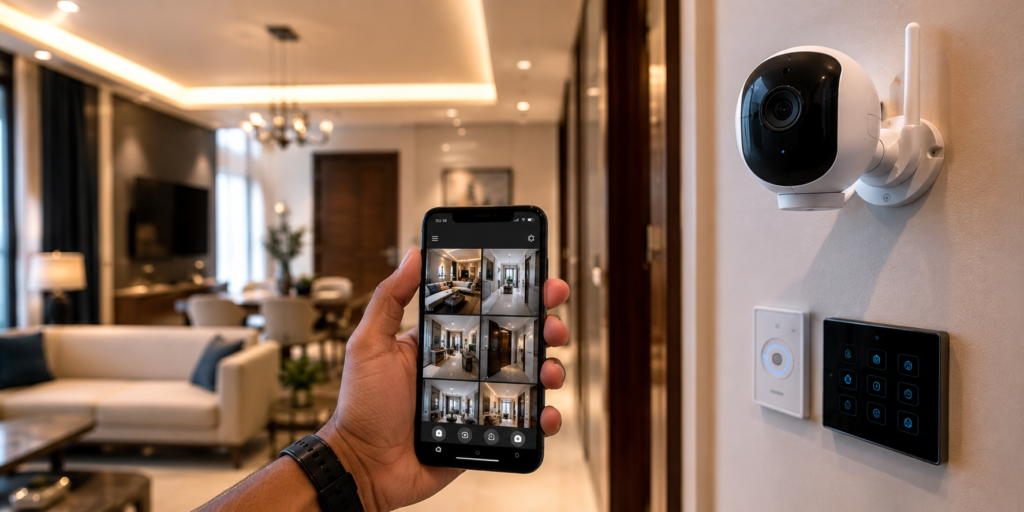
Even the best Home Security Cameras may not perform well if installed incorrectly. Strategic placement improves coverage and reduces blind spots.
Main Entry Points
Front doors remain the highest priority because most intruders enter through main access points. Video doorbells and front-facing cameras work well in these areas.
Driveways and Garages
Parking areas should always have outdoor surveillance coverage. Cameras with wide-angle lenses are especially useful here.
Backyards and Side Entrances
These locations are often less visible from the street, making them vulnerable zones for unauthorized entry.
Indoor Shared Spaces
Living rooms and hallways can help monitor movement inside the home without invading personal privacy.
When installing cameras, avoid placing them directly toward bright sunlight or reflective surfaces because glare can reduce video clarity.
Storage Options and Privacy Considerations
Storage is one of the most important factors when selecting a surveillance system. Most smart cameras now offer two common options: cloud storage and local storage.
Cloud storage allows footage to be saved securely online. This option is useful because recordings remain safe even if the camera gets damaged or stolen.
Local storage, however, uses SD cards or hard drives. Although it avoids monthly fees, storage capacity may be limited.
Privacy is another growing concern. Homeowners should choose brands that support encrypted data protection and two-factor authentication.
It is also wise to update firmware regularly because software updates improve both security and device performance.
How to Choose the Right Home Security Cameras
Selecting the ideal system depends on your budget, property size, and security goals.
Small apartments may only require one or two indoor wireless cameras. Larger homes, however, often benefit from a combination of outdoor surveillance, smart doorbells, and AI-powered monitoring systems.
Before purchasing, homeowners should consider:
- Internet connectivity quality
- Camera resolution
- Subscription costs
- Mobile app reliability
- Battery life
- Smart home compatibility
Reading real customer reviews can also help identify long-term reliability and software performance.
Most importantly, prioritize ease of use. A complicated system may reduce daily effectiveness, while a simple and reliable setup encourages regular monitoring.
Conclusion
Home Security Cameras are no longer luxury gadgets reserved for large properties. They have become practical tools for modern home protection, offering smarter monitoring, instant alerts, and greater peace of mind.
From wireless indoor devices to advanced AI-powered outdoor systems, today’s smart surveillance technology provides flexible solutions for every type of homeowner. By choosing the right features, proper placement, and secure storage options, families can create a safer living environment with confidence.
Wireless systems are easier to install and more flexible for placement. They also allow remote monitoring through smartphone apps without complicated wiring.
Most trusted brands use encryption and two-factor authentication for protection. Regular firmware updates also improve device security and privacy.
It depends on property size and entry points. Most homes typically need cameras for the front door, backyard, driveway, and main indoor areas.
