
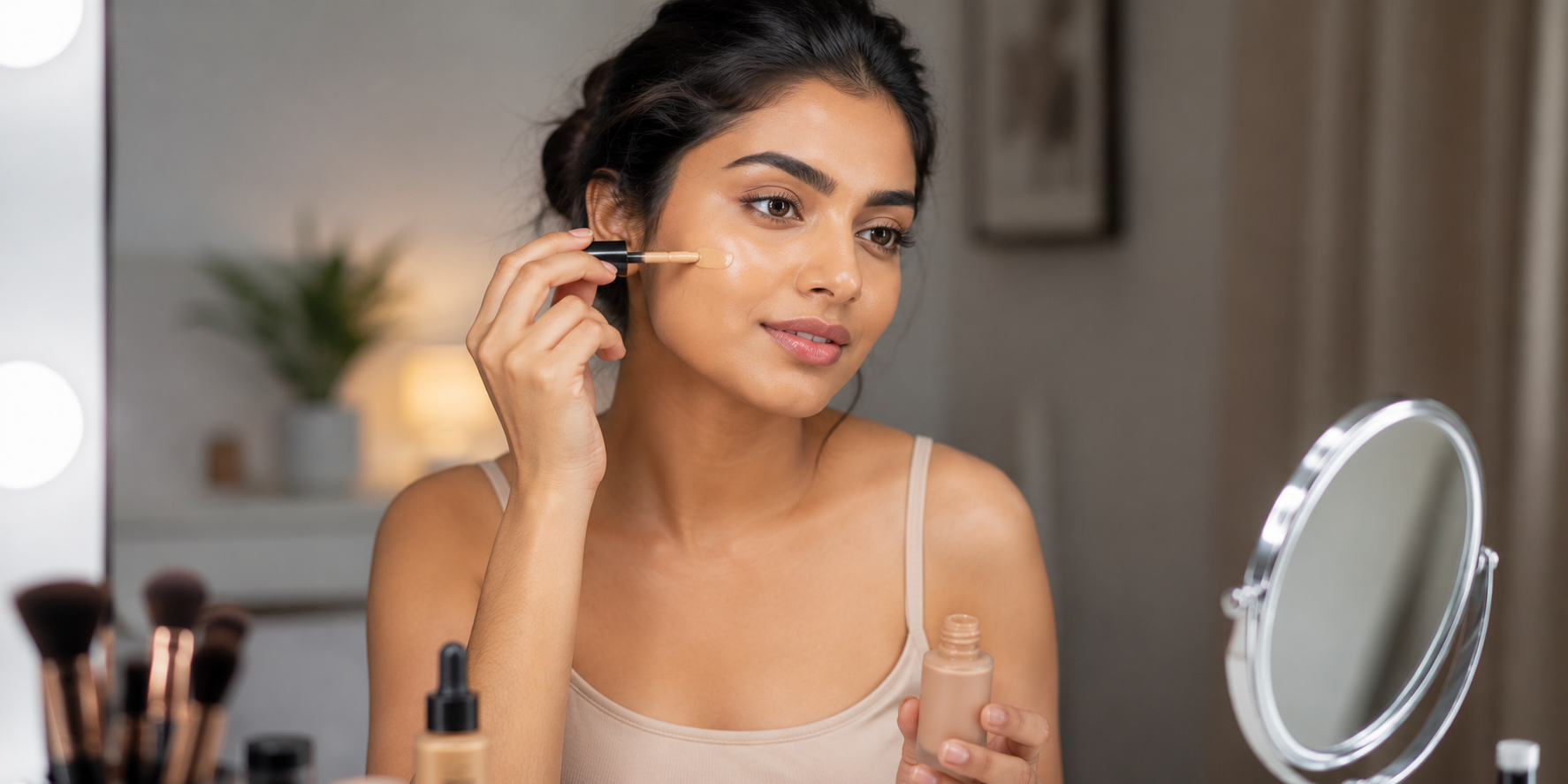
Foundation for dry skin can make a huge difference in how your makeup looks and feels throughout the day. While the right formula creates a smooth, radiant finish, the wrong one can highlight dry patches, fine lines, and uneven texture.
Many people with dry skin struggle to find a product that provides coverage without making their skin look dull or flaky. Fortunately, choosing the right foundation and applying it correctly can help you achieve a naturally flawless appearance.
In this guide, you’ll discover seven practical tips to help you select and use foundation effectively for dry skin.
Why Dry Skin Needs a Different Foundation
Dry skin often lacks sufficient moisture, making it more prone to rough texture and visible flakes. Standard matte foundations can absorb the little moisture present on the skin, causing makeup to appear patchy.
A quality foundation designed for dry skin typically contains moisturizing ingredients and provides a radiant finish. These formulas help create a smoother surface while enhancing the skin’s natural glow.
Signs Your Current Foundation Is Not Suitable
- Makeup looks cakey after a few hours
- Dry patches become more visible
- Skin feels tight throughout the day
- Foundation settles into fine lines
- Finish appears dull instead of radiant
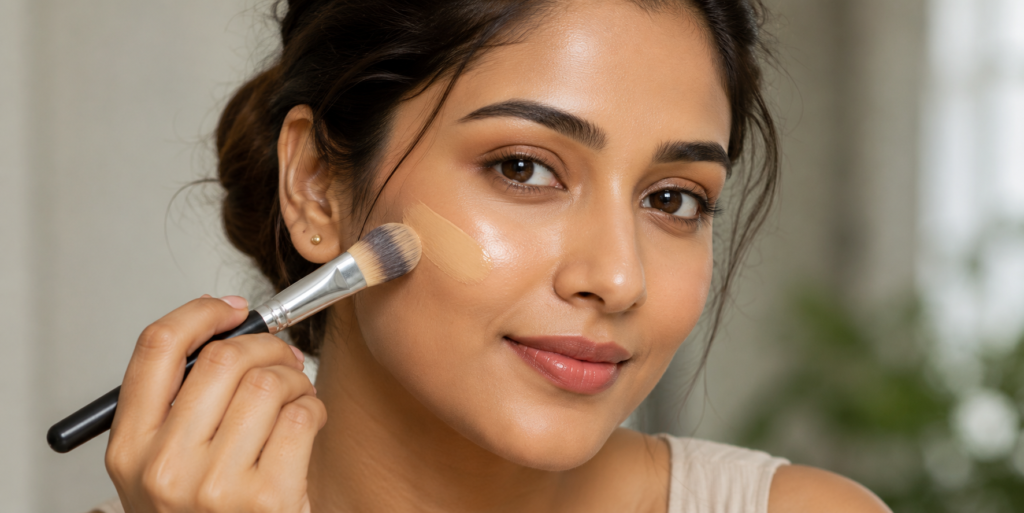
Choose Hydrating Ingredients
One of the most important factors when selecting a foundation is checking its ingredient list. Certain ingredients help lock in moisture and improve skin comfort throughout the day.
Look for products containing:
- Hyaluronic Acid
- Glycerin
- Squalane
- Vitamin E
- Aloe Vera
- Ceramides
These ingredients help maintain hydration while creating a fresh and healthy-looking finish.
Ingredients to Limit
People with very dry skin may want to avoid foundations with high alcohol content or extremely mattifying formulas, as they can make dryness more noticeable.
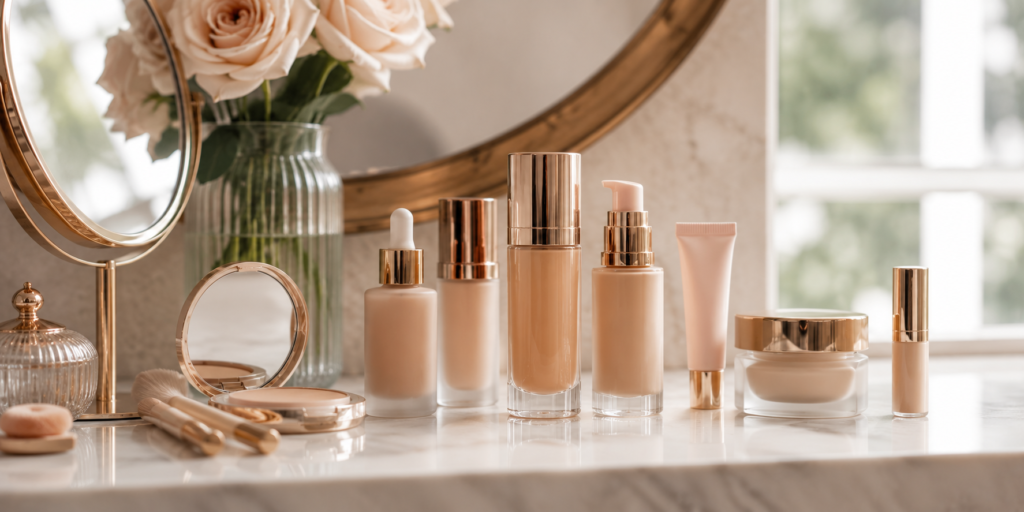
Select the Right Foundation Formula
Not all foundations are created equally. Some formulas work significantly better for dry skin than others.
| Foundation Type | Suitable for Dry Skin | Finish |
|---|---|---|
| Liquid Foundation | Excellent | Natural to Dewy |
| Serum Foundation | Excellent | Hydrated Glow |
| Cream Foundation | Very Good | Smooth Finish |
| Stick Foundation | Moderate | Medium Coverage |
| Powder Foundation | Less Suitable | Matte Finish |
Liquid and serum foundations are usually the best choices because they blend easily and add hydration to the skin.
Prepare Your Skin Properly
Even the best foundation for dry skin cannot perform well if the skin is not properly prepared.
Step 1: Cleanse Gently
Use a mild cleanser that removes impurities without stripping natural oils.
Step 2: Apply Moisturizer
A rich moisturizer creates a smooth base and helps foundation glide effortlessly across the skin.
Step 3: Use a Hydrating Primer
Hydrating primers improve foundation longevity while preventing moisture loss throughout the day.
Proper preparation helps makeup look smoother and remain fresh for longer periods.
Use the Right Application Technique
The application method can significantly affect the final result.
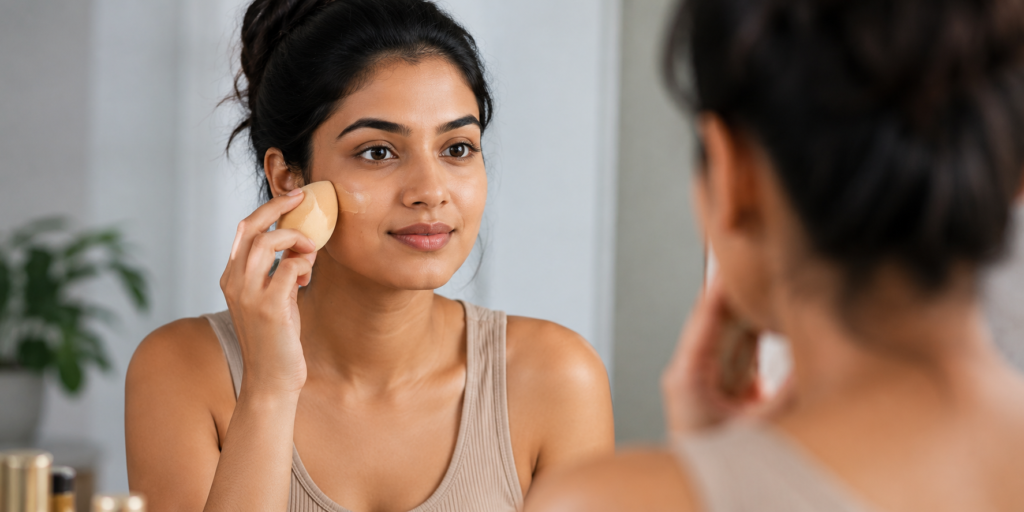
Beauty Sponge Method
A damp beauty sponge helps press foundation into the skin while maintaining hydration. This technique often creates the most natural finish.
Foundation Brush Method
A dense foundation brush provides more coverage while still allowing smooth blending.
Fingertip Method
For lightweight foundations, clean fingertips can help warm up the product and improve absorption into the skin.
The key is to apply thin layers rather than one thick coat. Building coverage gradually helps prevent a heavy appearance.
Pick Coverage Based on Your Skin Needs
Coverage level should match your skin concerns and desired look.
Light Coverage
Ideal for everyday wear and a natural appearance.
Medium Coverage
Balances skin tone while maintaining a skin-like finish.
Full Coverage
Best for covering discoloration, blemishes, or uneven pigmentation.
People with dry skin often achieve the most flattering results using medium-buildable coverage products because they provide flexibility without appearing heavy.
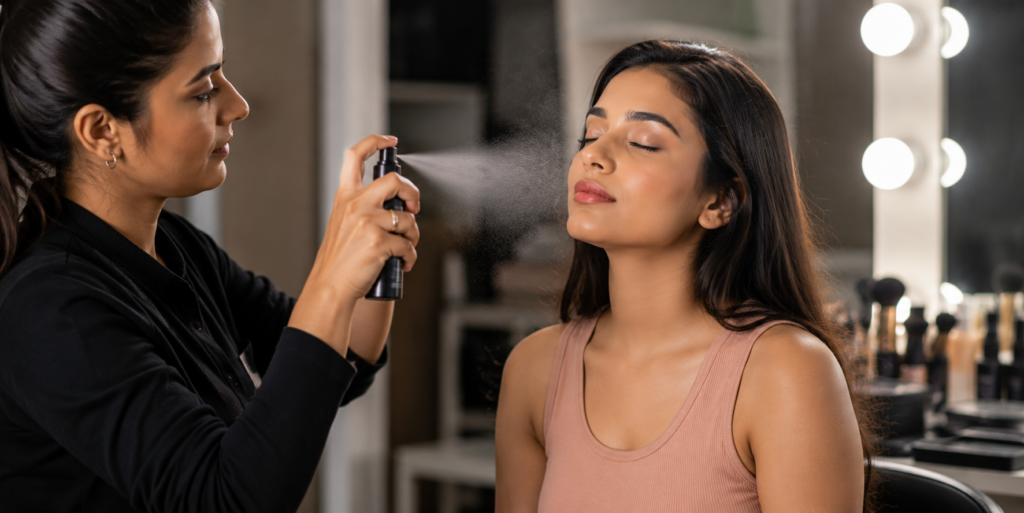
Set Makeup Without Drying the Skin
Many people accidentally ruin a beautiful makeup application by overusing powder.
Better Alternatives
- Hydrating setting spray
- Finely milled translucent powder
- Powder only on oily areas
- Dewy finishing mist
These techniques help maintain makeup while preserving the skin’s natural glow.
Common Mistakes to Avoid
Using Too Much Powder
Excess powder can make dry skin appear older and rougher.
Skipping Moisturizer
Hydration is essential before foundation application.
Choosing the Wrong Finish
Extremely matte foundations often emphasize dryness.
Applying Thick Layers
Heavy layers increase the risk of caking and creasing.
Ignoring Skin Care
Healthy skin creates the best foundation base.
Conclusion
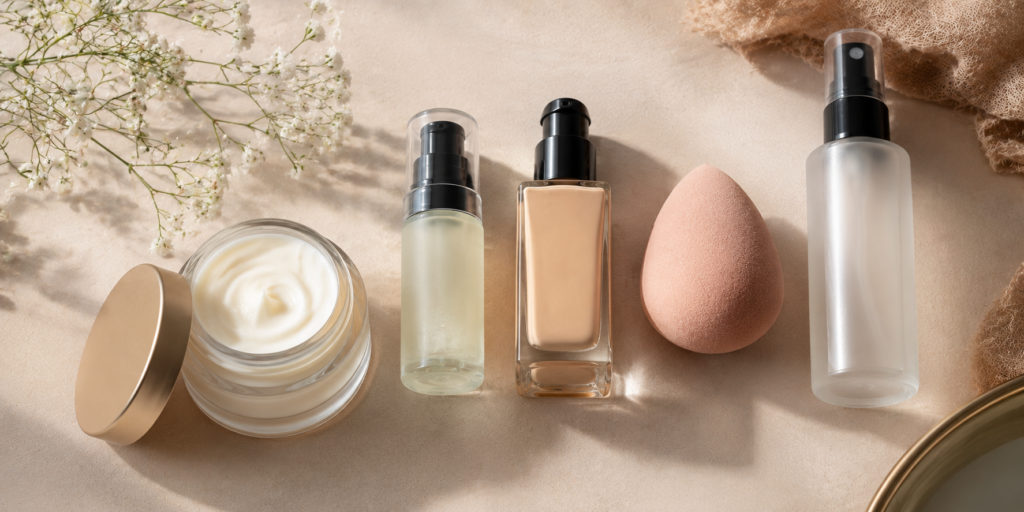
Finding the right foundation for dry skin doesn’t have to be difficult. By choosing hydrating formulas, preparing your skin properly, and using effective application techniques, you can achieve a smooth and radiant complexion.
The best results come from combining quality skincare with a foundation that supports your skin’s moisture needs. Follow these seven tips consistently, and you’ll enjoy makeup that looks fresh, comfortable, and naturally flawless throughout the day.
Liquid and serum foundations are generally the best options because they provide hydration, blend easily, and create a natural-looking finish.
Powder foundation can sometimes emphasize dry patches and texture. Hydrating liquid formulas are usually a better choice for dry skin.
Use a moisturizer, apply a hydrating primer, choose a suitable foundation formula, and finish with a setting spray instead of excessive powder.
