
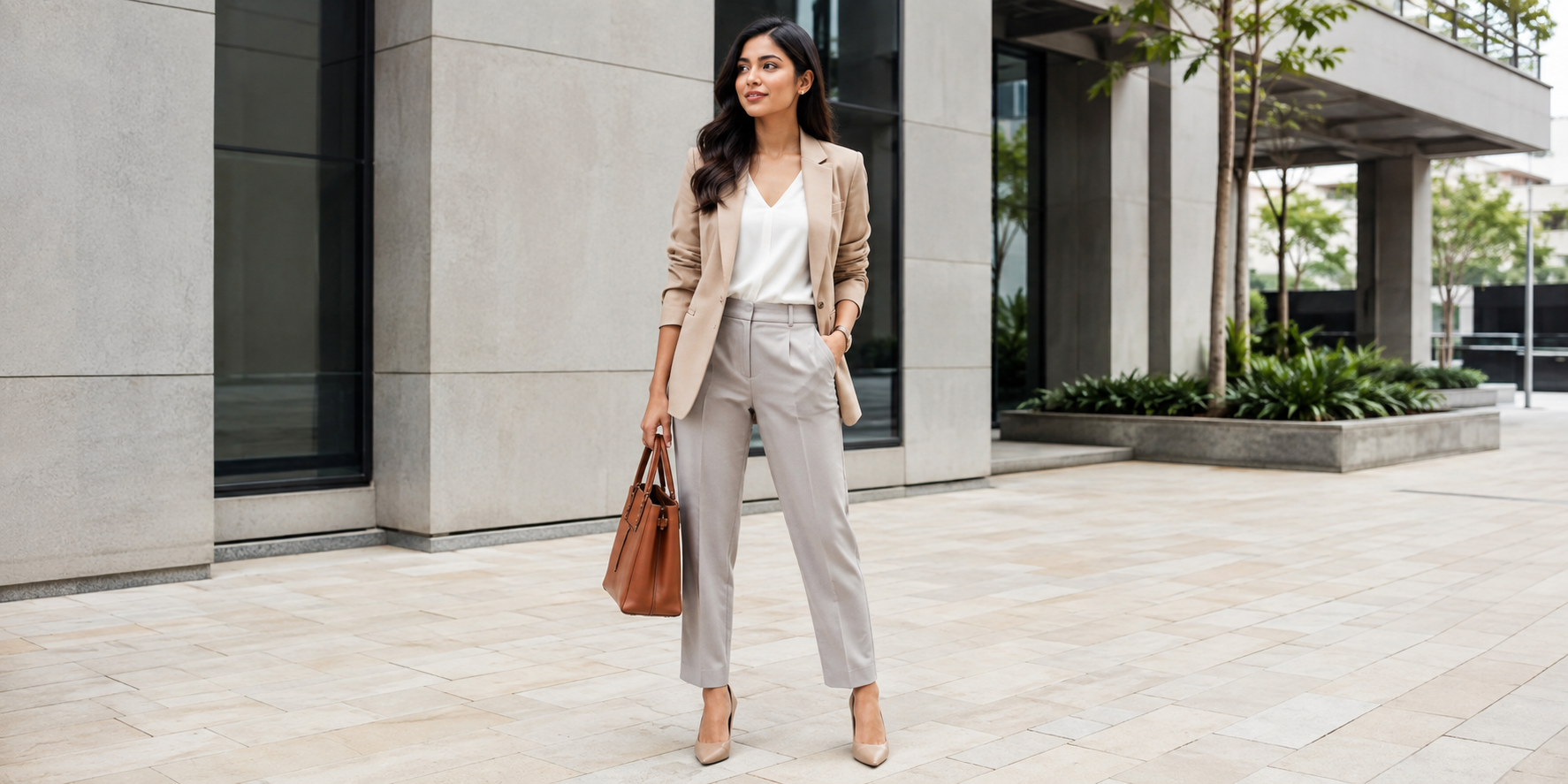
Blazers for women are one of the easiest ways to make an outfit look polished without making it feel overly formal. The right blazer can work for office meetings, casual weekends, travel days, dinners, and smart everyday dressing.
A good purchase is not simply about choosing the most fashionable design. Fit, fabric, color, comfort, and versatility all matter. This guide explains how to choose, style, and buy a blazer that fits your wardrobe instead of becoming another piece that stays in the closet.
Why Blazers for Women Are Worth Buying
A well-made blazer adds structure to simple clothes. Pair one with jeans and a T-shirt, and the outfit immediately looks more intentional. Wear it with tailored trousers, and it becomes suitable for professional settings.
The biggest advantage is versatility. Instead of buying several occasion-specific jackets, you can choose one neutral blazer that works across multiple outfits. Black, navy, beige, cream, grey, and soft brown are especially easy to combine.
For warmer Indian weather, lightweight cotton blends, linen blends, and breathable fabrics are practical choices. For cooler months or air-conditioned offices, wool blends and structured suiting fabrics can offer more comfort and shape.
How to Choose the Right Blazer
Start with the fit
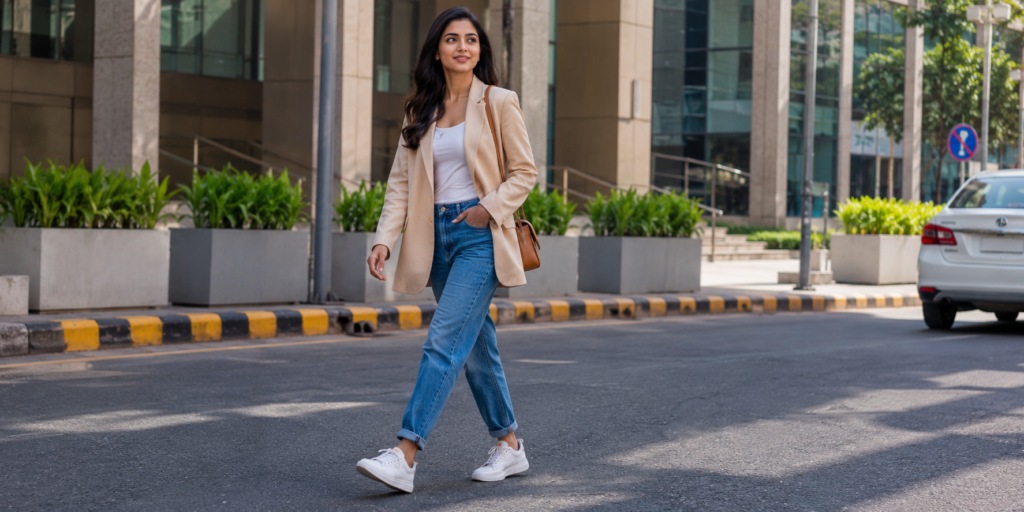
Shoulders are the first detail to check. The seam should sit close to your natural shoulder rather than falling far beyond it. The blazer should also close comfortably without pulling across the chest or stomach.
Next, check sleeve length and overall proportion. A sleeve that reaches around the wrist usually creates a clean finish, while slightly relaxed sleeves can suit casual styling. The hem should work with your usual tops, trousers, skirts, or dresses.
Choose the right fabric and color
Fabric affects both appearance and comfort. Smooth suiting fabric creates a sharper office look, while linen or cotton blends feel more relaxed. If you plan to wear the blazer frequently, prioritize comfort and easy maintenance.
Color should match your existing wardrobe. A versatile neutral is usually the best first purchase. Once you have one reliable everyday blazer, you can experiment with checks, pastels, stripes, or deeper statement shades.

7 Best Blazer Styles to Consider
- Single-breasted blazer: The easiest all-rounder for work and everyday wear.
- Double-breasted blazer: A stronger statement choice with a more structured appearance.
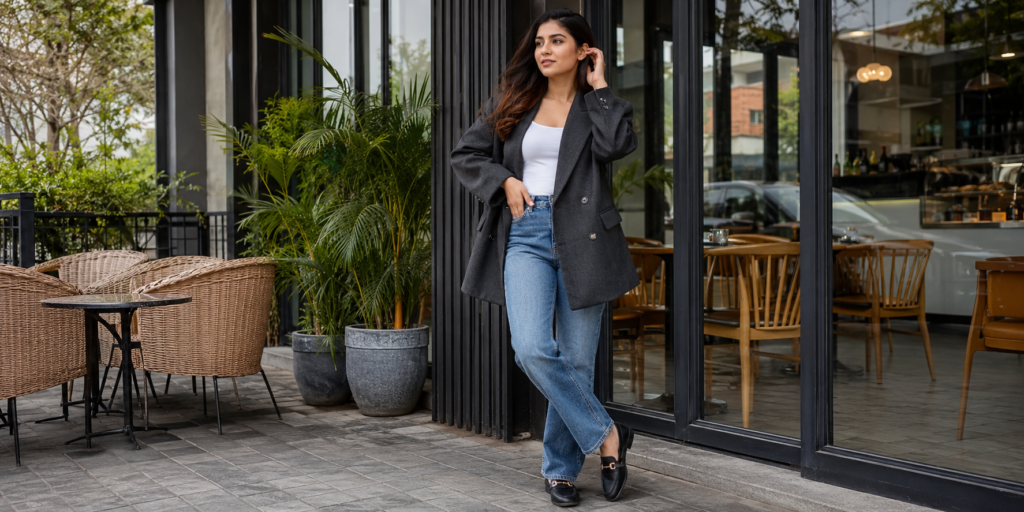
- Oversized blazer: Ideal for relaxed, contemporary outfits with denim or fitted basics.
- Cropped blazer: Works especially well with high-waisted trousers, jeans, and skirts.
- Linen-blend blazer: A practical warm-weather option for daytime dressing.
- Checked blazer: Adds pattern while staying easy to style with plain separates.
- Belted blazer: Creates more waist definition and can work well over dresses.
When comparing blazers for women, think about cost per wear rather than only the purchase price. A simple blazer that works with ten outfits can provide more value than a bold design that suits only one occasion.
How to Style a Blazer
For a casual look, wear an oversized blazer with a fitted T-shirt, straight-leg jeans, and loafers or clean sneakers. Keep the base simple so the blazer remains the main structured element.
For workwear, combine a tailored blazer with trousers, a blouse, or a neat shirt. Matching the blazer and trousers creates a coordinated suit, while contrasting colors make the outfit more relaxed.
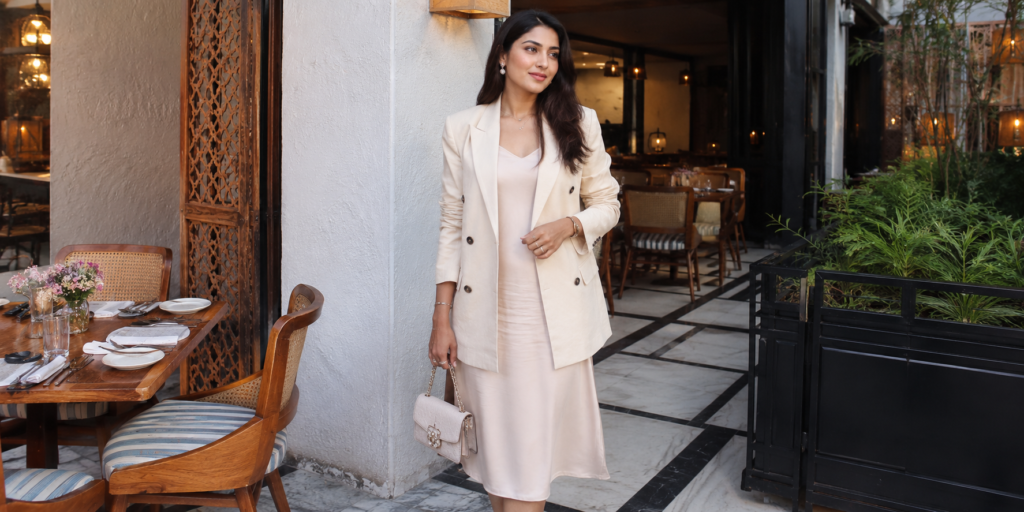
A blazer also works with dresses. Layer a fitted or straight-cut blazer over a midi dress for dinners, meetings, or events. For a modern look, try a cropped blazer with a high-waisted bottom.
What to Check Before You Buy
Before buying, move your arms, sit down, and button or zip the blazer if it has a closure. These quick checks can reveal tight shoulders, limited movement, or uncomfortable fabric.
Look closely at stitching, lining, buttons, pockets, and seam alignment. Small construction details often make a noticeable difference in how a blazer holds its shape after repeated wear.
Also check care instructions. A dry-clean-only blazer may need more maintenance than you want for daily use. Therefore, choose according to how often you plan to wear it and how much care you are realistically willing to give it.
If you are shopping online, compare the size chart with a blazer you already own rather than relying only on your usual size. Product photos can make proportions difficult to judge, so measurements give you a more dependable starting point. Reading recent buyer reviews can also reveal whether the fabric runs thin, the fit is narrow, or the sizing differs from the chart.
Blazer Choices by Occasion
| Occasion | Recommended style | Easy outfit idea |
|---|---|---|
| Office | Single-breasted | Blazer, trousers, blouse |
| Casual day | Oversized | Blazer, T-shirt, jeans |
| Dinner | Tailored or belted | Blazer, midi dress |
| Summer outing | Linen blend | Blazer, tank, wide-leg pants |
| Smart event | Double-breasted | Blazer, tailored trousers |
The best blazers for women are not always the most expensive ones. The strongest choice is the blazer that fits properly, works with your current clothes, feels comfortable, and suits the occasions you actually attend.
Conclusion
Blazers for women can be one of the most useful layers in a modern wardrobe when you choose with purpose. Start with the right fit, select a practical fabric and color, and then consider the occasions where you will actually wear it.
Whether you prefer a classic office blazer, a relaxed oversized layer, or a lightweight summer design, the best purchase is the one that gives you more outfit options without sacrificing comfort. Choose thoughtfully, style simply, and let the blazer earn its place in your wardrobe.
Black, navy, beige, cream, or grey are reliable first choices because they work with many clothing colors and can move between casual and formal outfits.
The shoulder seam should sit near your natural shoulder, the front should close without pulling, and the sleeves should allow comfortable movement. The right fit should feel structured but not restrictive.
Yes. Oversized styles are especially useful for casual dressing when balanced with cleaner or more fitted pieces underneath. They can work with jeans, trousers, skirts, and simple dresses.
