
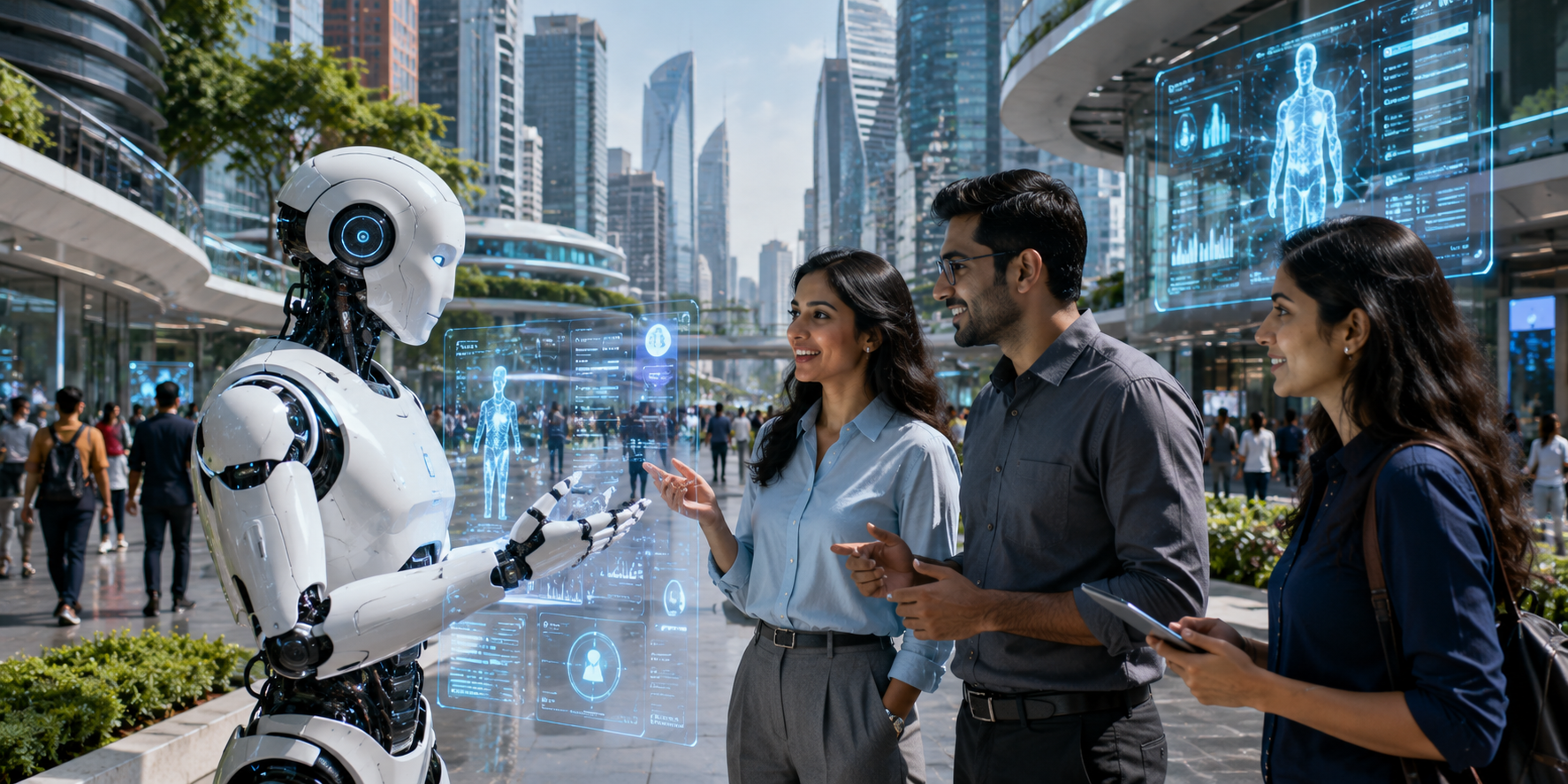
AI Robot technology is rapidly changing the way people work, communicate, learn, and manage everyday tasks. From healthcare and education to smart homes and industries, intelligent robots are becoming more practical and accessible than ever before.
Modern robotic systems are no longer limited to science fiction movies. Today, businesses use AI-powered machines to improve productivity, while families rely on smart assistants for convenience and safety. As artificial intelligence becomes more advanced, robots are also learning how to understand human emotions, analyze data, and make decisions in real time.
AI Robot Technology Is Becoming More Human
The biggest change in modern robotics is the ability of machines to behave more naturally. Advanced AI Robot systems can now recognize faces, understand speech, and respond to emotions. This makes interaction smoother and more comfortable for users.
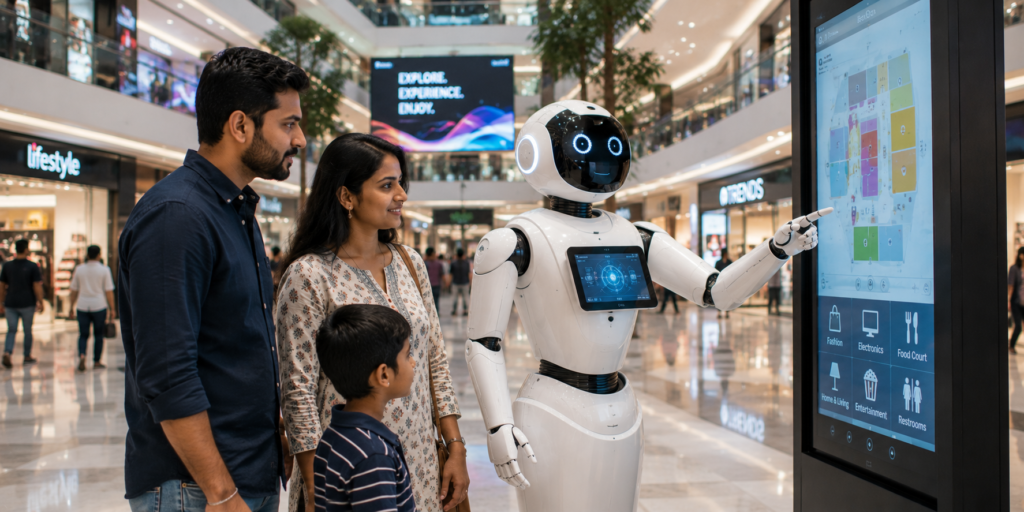
Companies are developing humanoid robots that can assist customers in hotels, hospitals, and shopping centers. These robots use machine learning algorithms to improve responses over time. As a result, they become smarter with continuous use.
In addition, Robotics combines sensors, cloud computing, and data analysis to perform tasks with impressive accuracy. This technology helps robots understand surroundings and make intelligent decisions.
Smart AI Robots in Healthcare
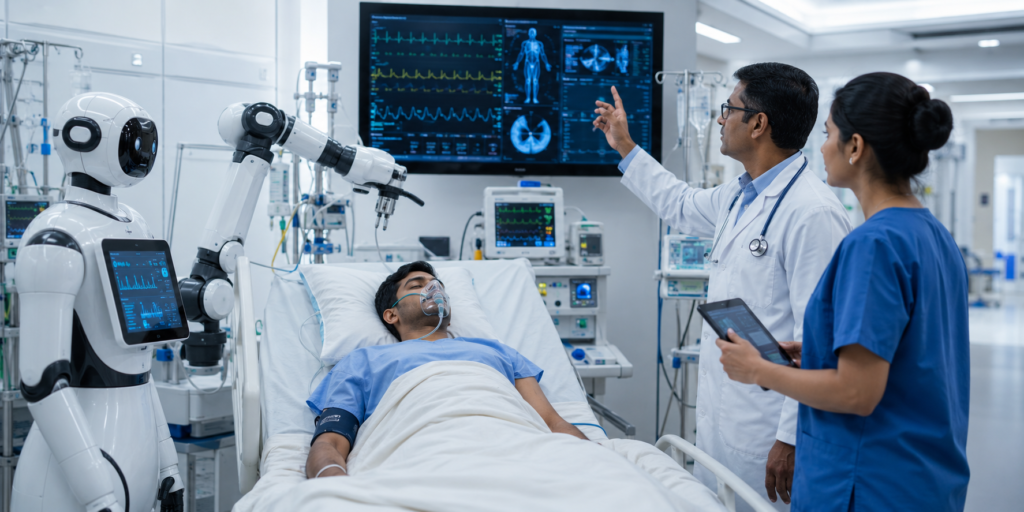
Healthcare is one of the most important sectors benefiting from Robot innovation. Hospitals now use robotic systems for surgery assistance, patient monitoring, and medicine delivery. These technologies help doctors work more efficiently while reducing human error.
AI-powered robots can also support elderly patients by reminding them to take medicines, monitoring health conditions, and providing emergency alerts. This is especially useful in countries facing healthcare staff shortages.
How AI Robots Improve Medical Services
| AI Robot Application | Main Benefit |
|---|---|
| Surgical Assistance | Better precision during operations |
| Patient Monitoring | Real-time health tracking |
| Medicine Delivery | Faster hospital workflow |
| Elderly Care Robots | Improved daily support |
| AI Diagnostics | Faster disease detection |
Moreover, robotic healthcare assistants can analyze medical reports much faster than traditional systems. This allows doctors to make quicker decisions during emergencies.
AI Robot Systems in Smart Homes
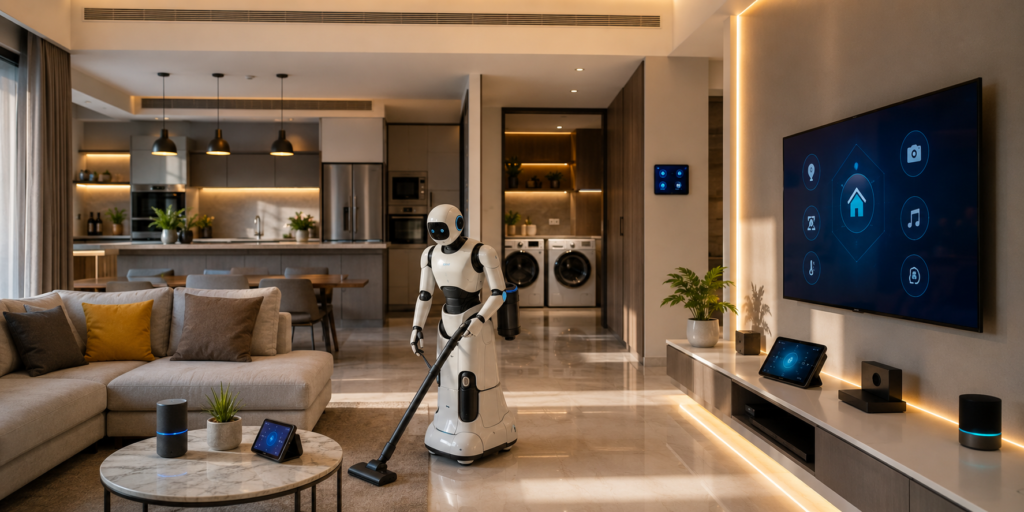
Smart homes are becoming more intelligent because of Robot technology. Devices such as robotic vacuum cleaners, smart security systems, and voice-controlled assistants are simplifying daily routines.
These robots can learn user habits and automate household tasks accordingly. For example, a cleaning robot may automatically adjust its schedule based on room activity. Similarly, AI security robots can identify unusual movement and send alerts instantly.
Popular Features of Smart Home Robots
Voice Recognition
Modern robots understand voice commands and respond naturally.
Automated Cleaning
Smart robotic cleaners save time and improve convenience.
Security Monitoring
AI-powered systems provide 24/7 home protection.
Energy Management
Some robots help optimize electricity usage in homes.
The growing popularity of smart home automation shows how people are embracing intelligent living solutions. As technology becomes more affordable, these robotic systems are expected to become common in average households.
Industrial Automation With AI Robots
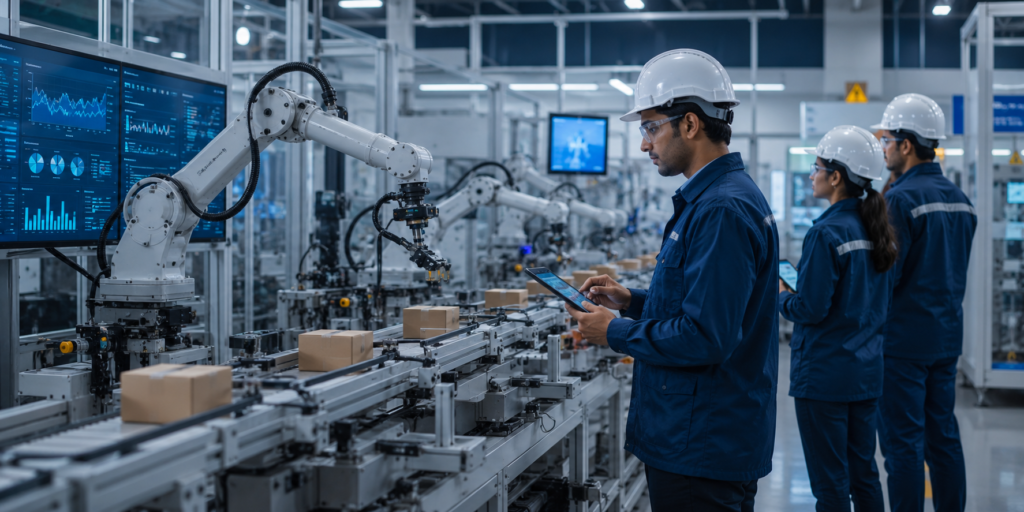
Industries worldwide are investing heavily in Robot solutions to improve productivity and reduce operational costs. Manufacturing plants use robotic arms for assembly, packaging, and quality control.
Unlike traditional machines, AI-powered industrial robots can adapt to changing production requirements. They analyze performance data continuously and identify operational issues before failures occur.
Why Industries Prefer AI Robots
Faster Production
Robots work continuously without fatigue.
Higher Accuracy
AI systems reduce manufacturing mistakes.
Improved Workplace Safety
Dangerous tasks can be handled by machines instead of workers.
Better Data Analysis
Robotic systems monitor performance in real time.
Furthermore, logistics companies use autonomous robots in warehouses for inventory management and product transportation. This improves delivery speed and operational efficiency.
AI Robots in Education and Learning
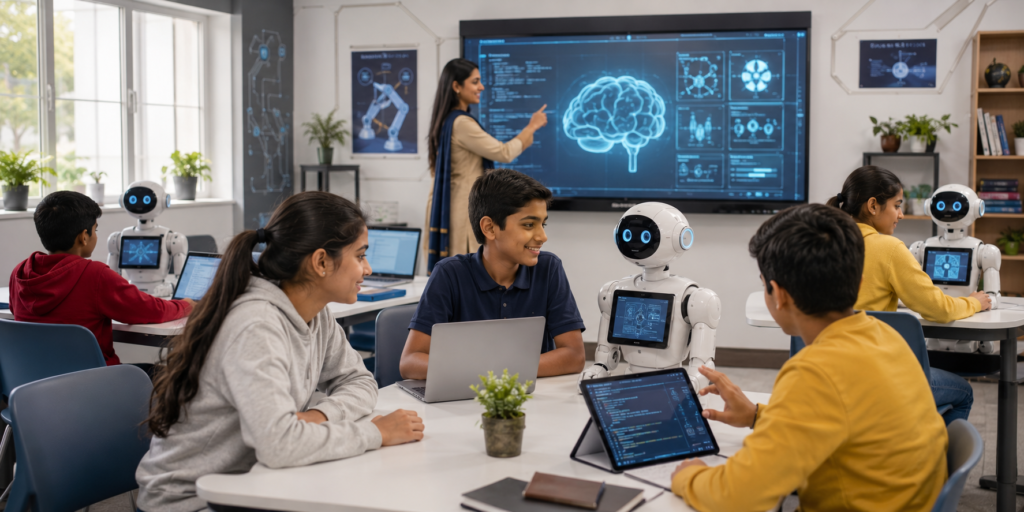
Educational institutions are also exploring the benefits of Robot technology. Smart learning robots can provide personalized lessons, answer student questions, and improve engagement in classrooms.
These robots are especially helpful for language learning, coding education, and interactive science training. Some schools even use robotic teaching assistants to support teachers during practical sessions.
How AI Robots Support Students
Personalized Learning
Students receive lessons based on individual performance.
Interactive Education
Robots make learning more engaging and practical.
Faster Skill Development
AI tools help students practice technical subjects effectively.
In addition, AI educational robots can assist children with special learning needs by offering customized communication methods and learning support.
Benefits and Challenges of AI Robot Technology
Robot systems offer several advantages, but they also bring important challenges. Understanding both sides helps businesses and individuals adopt technology responsibly.
Major Benefits
Increased Efficiency
Robots can complete repetitive tasks quickly and accurately.
Cost Reduction
Automation reduces long-term operational expenses.
Better Decision-Making
AI systems analyze huge amounts of data instantly.
Common Challenges
Job Displacement Concerns
Some industries may reduce human labor requirements.
Data Privacy Risks
Smart robots collect large amounts of personal data.
High Development Costs
Advanced robotics technology can still be expensive.
Therefore, governments and organizations must create proper regulations to ensure ethical AI development and safe usage.
The Future of AI Robot Innovation
The future of AI Robot technology looks extremely promising. Experts predict that robots will become more intelligent, emotionally aware, and capable of working alongside humans in almost every industry.
Future AI robots may assist in disaster management, space exploration, agriculture, and environmental protection. Researchers are already building robotic systems capable of understanding human emotions and complex social behaviour.
As artificial intelligence continues evolving, robots will likely become trusted companions in both personal and professional life. However, balanced innovation and ethical responsibility will remain essential for long-term success.
In conclusion, Robot technology is transforming modern society through smarter automation, improved efficiency, and intelligent decision-making. Whether in healthcare, education, industries, or homes, these advanced robotic systems are shaping a more connected and technology-driven future.
An AI Robot is a machine powered by artificial intelligence that can perform tasks, analyze data, and interact with humans intelligently. These robots can learn and improve through experience.
AI robots are commonly used in smart homes, healthcare, education, customer service, and industrial automation. They help simplify tasks and improve efficiency.
AI robots may automate repetitive tasks, but they also create new opportunities in technology, maintenance, programming, and robotics management industries.
