
AC service is one of the most important factors in maintaining efficient cooling, lower electricity consumption, and a longer lifespan for your air conditioner. Many homeowners only think about maintenance when the AC stops working properly. However, regular servicing can prevent common problems, improve performance, and save money in the long run.
Whether you use a split AC, window AC, or inverter model, following a proper maintenance routine helps your system deliver consistent cooling throughout the year. In this guide, we’ll explore six essential steps that ensure better cooling performance and keep your air conditioner running smoothly.
Why Regular AC Service Matters
Your air conditioner works continuously during hot weather. Over time, dust, dirt, and moisture can affect its efficiency. Regular maintenance ensures proper airflow, efficient cooling, and reduced strain on the system.
Moreover, neglected air conditioners often consume more electricity because they need to work harder to maintain the desired temperature. Therefore, investing in routine maintenance can lead to significant energy savings.
Signs Your AC Needs Immediate Attention
Some warning signs indicate that your air conditioner requires servicing:
- Weak airflow from vents
- Unusual noises during operation
- Higher electricity bills
- Unpleasant odors
- Water leakage
- Inconsistent cooling
Ignoring these signs can result in expensive repairs later.

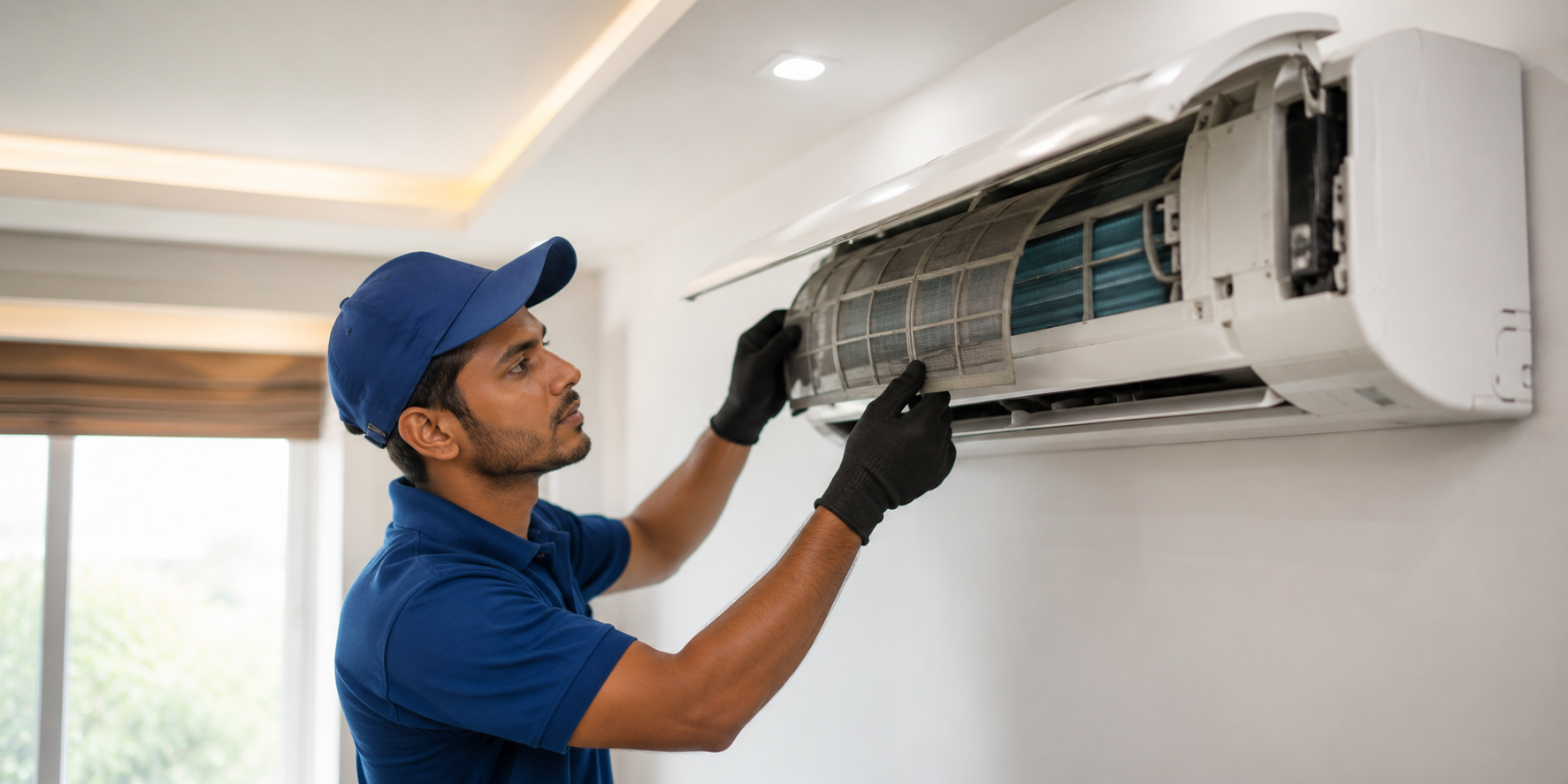
Step 1: Clean or Replace Air Filters
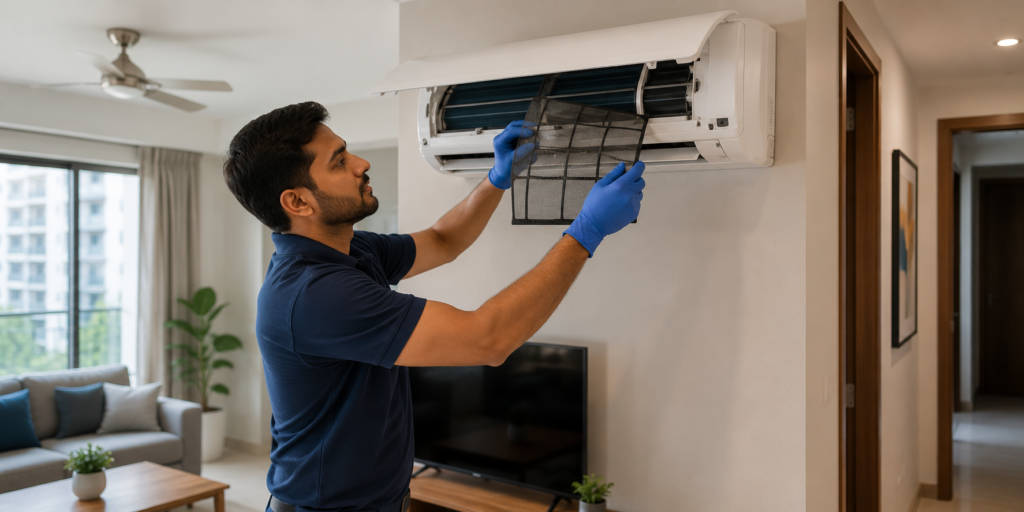
Air filters play a crucial role in maintaining airflow and indoor air quality. Dust and debris accumulate on filters over time, restricting airflow and reducing cooling efficiency.
Cleaning washable filters every few weeks helps maintain optimal performance. If your AC uses disposable filters, replace them according to the manufacturer’s recommendations.
Benefits of clean filters include:
- Improved cooling efficiency
- Better indoor air quality
- Lower energy consumption
- Reduced stress on AC components
A clean filter allows air to circulate freely, helping your system cool rooms faster and more effectively.
Step 2: Inspect and Clean AC Coils
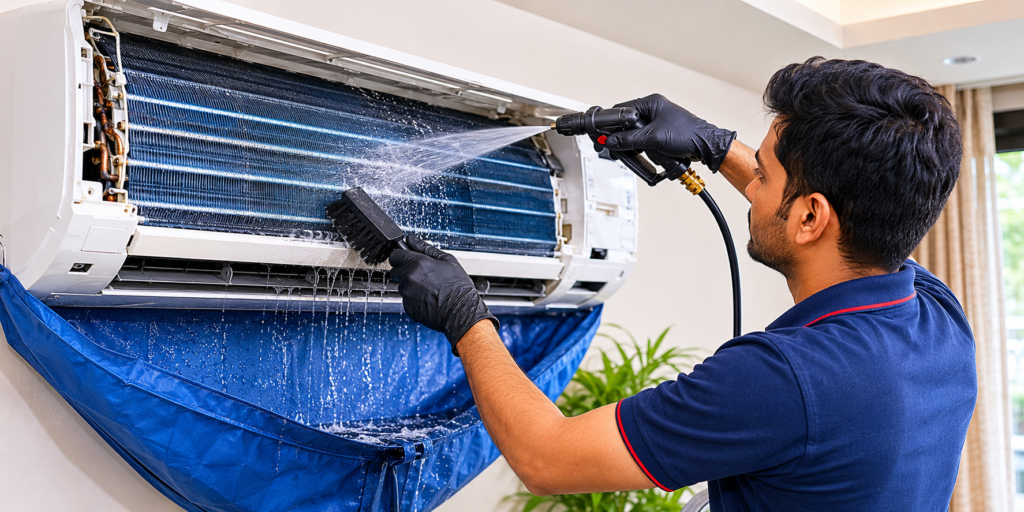
The evaporator and condenser coils are essential for heat exchange. When dirt accumulates on these coils, the system struggles to transfer heat efficiently.
Regular coil cleaning helps maintain cooling performance and reduces energy usage. Professional technicians often use specialized tools and cleaning solutions to remove stubborn dirt and grime.
AC Maintenance Schedule
| Maintenance Task | Recommended Frequency | Benefit |
|---|---|---|
| Filter Cleaning | Every 2–4 Weeks | Better Airflow |
| Coil Cleaning | Every 6 Months | Improved Cooling |
| Refrigerant Check | Annually | Efficient Performance |
| Drain Cleaning | Every 6 Months | Prevent Water Leakage |
| Electrical Inspection | Annually | Enhanced Safety |
| Professional Service | Once or Twice a Year | Longer AC Lifespan |
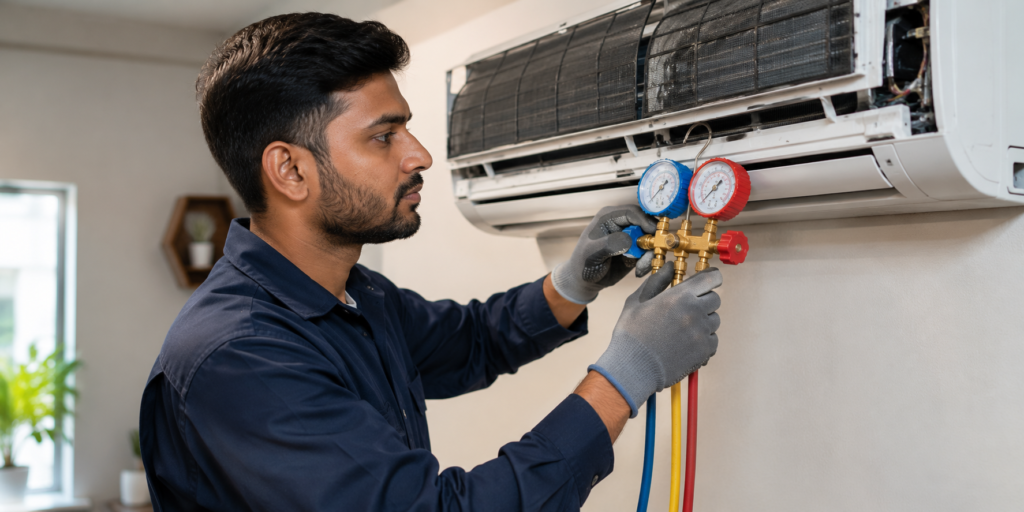
Step 3: Check Refrigerant Levels
Refrigerant is the substance responsible for absorbing and releasing heat. Low refrigerant levels can significantly impact cooling efficiency.
Common signs of low refrigerant include:
- Warm air from vents
- Longer cooling cycles
- Ice formation on coils
- Increased electricity bills
If refrigerant levels are low, a trained technician should identify and repair any leaks before refilling the system. Simply adding refrigerant without fixing leaks may lead to recurring issues.
Step 4: Clean the Drainage System
Air conditioners remove humidity from indoor air. This moisture exits through a condensate drain line. Over time, dirt, algae, and debris can clog the drainage system.
Blocked drains may cause:
- Water leakage
- Mold growth
- Increased humidity
- Damage to surrounding walls or ceilings
Cleaning the drain line regularly prevents these issues and ensures proper moisture removal.
Additionally, maintaining a clean drainage system contributes to healthier indoor air quality and overall comfort.
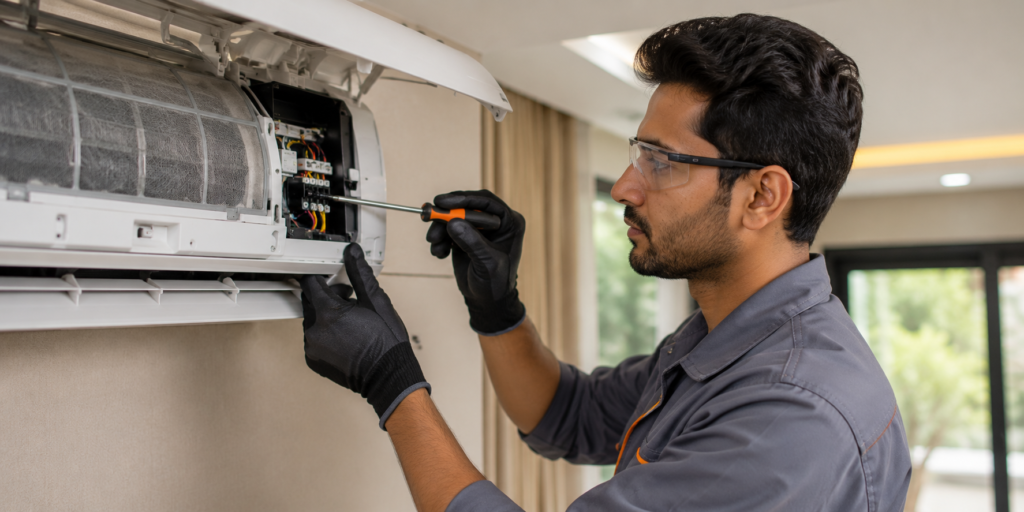
Step 5: Inspect Electrical Components
Electrical components such as wiring, capacitors, relays, and connections are vital for safe AC operation. Loose or damaged electrical parts can affect performance and even create safety hazards.
A thorough inspection helps identify:
- Loose connections
- Worn-out capacitors
- Damaged wiring
- Potential electrical failures
Regular electrical checks ensure reliable operation and reduce the risk of unexpected breakdowns during peak summer months.
Step 6: Schedule Professional Maintenance
While homeowners can perform basic maintenance tasks, professional servicing remains essential. Experienced technicians have the expertise and equipment needed to detect hidden problems before they become serious.
Professional maintenance typically includes:
- Complete system inspection
- Coil cleaning
- Refrigerant evaluation
- Electrical testing
- Performance optimization
- Safety checks
Scheduling professional service at least once or twice annually ensures maximum efficiency and reliability.
Benefits of Following These Steps
By implementing these six maintenance steps, homeowners can enjoy several advantages:
Better Cooling Performance
A properly maintained AC delivers faster and more consistent cooling throughout the home.
Lower Electricity Bills
Efficient systems consume less power, helping reduce monthly energy expenses.
Longer Equipment Lifespan
Regular maintenance minimizes wear and tear, extending the life of your air conditioner.
Improved Indoor Air Quality
Clean filters and coils help reduce dust, allergens, and pollutants inside your home.
Fewer Repairs
Preventive maintenance identifies issues early, reducing the likelihood of major breakdowns.
Conclusion
AC service is essential for maintaining efficient cooling, reducing electricity costs, and extending the life of your air conditioning system. By following these six important maintenance steps—cleaning filters, inspecting coils, checking refrigerant levels, cleaning drains, inspecting electrical components, and scheduling professional servicing—you can ensure reliable performance throughout the year.
Regular AC service not only improves comfort but also helps protect your investment. A proactive maintenance approach keeps your air conditioner operating at peak efficiency while minimizing costly repairs and unexpected breakdowns.
Most experts recommend professional servicing at least once or twice a year. However, filter cleaning should be done every few weeks during heavy usage periods.
Yes. A well-maintained air conditioner operates more efficiently, requiring less energy to cool your home and reducing overall electricity consumption.
Professional maintenance generally includes filter cleaning, coil cleaning, refrigerant inspection, electrical checks, drainage cleaning, and overall system performance evaluation.
