
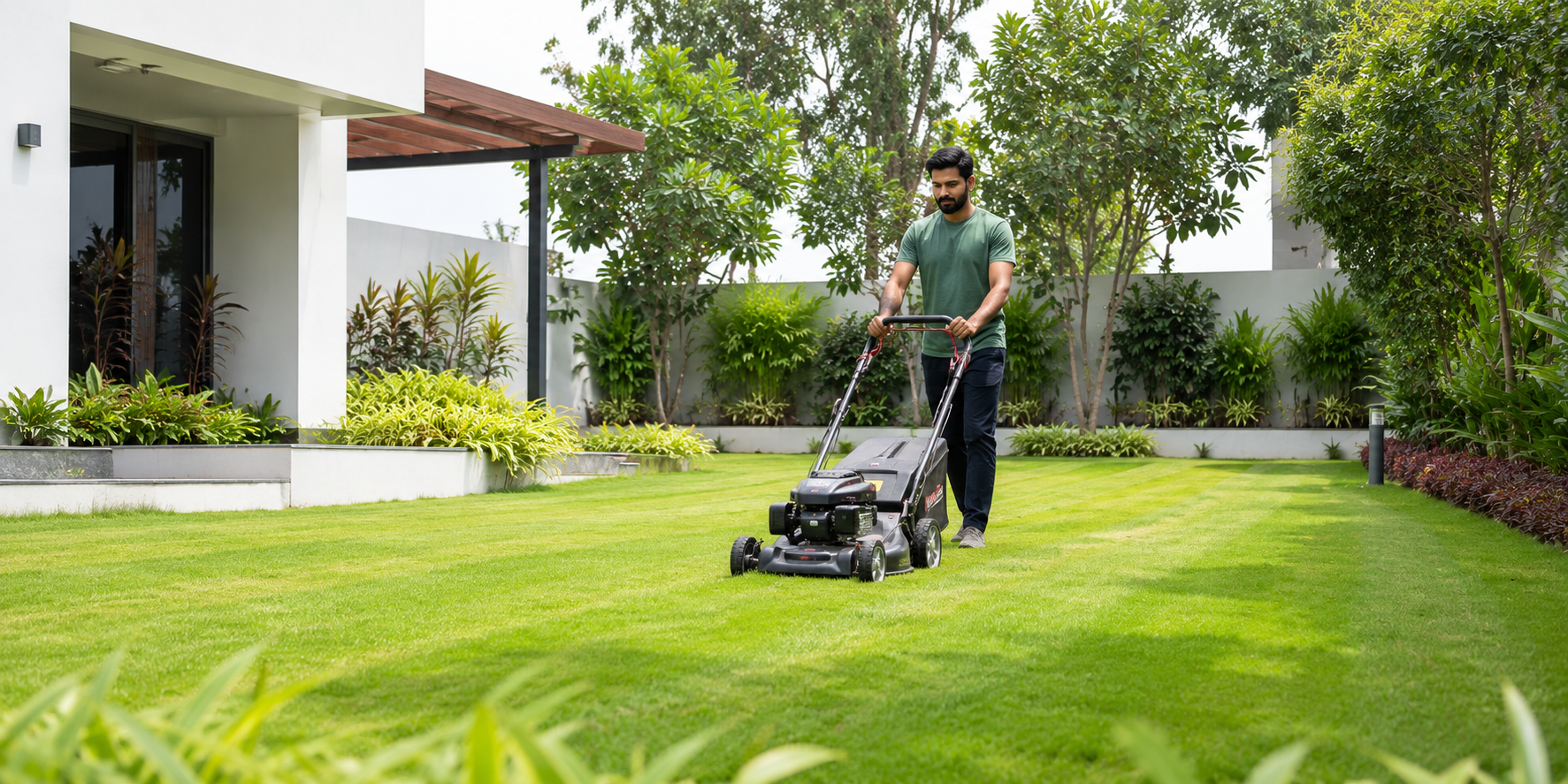
Lawn mowing is one of the most important tasks for maintaining a beautiful and healthy outdoor space. A well-maintained lawn not only improves the appearance of a property but also supports stronger grass growth, reduces weed problems, and creates a comfortable environment for outdoor activities.
Many homeowners assume that cutting grass is a simple task. However, proper mowing techniques can significantly impact the health and appearance of a lawn. Understanding the right mowing height, frequency, and equipment can make a noticeable difference in keeping grass green and vibrant throughout the year.
Understanding the Importance of Lawn Mowing
Regular mowing encourages grass to grow thicker and healthier. When grass is cut correctly, it develops stronger roots and creates a dense surface that helps prevent weeds from taking over.
Proper lawn maintenance also improves air circulation around the grass blades. This reduces the risk of certain lawn diseases and helps the yard remain attractive throughout different seasons.
A healthy lawn can increase property value and create a welcoming outdoor environment. Consistent care ensures that the grass remains strong even during challenging weather conditions.

Choosing the Right Time for Lawn Mowing
Timing plays a major role in achieving good mowing results. Grass should ideally be cut when it is dry. Wet grass tends to clump together, making it difficult to achieve an even cut.
Morning is often considered one of the best times for mowing after the dew has dried. Late afternoon can also be suitable because temperatures are generally lower than midday.
Avoid mowing during extreme heat. Cutting grass during very hot conditions can stress the lawn and slow recovery. Similarly, mowing immediately after rainfall can damage both the grass and the soil beneath it.
Factors That Influence Mowing Frequency
The growth rate of grass depends on several factors, including weather, irrigation, and soil quality. During active growing seasons, lawns may require more frequent attention.
Instead of following a strict schedule, monitor grass height regularly. A flexible approach often delivers better results than mowing on fixed dates.
Essential Lawn Mowing Techniques
Correct mowing techniques help maintain lawn health and improve overall appearance. One widely recommended approach is to avoid removing too much grass at once.
A general guideline is to remove no more than one-third of the grass blade during a single mowing session. This minimizes stress and promotes steady growth.
Another useful technique is changing mowing patterns regularly. Repeatedly mowing in the same direction can cause grass to lean and create uneven growth.
Recommended Grass Height Guide
| Lawn Condition | Recommended Grass Height |
|---|---|
| Cool Season Grass | 2.5–4 inches |
| Warm Season Grass | 1–3 inches |
| High Traffic Areas | Slightly Higher |
| Hot Summer Months | Higher Cutting Height |
Maintaining appropriate grass height helps protect roots, conserve moisture, and reduce weed growth.
Selecting the Best Lawn Mowing Equipment
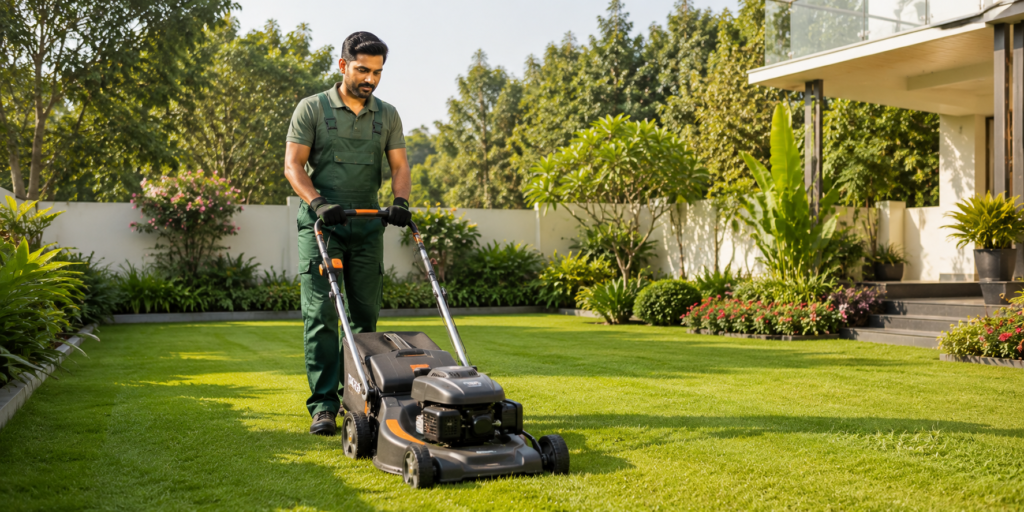
The quality of mowing equipment directly affects the final results. Different lawn sizes require different types of mowers.
Small lawns can often be maintained effectively using lightweight electric or manual mowers. Larger properties may benefit from powerful gas-powered or riding mowers that reduce mowing time.
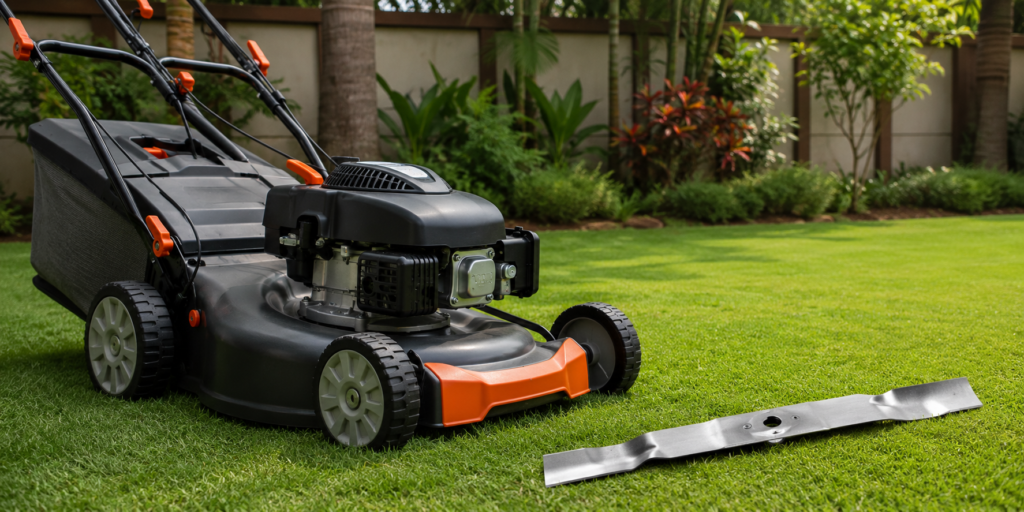
Sharp mower blades are essential. Dull blades tear grass instead of cutting it cleanly, making the lawn more vulnerable to disease and discoloration.
Equipment Maintenance Tips
Regular cleaning prevents grass buildup beneath the mower deck. It is also important to inspect blades, wheels, and engine components periodically.
Well-maintained equipment improves efficiency and delivers a cleaner, more professional-looking cut.
Common Lawn Mowing Mistakes to Avoid
Many lawn problems result from avoidable mowing errors. One of the most common mistakes is cutting grass too short. While a shorter lawn may seem easier to maintain, it often weakens the grass and encourages weed growth.
Another mistake is mowing with dull blades. Ragged cuts can create brown tips and reduce the lawn’s visual appeal.
Ignoring seasonal changes can also lead to poor results. Grass height requirements often vary throughout the year, making adjustments necessary for optimal lawn health.
Signs of Improper Mowing
If grass appears yellow, uneven, or stressed after mowing, it may indicate incorrect mowing practices. Paying attention to these signs allows homeowners to make improvements before long-term damage occurs.
Seasonal Lawn Mowing Guide
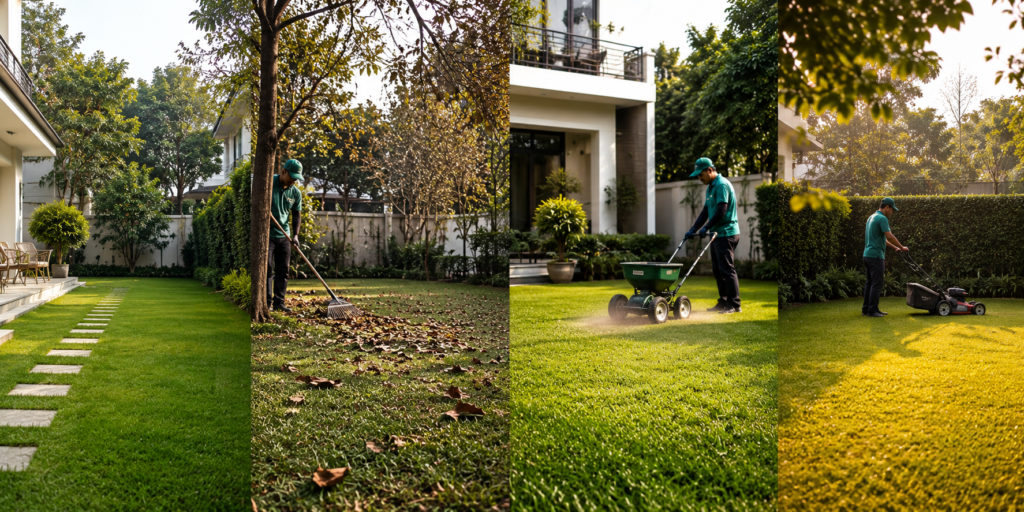
Different seasons require different lawn care strategies. During spring, grass growth typically accelerates due to favorable temperatures and increased moisture.
Summer often requires raising mowing height slightly. Longer grass blades provide shade for the soil and help retain moisture during hot conditions.
Autumn is an excellent time to prepare the lawn for cooler weather. Consistent mowing helps maintain cleanliness and reduces the accumulation of fallen leaves.
Winter mowing requirements vary depending on climate. In some regions, grass growth slows considerably, reducing the need for frequent mowing.
Creating a Long-Term Lawn Care Routine
A healthy lawn depends on more than mowing alone. Combining mowing with watering, fertilization, and weed management creates better long-term results.
Regular inspection helps identify issues before they become serious. Monitoring grass color, density, and growth patterns can reveal early signs of stress or disease.
Consistency is one of the most important factors in lawn care success. Small efforts performed regularly often produce better results than occasional intensive maintenance.
Supporting Lawn Health Beyond Mowing
Aeration improves soil structure and allows nutrients to reach the roots more effectively. Proper irrigation ensures that grass receives adequate moisture without becoming oversaturated.
Combining these practices with responsible mowing creates a strong foundation for a beautiful lawn throughout the year.
Conclusion
Lawn mowing is a fundamental part of maintaining a healthy, attractive, and durable lawn. By following proper mowing techniques, selecting suitable equipment, and adapting to seasonal conditions, homeowners can achieve consistently impressive results.
A thoughtful approach to lawn mowing supports stronger grass growth, improves curb appeal, and helps create an outdoor space that remains enjoyable throughout the year. With regular care and attention, any lawn can become greener, healthier, and easier to maintain.
The ideal height depends on the grass type, but most lawns benefit from maintaining grass between 2.5 and 4 inches to encourage healthy root development.
Mowing frequency depends on grass growth. During active growing seasons, many lawns require mowing every one to two weeks.
It is generally better to avoid mowing wet grass because it can result in uneven cuts, soil compaction, and increased stress on the lawn.
