
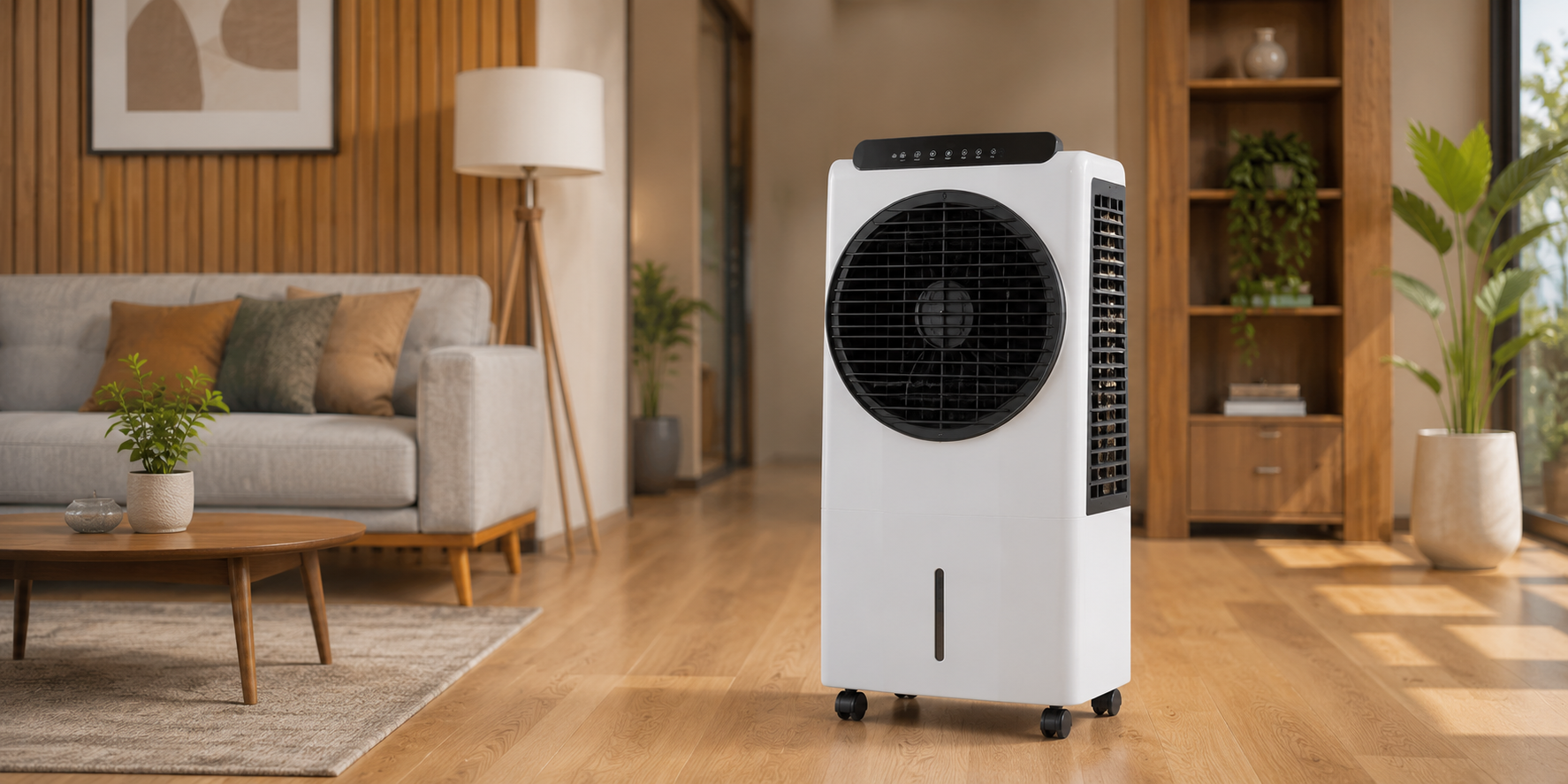
Cooling fan technology has evolved significantly over the years. Today’s fans are no longer limited to simple air circulation. Modern models offer smart controls, energy-saving features, improved airflow patterns, and enhanced user convenience.
Whether you want to stay comfortable during hot summer days or reduce dependence on air conditioners, a smart cooling solution can make a noticeable difference. Understanding the latest technologies can help you choose the right fan for your home, office, or personal space.
What Is Smart Cooling Fan Technology?
Smart cooling technology refers to advanced features that improve airflow management, energy efficiency, and user convenience. Unlike traditional fans, modern units often include intelligent controls, multiple speed settings, remote operation, and automated functions.
These improvements allow users to customize airflow according to room size, temperature, and personal comfort preferences.
Smart Control Systems
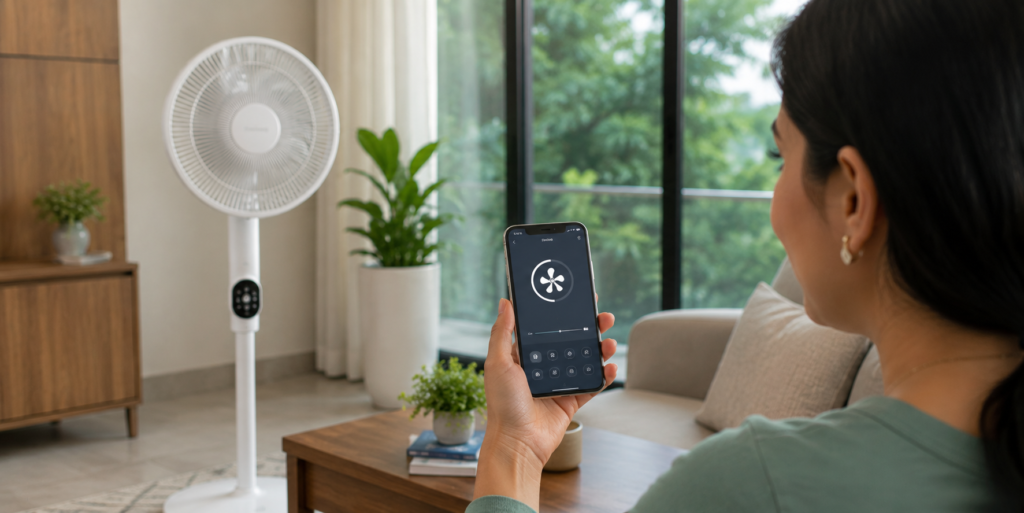
Many modern fans include Wi-Fi connectivity, smartphone apps, voice control compatibility, and programmable schedules. These features make operation more convenient while reducing unnecessary energy consumption.
Key Features of Modern Cooling Fans
Today’s cooling solutions are designed to provide more than just airflow. Manufacturers focus on comfort, efficiency, and user experience.
Airflow Optimization
Advanced blade designs improve air distribution across larger spaces. This creates a more consistent cooling effect while reducing noise levels.
Other important features include:
- Multiple speed settings
- Oscillation modes
- Sleep mode
- Timer functions
- Remote control access
- Voice assistant integration
- Quiet operation technology
These features help create a comfortable indoor environment without excessive energy use.
Benefits of Using a Smart Cooling Fan
Smart cooling solutions offer several advantages compared to conventional fans.
Improved Comfort
Modern airflow technology distributes air evenly throughout the room. This reduces hot spots and creates a more pleasant environment.
Energy Savings
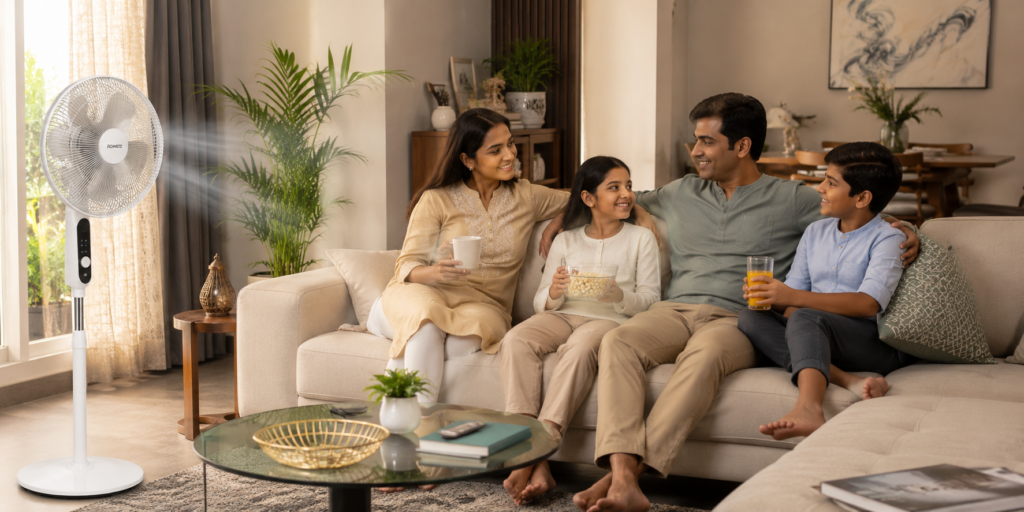
A fan consumes significantly less electricity than most air conditioning systems. Therefore, many homeowners use fans alongside air conditioners to reduce energy costs.
Better Air Circulation
Consistent air movement improves indoor comfort and helps maintain a fresh atmosphere.
Convenience
Remote controls, scheduling functions, and smart connectivity allow users to adjust settings without manual intervention.
Cooling Fan Types and Their Uses
Different environments require different fan designs. Understanding the options helps ensure the best performance.
Comparison of Fan Types
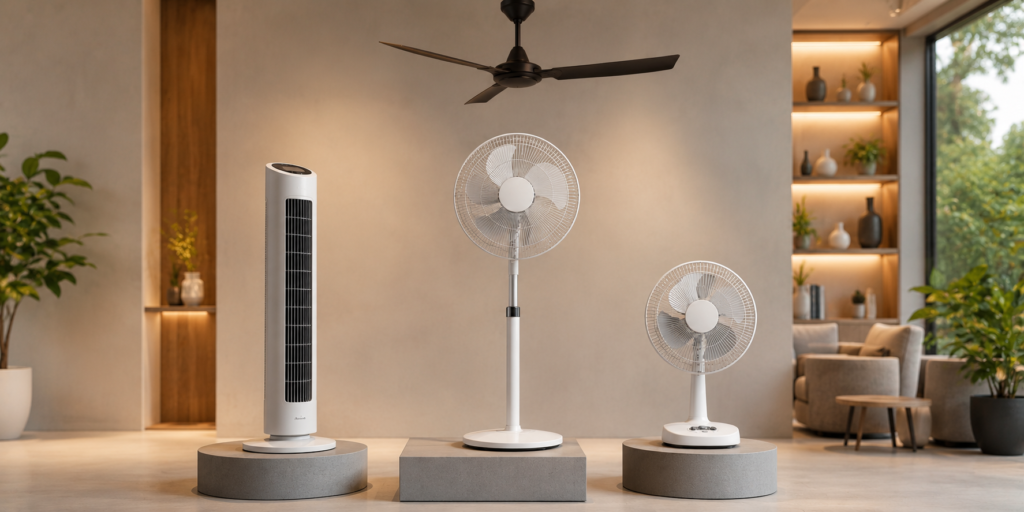
| Fan Type | Best For | Key Advantage |
|---|---|---|
| Ceiling Fan | Large rooms | Wide airflow coverage |
| Tower Fan | Bedrooms | Quiet operation |
| Pedestal Fan | Flexible placement | Adjustable height |
| Table Fan | Small spaces | Portable design |
| Wall-Mounted Fan | Offices | Space-saving installation |
Each type serves a specific purpose, making it important to evaluate room size and cooling requirements before purchasing.
How to Choose the Right Cooling Fan
Selecting the right model requires careful consideration of several factors.
Buying Considerations
Room Size
Larger rooms generally require higher airflow capacity, while compact rooms can perform well with smaller models.
Noise Level
For bedrooms and study areas, quiet operation is an important feature.
Energy Efficiency
Look for models designed to deliver strong airflow with lower power consumption.
Smart Features
Consider whether app control, timers, remote operation, or voice commands are useful for your daily routine.
Build Quality
Durable materials and reliable motors typically provide longer service life and better performance.
Energy Efficiency and Cost Savings
One of the biggest advantages of modern cooling systems is their ability to reduce electricity consumption.
Using a fan alongside an air conditioner allows homeowners to increase thermostat settings while maintaining comfort. As a result, overall energy usage may decrease significantly.
Furthermore, many new models feature efficient motors designed to maximize airflow while minimizing power requirements.
For households seeking budget-friendly cooling solutions, this combination of performance and efficiency offers excellent value.
Maintenance Tips for Long-Term Performance
Regular maintenance helps ensure reliable operation and consistent airflow.
Clean Fan Blades Regularly
Dust accumulation can reduce airflow efficiency. Cleaning blades every few weeks helps maintain performance.
Inspect Electrical Components
Check power cords, switches, and controls periodically to ensure safe operation.
Tighten Loose Parts
Loose screws and fittings may cause vibrations and unnecessary noise.
Store Properly
Portable units should be stored in a clean, dry location when not in use.
Following these simple practices can extend product lifespan and improve efficiency.

Conclusion
A cooling fan remains one of the most practical and cost-effective solutions for improving indoor comfort. Modern smart technology has transformed traditional fans into efficient devices that offer better airflow, enhanced convenience, and energy savings.
By understanding different fan types, advanced features, and maintenance requirements, consumers can make informed decisions and enjoy reliable cooling performance throughout the year.
A smart cooling fan offers features such as remote control, scheduling, app connectivity, and energy-efficient operation, making cooling more convenient and effective.
Yes. Cooling fans consume significantly less power than air conditioners and can help reduce overall energy usage when used efficiently.
Tower fans and quiet pedestal fans are often preferred for bedrooms because they provide effective airflow while maintaining low noise levels.
