
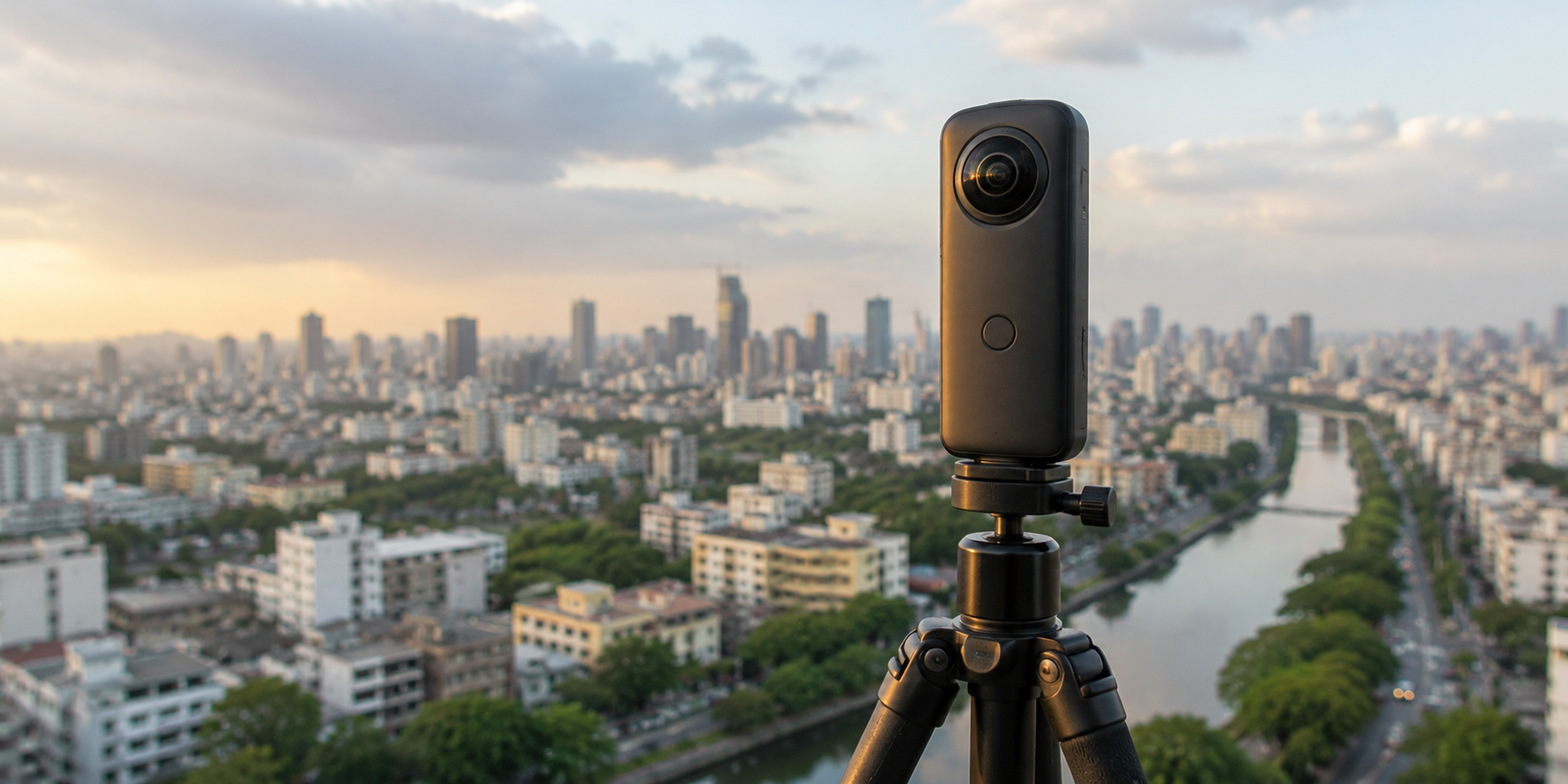
360 Camera technology has transformed the way people capture photos and videos. Unlike traditional cameras that record only one direction, a 360 camera captures everything around it at the same time. This creates immersive content that allows viewers to explore every angle of a scene.
Whether you are a traveler, content creator, real estate professional, or business owner, a 360 camera can help you create engaging visual experiences. As virtual reality and interactive media continue to grow, these cameras are becoming increasingly popular across different industries.
In this guide, we will explore the features, benefits, and practical uses of 360 cameras, helping you understand why they have become an important tool in modern photography and videography.
1. What Is a 360 Camera?
A 360 camera is a specialized device equipped with multiple ultra-wide-angle lenses that capture a complete spherical view of the surrounding environment. The captured images or videos are automatically stitched together through software to create a seamless panoramic experience.
Unlike conventional cameras, viewers can rotate, zoom, and explore different perspectives within the content. This interactive capability makes 360-degree media highly engaging.
Today, many creators use these cameras for travel videos, virtual tours, action sports, and immersive storytelling.
How Does It Work?
Most 360-cameras use two fisheye lenses placed on opposite sides of the device. Each lens captures a wide field of view, and the software combines both images into one spherical scene.
This process creates content that can be viewed on smartphones, computers, VR headsets, and social media platforms.

2. Key Features of a 360 Camera
Modern 360-cameras offer several advanced features that improve image quality and user experience.
Full Spherical Capture
The biggest advantage is the ability to record every direction simultaneously. Users do not need to worry about pointing the camera toward a specific subject.
High-Resolution Video
Many modern models support 4K, 5.7K, and even 8K recording, ensuring detailed and sharp footage.
Image Stabilization
Built-in stabilization technology helps create smooth videos even when walking, running, or riding.
AI-Powered Editing
Many cameras now include artificial intelligence tools that automatically track subjects, edit clips, and generate highlights.
Live Streaming Support
Content creators can broadcast immersive experiences directly to online audiences through supported platforms.
3. Benefits of Using a 360 Camera
A 360 camera provides several advantages that traditional cameras cannot easily match.
| Feature | Benefit |
|---|---|
| Full Scene Capture | Records every angle without repositioning |
| Interactive Viewing | Enhances audience engagement |
| VR Compatibility | Supports virtual reality experiences |
| Flexible Editing | Allows reframing after recording |
| Time Saving | Reduces the need for multiple camera setups |
One major benefit is creative freedom. Since the entire scene is captured, creators can decide later which angle to display. This flexibility is especially useful during live events and outdoor adventures.
Another advantage is audience engagement. Interactive content often attracts more attention because viewers can actively explore the environment.
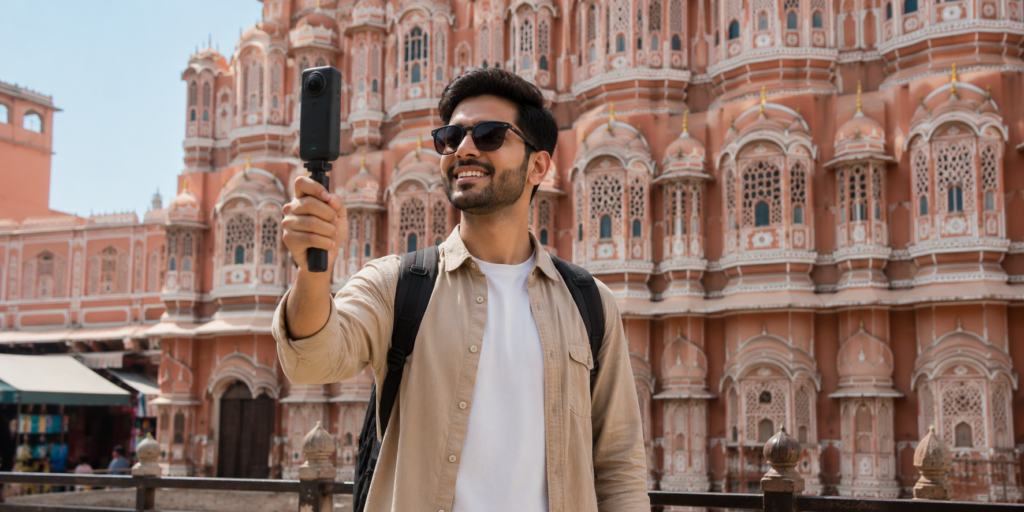
4. Industries That Use 360 Cameras
The use of 360 camera technology extends far beyond content creation.
Real Estate
Real estate agencies use virtual tours to showcase properties online. Potential buyers can explore rooms remotely before scheduling visits.
Tourism
Travel companies create immersive destination previews that help travelers make informed decisions.
Education
Educational institutions use virtual experiences to make learning more interactive and engaging.
Event Management
Organizers record weddings, conferences, concerts, and corporate events in a fully immersive format.
Construction and Architecture
Professionals document project progress and site conditions more effectively using spherical imagery.
5. Popular Applications of 360 Cameras
The practical uses of a 360 camera continue to expand every year.
Travel Documentation
Travelers can capture entire landscapes instead of limited viewpoints. This helps preserve memories in a more realistic way.
Vlogging
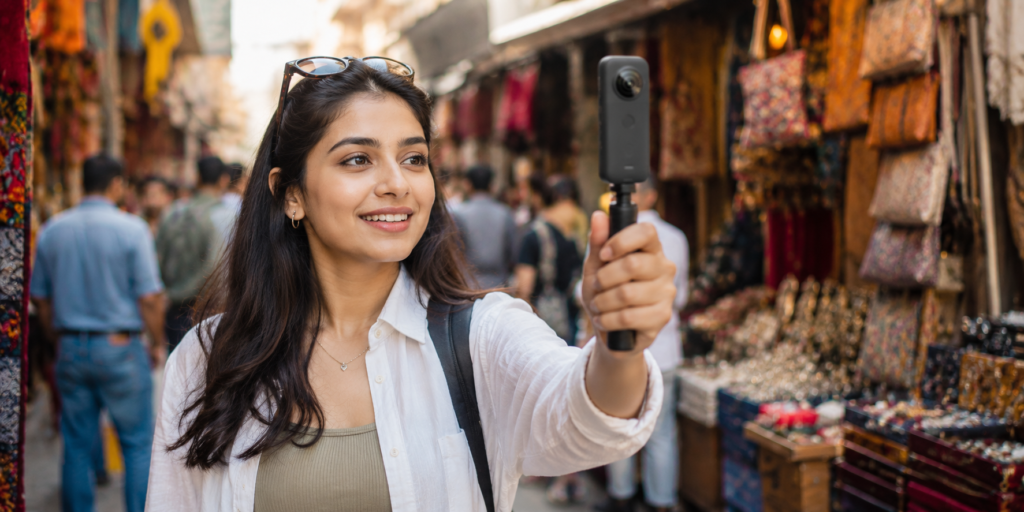
Many vloggers use 360 cameras to create dynamic content where viewers control the viewing angle.
Action Sports
Adventure enthusiasts record cycling, skiing, hiking, and water sports while maintaining immersive perspectives.
Virtual Tours
Businesses create virtual walkthroughs of hotels, showrooms, museums, and commercial properties.
Social Media Content
Interactive videos often stand out on social platforms because they provide a unique viewing experience.
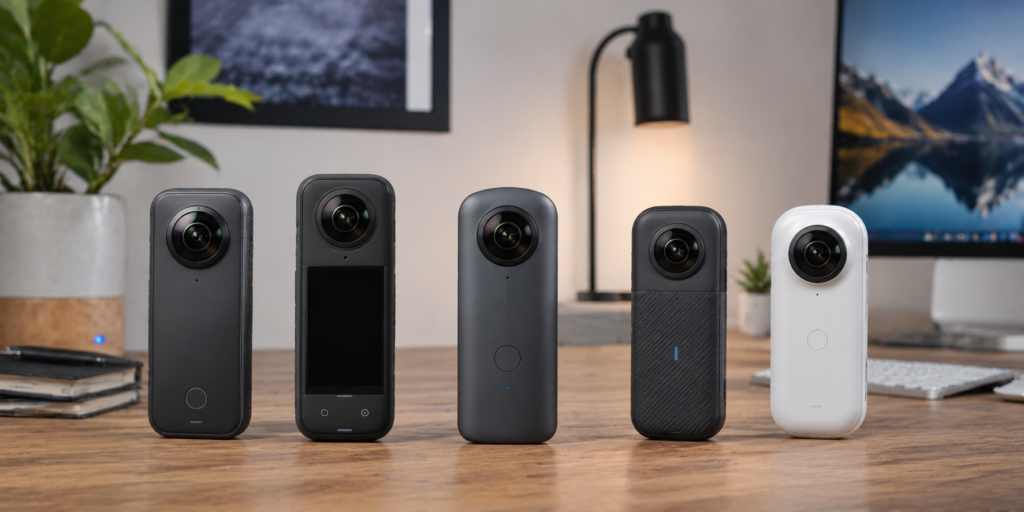
6. How to Choose the Right 360 Camera
Choosing the right device depends on your specific requirements.
Consider Resolution
Higher resolutions generally produce better image quality, especially for professional projects.
Check Stabilization Features
Good stabilization is essential for smooth video recording during movement.
Evaluate Battery Life
Long battery performance is important for travel, outdoor activities, and event coverage.
Look for Editing Software
A user-friendly editing application can significantly improve workflow efficiency.
Review Storage Options
Ensure the camera supports sufficient storage capacity for large video files.
Before purchasing, identify whether your primary focus is travel, professional production, virtual tours, or social media content.
7. Future of 360 Camera Technology
The future of 360 camera technology looks promising. Improvements in artificial intelligence, image processing, and virtual reality are making immersive content more accessible than ever.
As VR headsets become more common, demand for interactive media is expected to increase. Additionally, advancements in cloud processing and AI editing will simplify content creation for beginners.
Businesses are also investing more in immersive marketing strategies, which may further accelerate the adoption of 360-degree media solutions.
8. Conclusion
A 360 Camera is more than just a photography device. It is a powerful tool for creating immersive experiences that traditional cameras cannot easily replicate. From travel and vlogging to real estate and education, its applications continue to grow across industries.
As technology advances, 360 cameras are becoming easier to use, more affordable, and increasingly capable. Whether you are a beginner or a professional creator, investing in a 360 camera can open new opportunities for storytelling, engagement, and innovation.
A 360 camera captures the entire surrounding environment at once, allowing viewers to explore every angle of the scene interactively.
Yes. Many modern devices offer automatic stitching, AI editing, and user-friendly mobile apps, making them suitable for beginners.
Absolutely. Real estate, tourism, marketing, event management, and content creation professionals frequently use 360 cameras for high-quality immersive experiences.
