

Humayun’s tomb is one of Delhi’s most remarkable historical landmarks and a masterpiece of Mughal architecture. Recognized as a UNESCO World Heritage Site, this magnificent monument attracts travelers, history enthusiasts, and architecture lovers from around the world.
Built in the 16th century, the tomb represents a significant milestone in Indian architectural history. Its elegant design, beautiful gardens, and rich cultural legacy make it one of the most visited heritage attractions in Delhi. Whether you are interested in history, photography, or cultural exploration, this monument offers a memorable experience.
The blend of Persian and Indian architectural styles creates a timeless beauty that continues to inspire visitors. In addition, the peaceful surroundings provide a welcome escape from the city’s busy atmosphere.
History of Humayun’s Tomb
Humayun’s Tomb was commissioned by Empress Bega Begum, the wife of Mughal Emperor Humayun, in 1565. The monument was completed around 1572 and became one of the earliest examples of grand Mughal architecture in India.
The tomb was designed by Persian architect Mirak Mirza Ghiyas. It introduced several architectural features that later influenced famous monuments, including the iconic Taj Mahal.
Humayun, the second Mughal emperor, played an important role in shaping the Mughal Empire. Therefore, the construction of his mausoleum was intended not only as a resting place but also as a symbol of royal power and cultural achievement.
Historical Significance Table
| Feature | Details |
|---|---|
| Location | Delhi, India |
| Built By | Empress Bega Begum |
| Construction Period | 1565–1572 |
| Architectural Style | Mughal and Persian |
| UNESCO Status | World Heritage Site |
| Architect | Mirak Mirza Ghiyas |
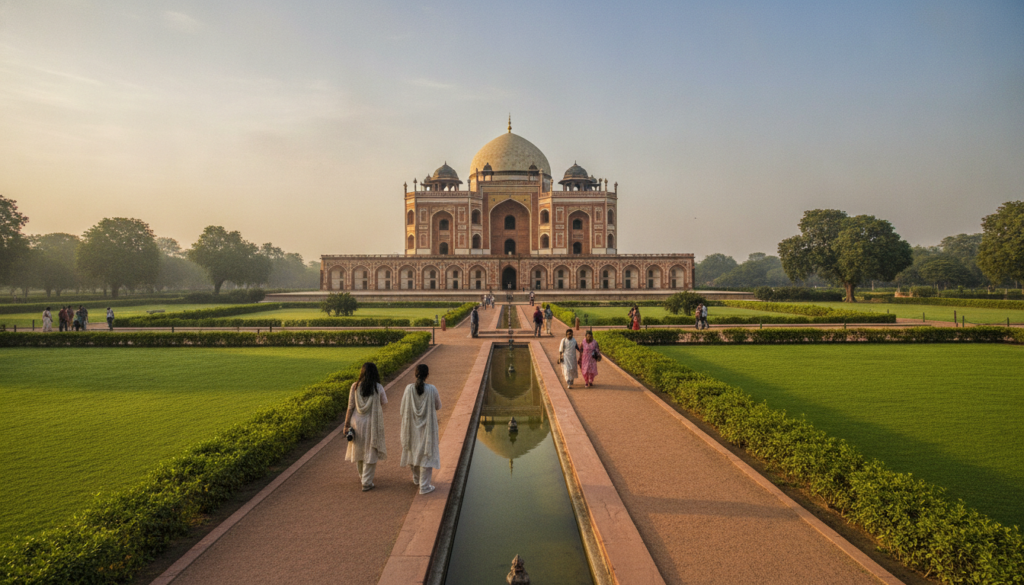
Why Humayuns Tomb Is Architecturally Important
The monument is considered one of the finest examples of early Mughal architecture. It combines Persian design principles with Indian craftsmanship to create a structure of remarkable beauty.
The tomb stands on a high platform and features red sandstone decorated with white marble accents. Its symmetrical layout reflects the Mughal emphasis on balance and harmony.
The Charbagh Garden Design
One of the most impressive features is the Charbagh garden. This traditional Persian-style garden is divided into four sections by water channels and walkways.
The garden layout symbolizes paradise and adds to the monument’s visual appeal. Visitors often spend time walking through these beautifully maintained landscapes while enjoying the peaceful atmosphere.

Key Attractions Inside the Complex
Although the main tomb is the primary attraction, the entire complex contains several important structures worth exploring.
Main Mausoleum
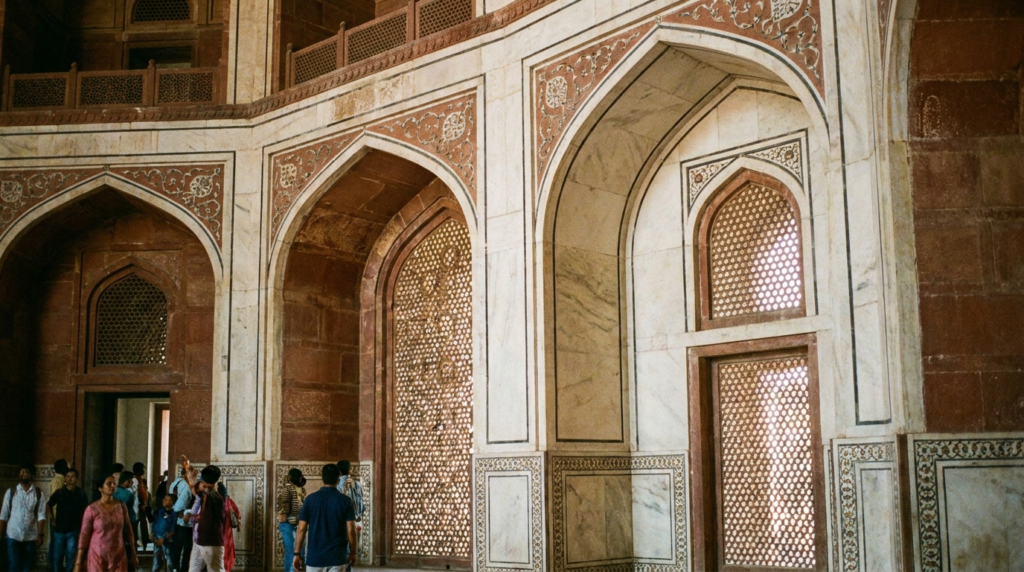
The central structure houses the tomb of Emperor Humayun. Its impressive dome, detailed arches, and geometric patterns showcase the sophistication of Mughal architecture.
Isa Khan’s Tomb
Located within the complex, Isa Khan’s Tomb predates Humayun’s Tomb and features unique Afghan architectural influences. It offers visitors a fascinating glimpse into pre-Mughal design traditions.
Barber’s Tomb
Another notable structure is the Barber’s Tomb, which is believed to belong to a royal barber who served the Mughal court.
Together, these monuments create a rich historical environment that rewards careful exploration.

Visitor Information and Travel Tips
Planning your visit in advance can help you enjoy the experience more comfortably.
Timings
The monument generally remains open from sunrise to sunset. However, visitors should verify current timings before traveling.
Tickets
Both Indian and international visitors can purchase tickets at the site or through online booking platforms.
Useful Travel Tips
- Arrive early in the morning to avoid crowds.
- Carry water during warmer months.
- Wear comfortable walking shoes.
- Keep a camera ready for photography.
- Allocate at least two to three hours for exploration.
These simple preparations can significantly improve your visit.
Best Time to Visit
The ideal time to visit is between October and March when Delhi experiences pleasant weather. During these months, temperatures are comfortable for walking and sightseeing.
Winter mornings provide excellent lighting conditions for photography. Moreover, the gardens appear especially vibrant during the cooler season.
Although summer visits are possible, the afternoon heat can be intense. Therefore, early morning or late afternoon visits are generally recommended.
Nearby Places to Explore
A visit becomes even more rewarding when combined with nearby attractions.
Sunder Nursery
Known for its landscaped gardens and heritage structures, Sunder Nursery is a popular destination for nature lovers.
Purana Qila
This historic fort offers fascinating insights into Delhi’s medieval history and architecture.
India Gate
One of Delhi’s most recognized landmarks, India Gate is located within a reasonable distance and can be included in the same itinerary.

Why Humayun’s Tomb Remains Special
What makes this monument truly remarkable is its combination of historical significance, architectural excellence, and cultural importance. It serves as a bridge between different artistic traditions and represents an important chapter in India’s heritage.
The monument’s preservation efforts have also helped maintain its original grandeur. As a result, visitors today can experience much of the beauty that existed centuries ago.
For architecture enthusiasts, photographers, historians, and casual travelers alike, the site offers something meaningful and memorable.
Conclusion
humayun’s tomb continues to stand as one of India’s most treasured historical monuments. Its rich history, magnificent architecture, and serene gardens make it a must-visit destination in Delhi.
Whether you are exploring Mughal heritage, capturing stunning photographs, or simply enjoying a peaceful cultural experience, this iconic landmark delivers lasting memories. A visit to Humayun’s Tomb is not only a journey through history but also an opportunity to appreciate the artistic brilliance of one of India’s greatest architectural achievements.
Humayun’s Tomb is famous for its magnificent Mughal architecture and its status as a UNESCO World Heritage Site. It also influenced the design of later monuments such as the Taj Mahal.
Most visitors spend between two and three hours exploring the monument, gardens, and surrounding historical structures within the complex.
The best time to visit is from October to March when the weather in Delhi is pleasant and ideal for sightseeing and photography.
