
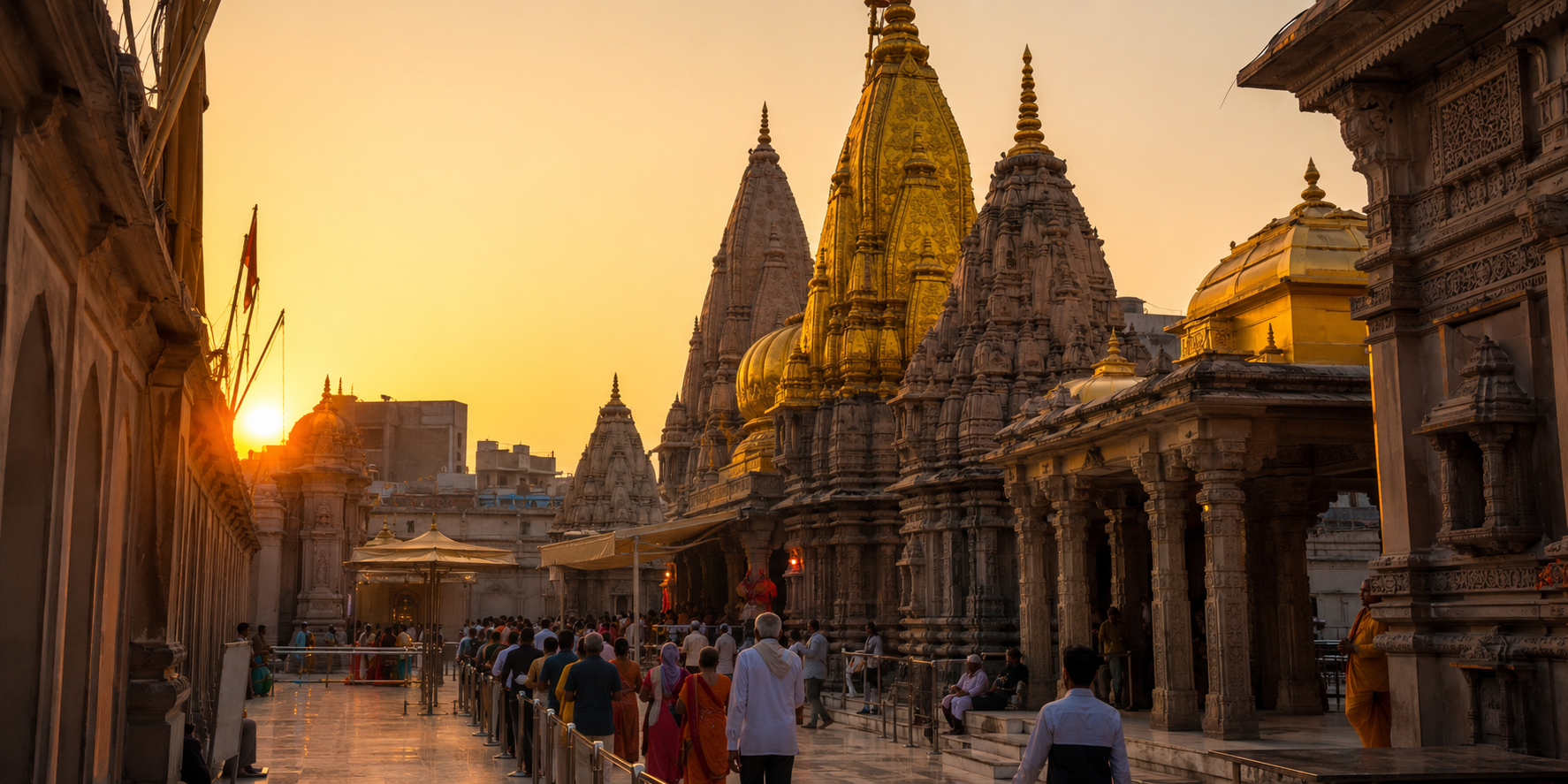
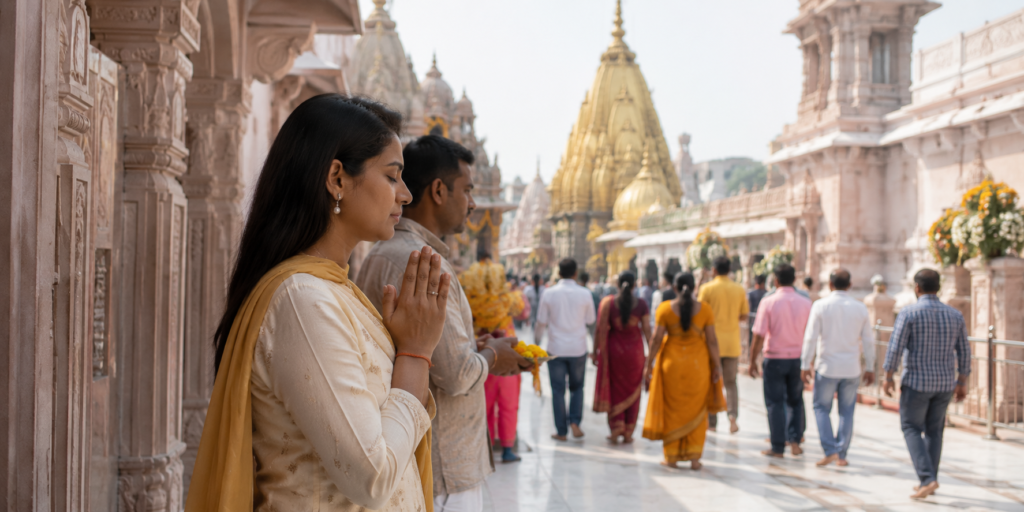
Kashi Vishwanath Temple is one of the most revered Hindu temples and a major pilgrimage destination in India. Situated in the spiritual city of Varanasi, Uttar Pradesh, the temple is dedicated to Lord Shiva and is counted among the twelve sacred Jyotirlingas. Every year, millions of devotees visit the temple to seek blessings, participate in rituals, and experience the divine atmosphere that has made Kashi one of the holiest cities in the world.
A visit to this sacred shrine can be deeply spiritual, but proper planning is important for a smooth and peaceful experience. Understanding temple timings, crowd patterns, entry procedures, and nearby attractions can help visitors make the most of their journey. This guide covers everything you need to know before visiting Kashi Vishwanath Temple.
About Kashi Vishwanath Temple
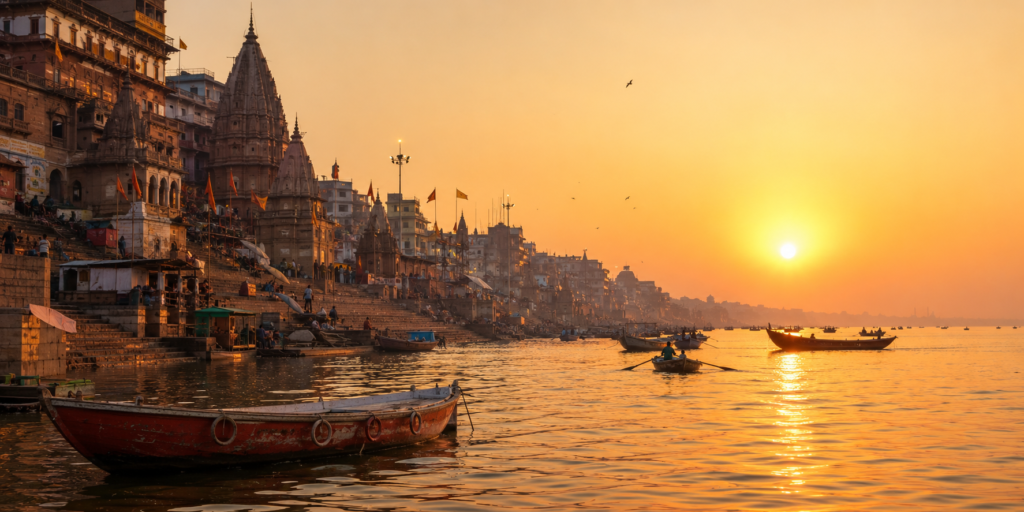
Located near the banks of the holy River Ganga, Kashi Vishwanath Temple has been a center of devotion for centuries. The temple is dedicated to Lord Vishwanath, a form of Lord Shiva known as the ruler of the universe.
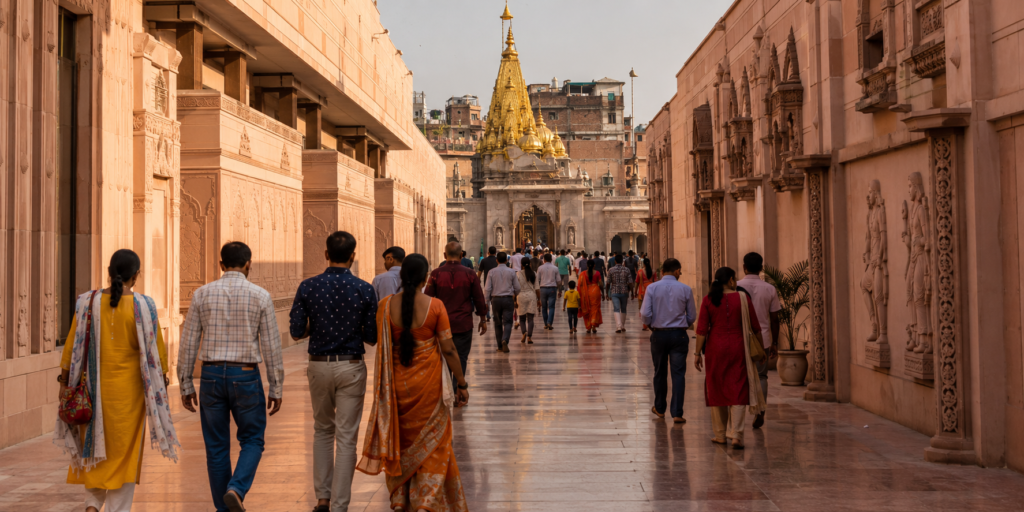
The temple complex has undergone several reconstructions throughout history. Today, it stands as one of the most visited religious sites in India. The development of the Kashi Vishwanath Corridor has significantly improved accessibility, making it easier for pilgrims to move between the temple and the ghats.
Devotees believe that visiting the temple and offering prayers here can bring spiritual liberation and inner peace. The temple’s sacred atmosphere attracts both pilgrims and travelers interested in India’s religious heritage.
History and Spiritual Significance
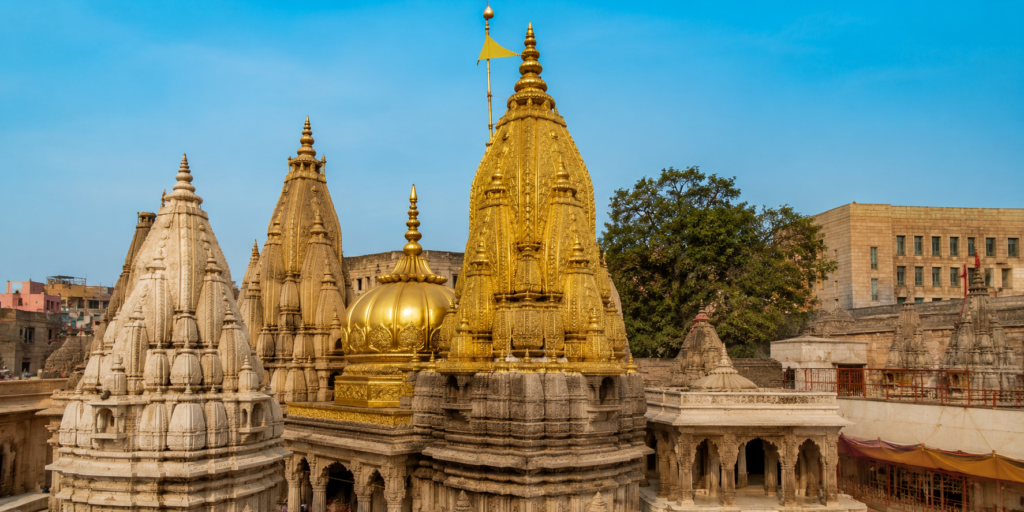
The history of Kashi Vishwanath Temple dates back thousands of years and is deeply connected with Hindu traditions and scriptures. Ancient texts mention Kashi as the city of Lord Shiva, making it one of the oldest continuously inhabited spiritual centers in the world.
The temple has faced destruction and reconstruction multiple times during different periods of history. The present structure was rebuilt by Queen Ahilyabai Holkar of Indore in the eighteenth century. Over time, various rulers and devotees contributed to its preservation and development.
For Hindus, Kashi is believed to be a sacred place where spiritual enlightenment can be attained. Many devotees visit the temple to perform rituals for themselves and their ancestors. The powerful religious significance of the shrine makes it a lifelong pilgrimage goal for many believers.
Best Time to Visit Kashi Vishwanath Temple
The ideal time to visit Kashi Vishwanath Temple is between October and March. During these months, the weather remains pleasant, making temple visits and sightseeing more comfortable.
Winter mornings offer a peaceful atmosphere and relatively manageable crowds. Visitors can also explore Varanasi’s ghats and cultural attractions without dealing with extreme temperatures.
Although the temple remains open throughout the year, summer months can be very hot. The monsoon season brings cooler weather, but occasional rainfall may affect travel plans.
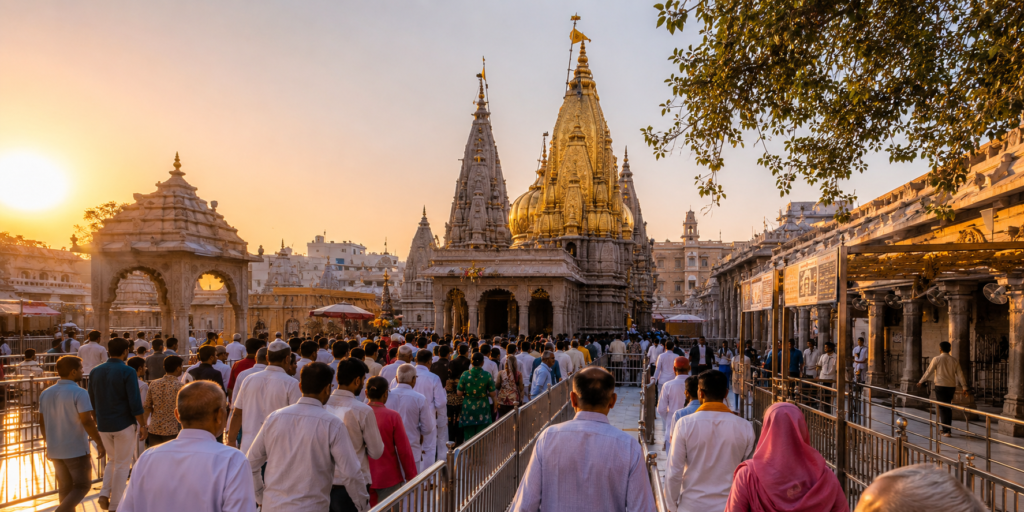
If you prefer a quieter experience, consider visiting on weekdays and arriving early in the morning. Festival periods such as Mahashivratri and Shravan month attract huge crowds and longer waiting times.
Darshan Timings and Entry Information
Temple timings may vary on special occasions, but darshan is generally available throughout the day with specific breaks for rituals and ceremonies.
Visitors should check the latest schedule before planning their visit. Special aartis and pujas are conducted at different times and attract many devotees.
Darshan Overview
| Activity | Recommended Time |
|---|---|
| Early Morning Darshan | Before peak crowd hours |
| General Darshan | Morning and evening |
| Ganga Aarti Visit | Evening |
| Temple Exploration | Morning or late afternoon |
Security measures are strict around the temple complex. Visitors may need to pass through security checkpoints before entering the premises.
How to Reach the Temple
Varanasi is well connected by air, rail, and road, making it accessible from major Indian cities.
By Air
The nearest airport is Lal Bahadur Shastri International Airport, located approximately 25 kilometers from the city center. Taxis and local transport are readily available.
By Train
Varanasi Junction is one of the busiest railway stations in North India and offers excellent connectivity with major cities.
By Road
Several government and private buses operate regularly to Varanasi from nearby states and cities.
Once in the city, visitors can use auto-rickshaws, taxis, or e-rickshaws to reach the temple area.
Important Travel Tips for Visitors
Carry Only Essential Items
Security regulations restrict many personal belongings inside the temple complex. Travel light for a smoother entry process.
Wear Comfortable Clothing
Since visitors may need to walk through the corridor and surrounding areas, comfortable attire is recommended.
Arrive Early
Early morning visits usually offer a more peaceful experience and shorter waiting times.
Stay Hydrated
If visiting during warmer months, carry water and take breaks when needed.
Respect Temple Customs
Follow local guidelines, maintain decorum, and respect religious practices during your visit.
These simple steps can make your temple visit more comfortable and spiritually fulfilling.
Nearby Attractions in Varanasi
A visit to Kashi Vishwanath Temple can be combined with several iconic attractions nearby.
Dashashwamedh Ghat
Known for its spectacular evening Ganga Aarti, this ghat is one of the most visited locations in Varanasi.
Assi Ghat
A peaceful destination popular for morning walks, yoga sessions, and cultural events.
Sarnath
Located a short distance from Varanasi, Sarnath is an important Buddhist pilgrimage site where Lord Buddha delivered his first sermon.
Banaras Hindu University
The university campus is known for its architecture, cultural significance, and educational heritage.
Exploring these places adds depth to your Varanasi experience and helps visitors understand the city’s rich spiritual and cultural legacy.
Conclusion
Kashi Vishwanath Temple is much more than a religious destination. It represents centuries of faith, devotion, and cultural heritage. From its spiritual significance and historic legacy to the modern corridor that enhances the pilgrim experience, the temple remains one of India’s most important sacred sites.
By planning your visit carefully, choosing the right time, and following essential travel tips, you can enjoy a peaceful and memorable darshan. Whether you are visiting for spiritual reasons or cultural exploration, Kashi Vishwanath Temple offers an experience that stays with you long after your journey ends.
The best time to visit is from October to March when the weather is pleasant and suitable for temple visits and sightseeing.
Most visitors spend one to three hours, depending on crowd levels, security checks, and participation in rituals.
Yes, tourists are welcome to visit the temple and explore the corridor and nearby attractions while following temple guidelines.
