
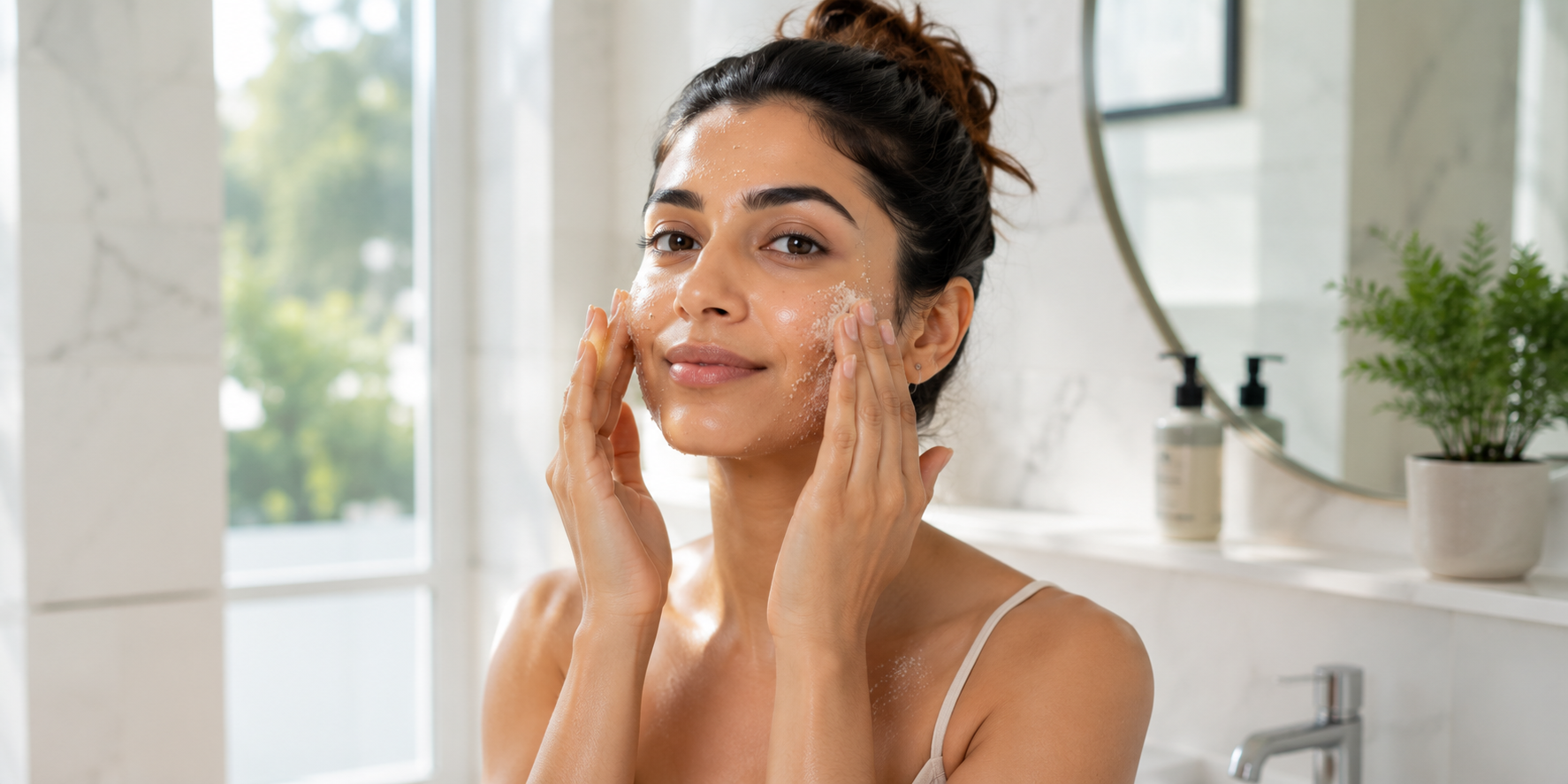
An exfoliating scrub is one of the simplest ways to bring life back to tired, dull-looking skin. Most of us focus on cleansing and moisturizing, but we forget that dead skin cells build up every single day, leaving the surface looking flat and uneven. This is where a good scrub steps in to clear away that buildup and reveal fresher skin underneath.
Whether you are dealing with rough patches, clogged pores, or simply want a healthy glow before a festive occasion, learning to exfoliate correctly can make a real difference. In this guide, we will walk through everything from choosing the right product to using it safely, so you get real results without damaging your skin barrier in the process.
What Is an Exfoliating Scrub?
This skincare staple is a product designed to remove dead skin cells from the surface of the skin. Over time, these dead cells make the complexion look dull, rough, and patchy, even if your daily cleansing routine is otherwise solid.
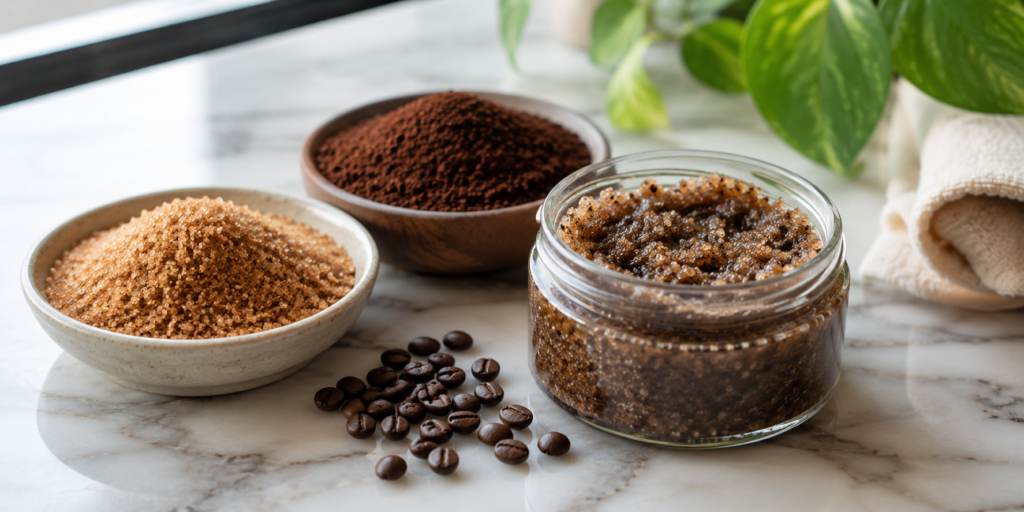
Most formulas rely on tiny granules, beads, or natural particles like sugar and ground coffee to physically lift away this buildup. Other versions use gentle acids instead, working by loosening the bond between dead cells rather than relying on any scrubbing motion at all.
Either way, the end goal stays the same: smoother, brighter, and noticeably healthier-looking skin. Many dermatologists also point out that consistent, gentle exfoliation helps serums and moisturizers absorb more effectively afterward.
Different Types of Skin Scrubs
Not every scrub works the same way, and understanding the two broad categories helps you pick a formula that genuinely suits your skin rather than one that simply looks appealing on a shelf.
Physical Scrub
This type contains small particles that you rub onto the skin to manually lift away dead cells. Sugar, salt, walnut shell powder, and coffee grounds are all common examples found in this category.
These scrubs feel satisfying and deliver an almost instant smooth texture. However, they can turn harsh fairly quickly if the granules are too coarse or if you apply too much pressure, especially around the delicate face area.
Chemical Exfoliant
This type relies on mild acids such as glycolic acid, lactic acid, or salicylic acid rather than physical friction. Instead of scrubbing, these ingredients dissolve the glue holding dead skin cells together, lifting them away gradually.
This option tends to feel gentler and works particularly well for acne-prone or sensitive skin. Many dermatologists recommend chemical exfoliants to people who find traditional scrubbing motions too rough on their face.

How to Choose the Right Scrub for Your Skin Type
Picking a suitable exfoliating scrub depends largely on your skin type and current concerns rather than on packaging or popularity alone. Oily and acne-prone skin generally responds well to salicylic acid-based formulas, since this ingredient also helps unclog congested pores.
Dry or sensitive skin usually benefits more from finely milled physical options or mild lactic acid formulas. Combination skin can often handle either approach, though it helps to concentrate stronger exfoliation only on oilier areas like the forehead, nose, and chin.
In addition, always check the ingredient list for added moisturizing agents like aloe vera or glycerin. These help balance the exfoliating action, so the skin does not feel stripped or tight once you rinse it off.
Step-by-Step Guide to Using a Scrub
Using any exfoliating product correctly matters just as much as choosing the right formula in the first place. Follow these simple steps to get consistent, visible results.
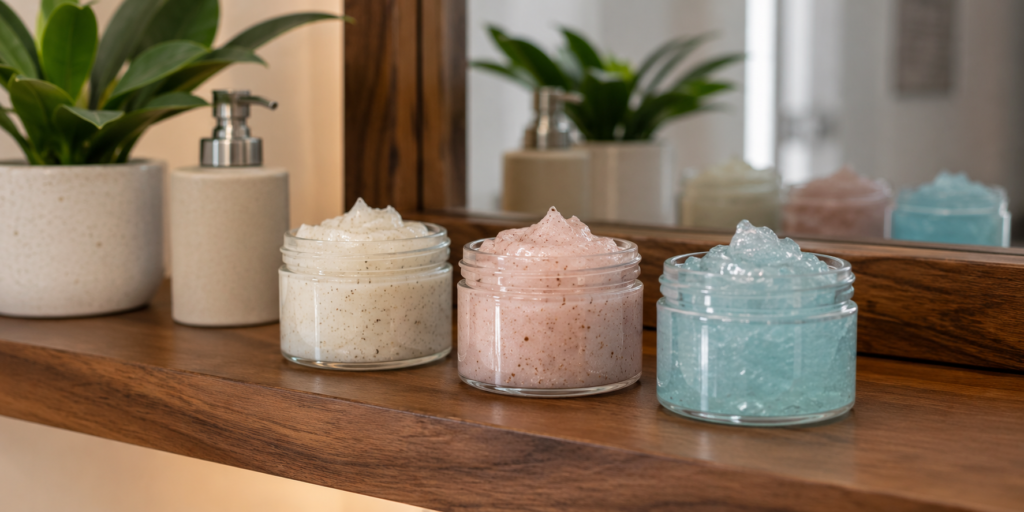
First, start with a clean, slightly damp face or body. Apply a small amount of product using gentle, circular motions for roughly thirty seconds, focusing extra time on rougher patches like elbows or knees.
Next, rinse thoroughly with lukewarm water, never hot, since hot water tends to strip away natural oils unnecessarily. Pat the skin dry instead of rubbing it vigorously with a towel.
Finally, follow up immediately with a moisturizer to lock in hydration. Therefore, this step should never be skipped, especially right after exfoliating, since skin remains more receptive and slightly more sensitive at this stage.
Most skincare experts suggest exfoliating two to three times a week for normal skin, while sensitive skin usually does better with just one session a week.

Exfoliating Scrub Guide by Skin Type
Here is a quick reference table to help you match the right product to your specific skin type and needs.
| Skin Type | Recommended Formula | Suggested Frequency |
|---|---|---|
| Oily Skin | Salicylic acid based | 2-3 times a week |
| Dry Skin | Gentle sugar or oat based | Once a week |
| Sensitive Skin | Mild lactic acid based | Once a week |
| Combination Skin | Light physical formula | Twice a week |
| Acne-Prone Skin | Salicylic or glycolic based | 1-2 times a week |
Common Mistakes to Avoid
Many people unknowingly damage their skin barrier through small, avoidable mistakes during exfoliation. Scrubbing too hard or too frequently is one of the biggest culprits, since it can lead to redness, tiny tears, and ongoing irritation.
Moreover, using a body-formulated product on facial skin is another common error, as body formulas often contain particles that feel too rough for the delicate face area. Skipping sun protection afterward is equally risky, since freshly exposed skin becomes noticeably more sensitive to UV exposure.
Lastly, combining a strong physical formula with a strong acid-based one on the same day can overwhelm even resilient skin. It is far better to alternate between the two rather than layering them together in a single routine.
Benefits of Regular Exfoliation
When used correctly, this kind of scrub offers far more than just smoother-feeling skin. It helps fade dullness, evens out overall tone, and reduces the appearance of congested pores over time with consistent use.
Regular exfoliation also improves how well other skincare products perform, since serums and moisturizers penetrate more effectively once dead skin has been cleared away. Many people also notice that makeup applies more smoothly and evenly after a consistent routine.
However, the results depend heavily on consistency and on choosing a formula genuinely suited to your skin type. A product used twice a week, paired with proper moisturizing afterward, tends to deliver the most visible improvement over a few weeks.

In conclusion, an exfoliating scrub can genuinely transform the look and feel of your skin when chosen and used thoughtfully. Start gently, pay close attention to how your skin reacts, and adjust the frequency based on your comfort level over time. With the right routine in place, smoother and noticeably brighter skin is well within reach for most skin types.
No, daily use is generally too harsh for most skin types and can damage the skin barrier. Two to three times a week is usually enough to see visible benefits without irritation.
Neither option is universally better, since it largely depends on your skin type. Sensitive or acne-prone skin often does better with acid-based formulas, while normal skin usually handles physical scrubs well.
Always exfoliate after cleansing, on slightly damp skin rather than dry skin. This removes surface dirt first, allowing the product to focus purely on lifting away dead skin cells.
