
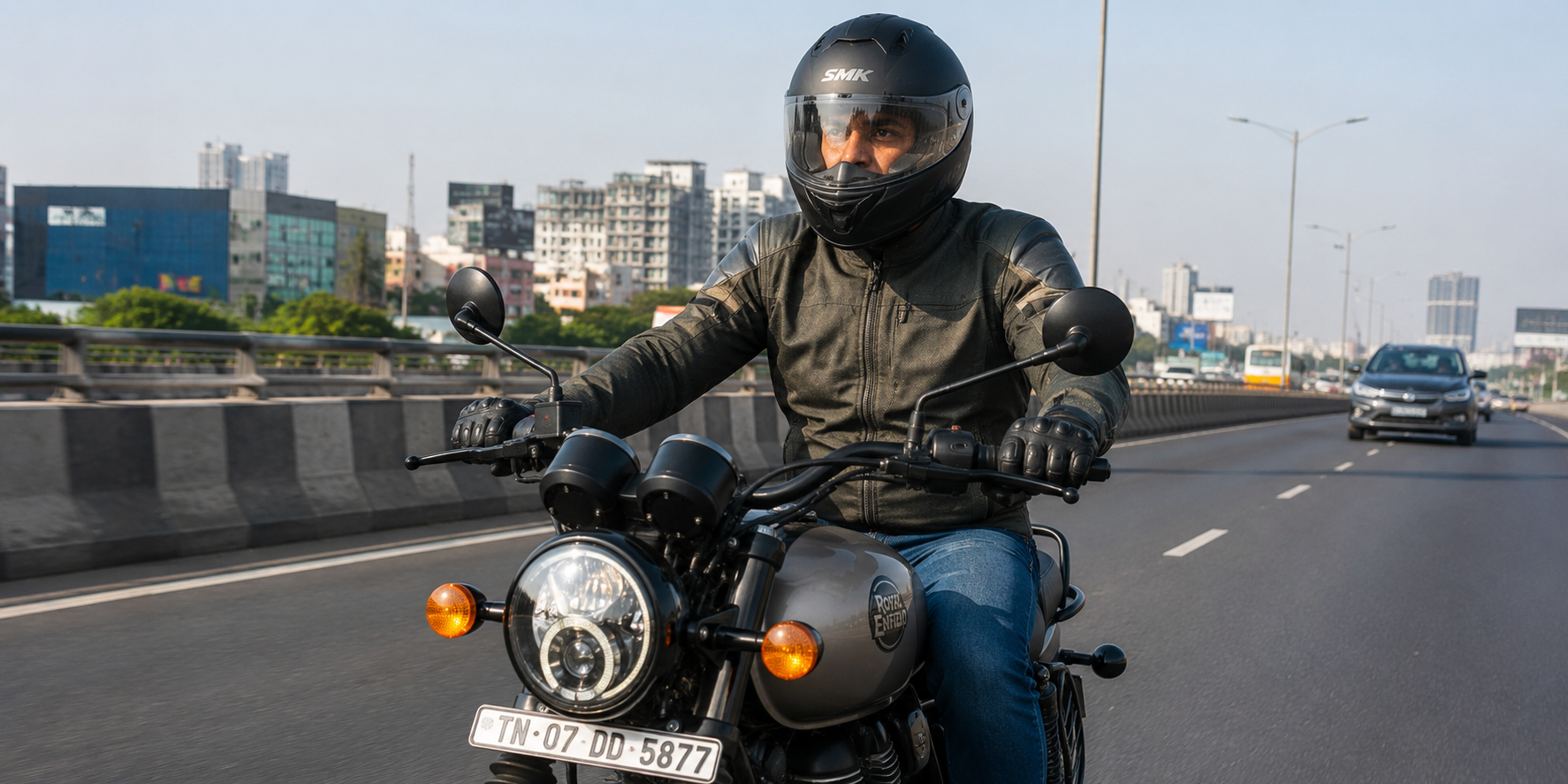
A bike helmet is the single most important piece of safety equipment for any rider. Whether you ride a motorcycle daily for commuting or enjoy long road trips on weekends, the right helmet can significantly reduce the risk of serious head injuries while improving overall riding comfort.
Modern riders want more than just protection. They also look for style, comfort, ventilation, and advanced features. Fortunately, today’s helmets are designed to deliver all these benefits without compromising safety. Understanding what makes a quality helmet can help you make a smarter purchase and enjoy every ride with confidence.
In this guide, we’ll explore four ultimate tips that will help you choose a bike helmet that offers the perfect balance of protection and style.
Why a Bike Helmet Is Essential
A helmet is much more than a legal requirement in many regions. It acts as your first layer of protection against accidents and unexpected impacts. Even experienced riders can encounter sudden road hazards, poor weather conditions, or careless drivers.
Research consistently shows that riders wearing helmets are far less likely to suffer severe head injuries than those riding without one. Besides protection, helmets shield your face and eyes from dust, insects, wind, rain, and flying debris.
A quality bike helmet also improves focus by reducing distractions, allowing you to enjoy a more comfortable and controlled ride.
Benefits of Wearing a Helmet
- Reduces the risk of serious head injuries
- Protects against weather conditions
- Improves rider confidence
- Enhances comfort during long rides
- Provides better visibility with quality visors
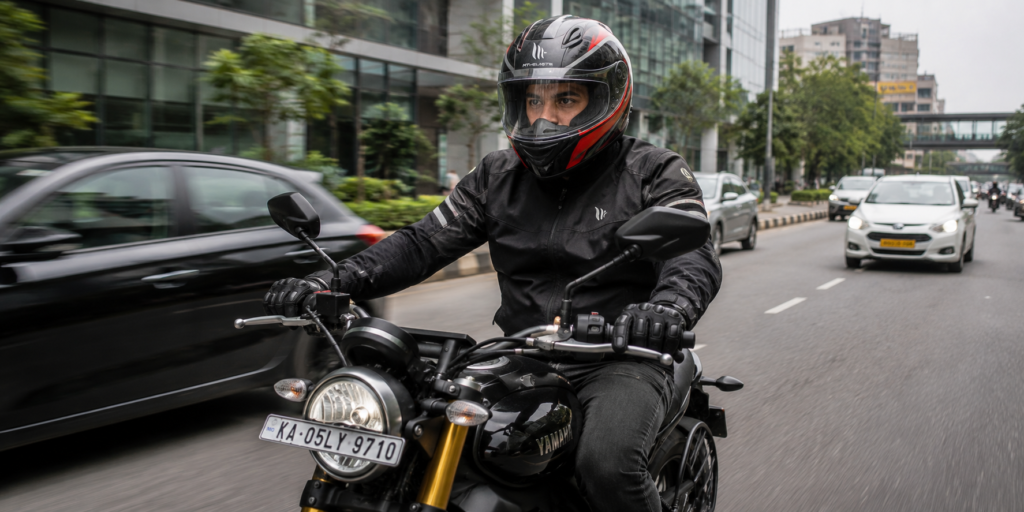
Choose a Certified Bike Helmet
Not all helmets offer the same level of protection. One of the first things you should check before buying is whether the helmet meets recognized safety standards.
Understanding Safety Certifications
Different certifications indicate that a helmet has passed specific safety tests.
| Certification | Region | Purpose |
|---|---|---|
| ISI | India | Standard safety compliance |
| DOT | United States | Road impact protection |
| ECE | Europe | Comprehensive safety testing |
| SNELL | International | Advanced performance testing |
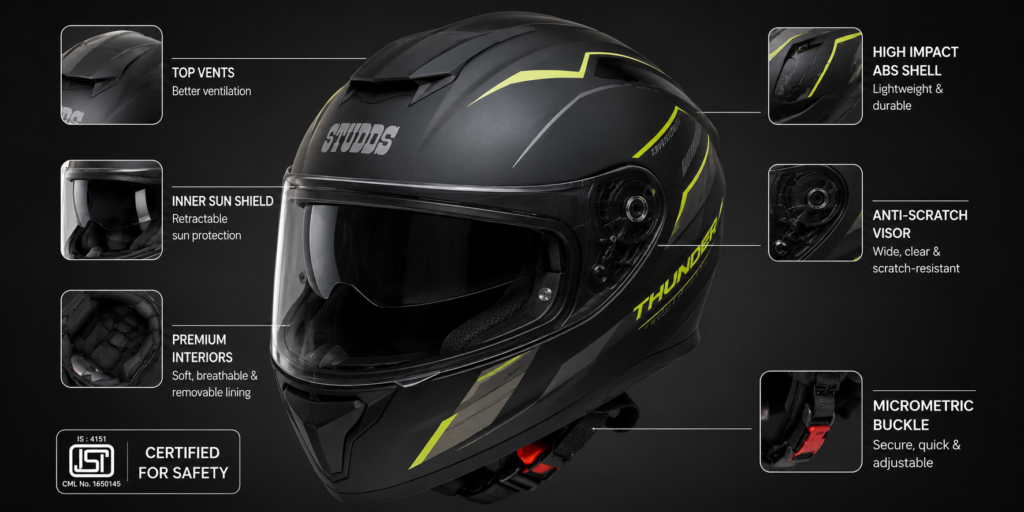
A certified helmet undergoes rigorous testing for impact resistance, retention system strength, and overall durability. Therefore, choosing a certified product should always be your top priority.
Material Matters
Modern helmets are made using advanced materials such as:
- Polycarbonate
- Fiberglass composites
- Carbon fiber
These materials help absorb impact energy while keeping the helmet lightweight and comfortable.
Ensure the Perfect Fit and Comfort
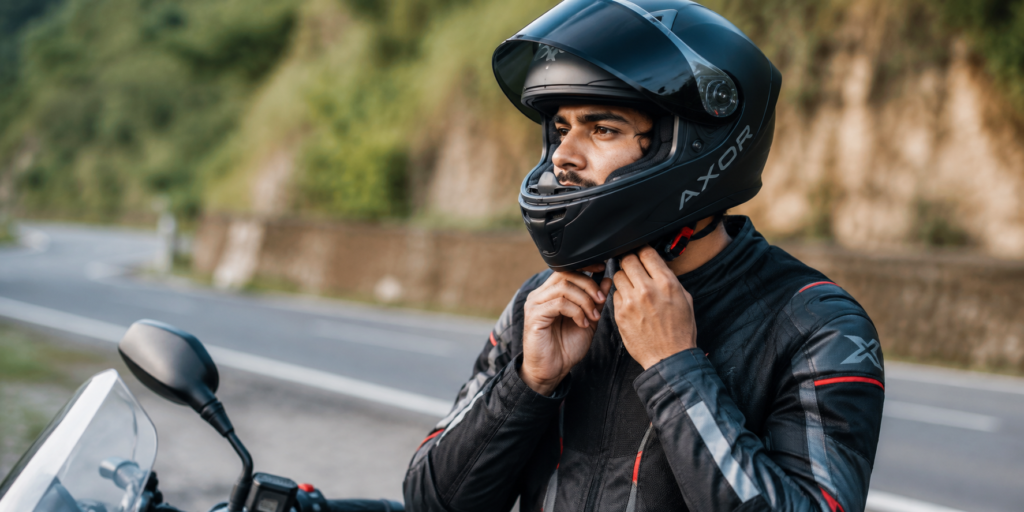
A helmet can only provide maximum protection when it fits correctly. Even a highly rated helmet becomes less effective if it moves excessively during riding or an accident.
How a Helmet Should Fit
A properly fitted helmet should:
- Sit evenly on your head
- Feel snug without causing pain
- Stay stable when you move your head
- Have a secure chin strap
When trying on a helmet, wear it for several minutes before making a decision. This helps identify pressure points that may become uncomfortable during longer rides.
Importance of Ventilation
Ventilation is often overlooked, but it plays a major role in rider comfort. A helmet with good airflow helps:
- Reduce sweating
- Prevent visor fogging
- Improve concentration
- Increase comfort during summer rides
Comfort encourages consistent helmet use, which ultimately improves rider safety.
Look for Modern Features
Today’s helmets offer many advanced features that improve convenience and riding enjoyment.
Features Worth Considering
Integrated Sun Visor
A built-in sun visor reduces glare and improves visibility during bright daylight conditions.
Anti-Fog Technology
Anti-fog visors maintain clear vision during cold weather and rainy conditions.
Quick Release System
This feature makes it easier to remove the helmet safely and efficiently.
Bluetooth Compatibility
Many riders appreciate helmets that support communication devices for navigation and hands-free communication.
Helmet Types for Different Riders
Full Face Helmets
Provide the highest level of protection and are ideal for highway riding.
Modular Helmets
Offer flexibility with a movable chin section.
Open Face Helmets
Provide increased airflow and a wider field of vision.
Adventure Helmets
Designed for riders who enjoy both on-road and off-road journeys.
Choosing the correct helmet type ensures better safety and comfort based on your riding style.
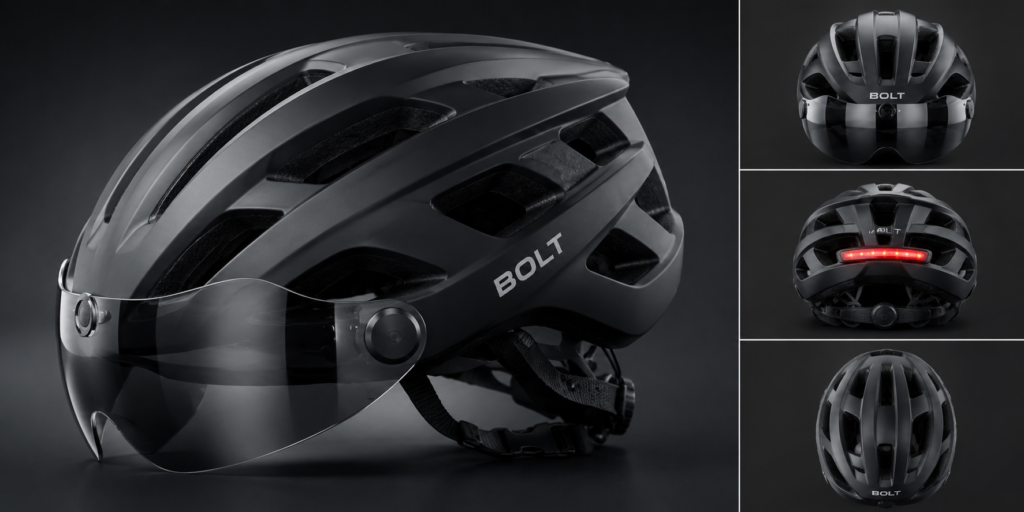
Balance Style and Visibility
Many riders want a helmet that reflects their personality. While appearance is important, style should never come at the cost of safety.
Choose Visible Colors
Bright and reflective helmets improve visibility, helping other road users notice you more easily.
Popular visibility-enhancing colors include:
- White
- Yellow
- Orange
- Red
- Reflective combinations
Match Your Riding Personality
Sport riders often prefer aggressive aerodynamic designs, while touring riders usually prioritize comfort and reduced wind noise. Selecting a helmet that suits your riding habits creates a better overall experience.
A stylish helmet can increase rider confidence, but safety ratings, fit, and comfort should always remain the deciding factors.
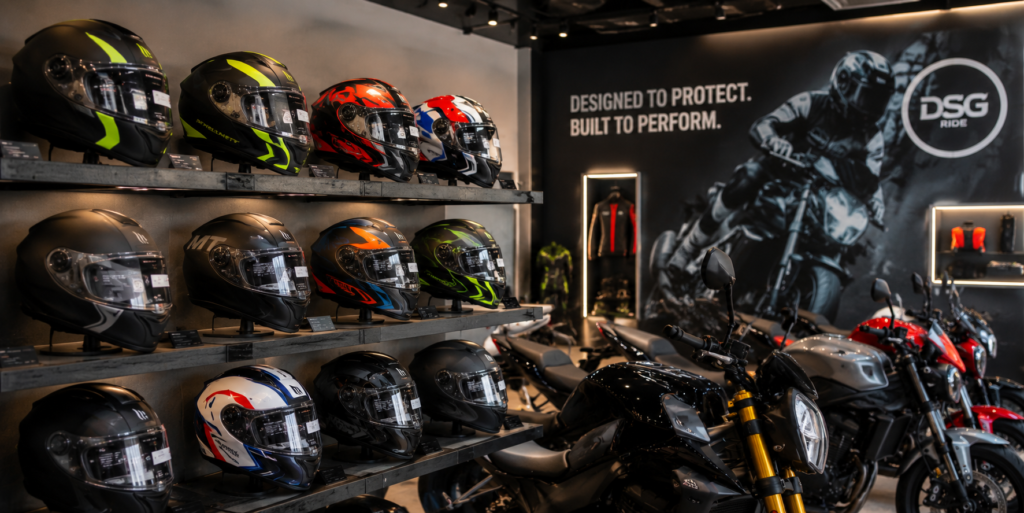
Common Mistakes to Avoid
Buying Only for Looks
Many riders choose helmets based solely on appearance. However, a fashionable helmet without proper certification may not provide adequate protection.
Ignoring Fit
A loose helmet can shift during impact, reducing its effectiveness.
Choosing the Wrong Size
Always measure your head circumference and consult the manufacturer’s sizing chart before purchasing.
Delaying Replacement
Most helmets should be replaced after a significant impact or according to manufacturer recommendations, typically every few years.
Avoiding these mistakes can help ensure long-term safety and value.
Final Thoughts
A bike helmet is an investment in your safety, comfort, and riding confidence. By choosing a certified helmet, ensuring a proper fit, considering useful modern features, and balancing style with visibility, you can enjoy a safer and more enjoyable riding experience.
The best helmet is not necessarily the most expensive one. Instead, it is the one that fits correctly, meets safety standards, and suits your riding needs. Follow these four ultimate tips, and you’ll be well-equipped to make a smart and informed decision before your next ride.
Most manufacturers recommend replacing a helmet every 3–5 years or immediately after a significant impact.
Full face helmets generally provide the highest level of protection because they cover the entire head and face.
A lightweight helmet can improve comfort and reduce neck strain, but safety depends primarily on certification, construction quality, and proper fit.
