
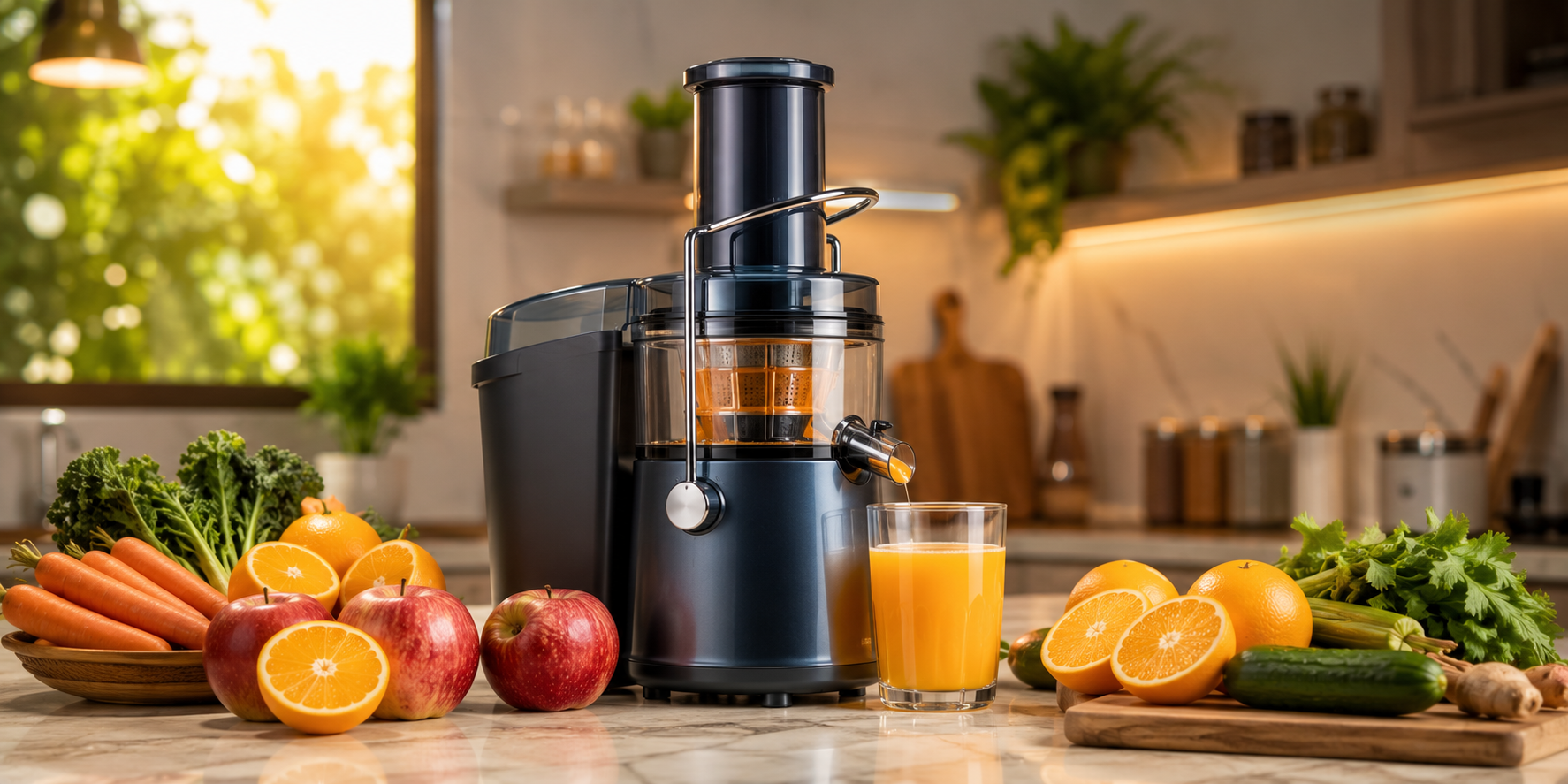
A juicer machine has become one of the most useful kitchen appliances for people who want a healthier lifestyle. Whether you enjoy fresh fruit juice in the morning or nutrient-rich vegetable drinks after a workout, a quality juicer can make healthy habits easier to maintain.
Today, many households prefer freshly prepared juice over packaged beverages because it offers better taste and greater control over ingredients. Moreover, modern juicers are faster, more efficient, and easier to clean than older models.
In this guide, we will explore the proven health benefits of using a juicer, understand how it works, and learn how to choose the right machine for your needs.
What Is a Juicer Machine?
A juicer machine is a kitchen appliance designed to extract juice from fruits and vegetables. It separates the liquid from the pulp, creating a smooth and refreshing drink that can be consumed immediately.
Unlike blenders, which process the entire fruit or vegetable, juicers focus on extracting liquid efficiently. As a result, many people prefer them when preparing fresh juice quickly.

How Does a Juicer Machine Work?
Most juicers operate by crushing, pressing, or spinning fruits and vegetables to separate juice from fiber. The extracted liquid is collected in a container, while pulp is discarded or stored separately.
Depending on the type of juicer, the extraction method may vary. However, the goal remains the same: producing fresh juice with maximum flavor and nutritional value.
4 Proven Benefits for Health
Better Nutrient Intake
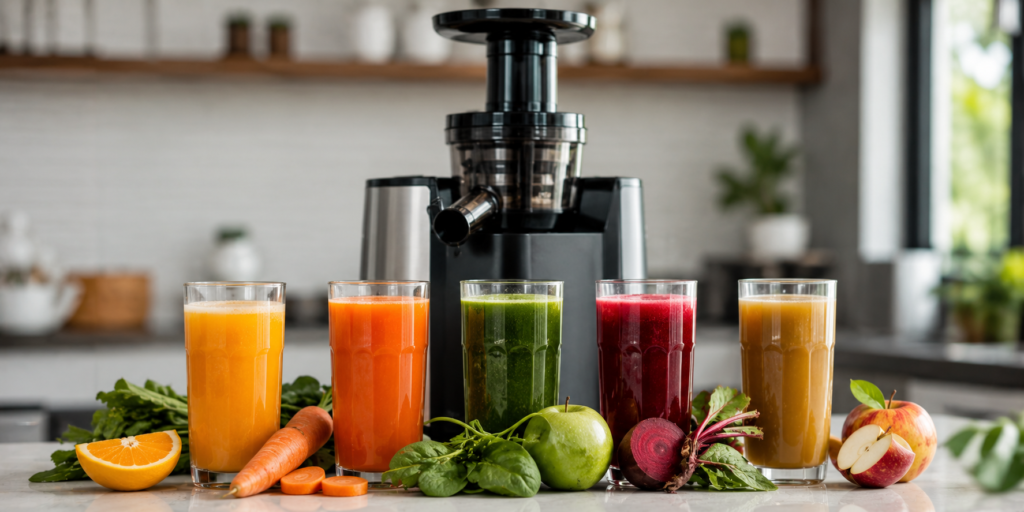
One of the biggest advantages of using a juicer machine is easy access to nutrients. Fresh juices contain vitamins, minerals, and antioxidants that support overall wellness.
For example, carrot juice provides vitamin A, while citrus fruits offer vitamin C. By combining different fruits and vegetables, you can create nutrient-rich beverages tailored to your preferences.
Supports Healthy Digestion
Freshly prepared juices can be easier to consume, especially for individuals who struggle to eat enough fruits and vegetables throughout the day.
Many people use juices as a convenient way to increase their intake of plant-based nutrients. Furthermore, ingredients such as cucumber, celery, and apple are commonly included in digestive-friendly juice recipes.
Encourages Daily Hydration
Staying hydrated is essential for overall health. Fresh juices contain water from fruits and vegetables, helping individuals increase their fluid intake naturally.
Although water should remain the primary source of hydration, freshly prepared juices can be an enjoyable addition to a balanced daily routine.
Helps Maintain Healthy Habits
When healthy choices are convenient, people are more likely to follow them consistently. A juicer machine makes it easier to prepare nutritious beverages at home rather than relying on sugary drinks.
Over time, this simple habit can encourage healthier eating patterns and greater awareness of nutritional choices.
Types of Juicer Machines
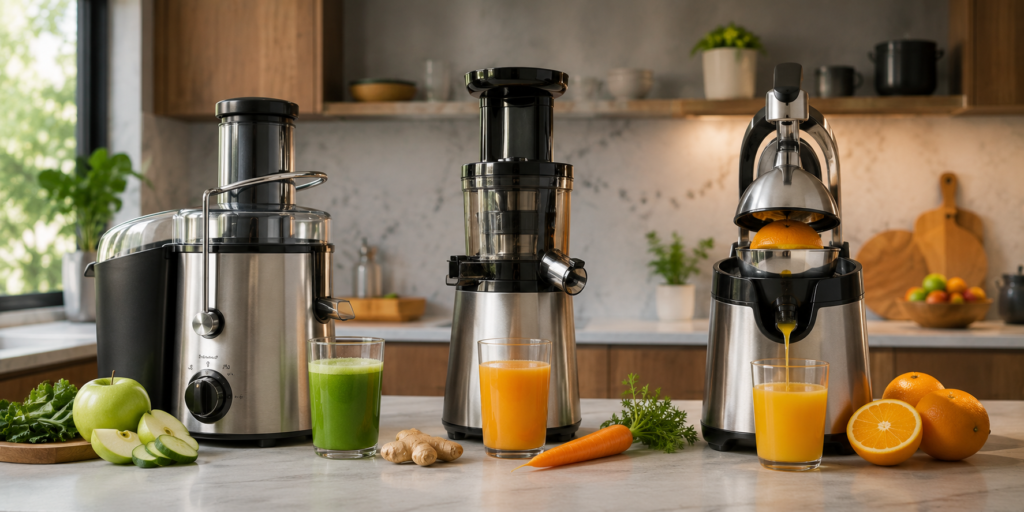
Different types of juicers are available on the market, and each serves different needs.
Centrifugal Juicers
These machines use high-speed spinning blades to extract juice quickly. They are popular because they are affordable and convenient for everyday use.
Cold Press Juicers
Also known as masticating juicers, these models slowly press fruits and vegetables. Many users prefer them because they produce juice with minimal heat generation.
Citrus Juicers
Designed specifically for oranges, lemons, and similar fruits, citrus juicers are compact and easy to use.
Juicer Machine Comparison Table
| Type | Speed | Best For | Noise Level | Ease of Use |
|---|---|---|---|---|
| Centrifugal Juicer | Fast | Daily quick juicing | Medium to High | Easy |
| Cold Press Juicer | Slow | Nutrient-focused users | Low | Moderate |
| Citrus Juicer | Fast | Citrus fruits only | Low | Very Easy |
How to Choose the Right Juicer
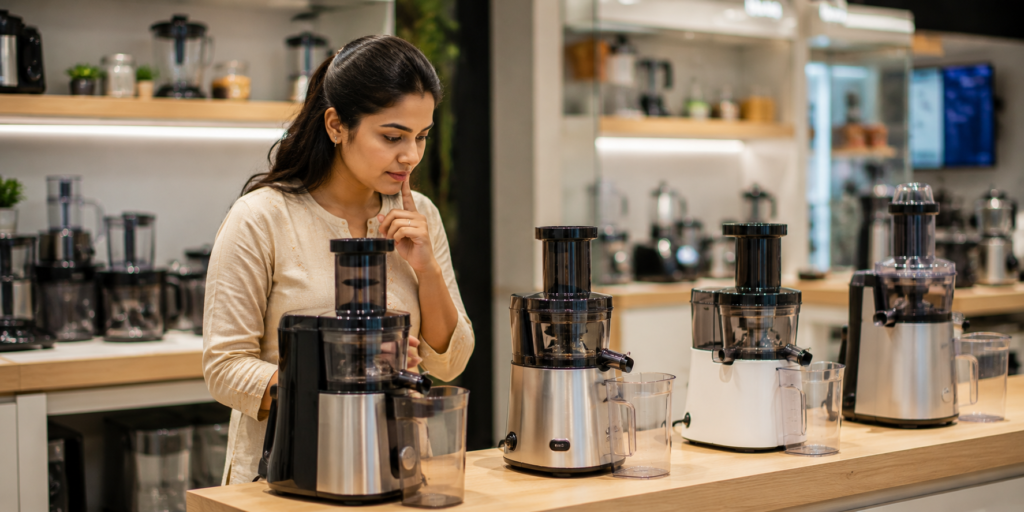
Choosing the right juicer depends on your lifestyle, budget, and usage frequency.
Consider Your Daily Needs
If you make juice every morning, a durable and easy-to-clean model may be the best choice.
Check Cleaning Requirements
Some juicers have multiple parts that require cleaning after every use. Therefore, selecting a model with dishwasher-safe components can save time.
Look at Motor Power
A stronger motor generally handles harder ingredients more efficiently. This feature becomes important if you frequently juice carrots, beets, or similar vegetables.
Evaluate Capacity
Families often benefit from larger juice containers, while individuals may prefer compact designs that require less storage space.
Maintenance and Cleaning Tips
Proper maintenance helps improve performance and extend the lifespan of your juicer machine.
Clean Immediately After Use
Fresh pulp can dry quickly and become difficult to remove. Cleaning the appliance right after juicing makes the process easier.
Inspect Filters Regularly
Filters play a crucial role in juice extraction. Regular inspection ensures efficient operation and better juice quality.
Follow Manufacturer Instructions
Each model has specific cleaning and maintenance recommendations. Following these guidelines can help prevent unnecessary wear and tear.
Final Thoughts
A juicer machine is more than just a kitchen appliance. It can support healthier habits, improve access to fruits and vegetables, encourage hydration, and make nutritious drinks a regular part of daily life.
Whether you choose a centrifugal, cold press, or citrus model, investing in the right juicer can make healthy living more convenient and enjoyable. By understanding your needs and selecting a suitable machine, you can enjoy fresh homemade juices for years to come.
For most households, centrifugal juicers offer speed and convenience. However, cold press models are often preferred by users who prioritize juice quality and versatility.
Yes. Most modern juicers can handle a wide range of fruits and vegetables, including carrots, spinach, cucumbers, apples, and beets.
It is best to clean the machine immediately after every use. Regular cleaning helps maintain performance and prevents residue buildup.
