
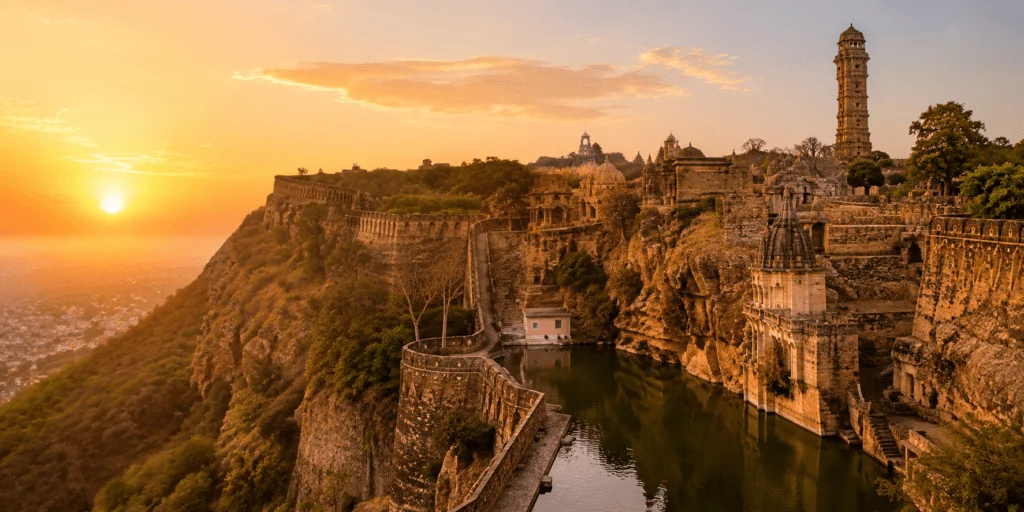
Chittorgarh Fort is one of India’s most iconic heritage destinations and a living symbol of Rajput courage, sacrifice, and pride. Located in Rajasthan, this magnificent hill fort has witnessed centuries of history, legendary battles, and remarkable stories that continue to inspire visitors today.
Recognized as a UNESCO World Heritage Site, the fort spreads across nearly 700 acres and houses several palaces, temples, towers, and reservoirs. Every structure inside the fort reflects the rich cultural and architectural legacy of the Rajputs.
If you’re planning a trip to Rajasthan, these seven historic attractions inside Chittorgarh Fort deserve a place on your itinerary.
Why Chittorgarh Fort Is Famous
Chittorgarh Fort is often considered the pride of Rajputana. The fort is associated with legendary rulers such as Rana Kumbha, Maharana Sanga, and Maharana Pratap. It also holds a significant place in Indian history because of the sacrifices made during various sieges.
Beyond its historical importance, the fort attracts travelers because of its stunning architecture, scenic views, and fascinating stories preserved within its walls.
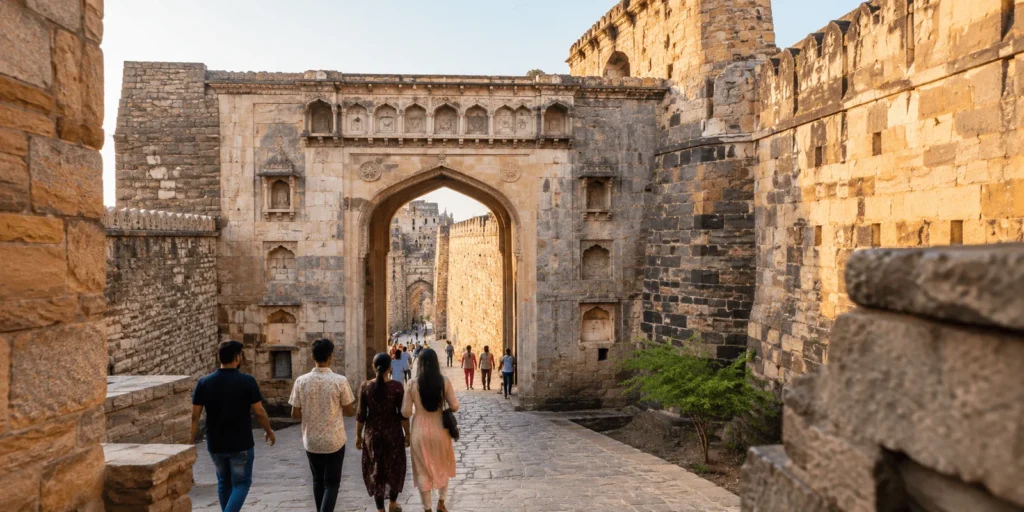
1. Vijay Stambh – The Tower of Victory
Among all the attractions inside Chittorgarh Fort, Vijay Stambh stands out as the most recognizable landmark. Built by Rana Kumbha in the 15th century, this nine-story tower commemorates his victory over the rulers of Malwa.
The structure features intricate carvings depicting Hindu deities, warriors, and historical scenes. Visitors can climb the tower to enjoy breathtaking views of the fort and surrounding landscape.
Highlights of Vijay Stambh
- Nine-story architectural masterpiece
- Built in 1448 CE
- Detailed stone carvings
- Excellent panoramic views
2. Rani Padmini Palace
Rani Padmini Palace is one of the most famous locations within Chittorgarh Fort. The palace is linked to the legendary story of Queen Padmini, whose beauty and courage became part of Rajput folklore.
Situated beside a beautiful water reservoir, the palace offers visitors a glimpse into the royal lifestyle of the Rajput era.
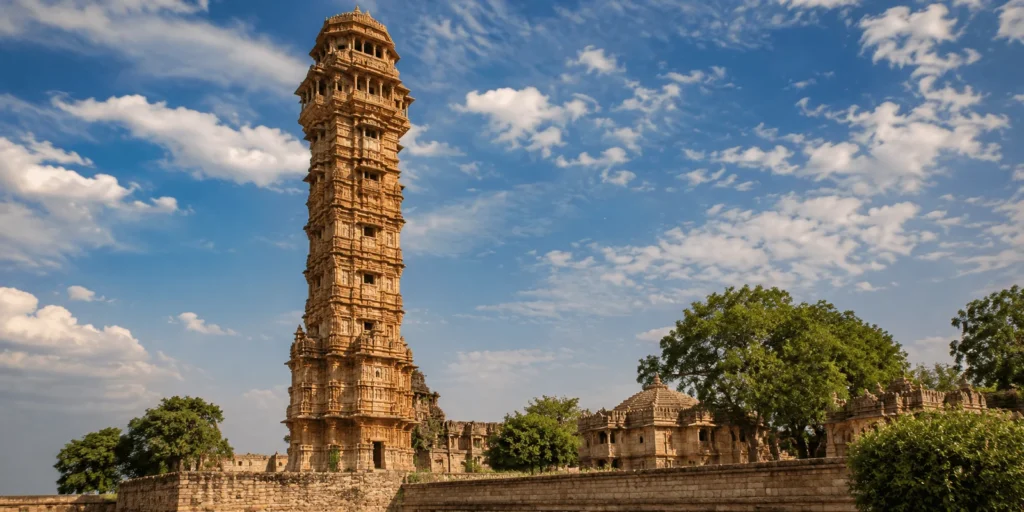
3. Kirti Stambh
Kirti Stambh, also known as the Tower of Fame, predates Vijay Stambh and represents an important example of Jain architecture. Dedicated to Adinath, the first Jain Tirthankara, the tower showcases exceptional craftsmanship.
Visitors interested in religious history and architecture often consider this monument one of the hidden gems inside the fort.
Interesting Facts About Kirti Stambh
| Attraction | Historical Significance | Best For |
|---|---|---|
| Vijay Stambh | Victory monument | Photography & views |
| Padmini Palace | Rajput royal history | Heritage exploration |
| Kirti Stambh | Jain architecture | Cultural tourism |
| Gaumukh Reservoir | Ancient water source | Scenic visits |
| Meera Temple | Spiritual heritage | Religious tourism |
| Rana Kumbha Palace | Royal residence | History enthusiasts |
| Kalika Mata Temple | Sacred temple site | Pilgrimage visits |
4. Gaumukh Reservoir
Gaumukh Reservoir is one of the most fascinating water structures within Chittorgarh Fort. Water continuously flows through a rock formation shaped like a cow’s mouth, creating a serene and picturesque environment.
Historically, the reservoir played a crucial role in supplying water during periods of siege.
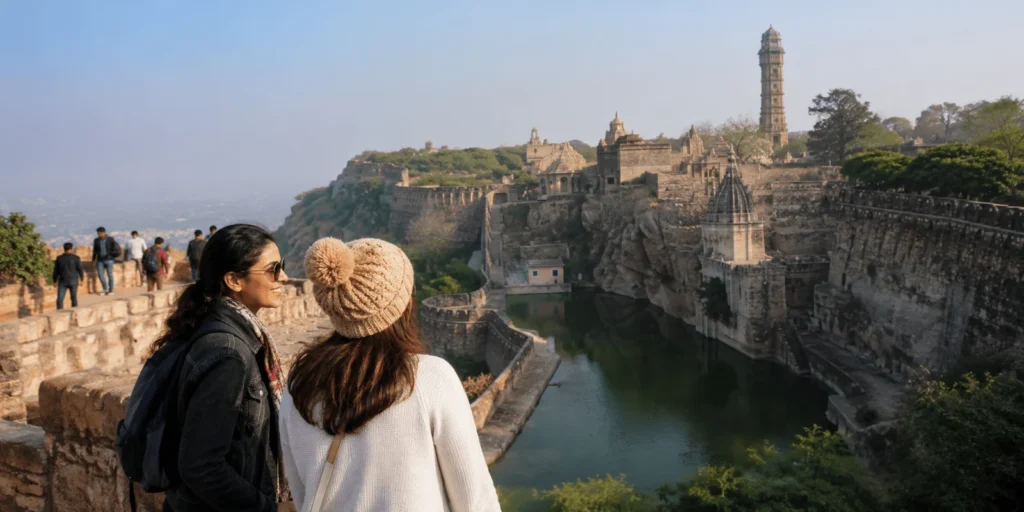
5. Meera Temple
Dedicated to the famous saint-poet Meera Bai, Meera Temple is an important spiritual landmark inside the fort. Meera Bai’s devotion to Lord Krishna remains celebrated throughout India.
The temple’s beautiful carvings and peaceful atmosphere make it a must-visit destination for travelers seeking both history and spirituality.
Why Visit Meera Temple?
- Rich spiritual significance
- Beautiful Rajput architecture
- Historical connection with Meera Bai
- Peaceful surroundings
6. Rana Kumbha Palace
Rana Kumbha Palace is among the oldest and largest structures within Chittorgarh Fort. It once served as the residence of the royal family and is closely associated with several historical events.
Many historians believe that important chapters of Rajput history unfolded within these palace walls.
7. Kalika Mata Temple
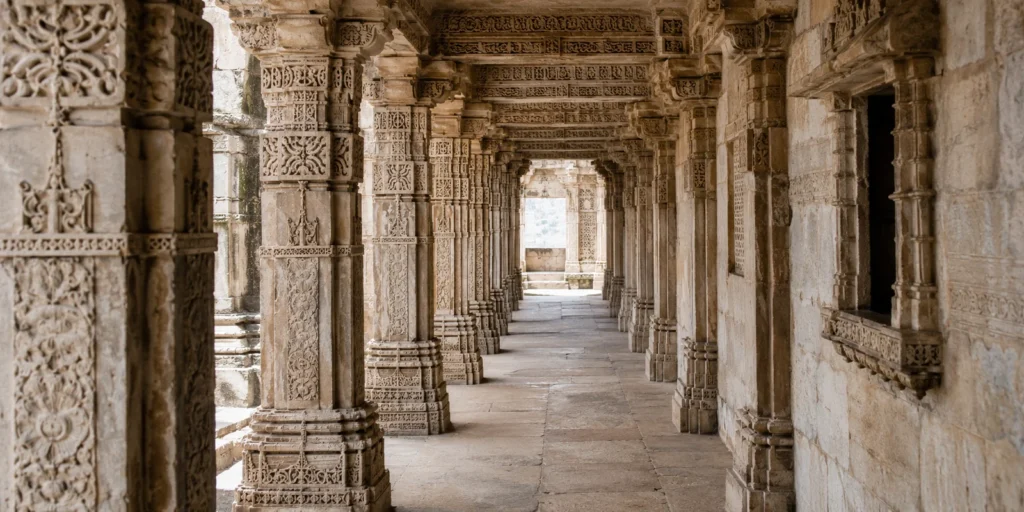
Originally built as a Sun Temple during the 8th century, Kalika Mata Temple later became dedicated to Goddess Kali. Today, it remains an active place of worship and an important cultural landmark.
The temple beautifully combines historical significance with spiritual importance, attracting both pilgrims and tourists.
What Makes Kalika Mata Temple Special?
- Ancient temple architecture
- Religious significance
- Historic transformation from Sun Temple
- Cultural importance within the fort complex
Travel Information for Visitors
Best Time to Visit
The ideal time to visit Chittorgarh Fort is between October and March. During these months, the weather remains pleasant, making exploration more comfortable.
Timings
The fort is generally open from morning until evening, allowing visitors ample time to explore its attractions.
How Much Time Is Needed?
Most travelers spend 4–6 hours exploring the fort. However, history enthusiasts may prefer a full day to appreciate every monument in detail.
Conclusion
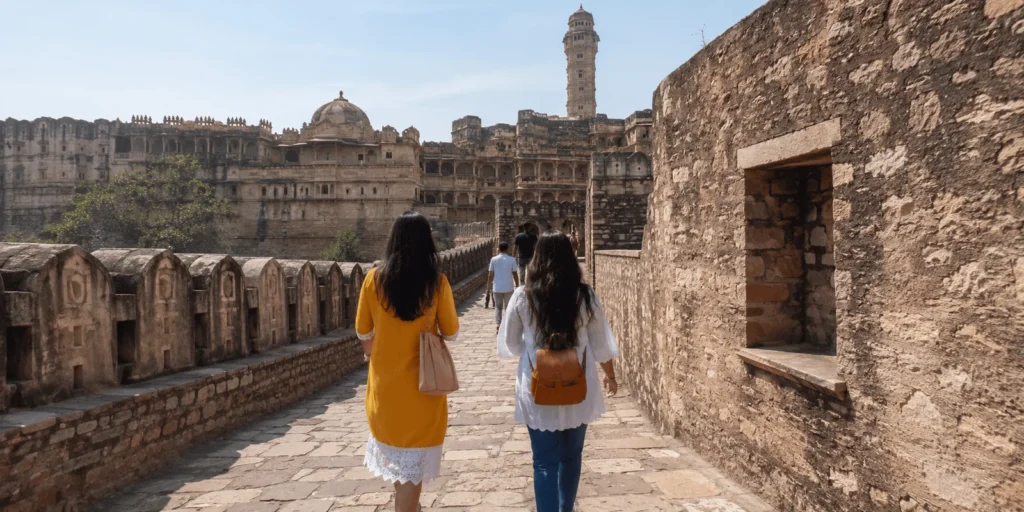
Chittorgarh Fort is far more than a historical monument. It is a powerful symbol of Rajput bravery, honor, and cultural heritage. From the towering Vijay Stambh and legendary Padmini Palace to sacred temples and ancient reservoirs, every attraction tells a unique story.
Whether you are a history lover, architecture enthusiast, photographer, or traveler, Chittorgarh Fort offers an unforgettable experience that brings Rajasthan’s glorious past to life.
Chittorgarh Fort is famous for its Rajput history, heroic battles, architectural landmarks, and association with legendary figures such as Rani Padmini and Rana Kumbha.
The fort contains numerous monuments, including palaces, temples, towers, reservoirs, and gateways. The seven attractions listed above are among the most popular.
Yes. Chittorgarh Fort is part of the UNESCO-listed Hill Forts of Rajasthan and is recognized for its historical and architectural significance.
