
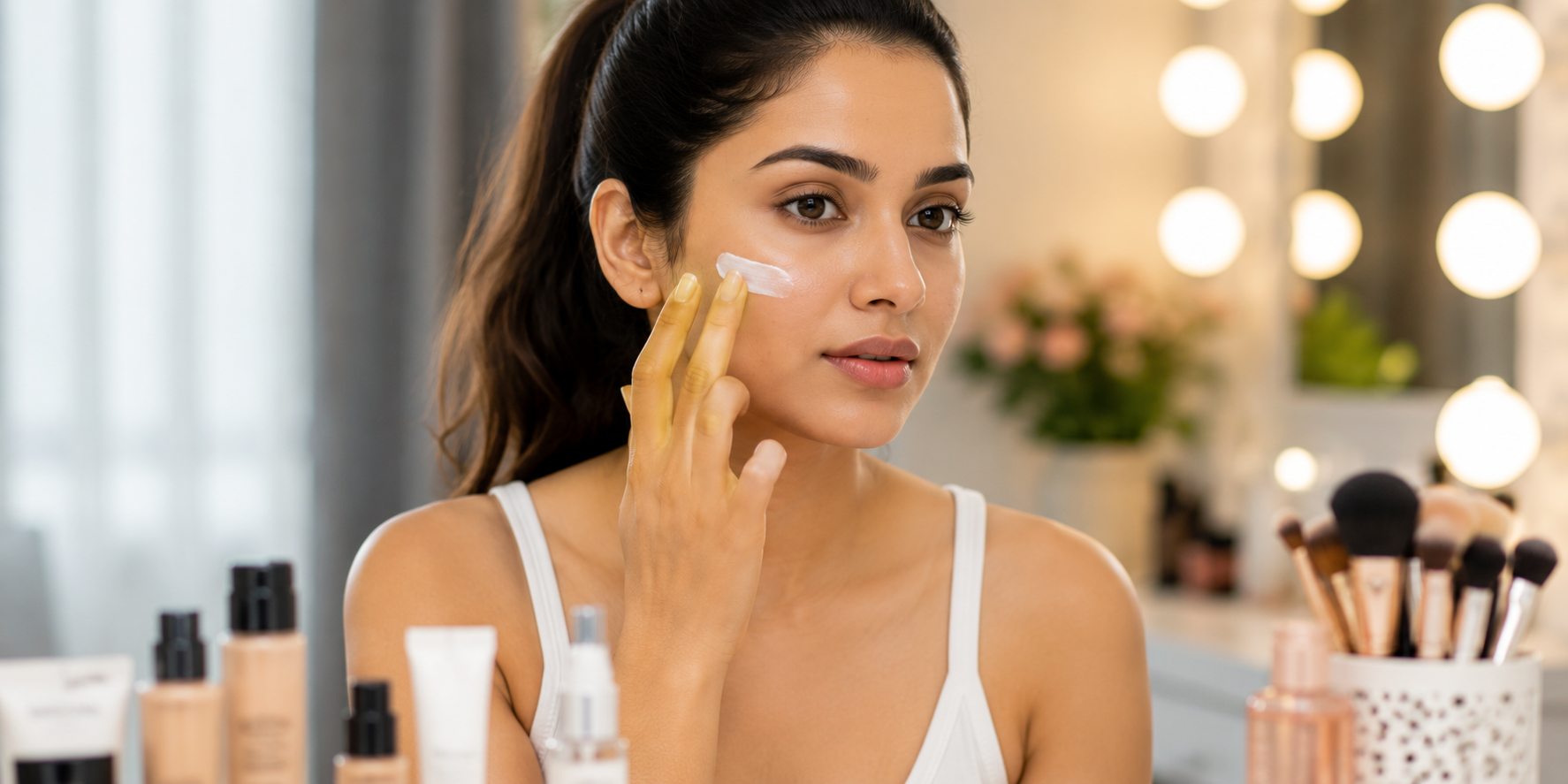
Primer for face is one of the most important products in a modern makeup routine. While many people focus on foundation, concealer, and powder, they often overlook the step that helps all these products perform better. A good primer creates a smooth canvas for makeup, improves its staying power, and enhances the overall finish.
Whether you wear makeup daily or only for special occasions, understanding the benefits of a face primer can help you achieve more professional-looking results. In this guide, you’ll learn how primer works, why it matters, and how to choose the right one for your skin type.
What Is Primer for Face?
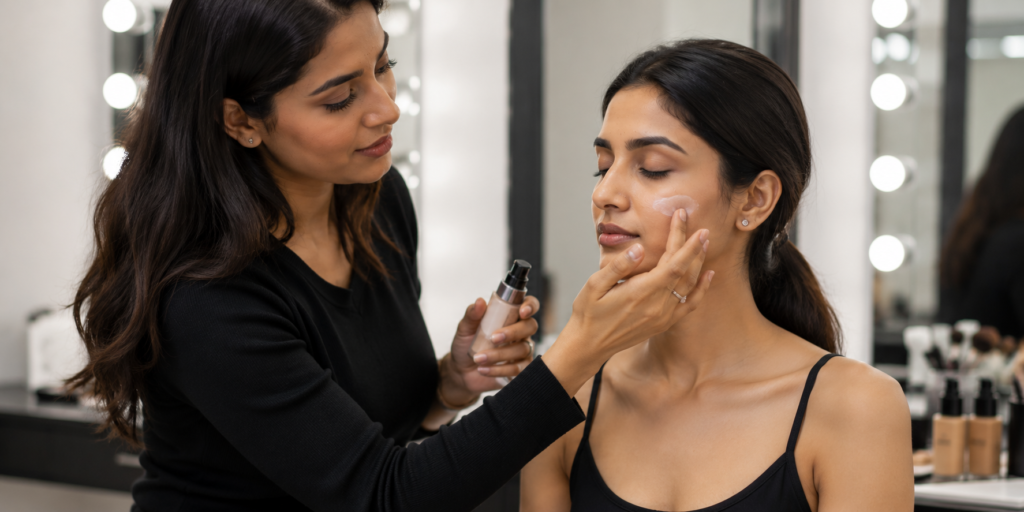
A face primer is a cosmetic product applied after skincare and before foundation. Its primary purpose is to prepare the skin for makeup application.
Most primers are designed to smooth skin texture, reduce the appearance of pores, control excess oil, and create a more even surface. Some formulas also provide hydration, color correction, or added radiance depending on specific skin concerns.
Think of primer for face as the bridge between skincare and makeup. It helps create a better foundation for every product applied afterward.
Why Primer Matters Before Makeup
Many people wonder whether primer is really necessary. The answer depends on your makeup goals.
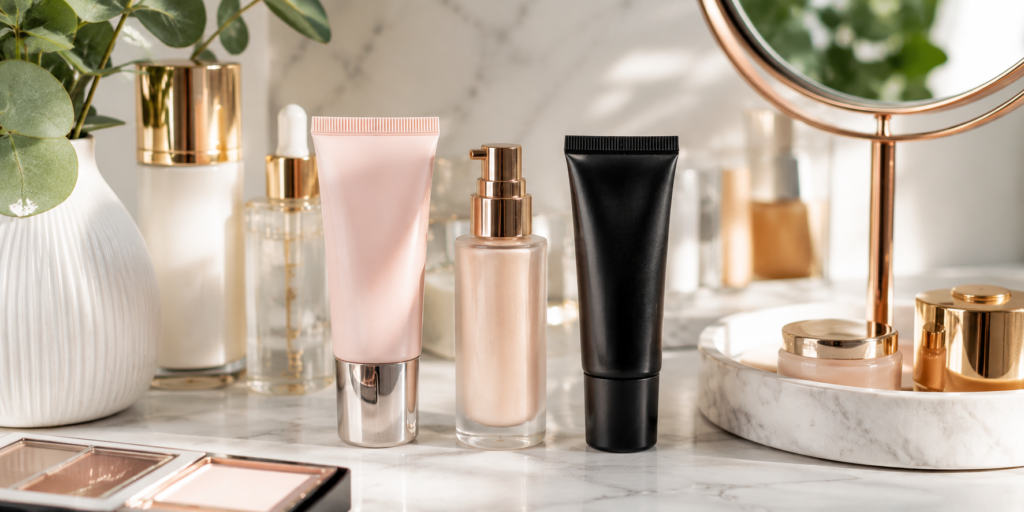
If you want makeup that looks smoother, lasts longer, and resists fading throughout the day, primer can make a noticeable difference. It creates a thin layer between your skin and makeup products, helping them apply more evenly.
Moreover, primer can improve the appearance of uneven skin texture, making foundation look more natural rather than heavy or patchy.
5 Smart Benefits of Using Primer for Face
Creates a Smooth Makeup Base
One of the biggest advantages of using primer is its ability to smooth the skin’s surface.
Fine lines, rough patches, and enlarged pores can make foundation appear uneven. Primer helps fill in these imperfections temporarily, allowing makeup to glide on more effortlessly.
Helps Makeup Last Longer
A quality primer improves makeup longevity significantly.
Whether you’re attending a wedding, working long hours, or spending time outdoors, primer helps foundation and other products stay in place for longer periods without frequent touch-ups.
Minimizes the Appearance of Pores
Large pores are a common concern, especially for people with oily skin.
Many face primers contain ingredients that visually blur pores, creating a more refined and polished appearance. While they don’t shrink pores permanently, they make them less noticeable.
Controls Excess Oil
People with oily skin often struggle with makeup breaking down during the day.
Oil-control primers help reduce shine and maintain a matte finish. As a result, makeup stays fresher and looks more balanced throughout the day.
Improves Overall Makeup Finish
Perhaps the most noticeable benefit is the final appearance.
When foundation, concealer, and powder are applied over primer, the finish tends to look smoother, more even, and more professional.
How to Choose the Right Primer For Face
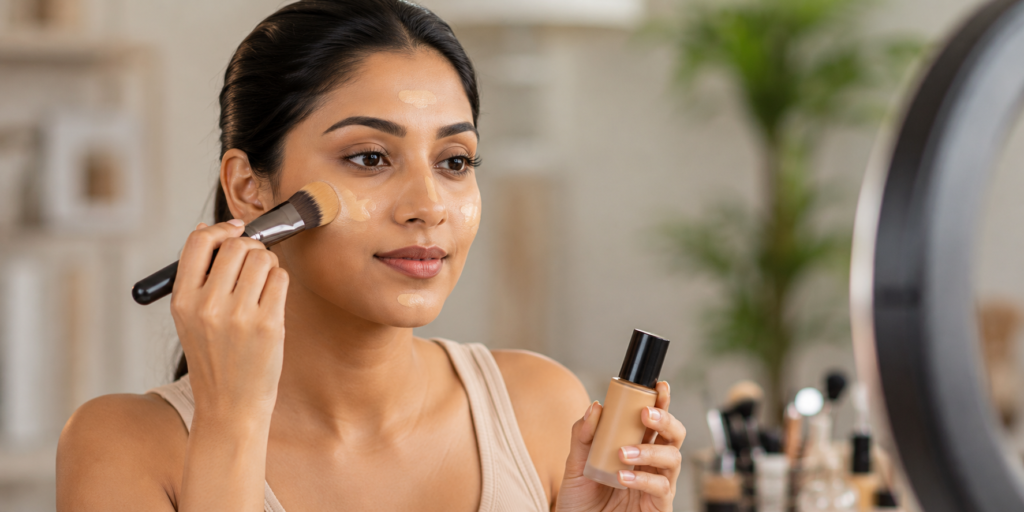
Different skin types require different primer formulations. Selecting the right product can maximize results.
| Skin Type | Recommended Primer Type | Main Benefit |
|---|---|---|
| Oily Skin | Mattifying Primer | Controls shine and oil |
| Dry Skin | Hydrating Primer | Adds moisture and smoothness |
| Combination Skin | Balancing Primer | Targets multiple concerns |
| Sensitive Skin | Fragrance-Free Primer | Reduces irritation risk |
| Mature Skin | Smoothing Primer | Softens fine lines visually |
Before purchasing, always consider your skin’s specific needs rather than simply choosing the most popular product.
How to Apply Primer Correctly
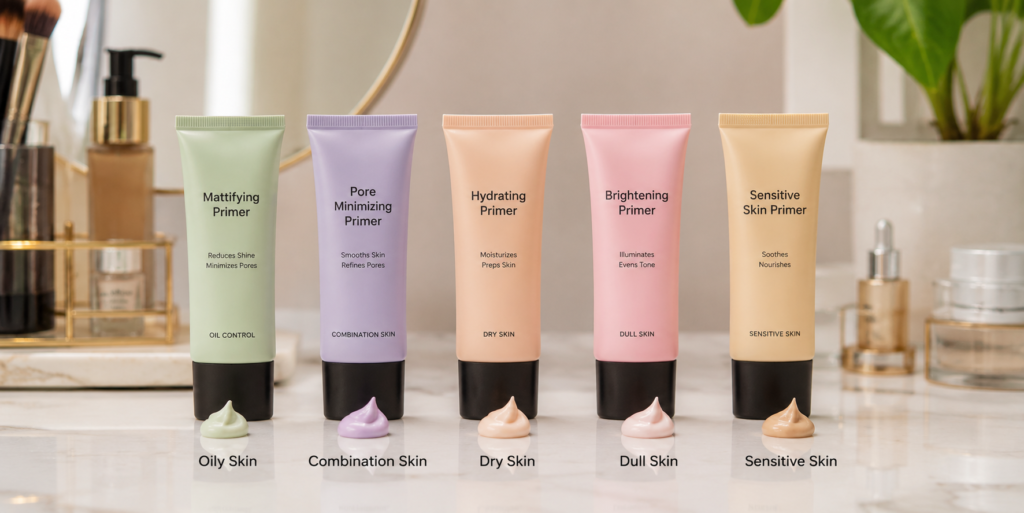
Applying primer properly is essential for achieving the best results.
Step 1: Cleanse Your Skin
Begin with a clean face to remove dirt, oil, and impurities.
Step 2: Apply Moisturizer
Allow your moisturizer to absorb completely before moving to the next step.
Step 3: Use a Small Amount
A pea-sized amount is usually sufficient for the entire face. Using too much can make makeup slide rather than stay in place.
Step 4: Focus on Key Areas
Apply primer mainly on the forehead, nose, cheeks, and chin, especially where pores or oiliness are more noticeable.
Step 5: Wait Before Foundation
Allow the primer to set for one or two minutes before applying foundation.
This simple waiting period helps improve product performance.
Common Mistakes to Avoid
Even the best primer may not deliver optimal results if used incorrectly.
Using Too Much Product
Excess primer can create a heavy layer that affects foundation application.
Choosing the Wrong Formula
Using a mattifying primer on extremely dry skin may highlight dry patches rather than improve appearance.
Skipping Skincare
Primer is not a replacement for moisturizer or sunscreen. Proper skincare remains essential.
Applying Foundation Immediately
Giving primer time to settle improves adhesion and helps makeup last longer.
Final Thoughts
Primer for face is a simple yet highly effective product that can transform the way makeup looks and performs. From creating a smooth base to controlling oil and extending wear time, primer offers several practical benefits for all skin types.
By selecting the right formula and applying it correctly, you can achieve a more polished, long-lasting, and professional makeup finish. Whether you’re a beginner or an experienced makeup enthusiast, adding a face primer to your routine is a smart step toward better makeup results.
No, but it can significantly improve makeup application, longevity, and overall finish, especially during long days.
Yes. Many people wear primer alone to create a smoother appearance and reduce the visibility of pores.
Mattifying primers are generally the best option for oily skin because they help control excess shine and keep makeup in place.
