

Sensitive skin can react quickly to environmental changes, skincare products, fragrances, and even stress. People with this skin type often experience redness, itching, dryness, burning sensations, or irritation after using certain products.
The good news is that sensitive skin can be managed successfully with the right skincare habits and product choices. Understanding what triggers reactions and how to protect the skin barrier can help you maintain healthy, comfortable, and glowing skin.
1. What Is Sensitive Skin?
Sensitive skin is a condition where the skin reacts more easily than normal skin. While it is not a medical diagnosis itself, it often indicates that the skin barrier is weaker or more vulnerable to irritants.
The skin barrier acts as a protective shield that helps retain moisture and defend against external aggressors. When this barrier becomes compromised, the skin may become dry, inflamed, and uncomfortable.
Many factors can contribute to skin sensitivity, including genetics, weather changes, allergies, over-exfoliation, and harsh skincare products.

2. Common Signs of Sensitive Skin
Not everyone experiences sensitivity in the same way. However, several common symptoms may indicate that your skin is sensitive.
Redness and Irritation
Red patches often appear after applying new products or after exposure to heat, wind, or sunlight.
Dryness and Tightness
Sensitive skin frequently struggles to retain moisture, leading to discomfort and rough texture.
Burning or Stinging Sensations
Some products can cause immediate discomfort even when they are considered safe for general use.
Frequent Breakouts
Irritated skin can sometimes develop small bumps or acne-like reactions.
Recognizing these signs early can help prevent further damage and improve overall skin health.
3. Why Sensitive Skin Needs Special Care
People with sensitive skin should focus on protection rather than aggressive treatment. Using too many active ingredients or changing products frequently can worsen irritation.
A gentle skincare approach helps maintain the skin’s natural balance. Consistency is also important because sudden changes can trigger unexpected reactions.
The goal should be to strengthen the skin barrier while minimizing exposure to potential irritants.
Sensitive Skin Care Goals
| Goal | Benefit |
|---|---|
| Protect skin barrier | Reduces irritation and dryness |
| Maintain hydration | Improves comfort and softness |
| Reduce inflammation | Minimizes redness and sensitivity |
| Avoid triggers | Prevents reactions and flare-ups |
| Support skin recovery | Enhances overall skin health |
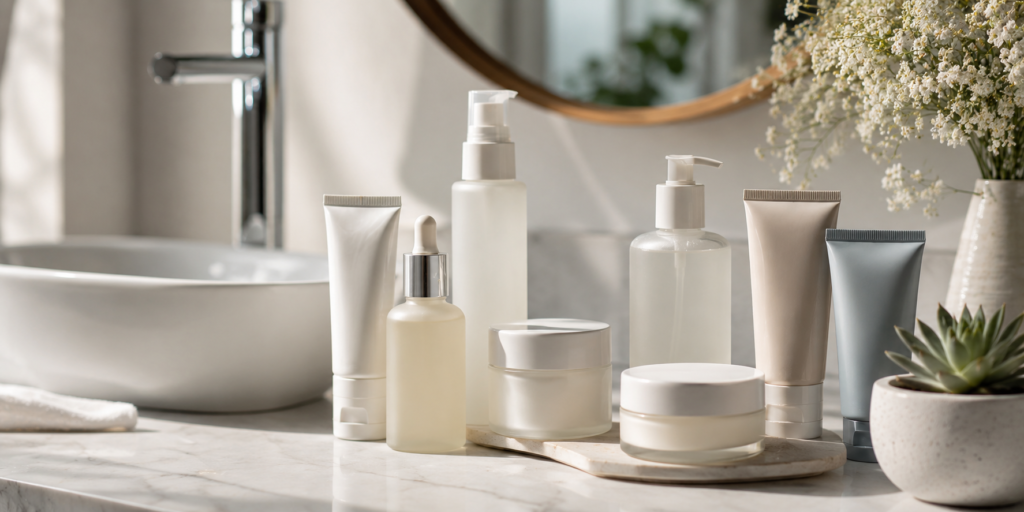
4. Best Ingredients for Sensitive Skin
Choosing the right ingredients is one of the most important steps in managing skin sensitivity.
Ceramides
Ceramides help restore and strengthen the skin barrier. They also improve moisture retention and reduce dryness.
Hyaluronic Acid
This ingredient attracts water and keeps the skin hydrated without feeling heavy.
Aloe Vera
Aloe vera provides soothing benefits and may help calm irritation and redness.
Niacinamide
Niacinamide supports barrier repair and helps improve skin texture while being generally well tolerated.
Oat Extract
Oat-based ingredients are known for their calming and anti-inflammatory properties.
When trying any new product, perform a patch test before applying it to your entire face.
5. Ingredients to Avoid
While every individual is different, certain ingredients are more likely to cause irritation in sensitive skin.
Strong Fragrances
Artificial fragrances are among the most common causes of skin reactions.
Harsh Alcohols
Some alcohol-based products can strip moisture and weaken the skin barrier.
Overly Strong Acids
High concentrations of exfoliating acids may trigger redness and discomfort.
Aggressive Scrubs
Physical scrubs with rough particles can create micro-tears and worsen sensitivity.
Reading ingredient labels carefully can help you make safer skincare choices.

6. Daily Sensitive Skin Care Routine
A simple routine is often the most effective approach.
Morning Routine
Gentle Cleanser
Use a mild cleanser that removes impurities without stripping natural oils.
Hydrating Moisturizer
Apply a moisturizer containing barrier-supporting ingredients such as ceramides.
Sunscreen
Choose a broad-spectrum sunscreen designed for sensitive skin. Daily sun protection is essential.
Evening Routine
Cleanse Carefully
Remove dirt, sunscreen, and makeup gently.
Apply Treatment Products
If using active ingredients, introduce them gradually and monitor your skin’s response.
Moisturize Well
Nighttime hydration helps support skin repair while you sleep.
Consistency is more important than using numerous products.
7. Lifestyle Habits for Better Skin Health
Skincare products are only part of the solution. Daily habits can also influence how your skin behaves.
Stay Hydrated
Drinking enough water supports overall skin function and hydration.
Manage Stress
Stress can contribute to inflammation and worsen skin sensitivity.
Get Quality Sleep
Proper sleep allows the skin to repair and recover naturally.
Eat a Balanced Diet
Foods rich in antioxidants, vitamins, and healthy fats can support skin health from within.
Avoid Excessive Heat
Very hot showers and prolonged heat exposure can increase redness and irritation.

8. Final Thoughts
Sensitive skin requires patience, consistency, and a gentle approach. Rather than following every new skincare trend, focus on strengthening the skin barrier and avoiding known triggers.
With the right products, healthy habits, and a simple routine, sensitive skin can become more resilient over time. Prioritizing hydration, sun protection, and soothing ingredients will help improve comfort and support long-term skin health.
If your skin frequently becomes red, itchy, dry, or irritated after using products or exposure to environmental factors, you may have sensitive skin. A dermatologist can provide a proper assessment.
Ceramides, hyaluronic acid, aloe vera, niacinamide, and oat extract are commonly recommended because they help soothe and support the skin barrier.
Yes. With a consistent routine, gentle products, and avoidance of triggers, many people notice fewer reactions and healthier skin over time.
