
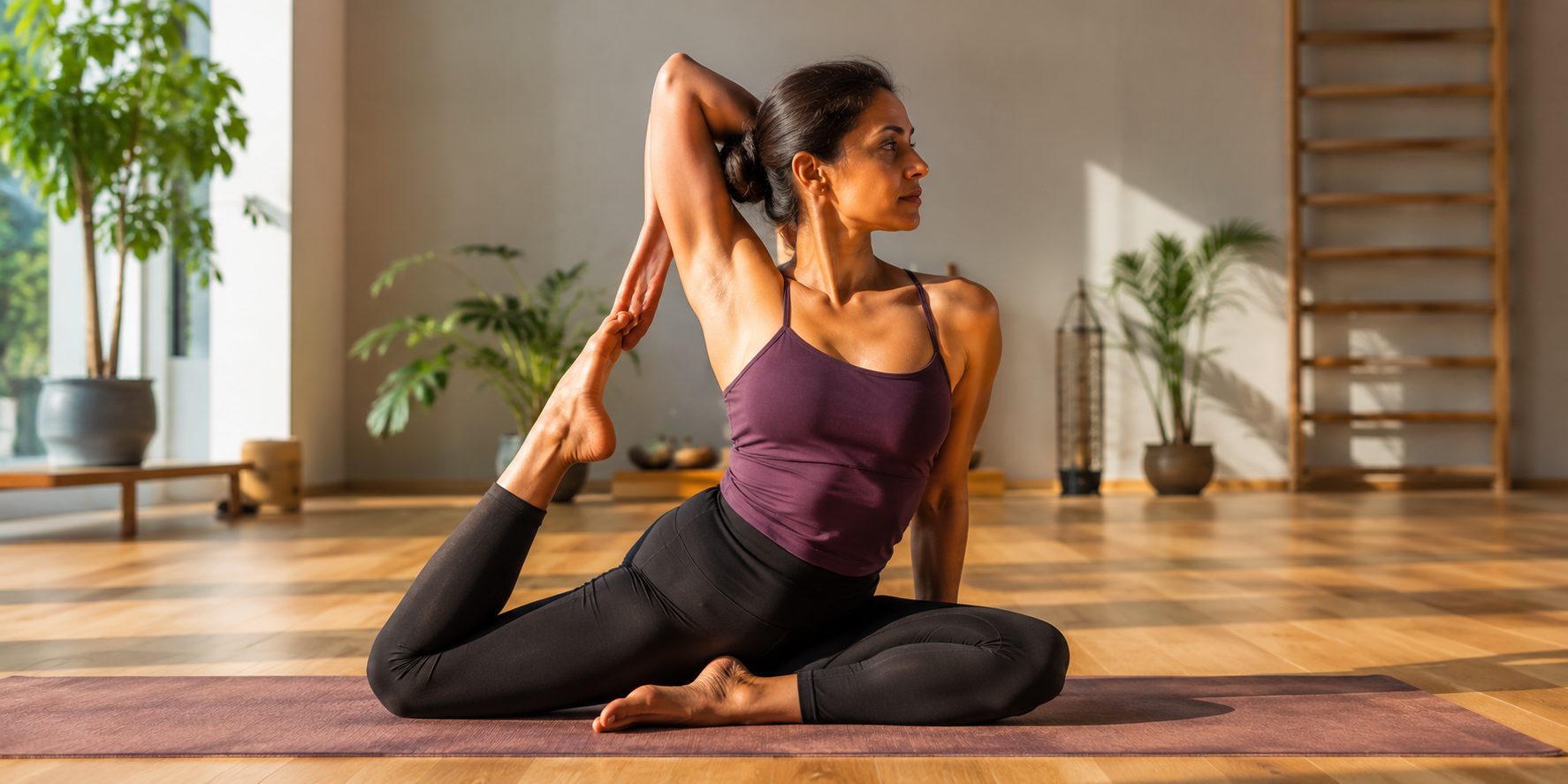
Ashtanga yoga is one of the most disciplined and transformative forms of yoga practiced around the world. Developed from ancient yoga traditions, it combines synchronized breathing, structured movement, and focused attention to create a powerful mind-body practice.
Unlike casual workout routines, this yoga style follows a specific sequence of postures designed to improve strength, flexibility, endurance, and mental clarity. Whether you are a beginner looking for a healthy lifestyle or an experienced practitioner seeking deeper wellness, Ashtanga Yoga offers benefits that extend far beyond the yoga mat.
In this guide, we will explore how this traditional practice supports both physical and mental health while helping you build a sustainable wellness routine.
What Is Ashtanga Yoga?
Ashtanga Yoga is a dynamic yoga system that follows a fixed sequence of postures. Each movement is connected with controlled breathing, creating a continuous flow that builds heat and energy within the body.
The practice emphasizes consistency and progression. Rather than changing routines every day, practitioners gradually master a sequence before moving to more advanced poses. This structured approach helps create long-term physical and mental improvements.
Core Principles of Ashtanga Yoga
The foundation of the practice includes:
- Breath control (Ujjayi breathing)
- Physical postures (Asanas)
- Energy locks (Bandhas)
- Focused gaze points (Drishti)
Together, these elements create a mindful and immersive wellness experience.

Why Is Ashtanga Yoga Different?
Many forms of yoga focus primarily on relaxation or flexibility. However, Ashtanga Yoga combines strength training, cardiovascular activity, mobility work, and mindfulness into a single practice.
The structured sequence helps practitioners track progress over time. Because the poses remain consistent, it becomes easier to measure improvements in flexibility, balance, endurance, and concentration.
Additionally, the flowing nature of the practice creates a moving meditation that benefits both body and mind.
8 Benefits for Physical and Mental Health
Improves Physical Strength
Ashtanga Yoga requires practitioners to support their body weight through various poses. Over time, this develops strength in the arms, shoulders, core, legs, and back.
Unlike traditional gym workouts that isolate muscles, yoga movements engage multiple muscle groups simultaneously.
Increases Flexibility
Regular practice gradually improves mobility throughout the body. Tight hamstrings, stiff hips, and restricted shoulders become more flexible with consistent training.
Better flexibility can also reduce the risk of injury during everyday activities.
Enhances Cardiovascular Health
Because the practice involves continuous movement and controlled breathing, the heart works more efficiently. This can improve circulation and overall cardiovascular fitness.
Many practitioners notice increased stamina and energy levels after several weeks of consistent practice.
Supports Weight Management
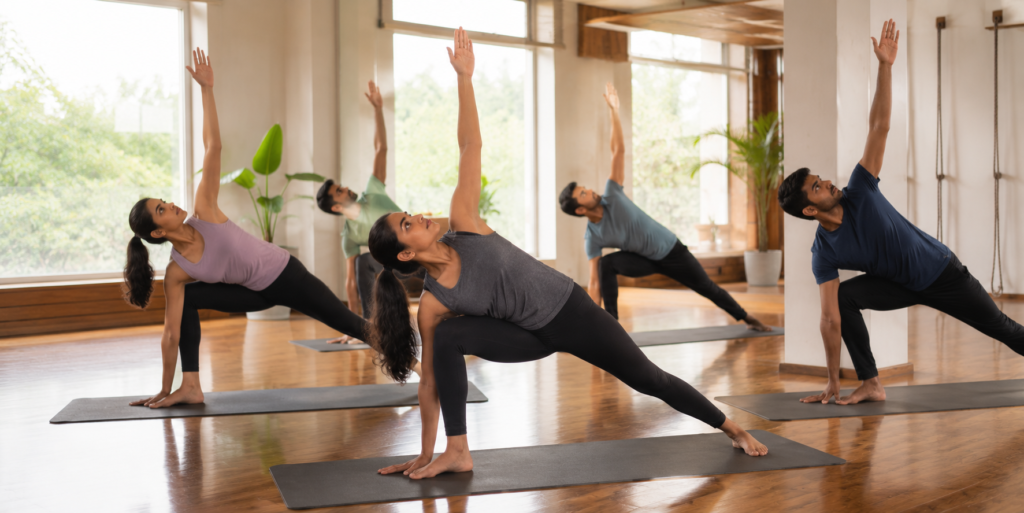
Ashtanga Yoga can burn a significant number of calories compared to slower yoga styles. The combination of movement, strength work, and breath control contributes to a healthy metabolism.
When paired with balanced nutrition, it can support long-term weight management goals.
Reduces Stress Levels
Modern lifestyles often lead to chronic stress and mental fatigue. The breathing techniques used in Ashtanga Yoga activate relaxation responses within the body.
As a result, practitioners frequently report feeling calmer and more balanced after sessions.
Improves Mental Focus
The practice requires concentration on posture, breathing, and gaze points simultaneously. This develops mindfulness and improves mental clarity.
Many professionals find that regular practice helps them stay productive and focused throughout the day.
Builds Discipline
One of the most valuable aspects of Ashtanga Yoga is the discipline it encourages. Following a structured sequence teaches consistency, patience, and commitment.
These qualities often carry over into work, studies, and personal development.
Promotes Better Sleep
Reduced stress and improved physical activity often contribute to higher-quality sleep. Practitioners commonly experience deeper rest and improved recovery.
A well-rested body supports overall health, mood, and daily performance.
Who Should Practice Ashtanga Yoga?
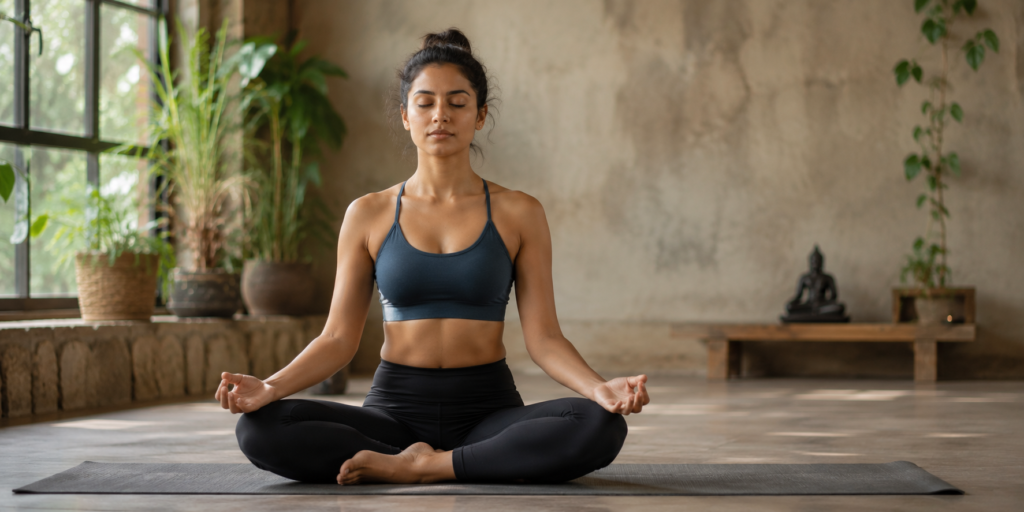
Ashtanga Yoga can benefit people from different age groups and fitness levels. While the practice is physically demanding, beginners can start slowly and progress at their own pace.
It may be especially suitable for:
- Fitness enthusiasts seeking full-body training
- Professionals dealing with stress
- Individuals wanting better flexibility
- People interested in mindfulness practices
- Those looking for a structured wellness routine
Consult a healthcare professional before beginning if you have existing medical conditions or injuries.
Comparison of Key Benefits
| Benefit | Physical Impact | Mental Impact |
|---|---|---|
| Strength Building | Improves muscle endurance | Boosts confidence |
| Flexibility | Enhances mobility | Reduces tension |
| Cardiovascular Fitness | Improves circulation | Increases energy |
| Stress Reduction | Lowers physical tension | Promotes calmness |
| Better Sleep | Supports recovery | Improves mood |
| Discipline | Encourages consistency | Strengthens focus |
Tips for Beginners
Start Slowly
Focus on learning proper breathing and posture rather than attempting advanced poses immediately.
Practice Consistently
Even short daily sessions can produce meaningful results over time.
Listen to Your Body
Avoid pushing beyond your limits. Progress should be gradual and sustainable.
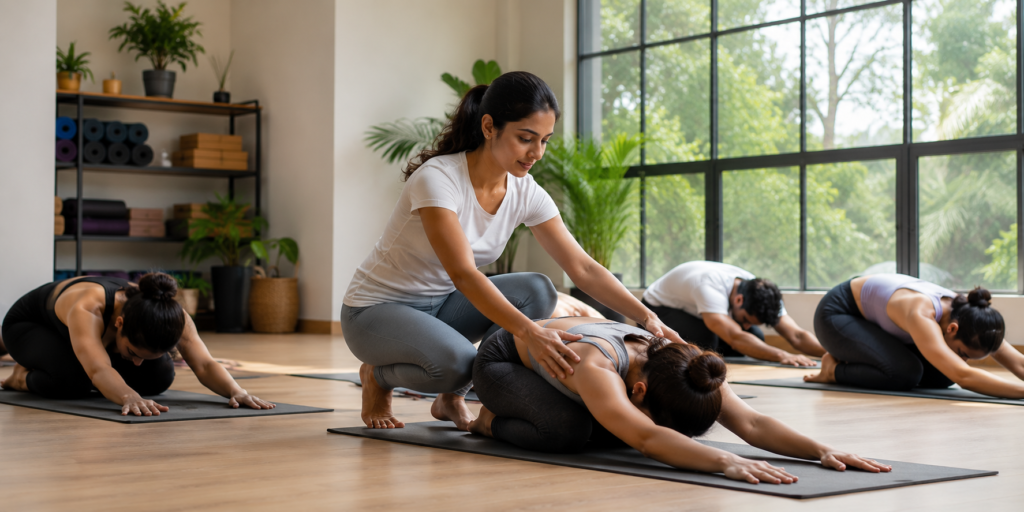
Learn from Qualified Teachers
Proper instruction helps prevent injuries and improves technique.
Common Mistakes to Avoid
Skipping Warm-Ups
Preparing the body before practice can improve performance and reduce injury risk.
Focusing Only on Flexibility
Ashtanga Yoga is about balancing strength, breath, flexibility, and mindfulness.
Comparing Yourself to Others
Every practitioner progresses at a different pace. Personal improvement should remain the primary goal.
Ignoring Recovery
Rest and recovery are essential parts of any wellness routine.
Conclusion
Ashtanga yoga is much more than a physical exercise routine. It is a comprehensive system that strengthens the body, sharpens the mind, and supports long-term wellness. From improved flexibility and cardiovascular fitness to reduced stress and better sleep, the benefits are both practical and measurable.
Whether you are new to yoga or looking to deepen your practice, incorporating Ashtanga Yoga into your lifestyle can help create a healthier and more balanced life. With patience, consistency, and proper guidance, the rewards can extend well beyond physical fitness.
Yes. Beginners can start with basic poses and gradually build strength, flexibility, and confidence under proper guidance.
Many practitioners aim for three to six sessions per week. Consistency is more important than intensity when starting out.
Yes. The combination of controlled breathing, movement, and mindfulness can significantly reduce stress and improve mental well-being.
