
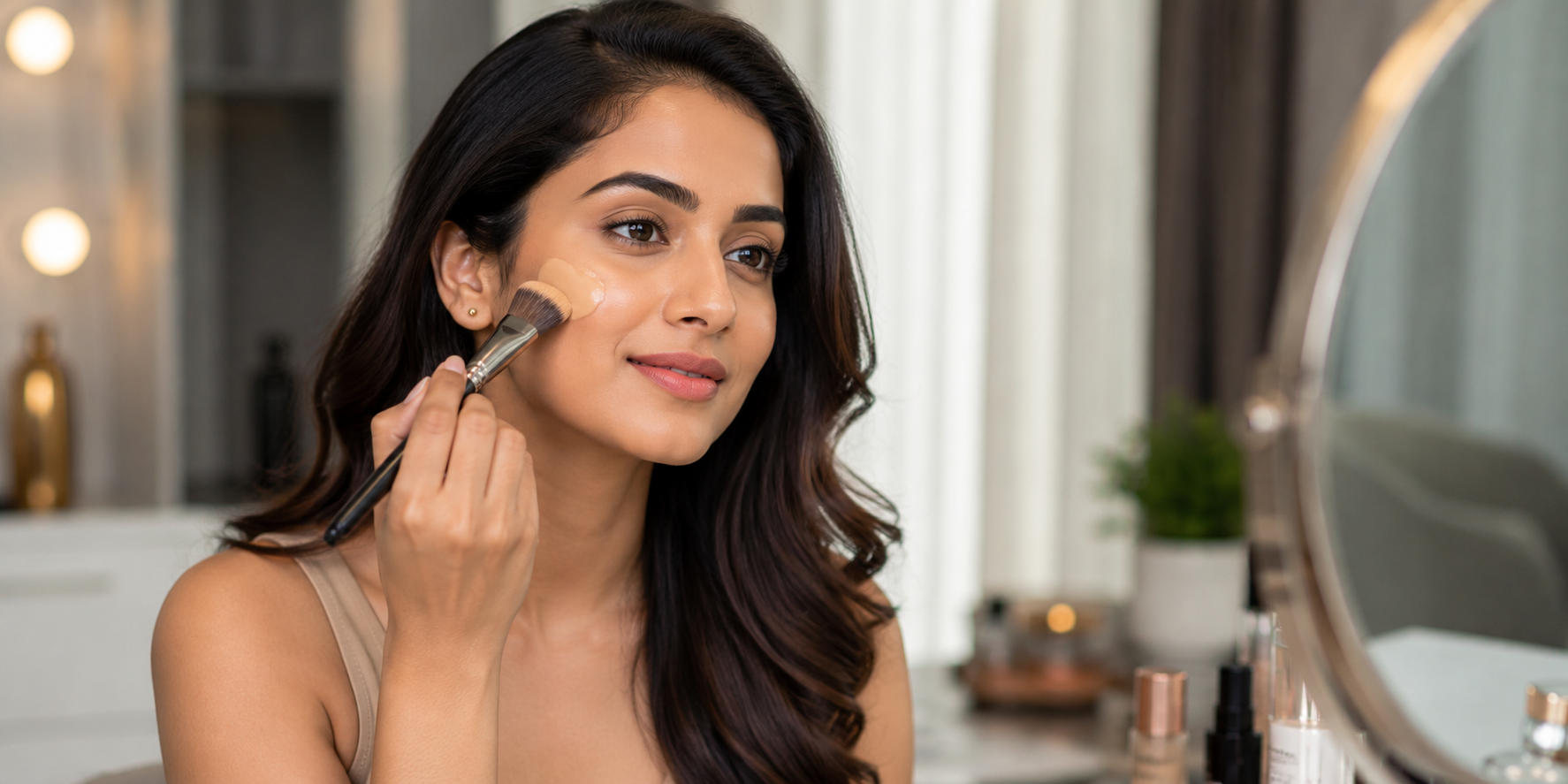
Foundation Makeup is the base of every beautiful makeup look. Whether you prefer a natural everyday appearance or glamorous party makeup, the right foundation techniques can completely transform your skin. However, many people struggle with cakey texture, uneven blending, or choosing the wrong shade.
The good news is that flawless makeup does not always require professional skills. With the right products and practical techniques, anyone can achieve smooth, radiant skin. This guide explains everything you need to know about foundation makeup in a simple and beginner-friendly way.
Understanding Your Skin Type
Before buying any foundation product, it is important to understand your skin type. Different formulas work differently on oily, dry, combination, and sensitive skin.
People with oily skin usually benefit from matte foundations because they control excess shine. On the other hand, hydrating or dewy formulas work better for dry skin because they add moisture and glow.
Combination skin often needs balanced formulas that hydrate dry areas while controlling oil around the T-zone. Therefore, testing foundation under natural light can help you choose the right finish.
Why Skin Preparation Matters
Healthy skin creates a smoother makeup base. If your skin is dehydrated or rough, foundation may appear patchy and uneven. Gentle cleansing, moisturizing, and exfoliation can improve makeup results significantly.
Choose the Right Foundation Shade
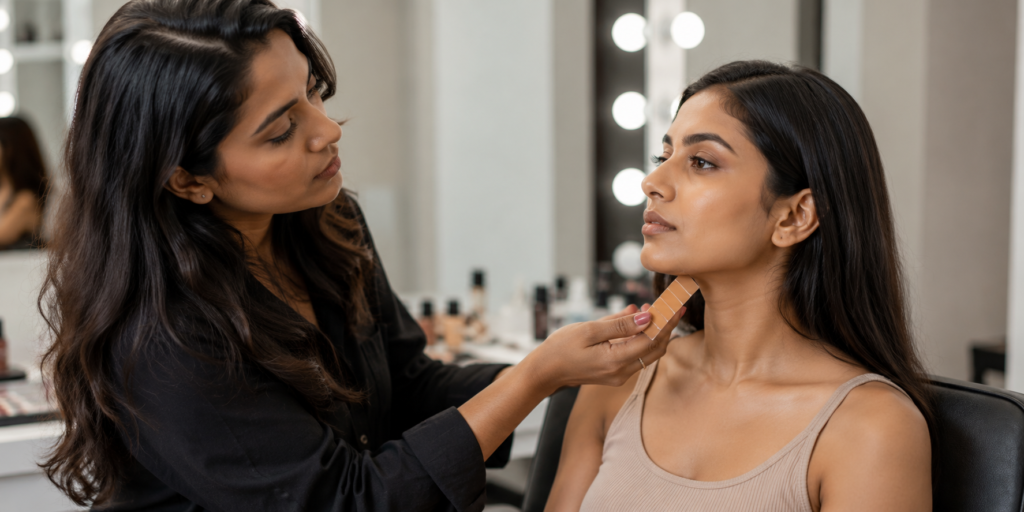
Choosing the wrong shade is one of the most common makeup mistakes. A foundation that is too light or too dark can look unnatural, especially in daylight.
The best way to find your shade is by testing the product near your jawline instead of your hand. This creates a better match between your face and neck.
Identify Your Undertone
Your undertone plays a major role in foundation selection.
| Undertone | Skin Appearance | Suitable Foundation Tone |
|---|---|---|
| Warm | Golden or yellow hue | Warm beige or golden |
| Cool | Pink or rosy hue | Pink or neutral |
| Neutral | Balanced tone | Neutral beige |
In addition, seasonal weather can slightly change your skin tone. Therefore, many beauty experts recommend having two foundation shades for summer and winter.
Prepare Your Skin Before Makeup
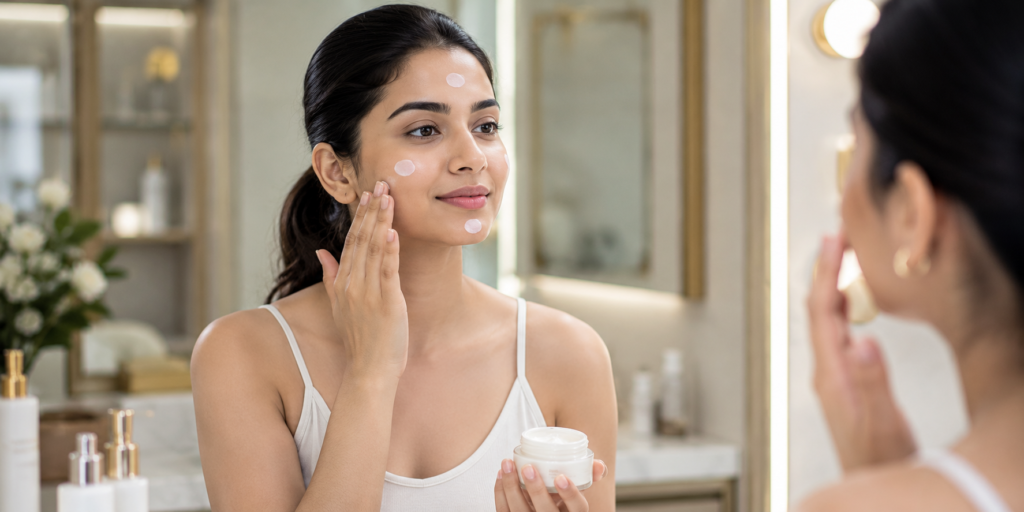
Good skin preparation makes foundation look more natural and long-lasting. Skipping skincare often causes uneven texture and dryness.
Start with a gentle cleanser to remove dirt and oil. After that, apply a lightweight moisturizer suitable for your skin type. Finally, use primer to smooth pores and create an even surface.
Best Primer Types
Matte Primer
Perfect for oily skin because it controls shine and keeps makeup stable for hours.
Hydrating Primer
Ideal for dry skin because it prevents flaky foundation and adds glow.
Pore-Blurring Primer
Works well for textured skin and enlarged pores.
Moreover, allowing skincare products to absorb properly before applying foundation improves blending.
Best Tools for Foundation Application
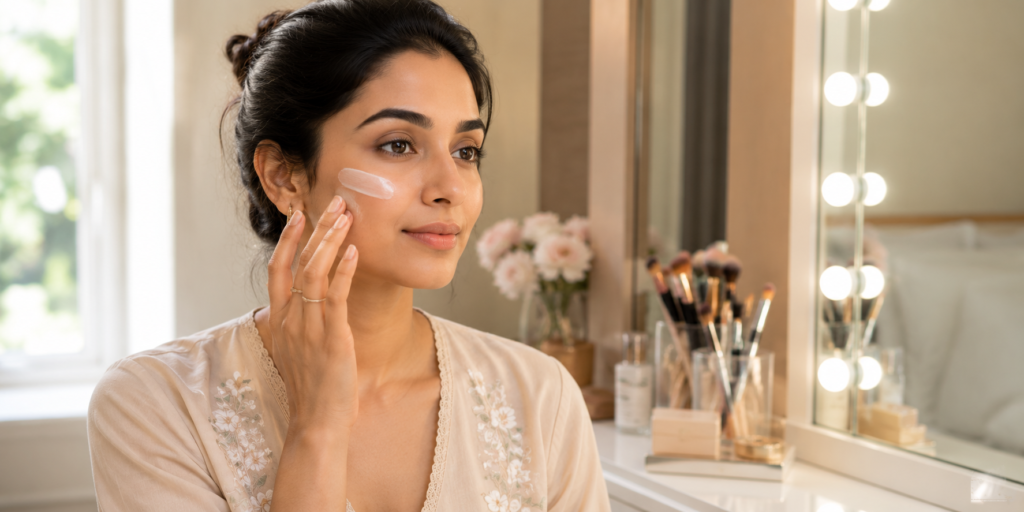
The tool you use can change the final makeup finish dramatically. Some people prefer brushes, while others achieve better results with beauty sponges.
Makeup Sponge
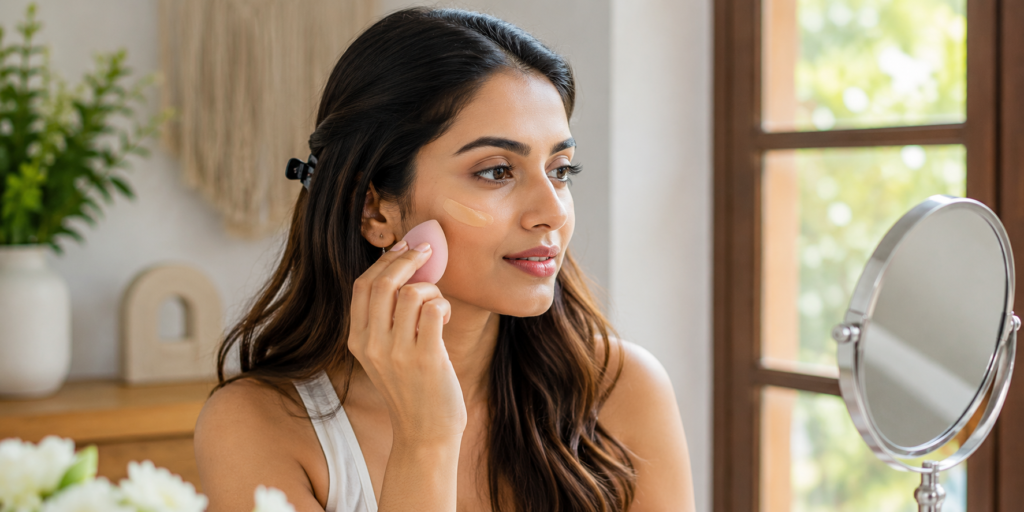
A damp beauty sponge creates soft, natural-looking coverage. It blends foundation smoothly without leaving harsh lines.
Foundation Brush
Brushes usually provide fuller coverage and work well for glam makeup looks. Dense brushes can blend product quickly and evenly.
Fingers
For light daily makeup, clean fingers can also work effectively because body heat helps foundation melt into the skin.
However, hygiene is extremely important. Dirty tools can cause acne and uneven makeup application.
Common Foundation Mistakes to Avoid
Even expensive products can look bad if applied incorrectly. Fortunately, avoiding a few simple mistakes can improve your makeup instantly.
Using Too Much Product
Heavy layers often create a cakey finish. Instead, start with a small amount and build coverage gradually.
Ignoring Neck Blending
Always blend foundation into your neck for a natural transition.
Skipping Setting Powder
People with oily skin should lightly set foundation with powder to reduce shine and increase durability.
Wrong Lighting
Applying makeup in poor lighting can lead to uneven blending and incorrect shade matching.
How to Make Foundation Last Longer
Long-lasting foundation makeup depends on layering products correctly. Start with skincare, use primer, and apply thin foundation layers for better durability.
Setting spray is another useful product because it locks makeup in place and reduces dryness. In addition, blotting papers help remove excess oil without disturbing makeup.
Quick Longevity Tips
Use Thin Layers
Thin layers look natural and stay longer than thick coverage.
Set Cream Products
Powder helps cream products remain stable throughout the day.
Avoid Touching Your Face
Frequent touching can transfer makeup and reduce coverage.
Foundation Makeup for Different Occasions
Different events require different foundation finishes and coverage levels.
Daily Office Makeup
Lightweight and breathable foundation works best for daily wear because it feels comfortable and natural.
Party Makeup
For parties or weddings, medium to full coverage foundation creates a polished look under photography lighting.
Summer Makeup
Oil-free and sweat-resistant formulas perform better in humid weather conditions.
Winter Makeup
Hydrating foundations prevent dryness and maintain healthy-looking skin during colder months.

Simple Daily Foundation Routine
A simple routine can save time while still making your makeup look polished and fresh.
Step 1: Cleanse and Moisturize
Prepare the skin properly before makeup.
Step 2: Apply Primer
Choose a primer based on your skin concerns.
Step 3: Blend Foundation Evenly
Use a sponge or brush for smooth coverage.
Step 4: Conceal Imperfections
Apply concealer only where necessary.
Step 5: Set Makeup
Use powder or setting spray for longer wear.
This routine works well for beginners and busy professionals alike.
Final Thoughts on Foundation Makeup
Foundation Makeup is not about hiding your skin completely. Instead, it is about enhancing your natural beauty while creating a smooth and healthy-looking complexion. Choosing the right formula, understanding your skin type, and applying products correctly can make a huge difference.
Whether you love soft everyday makeup or glamorous party looks, practicing these techniques will help you achieve better results with confidence. Most importantly, remember that healthy skin and proper blending are the true secrets behind flawless foundation makeup.
Beginners should start with lightweight and easy-to-blend foundations. BB creams or medium coverage liquid foundations usually provide the most natural finish.
Test foundation near your jawline under natural light. The correct shade should blend seamlessly into both your face and neck.
Use small amounts of product, moisturize properly, and blend thoroughly with a damp sponge for a smooth finish.
