
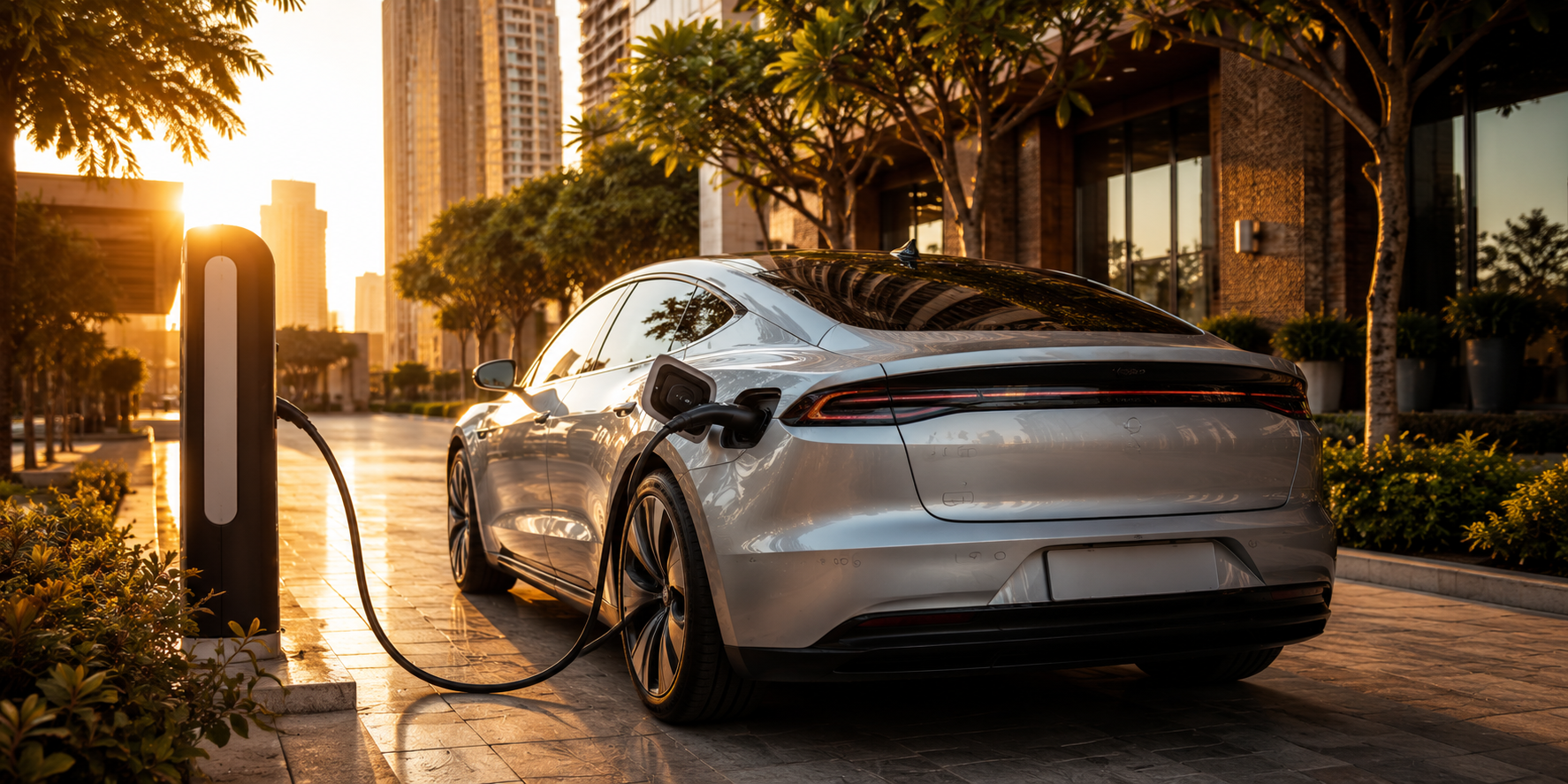
Electric Cars are rapidly changing the way people think about transportation. From lower fuel costs to cleaner air, electric mobility has become more than just a trend. It is now a practical solution for modern lifestyles, especially in cities where pollution and fuel expenses continue to rise.
Over the last few years, governments, car manufacturers, and consumers have shown strong interest in electric vehicles. As battery technology improves and charging stations become more accessible, owning an electric car is becoming easier than ever before. In addition, many drivers are now choosing EVs because they offer a smooth driving experience and lower maintenance costs.
Why Electric Cars Are Becoming Popular
The growing popularity of electric vehicles is connected to several important factors. Rising fuel prices, environmental awareness, and advancements in automotive technology have encouraged many people to switch to EVs.
Modern electric cars are no longer limited to luxury buyers. Today, manufacturers offer affordable models with impressive battery ranges and smart features. Companies such as Tesla, Tata Motors, and BYD are introducing innovative EV solutions for different types of consumers.
Another reason behind their popularity is government support. Many countries provide tax benefits, lower registration costs, and subsidies to encourage electric vehicle adoption.
Key Benefits of Electric Cars
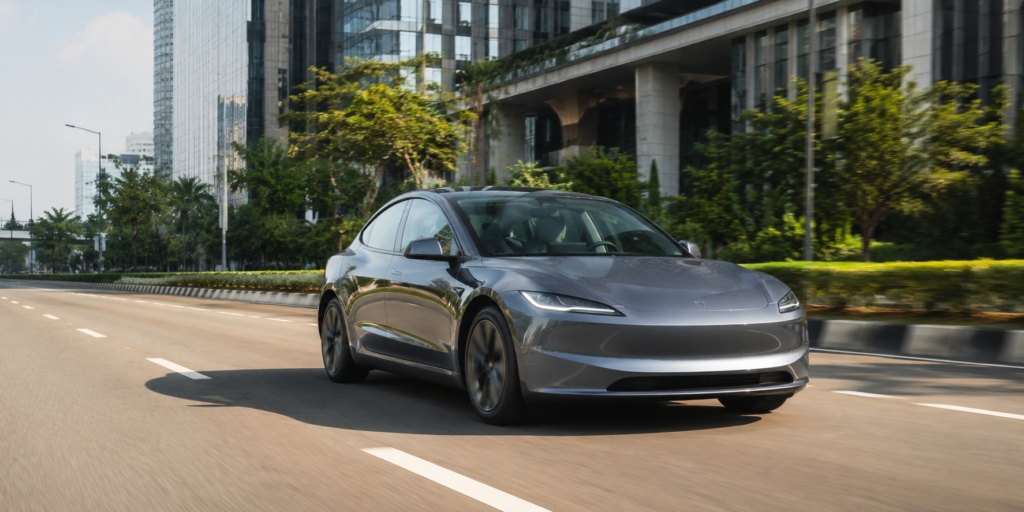
Electric vehicles provide several advantages that make them attractive for everyday driving.
Lower Running Costs
Electric cars cost less to operate compared to petrol or diesel vehicles. Charging an EV is usually more affordable than buying fuel regularly. Moreover, electric motors have fewer moving parts, which reduces maintenance expenses.
Environmentally Friendly Transportation
One of the biggest advantages of EVs is reduced carbon emissions. Since electric cars do not rely on traditional combustion engines, they produce significantly less air pollution. This contributes to cleaner cities and healthier living conditions.
Quiet and Smooth Driving Experience
Electric vehicles deliver instant torque, making acceleration smooth and responsive. In addition, the absence of engine noise creates a quieter and more comfortable driving experience.
Smart Technology Features
Most modern EVs include advanced technology such as digital dashboards, AI-powered driving assistance, smartphone integration, and regenerative braking systems.
How Electric Car Technology Works
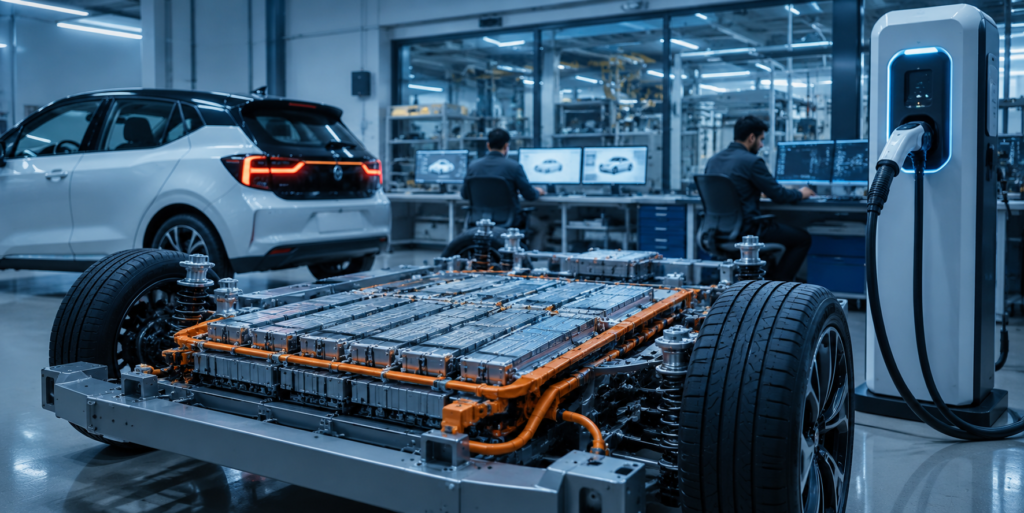
Electric cars operate using rechargeable battery packs and electric motors instead of internal combustion engines. The battery stores electrical energy, which powers the motor and drives the vehicle forward.
The heart of every EV is its lithium-ion battery. These batteries are designed for efficiency, durability, and long-distance performance. Regenerative braking also helps recharge the battery while driving by converting braking energy into electricity.
Below is a simple comparison between electric cars and traditional fuel vehicles.
| Feature | Electric Cars | Fuel Vehicles |
|---|---|---|
| Fuel Source | Electricity | Petrol/Diesel |
| Maintenance | Lower | Higher |
| Emissions | Very Low | High |
| Driving Noise | Quiet | Loud |
| Running Cost | Affordable | Expensive |
| Energy Efficiency | High | Moderate |
Electric Cars vs Traditional Fuel Vehicles
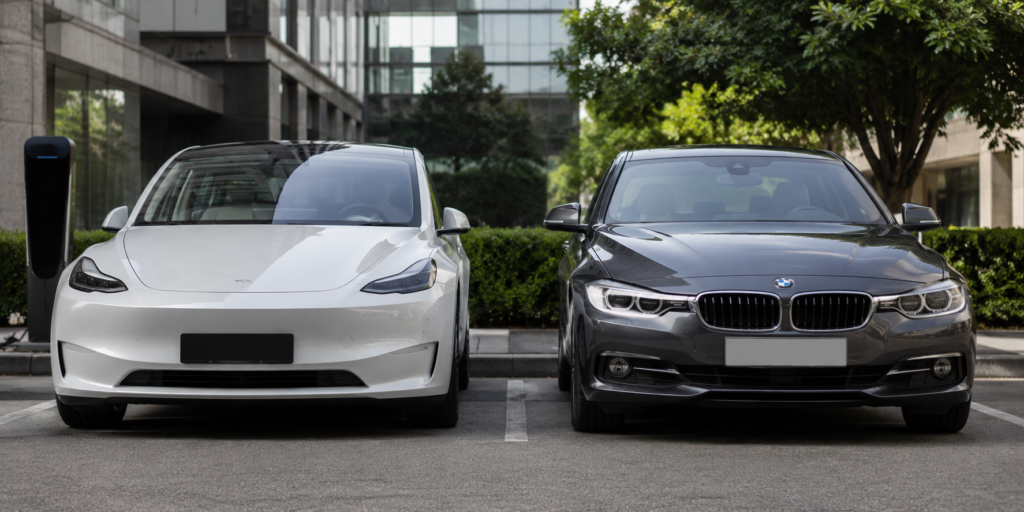
Many consumers compare EVs with traditional vehicles before making a purchase decision. While fuel-powered cars still dominate the market in many regions, electric mobility is growing rapidly.
Traditional cars are often preferred for long-distance travel because fuel stations are widely available. However, electric vehicles are improving quickly in terms of charging speed and battery range.
Electric cars also provide better energy efficiency. A significant amount of fuel energy in conventional vehicles is wasted as heat, whereas EVs use energy more effectively.
Moreover, governments around the world are planning stricter emission regulations. As a result, the automotive industry is shifting its focus toward sustainable transportation technologies.
Charging Infrastructure and Battery Life
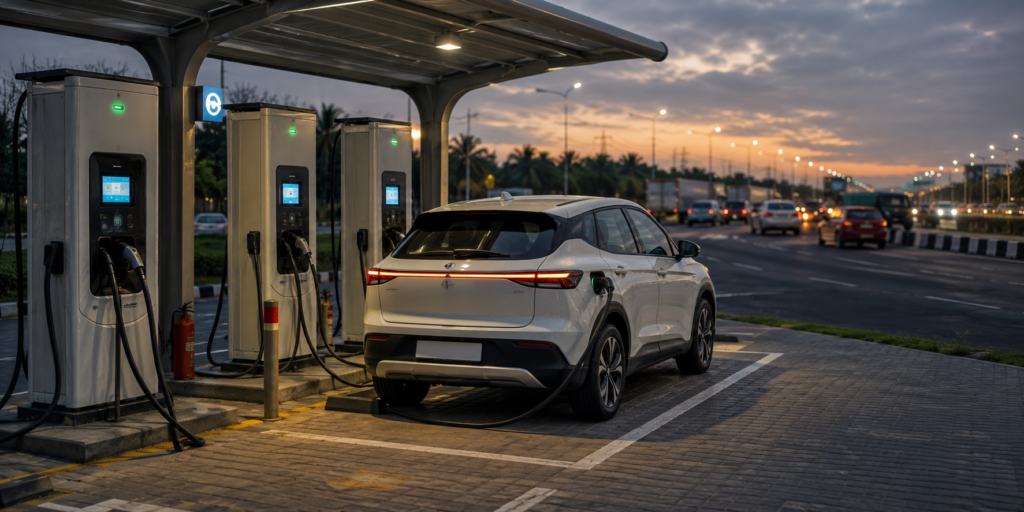
Charging infrastructure plays a major role in the growth of electric mobility. Fortunately, charging networks are expanding rapidly across cities and highways.
There are mainly three types of EV chargers:
Slow Chargers
These chargers are commonly used at homes and require several hours to fully charge a vehicle.
Fast Chargers
Fast chargers are available in public charging stations and significantly reduce charging time.
Ultra-Fast Chargers
These advanced charging systems can recharge a large percentage of the battery within minutes.
Battery life has also improved dramatically. Most modern electric vehicles now offer battery warranties ranging from 8 to 10 years. In addition, battery recycling technology is becoming more efficient and environmentally friendly.
Challenges Facing Electric Vehicles
Despite their benefits, electric cars still face certain challenges.
Limited Charging Availability
Although charging stations are increasing, some rural areas still lack proper EV infrastructure. This can create range anxiety for drivers traveling long distances.
Higher Initial Cost
Electric cars often cost more upfront compared to conventional vehicles. However, lower maintenance and fuel savings can balance the overall ownership cost over time.
Battery Production Concerns
Battery manufacturing requires raw materials such as lithium and cobalt. Therefore, sustainable sourcing and recycling remain important issues for the EV industry.
The Future of Electric Cars
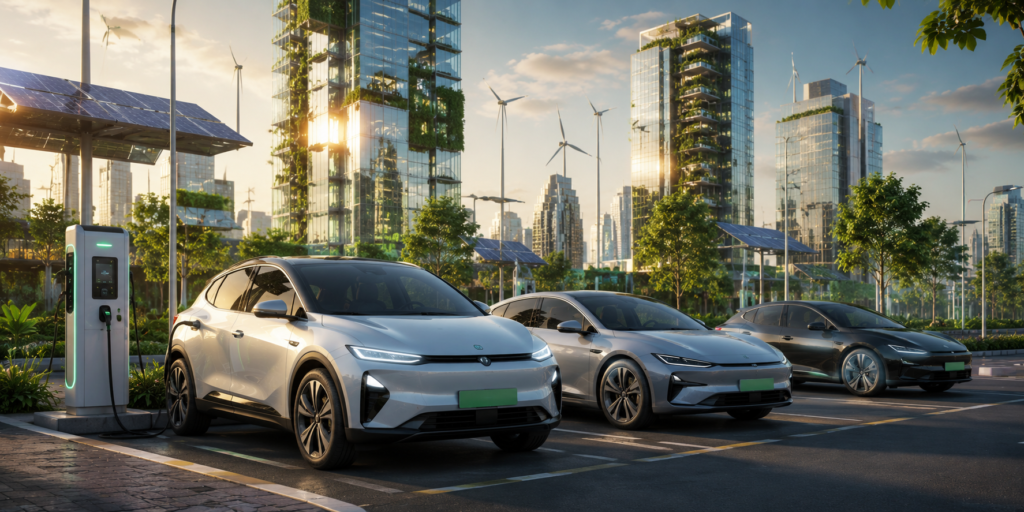
The future of electric mobility looks extremely promising. Automotive companies are investing heavily in battery innovation, autonomous driving technology, and renewable energy integration.
Experts predict that electric cars will become more affordable and accessible in the coming years. In addition, governments are supporting green transportation through environmental policies and infrastructure development.
Many future EVs are expected to include AI-driven safety systems, longer battery ranges, wireless charging capabilities, and advanced connectivity features. As technology continues to evolve, electric mobility may eventually become the global standard for transportation.
Final Thoughts
Electric Cars are reshaping the future of transportation through innovation, sustainability, and smart technology. They offer lower operating costs, cleaner mobility, and an advanced driving experience that aligns perfectly with modern lifestyles.
Although challenges such as charging infrastructure and battery production still exist, the industry continues to evolve rapidly. As technology improves and awareness grows, electric vehicles are expected to become a central part of global transportation systems.
Yes, electric cars are highly suitable for daily commuting. Most modern EVs offer enough battery range for city driving and regular travel needs.
Charging time depends on the charger type and battery capacity. Fast chargers can charge many EVs within 30–60 minutes, while home chargers may take several hours.
Yes, electric vehicles generally need less maintenance because they have fewer mechanical components compared to traditional fuel-powered cars.
