
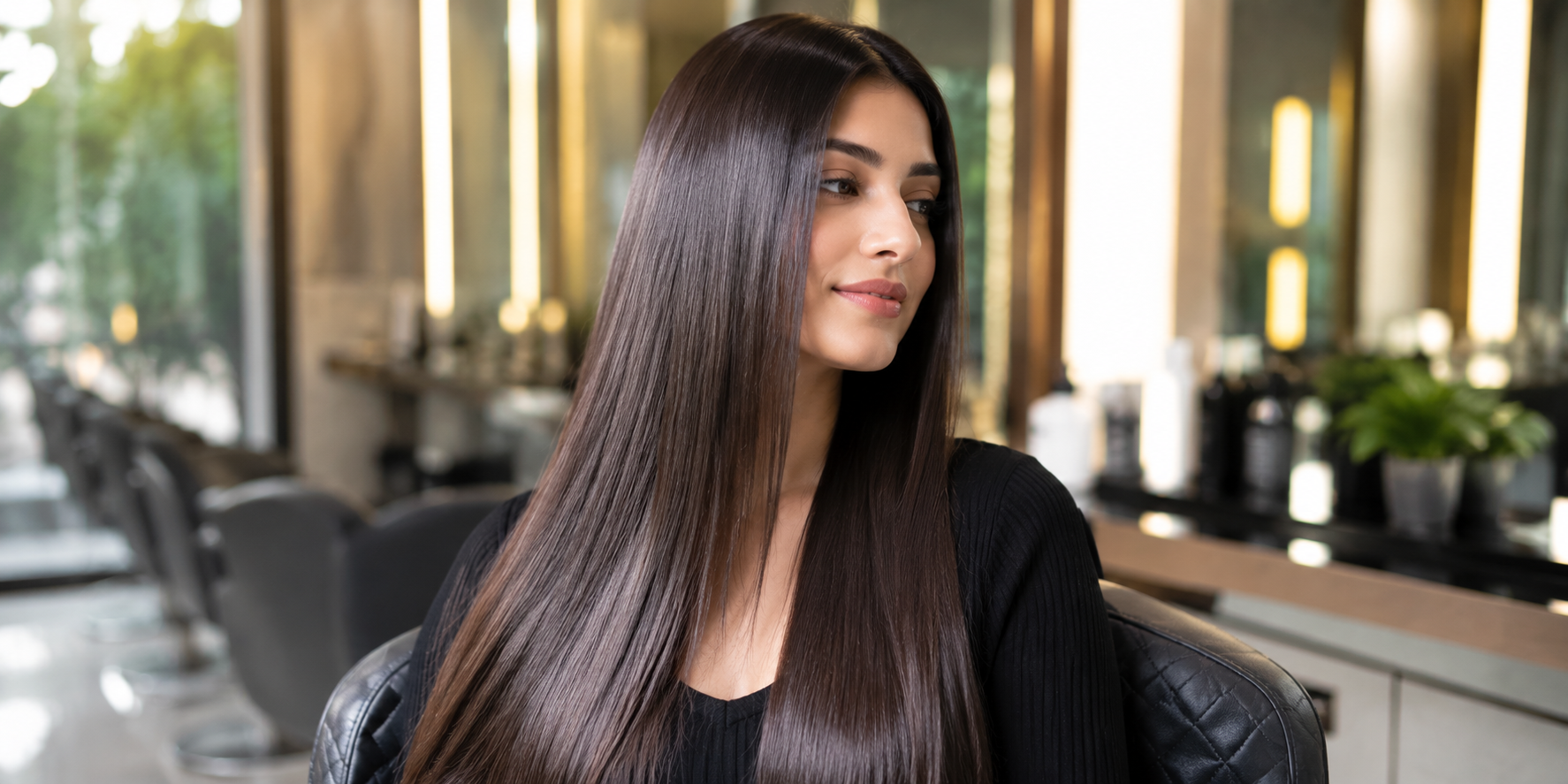
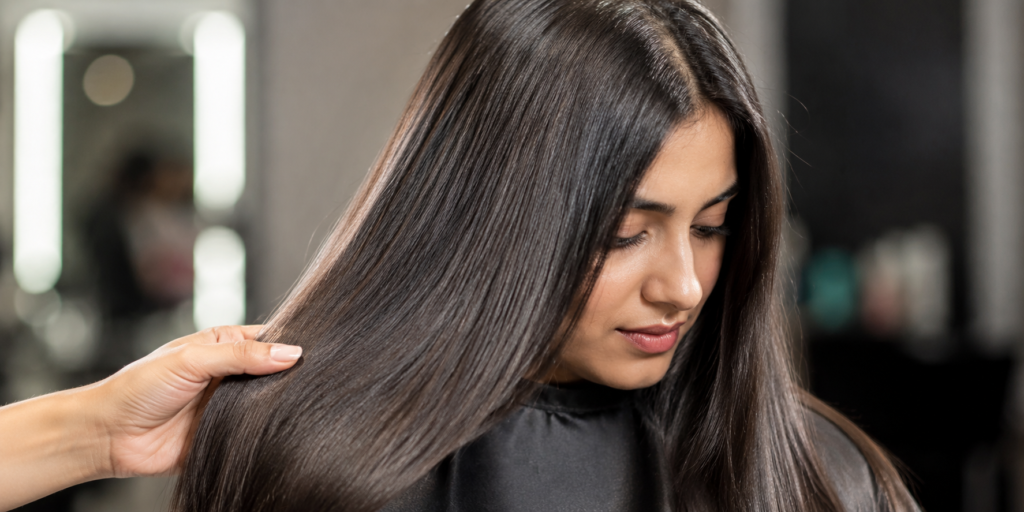
Rebonding Hair is one of the most effective treatments for transforming frizzy, curly, or unmanageable hair into sleek and straight strands. Many people choose this salon procedure because it gives long-lasting smoothness and reduces daily styling time. The treatment chemically changes the natural structure of the hair, creating a polished and glossy appearance.
Today, rebonding has become extremely popular among women who want a clean and professional look without using straighteners every day. However, maintaining rebonded hair properly is equally important to keep it healthy and shiny for a long time.
What Is Rebonding Hair?
Rebonding Hair is a chemical hair treatment that permanently changes the natural texture of the hair. It breaks the natural bonds in the hair shaft and restructures them to create a straight appearance. This process gives hair a smooth, silky, and shiny finish that can last for several months.
The treatment is especially useful for people with frizzy or curly hair who struggle with daily hair management. After rebonding, hair becomes easier to style and requires less effort during daily routines.
Unlike temporary straightening methods, rebonding offers long-term results. However, since chemicals and heat are involved, professional salon treatment is always recommended.
How the Rebonding Process Works
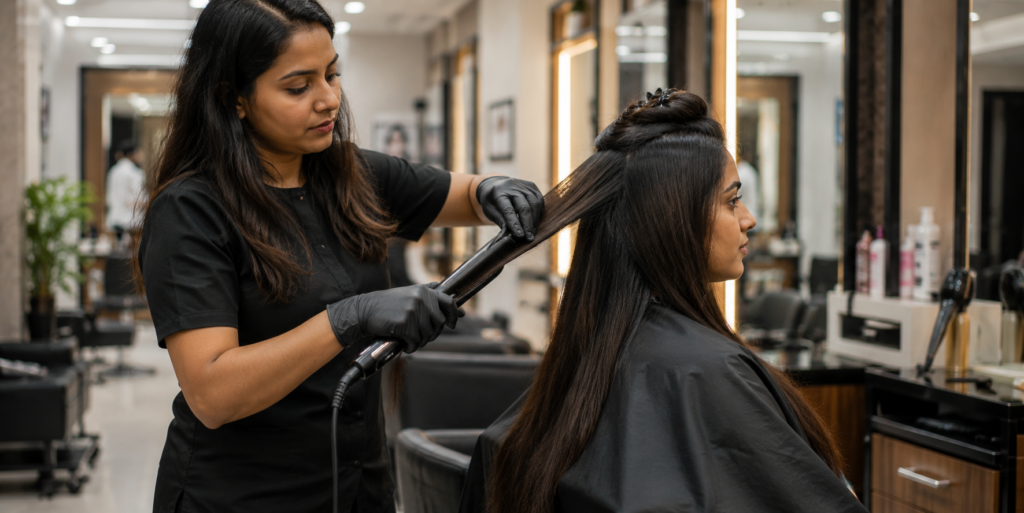
The rebonding procedure involves multiple steps and usually takes several hours depending on hair length and thickness. A hair expert first washes the hair thoroughly and applies a relaxing cream to soften the natural structure.
After that, the hair is straightened using a flat iron at high temperature. Then, a neutralizer is applied to lock the new straight texture in place. Finally, the hair is rinsed and styled carefully.
The process may sound simple, but precision is very important. Poor-quality products or inexperienced handling can damage the hair significantly.
Rebonding Process Overview
| Step | Purpose |
|---|---|
| Hair Cleansing | Removes dirt and oil |
| Relaxing Cream | Softens hair bonds |
| Heat Straightening | Reshapes hair texture |
| Neutralizing | Locks straight structure |
| Final Styling | Gives polished finish |
Benefits of Rebonding Hair
One of the biggest advantages of rebonding is the smooth and sleek appearance it provides. Hair looks professionally styled every day without spending extra time on heat styling tools.
Another major benefit is reduced frizz. In humid weather, many people struggle with rough and puffy hair. Rebonding helps control this problem effectively and creates a cleaner look.
The treatment also improves manageability. Combing becomes easier, tangles reduce significantly, and hair feels softer after proper maintenance. For working professionals and students, this can save a lot of time every morning.
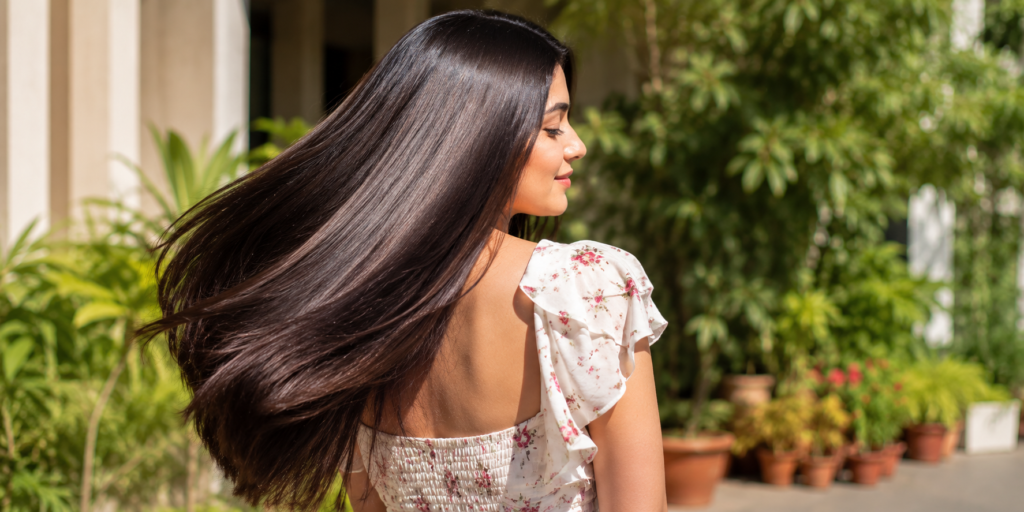
In addition, rebonded hair reflects light better, which gives it a naturally glossy finish. This polished appearance is one reason why the treatment remains popular in modern beauty trends.
Rebonding Hair vs Hair Smoothening
Many people confuse rebonding with hair smoothening, but both treatments are different. Rebonding permanently changes the hair structure, while smoothening is more focused on reducing frizz and improving softness.
Smoothening usually gives a natural straight look, whereas rebonding creates pin-straight hair. Rebonding also lasts longer compared to smoothening treatments.
However, rebonding uses stronger chemicals and requires more maintenance. Smoothening may be a better option for people who want softer and more natural-looking results.
Choosing between the two depends on your hair condition, styling preference, and maintenance routine. Consulting a professional stylist before making a decision is always a smart idea.
Essential Aftercare Tips
Proper aftercare is the key to maintaining healthy rebonded hair. The first few days after treatment are extremely important because the hair structure is still settling.
Avoid washing your hair for at least three days after the treatment. Also, do not tie your hair or use clips during this period because it may leave unwanted marks.
Using sulfate-free shampoo and conditioner can help maintain moisture and reduce dryness. Deep conditioning treatments once a week are also highly recommended.
Heat protection products should always be used before styling tools. Even though rebonded hair is straight, excessive heat exposure can still damage the strands over time.
A balanced diet rich in protein, vitamins, and hydration also improves hair health from within. Healthy habits contribute significantly to long-lasting shine and smoothness.
Common Mistakes to Avoid
One common mistake people make is skipping regular trims. Split ends can spread quickly in chemically treated hair, making it appear dry and unhealthy.
Another issue is excessive washing. Washing rebonded hair too often can strip natural oils and reduce smoothness. It is better to wash hair only when necessary using mild products.
Many people also ignore sun protection. Direct sunlight and pollution can weaken chemically treated hair over time. Wearing a scarf or applying protective serum can help reduce environmental damage.
Using cheap hair products is another major problem. Professional-quality products may seem expensive initially, but they protect your investment and keep your hair healthier for longer.

Best Products for Rebonded Hair
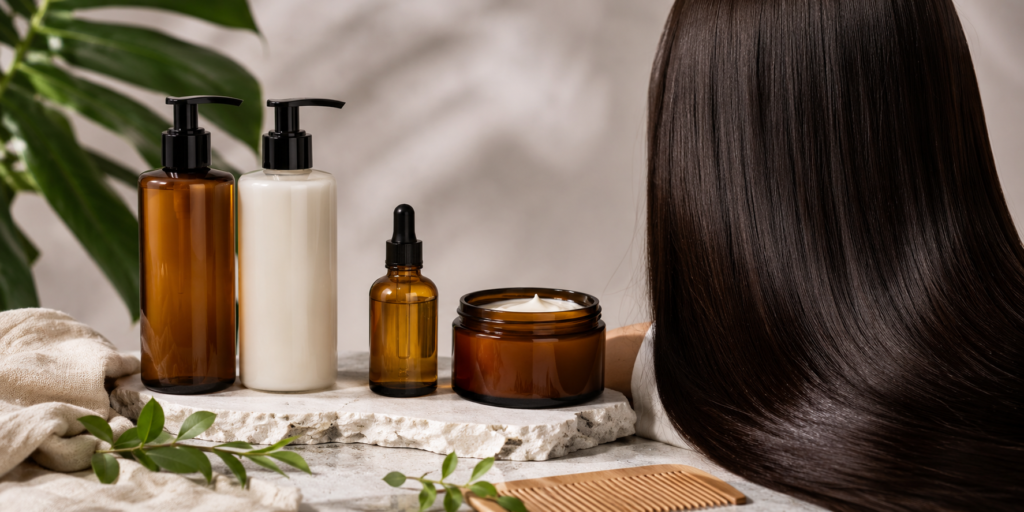
Choosing the right products plays an important role in maintaining the treatment results. Sulfate-free shampoos are ideal because they clean gently without removing essential moisture.
Hair serums help control dryness and add shine. Lightweight oils like argan oil can also nourish hair without making it greasy.
Deep conditioning masks should be used weekly to repair damage caused by chemicals and heat exposure. Protein-rich hair masks are especially beneficial for maintaining strength.
Investing in silk pillowcases may also help reduce friction while sleeping, preventing unnecessary breakage and frizz.
Is Rebonding Hair Safe for Everyone?
Rebonding can deliver beautiful results, but it may not suit every hair type. Extremely damaged, weak, or heavily bleached hair may become more fragile after treatment.
A patch test and hair analysis are important before starting the process. Professional consultation helps identify whether your hair can safely handle the chemicals involved.
If done correctly and maintained properly, rebonding can remain smooth and attractive for many months without major issues.
Conclusion
Rebonding Hair is an excellent option for people who want sleek, straight, and manageable hair with long-lasting results. The treatment can dramatically improve hair appearance and reduce daily styling effort when performed by skilled professionals.
However, maintaining rebonded hair requires patience and proper care. Using quality products, following a healthy routine, and avoiding damaging habits can keep your hair smooth, shiny, and healthy for a long time. With the right maintenance, rebonded hair can look salon-fresh and beautiful every day.
Rebonding usually lasts between six months and one year depending on hair growth, maintenance routine, and product quality. Proper care helps extend the results.
Yes, excessive heat, poor maintenance, and harsh chemicals can damage rebonded hair. Using nourishing products and regular conditioning can reduce the risk.
Sulfate-free shampoos are considered best because they gently cleanse the hair while maintaining moisture and smoothness for longer-lasting results.
