

Self care is not about expensive routines or having hours of free time. It is about making small, practical choices that support your physical health, emotional balance, and everyday energy.
When work, family responsibilities, screens, and daily pressure pile up, simple habits can make a real difference. You do not need to change everything at once. Instead, choose a few realistic practices that help you slow down, recover, and feel more in control.
Why Self Care Matters
Self care means intentionally looking after the habits and needs that affect your wellbeing. It can include sleep, movement, nutritious food, personal boundaries, relaxation, and time away from constant notifications.
The key is consistency rather than perfection. A ten-minute walk, a regular bedtime, or a quiet cup of tea can be more useful than a complicated routine you cannot maintain. Your needs can change from week to week, so a flexible approach often works better than a rigid schedule.
Start With Better Sleep
Sleep is one of the easiest areas to overlook when life becomes busy. Yet poor sleep can leave you feeling less focused, more irritable, and physically drained the next day.
Try keeping a fairly regular sleep and wake time. About an hour before bed, reduce bright screens, finish demanding work, and choose a calming activity such as reading, light stretching, or preparing your clothes for tomorrow.
A simple evening routine can also reduce the number of decisions you make at night, helping your mind shift from work mode to rest mode.

Move Your Body Every Day
Movement does not have to mean a long gym session. Walking, cycling, light stretching, yoga, or a short home workout can all fit into a normal day. The most useful activity is often the one you can repeat consistently.
For example, take a ten-minute walk after lunch, stretch between work sessions, or choose stairs when practical.
| Daily habit | Simple starting point | Possible benefit |
|---|---|---|
| Walking | 10–20 minutes | Supports daily activity and mood |
| Stretching | 5–10 minutes | Helps loosen a sedentary body |
| Water breaks | Keep a bottle nearby | Makes hydration easier |
| Screen-free pause | 10 minutes | Creates mental breathing room |

Make Time for a Mental Reset
Mental rest deserves the same attention as physical rest. If your mind stays busy from morning to night, even a quiet evening may not feel refreshing. Building short pauses into the day can give your attention a chance to reset.
Start with simple actions. Close your laptop, breathe slowly for a few minutes, write down your worries, or sit somewhere without your phone. Journaling can also help turn vague stress into specific thoughts that are easier to understand and manage.
It also helps to notice what drains your energy. A packed schedule, constant notifications, or saying yes to every request may create unnecessary pressure. Small boundaries can therefore become an important part of self care.

Eat and Hydrate Mindfully
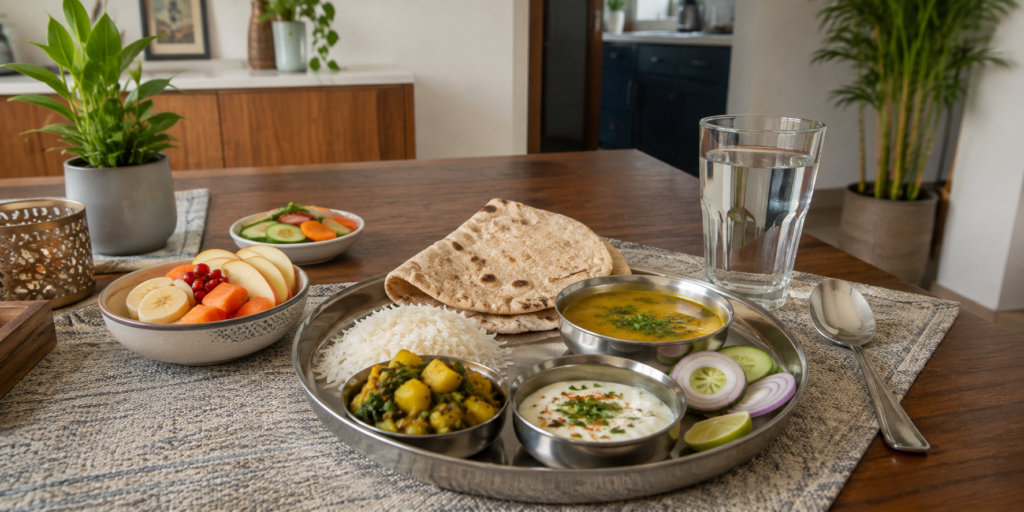
Food is another practical foundation of wellbeing. You do not need a perfect diet to build healthier habits. Focus on regular meals, enough water, vegetables or fruit, protein-rich foods, and sensible portions.
For a busy workday, keep simple options available instead of waiting until you are extremely hungry. A homemade meal, fruit, curd, nuts, or a balanced sandwich can be more convenient than repeatedly relying on highly processed snacks.
Hydration matters too. Keep water visible on your desk or carry a bottle when you leave home. Small reminders can make healthy choices easier to follow.
Create a Healthier Digital Routine
Phones and social platforms can be useful, but constant checking can make it harder to concentrate and unwind. A better approach is to create intentional spaces where you are not online.
Turn off non-essential notifications, avoid checking your phone during meals, and consider keeping it away from your bed. During work, group messages into specific check-in periods instead of reacting to every alert.
A digital break does not mean abandoning technology. It gives your attention a chance to recover. Replace some scrolling with a walk, conversation, hobby, or quiet time outdoors.

Build a Self Care Routine That Lasts
The best routine is one that fits your real life. Start with two or three habits rather than creating a long checklist. You might choose a consistent bedtime, a daily walk, and ten minutes without screens in the evening.
Track how you feel rather than judging yourself by perfection. If a routine stops working, adjust it. A demanding workweek may require a shorter version, while a quieter weekend may allow more time for exercise, cooking, hobbies, or social connection.
Most importantly, treat self care as regular maintenance, not an emergency response. Small actions repeated over time can support better energy, focus, and balance.
Conclusion
Self care works best when it feels realistic, not overwhelming. Start with a few habits that help you sleep, move, eat well, protect your attention, and create regular moments of rest.
You do not need a perfect routine. Consistent, manageable choices can make everyday wellbeing easier to support and help you feel more prepared for life’s normal pressures.
Self care means taking intentional steps to support your physical, mental, and emotional wellbeing. It can be as simple as sleeping well, moving regularly, eating balanced meals, or taking short breaks.
Choose one habit that takes less than 15 minutes, such as a short walk, breathing break, or screen-free pause. Make it part of an existing routine so it is easier to maintain.
Healthy routines can support stress management by giving you regular opportunities to rest, move, reflect, and disconnect. Persistent or severe stress may need professional support.
