
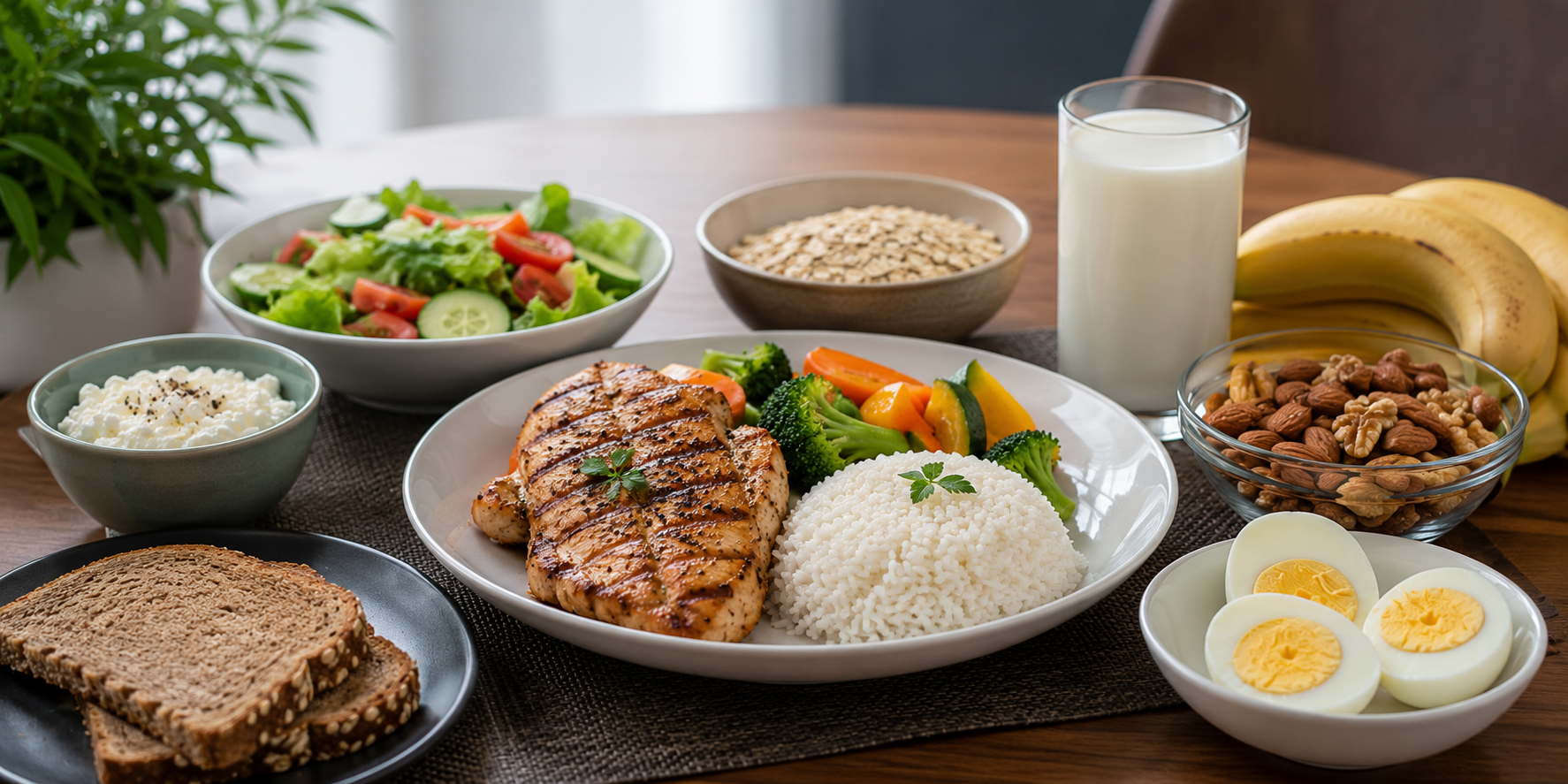
Weight gain diet plan strategies are often misunderstood. Many people believe that eating anything and everything will help them gain weight. However, healthy weight gain requires a balanced approach that focuses on nutrient-dense foods, proper meal timing, and consistent eating habits.
Whether you are naturally underweight, recovering from an illness, or looking to build muscle mass, following the right nutrition plan can help you achieve sustainable results. This guide covers practical nutrition tips that support healthy weight gain without compromising overall health.
Why a Weight Gain Diet Plan Matters
A structured approach helps you gain weight in a healthy and controlled manner. Instead of relying on junk food, a proper plan focuses on increasing muscle mass, improving energy levels, and supporting overall wellness.
Healthy weight gain is generally achieved through a moderate calorie surplus combined with quality nutrition. This approach reduces the likelihood of excessive fat gain and promotes long-term results.

Understand Your Calorie Requirements
Before increasing food intake, it is important to understand how many calories your body needs. Weight gain occurs when you consistently consume more calories than you burn.
A daily surplus of 300–500 calories is often sufficient for gradual and healthy weight gain. Individuals aiming for faster results may require a larger surplus, depending on their activity levels and metabolism.
Tracking food intake for a few weeks can provide valuable insights into eating patterns and progress.
Prioritize Protein in Every Meal
Why Protein Is Important
Protein plays a major role in building and repairing muscle tissue. Without adequate protein, excess calories are more likely to be stored as body fat.
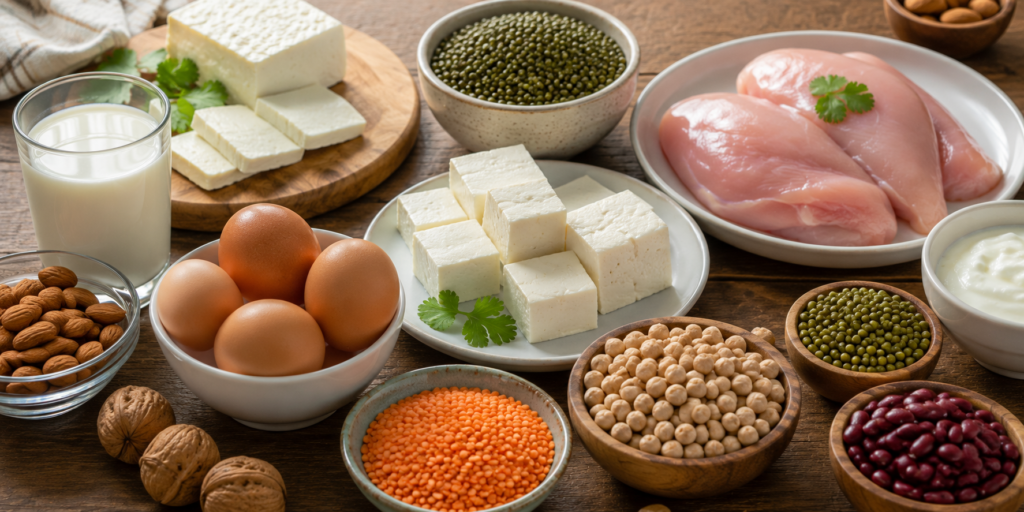
Good protein sources include:
- Eggs
- Chicken breast
- Fish
- Milk
- Greek yogurt
- Paneer
- Lentils
- Soy products
Aim to include a protein source in every meal and snack throughout the day.
Choose Nutrient-Dense High-Calorie Foods
Not all calories are created equal. Choosing nutrient-rich foods ensures that your body receives essential vitamins and minerals while increasing calorie intake.
Examples of weight gain diet plan calorie-dense foods include:
- Peanut butter
- Almonds
- Cashews
- Walnuts
- Avocados
- Whole milk
- Oats
- Brown rice
- Sweet potatoes
- Dried fruits
These foods provide energy while supporting overall health and recovery.
Eat More Frequently Throughout the Day
People trying to weight gain diet plan often struggle to consume large meals. Therefore, eating smaller meals more frequently can be helpful.
Consider eating:
- Breakfast
- Mid-morning snack
- Lunch
- Evening snack
- Dinner
- Bedtime snack
This approach increases total calorie intake without causing excessive discomfort.
In addition, frequent meals help maintain steady energy levels throughout the day.
Include Healthy Fats in Your Diet
Healthy fats contain more calories per gram than protein or carbohydrates, making them valuable for weight gain.
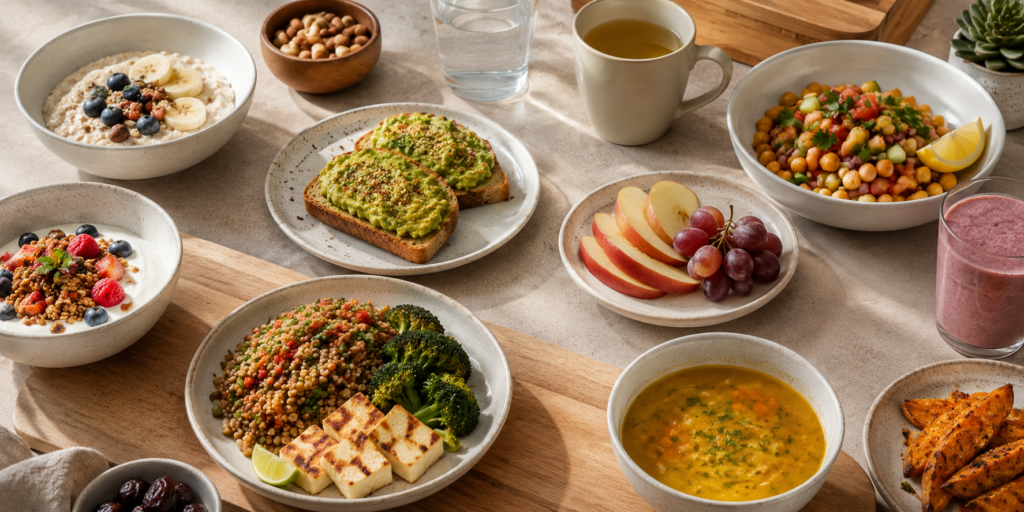
Some excellent options include:
- Olive oil
- Nuts and seeds
- Nut butters
- Coconut products
- Full-fat dairy products
Adding healthy fats to meals can significantly increase calorie intake without requiring large food portions.
For example, a spoonful of peanut butter added to a smoothie can provide additional calories and nutrients.
Stay Consistent With Balanced Meals
Consistency is one of the most important factors in any weight gain diet plan. Eating well for a few days and then skipping meals can slow progress.
A balanced plate should typically include:
- Protein source
- Complex carbohydrates
- Healthy fats
- Vegetables
- Hydration
Over time, these habits create a sustainable foundation for healthy weight gain and improved body composition.
Sample Weight Gain Food Table
| Meal | Food Options | Benefits |
|---|---|---|
| Breakfast | Oats, milk, banana, peanut butter | Energy and calories |
| Snack | Mixed nuts and dried fruits | Healthy fats and nutrients |
| Lunch | Rice, chicken, vegetables | Balanced nutrition |
| Evening Snack | Smoothie with milk and fruits | Additional calories |
| Dinner | Paneer, chapati, vegetables | Protein and recovery |
| Bedtime Snack | Milk with nuts | Supports overnight recovery |
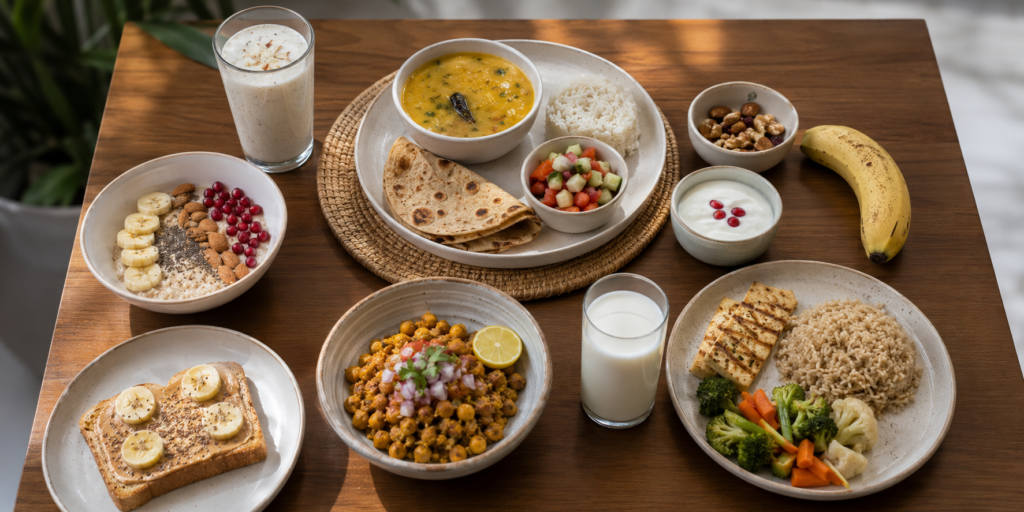
Hydration and Recovery for Better Results
Many people focus only on food and overlook hydration. Drinking enough water supports digestion, nutrient transport, and overall health.
However, avoid drinking large amounts of water immediately before meals, as this may reduce appetite.
In addition, quality sleep is essential for muscle recovery and growth. Most adults should aim for seven to nine hours of sleep each night to support their nutrition and fitness goals.
Common Mistakes to Avoid
Skipping Meals
Missing meals reduces total calorie intake and slows progress.
Relying on Junk Food
Fast food may provide calories, but it often lacks essential nutrients needed for healthy growth.
Ignoring Strength Training
Exercise, especially resistance training, helps direct excess calories toward muscle development.
Expecting Instant Results
Healthy weight gain takes time. Consistency and patience are key to long-term success.
Conclusion
A well-designed weight gain diet plan focuses on quality nutrition rather than simply eating more food. By increasing calorie intake strategically, prioritizing protein, including healthy fats, and maintaining consistent eating habits, you can achieve sustainable and healthy weight gain.
Remember that progress may take time. However, with proper planning and dedication, these nutrition tips can help you reach your goals while supporting overall health and well-being.
Most people can safely gain around 0.5 to 2 kilograms per month depending on calorie intake, activity level, and metabolism.
Protein-rich foods, whole grains, nuts, seeds, dairy products, and healthy fats are excellent choices for gaining weight naturally.
Yes. A balanced diet containing nutrient-dense foods can help you gain weight effectively while supporting long-term health.
