

Sunscreen for oily skin is one of the most important skincare essentials if you want healthy, balanced, and protected skin without excess shine. Many people with oily skin skip sunscreen because they fear a greasy finish or clogged pores. However, using the right formula can actually help control oil production while protecting your skin from sun damage, tanning, pigmentation, and premature aging.
Modern sunscreens are now designed with lightweight, breathable, and matte-finish formulas that work perfectly for oily and acne-prone skin. Therefore, choosing the right sunscreen can completely change your daily skincare routine and improve your skin texture over time.
Why Sunscreen Matters for Oily Skin
Many people believe oily skin does not need sunscreen because natural oil already provides some protection. In reality, oily skin is equally vulnerable to UV damage. Excess sun exposure can increase pigmentation, trigger acne marks, and even make your skin produce more oil.
A quality sunscreen acts as a protective barrier against harmful UV rays. In addition, it helps prevent uneven skin tone and reduces the risk of early wrinkles. The key is selecting a sunscreen that feels light and comfortable throughout the day.
Signs Your Current Sunscreen Is Not Suitable
- Skin becomes greasy within an hour
- White cast appears on the face
- Breakouts increase after regular use
- Makeup starts melting quickly
- Pores feel clogged and heavy
If you notice these issues, it may be time to switch to a better sunscreen formula.

Features to Look for in a Good Sunscreen
Choosing the right sunscreen for oily skin requires understanding a few important ingredients and textures. Not every SPF product suits oily or acne-prone skin.
Lightweight Texture
Gel-based or water-based sunscreens are usually the best options because they absorb quickly without leaving a sticky layer.
Oil-Free Formula
An oil-free sunscreen prevents excess shine and keeps your skin fresh for longer hours.
Non-Comedogenic Ingredients
Non-comedogenic products are designed not to clog pores. Therefore, they are ideal for people who struggle with acne and blackheads.
Matte Finish
A matte sunscreen controls shine and gives your face a smooth appearance, especially during humid weather.
6 Ultimate Sunscreen Picks for Oily Skin
Below is a simple comparison table to help you understand which sunscreen type works best for different sunscreen for oily skin concerns.
| Sunscreen Type | Best For | Texture | Finish |
|---|---|---|---|
| Gel Sunscreen | Very oily skin | Lightweight gel | Matte |
| Water-Based Sunscreen | Daily office use | Thin fluid | Natural matte |
| Mineral Sunscreen | Sensitive oily skin | Cream-light | Soft matte |
| SPF 50 Sunscreen | Outdoor activities | Light lotion | Non-greasy |
| Tinted Sunscreen | Uneven skin tone | Smooth cream | Matte coverage |
| Matte Gel SPF | Acne-prone skin | Fast-absorbing gel | Dry-touch |
Gel-Based Sunscreen
Gel sunscreens are perfect for people who dislike heavy skincare products. They absorb quickly and leave almost no residue behind.
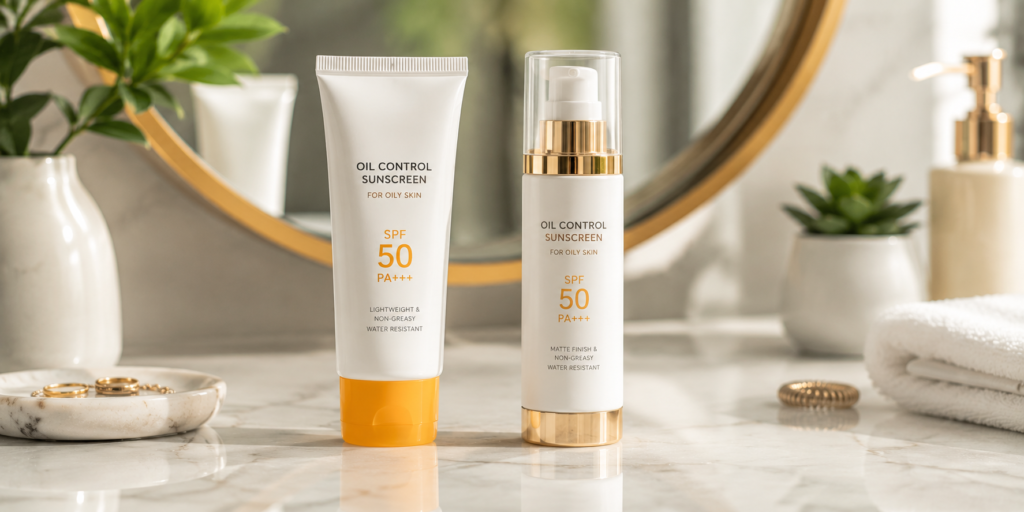
Matte Finish SPF 50
This type of sunscreen works well for outdoor activities and summer days because it controls oil while offering strong sun protection.
Water-Based Sunscreen
Water-based formulas feel refreshing and lightweight. Moreover, they layer easily under makeup without causing patchiness.
Mineral Sunscreen for oily skin
Mineral sunscreens are often recommended for sensitive skin because they use gentle ingredients like zinc oxide.
Tinted Sunscreen for oily skin
Tinted sunscreens provide light coverage while protecting your skin. They are useful for reducing the appearance of acne marks and redness.
Dry-Touch Sunscreen for oily skin
Dry-touch formulas are ideal for humid climates because they minimize shine and help your skin look fresh throughout the day.
How to Apply Sunscreen Correctly
Even the best sunscreen will not work properly if applied incorrectly. Many people use too little product or forget reapplication during the day.
Apply Enough Quantity
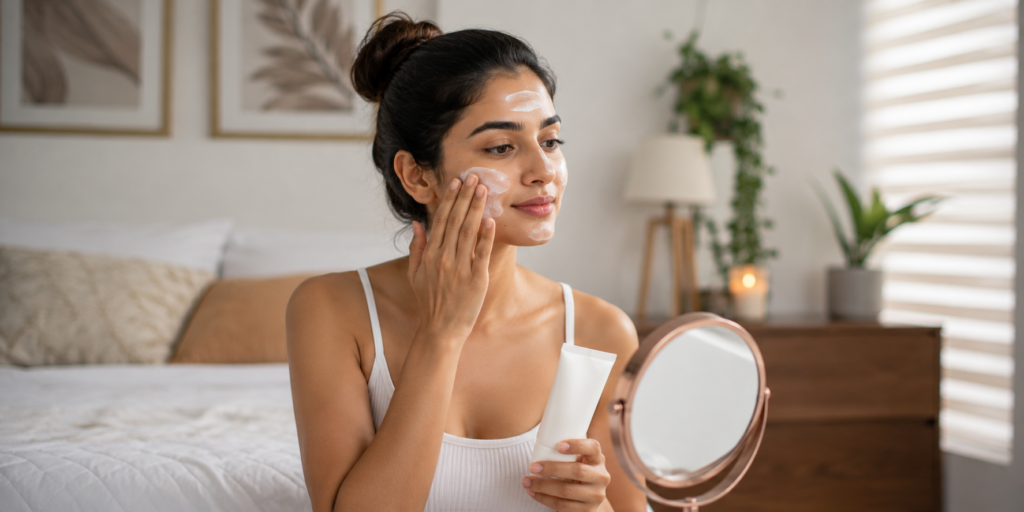
Use approximately two fingers’ worth of sunscreen for your face and neck. This ensures complete protection.
Apply Before Sun Exposure
Apply sunscreen at least 15–20 minutes before stepping outside so the formula can settle properly.
Reapply Every Few Hours
If you stay outdoors for long periods, reapply sunscreen every two to three hours. Sweating and oil production can reduce effectiveness over time.
Layer Properly With Makeup
Allow sunscreen for oily skin to absorb fully before applying foundation or compact powder. This helps maintain a smooth finish.
Common Sunscreen Mistakes to Avoid
Using sunscreen incorrectly can reduce its benefits and make oily skin feel uncomfortable.
Skipping Sunscreen Indoors
UV rays can still reach your skin through windows. Therefore, sunscreen should be part of your daily routine even when staying indoors.
Choosing Heavy Cream Formulas
Heavy sunscreens may clog pores and increase oiliness. Lightweight products are usually a better choice.
Using Too Little Product
A tiny amount of sunscreen cannot provide proper SPF protection.
Forgetting Neck and Ears
Many people only apply sunscreen to the face. However, the neck and ears also need protection from UV exposure.
Daily Skincare Routine for Oily Skin
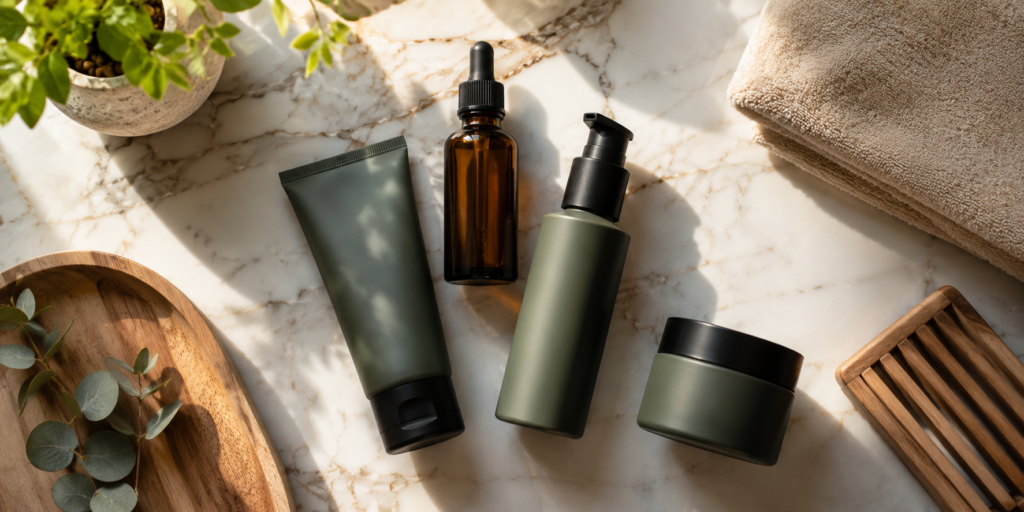
A proper skincare routine helps sunscreen for oily skin perform better and keeps oily skin balanced.
Morning Routine
- Gentle cleanser
- Alcohol-free toner
- Lightweight moisturizer
- Sunscreen for oily skin
Evening Routine
- Face wash
- Serum for acne marks or hydration
- Oil-free moisturizer
Consistency is important because healthy skincare habits improve skin texture gradually.
Final Thoughts
Sunscreen for oily skin does not have to feel greasy or uncomfortable anymore. Modern formulations offer lightweight textures, matte finishes, and strong UV protection that work perfectly for oily and acne-prone skin types.
The right sunscreen can help reduce tanning, protect against pigmentation, and maintain a balanced complexion throughout the day. Therefore, choosing a breathable, oil-free sunscreen should be a priority in your skincare routine.
Gel-based and water-based sunscreens are usually best because they feel lightweight and control excess shine effectively.
No, oily skin still needs hydration. A lightweight moisturizer helps maintain skin balance and improves sunscreen performance.
Yes, SPF 50 works very well for oily skin if the formula is non-greasy and lightweight.
